


Big old units take up space and slow down your day, so the need to clear them feels real at once. You try to move them, yet each step feels rough and risky. This hook sits with many homes that face large tasks with no clear path. You want a clean start with no stress or pain.
The real issue grows when you try to learn the real appliance removal cost in 2026. Many sites show wide price gaps that block your plan. You see new rules waste steps and long haul lines. You deal with wait times and wild rate shifts. You feel lost due to weak information and slow guides that give no real help for your home task.
Here is the good part: you can follow clear steps with simple tips that save time and offer real value. This guide uses current trends to break every task into easy actions. You learn steps that match your needs and budget, while gaining a full view of appliance removal cost in 2026. With this insight, you can approach each next move with confidence. This same clarity also helps you understand how much does furniture removal cost, keeping your plan steady and stress-free.
Appliance Removal Cost in 2025: Quick Overview
The average national appliance removal cost now shows a clear change for many homes. Price shifts move due to fuel rise and new landfill fees. Some towns add new recycling rules that shape each pickup step. You might notice how low rates start small yet still feel firm. Mid-range rates stay fair for most homes with steady needs.
High rates often appear when large units need strong crew support and long site time. A single-item pickup stays light and easy for most homes, while a multi-item pickup costs more due to added work and gear. These details help you plan your next clear-out with steady, informed steps. You gain a clear view that guides each choice with real ease and helps you pick a trusted appliance removal service that fits your needs.
Factors That Influence Appliance Removal Cost in 2025
Appliance Type Size and Weight
The unit type shapes each rate in clear ways. A large fridge needs strong crew work and slow steps. A stove or washer needs less push yet still adds real load time. AC units bring hazard class rules that raise the rate. Heavy units add bulk fees that raise your final bill.
Home Access and Labor Needs
Your home path can change the full rate with ease. Stairs slow crew work and raise labor time. Tight halls force new lift steps that need more skill. Small doors add more push steps for the crew. Two-man teams may join, which adds more cost to your pickup job.
Recycling Rules and Eco Fees
New rules guide each task and raise some rates. Freon units need full drain steps that add set fees. Metal parts can bring light salvage fees that shape the bill. E-waste parts need clear drop-off steps at safe sites. These rules help our land stay clean while still raising the total.
Local Landfill and Station Fees
Your town fee grid plays a strong part in each rate. Some sites raise drop fees due to new waste rules. City sites may cost more due to tight land and high use. Suburb sites may feel light yet still add fixed fees. These points shape your plan for the next clear-out job.
Same Day or Urgent Pickup Rates
Rush jobs cost more due to high crew load and tight time. A team may shift from other tasks to reach your home fast. That move raises the rate and shows in your bill. These jobs help when time feels short, yet still bring a high cost for your pickup needs.
Distance Fuel and Load Minimums
Long trips add fuel cost, which shapes the rate in clear ways. Some crew teams use load minimum fees that guide each task. Rural homes may see high rates due to long drives. Urban homes may see lower rates due to short trips. These points help you plan the next clear-out task.
Appliance Removal Cost by Appliance Type in 2025
Refrigerator and Freezer Removal Cost
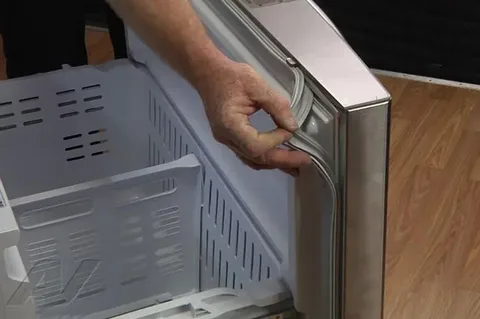
A large fridge or deep freezer needs strong lift work and safe drop steps. These units hold cool lines that need care. The rate feels high due to the size and cold part rules. Many teams use a clear lift gear to move these units with no harm. This task adds cost that fits their weight and bulk.
Washer and Dryer Removal Cost
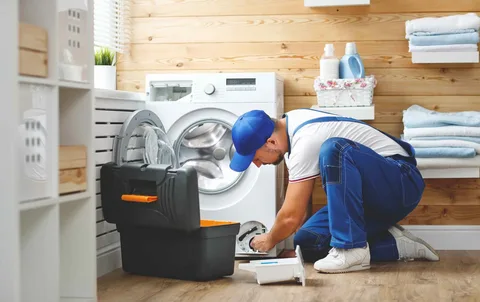
Washer and dryer jobs feel mild yet still need firm lift skills. Some homes have tight halls that slow each move. A washer has water parts that need care. A dryer can hold the heated parts that need safe steps. These points guide the final rate.
Stove and Oven Removal Cost
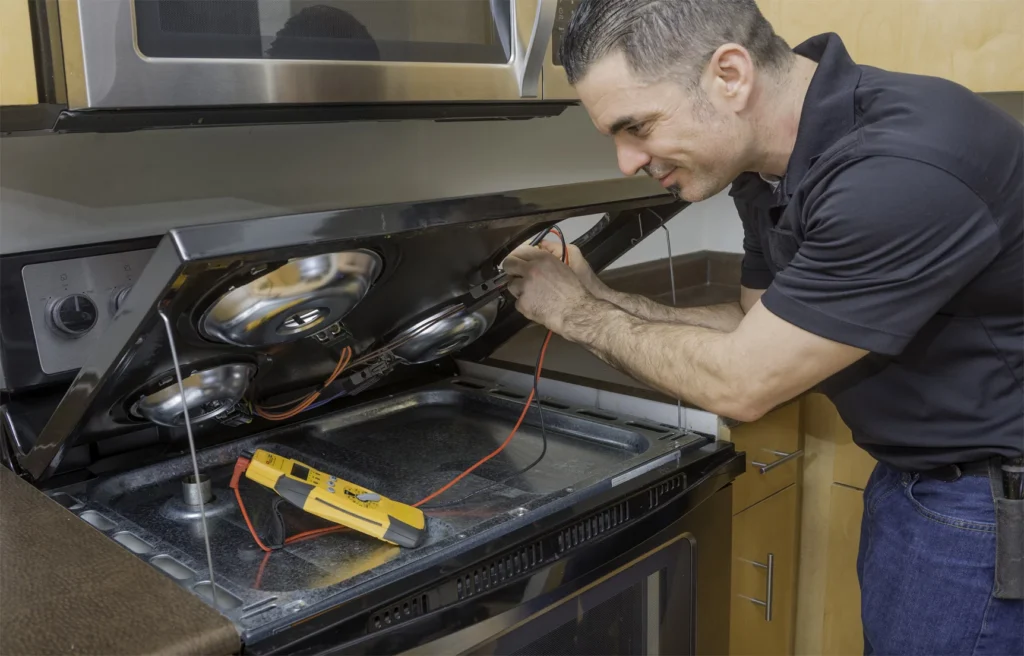
Stove and oven jobs need light lift steps, yet still take real time. These units have heat parts that need care. Some sites need two crew techs for safe work. These tasks raise the cost a bit for most homes.
Dishwasher and Microwave Removal Cost
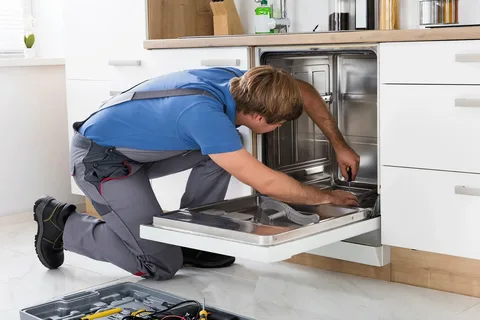
These units feel light and fast for most crew teams. A dishwasher needs safe pipe steps. A microwave needs safe wire steps. Both tasks stay fair in cost.
Hot Water Heater, AC Unit, and Furnace Removal Cost
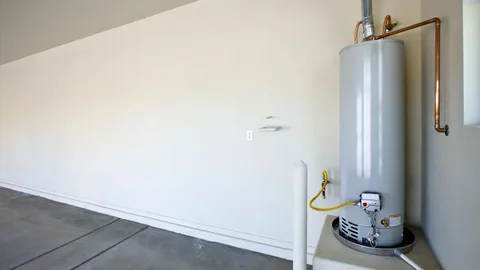
These units bring heavy lift steps and strict rules. Heat tanks and AC lines need safe care. These tasks raise the total cost.
Appliance Removal Cost by Service Type
Curbside Pickup vs Full Service Removal
Curbside pickup gives a low-cost path for light units near your door. You place the unit by the curb, and the crew lifts it fast. Full-service removal brings more hands-on help for heavy units in hard spots. The team enters your home and moves the unit from any room. This extra work raises the rate yet helps when paths feel tight.
Appliance Haul Away With Junk Removal Teams
Junk teams offer strong lift work for large, clear jobs. They haul old units with safe steps and smart gear. This path fits homes with many items or tough lift needs. The cost shifts based on load size and site needs. You gain one clear sweep with no stress.
Retailer Haul Away Programs
Large stores give haul plans when you buy new units. The crew takes your old unit during the drop of the new unit. This saves time and ends two trip plans. Rates stay mild yet still shift due to unit size and site needs.
Nonprofit or Donation Pickup Fees
Some groups take old units for homes in need. They use kind teams and light fees. Some units need safe steps that may not fit their rules. Still, this path helps your town and clears your space with ease.
Appliance Removal Cost by Region in 2025
Northeast US Pricing
The Northeast shows steady high rates due to dense towns and tight work paths. Crew teams face short streets and slow lift zones. This adds real-time and lifts the full rate. Cold months add more slow steps and raise site needs. You may see strong cost swings from one town to the next.
Midwest US Pricing
The Midwest often gives fair, mild rates for most home pickup tasks. Wide streets and easy drive paths help crews work fast. Large homes offer clear space that helps lift moves. Rural zones may see more cost due to long trips. Still, most towns keep the rate calm and steady.
South US Pricing
The South brings warm days that help lift work move with ease. Many towns show low or mid-range rates. Large homes with open paths help crews work fast. Storm zones can raise rates for some sites. Still, most homes gain smooth tasks with mild cost.
West Coast Pricing
The West Coast shows high rates due to strict waste rules. Many towns need safe drop steps that increase work time. Long drives and tight streets also shape the rate. Crew teams use smart gear to move large units with care. You gain strong aid, yet still pay more in this zone.
Hidden Fees Most Homeowners Don’t Expect
Stair Fees and Hard-to-Access Areas
Stairs slow each lift step and add real strain to the crew. Tight halls also block easy work paths. These tough spots force more lift time and raise the full rate. Homes with long paths or sharp turns see even more added cost. These fees help crews stay safe during hard tasks.
Appliance Disconnection Fees
Some units need safe work before the lift steps start. Water lines or heat parts need trained hands for safe tasks. Crews may charge for each step since this work needs skill. These fees keep your home safe and protect your new unit space. You gain calm work with clear steps.
Environmental and Freon Disposal Charges
Cool units hold Freon that needs safe drain steps at set sites. This rule keeps the land clean yet brings set fees. Some towns need strong eco steps that add more cost. These fees support safe drop work and clean waste paths. You gain peace since each step meets strict laws.
Heavy Appliance Surcharge
Large units bring strong lift needs and more gear use. Crews may charge a heavy load fee for safe lift work. Weight slows each move and adds more strain. This makes the fee fair for the task. You gain safe work with no harm to your home.
After-Hours Pickup Costs
Late tasks need extra crew aid and shift work. These steps add more cost due to the tight time. Crews move fast yet still use safe lift steps. This fee covers night work and long days. You gain quick aid when time feels short.
DIY Appliance Removal Cost vs Hiring a Pro
Fuel Truck Rental and Dump Fees for DIY
DIY work feels cheap at first, yet real costs build fast. You pay for fuel and a truck that fits large units. Dump sites also add set fees for each drop. These steps raise the total far more than most expect.
Injury Risk and Liability Concerns
Heavy units can twist your back or strain your arms. Sharp parts can harm your hands or legs. You also deal with risk if the unit hits your wall. A pro team gives safe lift skills and removes this stress.
Time and Labor vs Convenience
DIY work takes long, slow hours that drain your day. You lift, push, and haul with no aid. A pro team moves fast with smart gear and strong skills. This path saves time and keeps your home calm.
Cost Comparison Table DIY vs Pro
A fair view shows DIY costs rise with each task. A pro rate feels high yet covers lift gear fuel and drop work. DIY helps with small jobs, yet fails on large units. A pro team gives one smooth visit with no strain.
How to Save Money on Appliance Removal in 2025
Prepare the Appliance Before Pickup
Clear prep steps help cut your removal rate with ease. You can drain lines and wipe dust to make each lift safe. You can also move small parts out of the path. These steps speed the task and shape a fair rate today.
Group Multiple Items to Reduce Load Fees
Large tasks feel mild when you group old units in one clear spot. This lets the crew lift fast and form one load. You cut extra trips that raise the rate. This plan works best for homes with many small units in your yard.
Use Free City Bulk Pickup Days
Many towns offer bulk days that help you save real cost. You place large units near the curb on set days. Crews haul them with no fee. This helps homes with light tasks. Check city sites for dates that fit your plan with ease.
Donate Working Appliances for Tax Credits
Some working units still hold real value for local groups. You can give them to teams that aid homes in need. This path cuts your cost and may bring tax gain. These groups use safe lift steps. You help your town and clear space.
Call Multiple Companies for Price Matching
Many haul teams match other rates when you ask with care. You can call many crews and note each rate. This gives clear insight into the fair cost for your task. You pick the plan that fits your home. This step keeps your bill mild.
Eco-Friendly Appliance Disposal Options
Certified Recycling Centers
Certified centers give safe paths for old units with strict care steps. They break each unit into clean parts that fit the set waste rules. Cool lines and heat parts get safe drain work. Metal parts move to clean bins. These centers keep land clear and help homes cut waste with ease.
Scrap Metal Buyback Programs
Some sites pay small cash for metal parts from old units. You bring the unit, then the staff sorts each part with care. Heavy steel or clean copper can bring fair pay. This path helps you cut costs and keep waste out of land sites. Many homes use this for large units.
Retailer Trade-In Credits
Large stores give trade deals for old units when you buy new units. Their teams lift the old unit and send it to safe sites. You gain store credit for the new unit. This path cuts your bill and forms one smooth swap. It helps homes that want fast lift work.
Manufacturer Recycling Rebates
Some makers give cash back when you send old units to safe sites. You fill out a short form and share proof of the drop. The maker sends a small rebate that helps your next buy. This path keeps waste low and aids clean land rules. It fits homes that plan ahead.
Conclusion
You now hold a clear view of appliance removal cost in 2026 and how each task shifts the rate. Large units need strong lift steps and safe drop work that raise the total. Tight halls, long paths, and heavy weight also push the rate higher. These points shape the full cost for most homes.
You might notice how crew skill, fuel use, and local site fees also shape each bill. These hidden factors add real impact and guide your plan. Now you can review each offer with confidence. Call a few teams to compare and see who provides the best value. This simple step helps you choose the right team for your home, including options like Junk People LLC.
Eco paths also bring strong gains for your home and your town. Clean drop sites help reduce waste and save metal parts for reuse. Trade deals and maker rebates help cut costs with ease. When you mix these steps, you save more and keep each task light. This gives you a calm, smart path for your next clear job.
FAQs
The rate feels high due to strict waste rules and heavy lift needs. Fuel use and land site fees also shape each bill. Some units need safe drain steps that add more cost. These points raise the full rate for many homes and shape the trend for appliance removal costs in 2026.
You may gain free pickup when your unit is still working well. Some local groups take these units for homes in need. Some stores offer trade deals when you buy new units. These paths help you cut costs and clear space with ease.
Cool units hold Freon that needs safe drain steps at set sites. These steps need trained hands and strict care. This adds a fixed fee that raises the total. These rules keep the land clean and protect air quality.
Crew teams judge weight size and lift needs for each job. Long paths or tight halls raise the rate. Fuel use and land site fees add more cost. Load size also guides the final bill for your home.
Rush jobs help when you need fast aid. The rate feels higher due to the tight time and extra crew aid. Still, this path gives peace when you need quick work. It fits homes with short plans or urgent needs.