

A messy bathroom can make each morning feel slow and tense. Bottles crowd the sink. Old skincare items sit in drawers. Grooming tools get lost when you need them most. When you clean and declutter the bathroom early, the room feels fresh and easier to use. A simple plan can turn daily stress into a smooth start.
Most bathroom clutter builds from small habits. Expired products stay too long. Towels land in odd spots. Soap scum hides the shine on tile and grout. You may notice the room feels smaller each week. Good bathroom organization helps every item earn its place. It also makes bathroom cleaning faster and less tiring each day.
Why Bathroom Clutter Builds Up So Fast
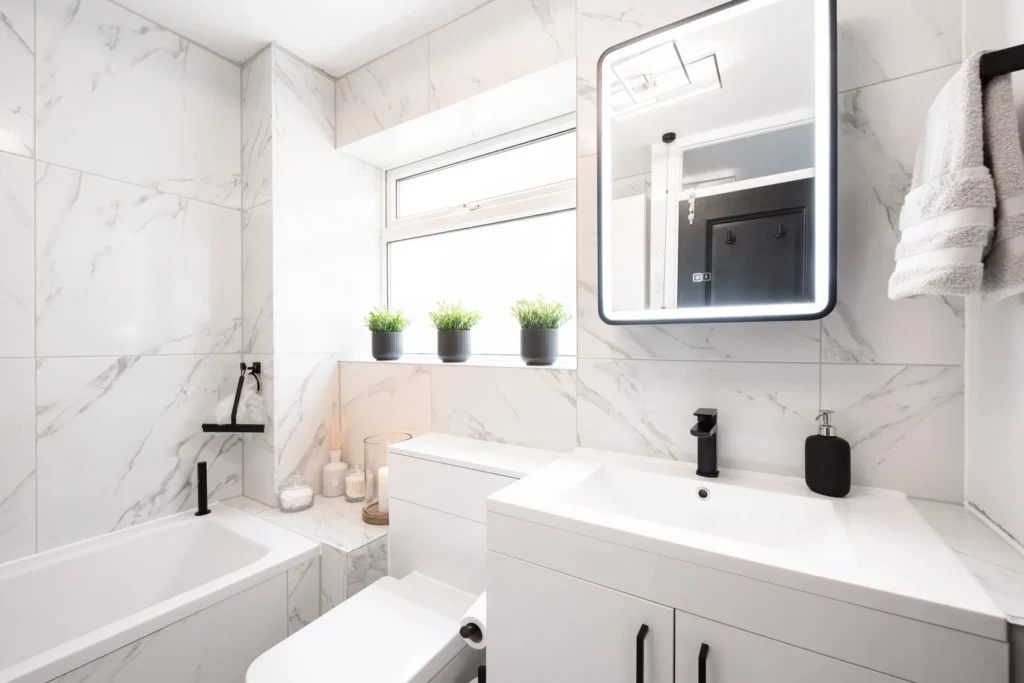
Bathroom clutter builds fast because many small items share one tight space. Toothpaste bottles, towels, and grooming tools often land wherever there is room. Soon, drawers feel full, and counters lose space. When you clean and declutter the bathroom, you often stop a small mess from turning into daily stress.
Old skincare items and expired products also take up needed space. Many people keep them because they may use them later. Yet they block better bathroom organization and slow bathroom cleaning. A simple weekly cleaning routine helps remove what no longer belongs. It also keeps the room easier to use each day.
How To Clean And Declutter The Bathroom With Less Stress
Start with one small area before touching the whole room. Clear the sink first. Then sort bottles, towels, and grooming tools into simple groups. Keep daily items close and move extra items away. This makes bathroom decluttering feel lighter. It also helps you see what the room needs next. For larger cleanups, dumpster rental services can be very helpful in managing waste efficiently.
Next, clean surfaces after the clutter is gone. Wipe soap scum from sinks, tubs, and tile. Check old skincare items and toss expired products. A busy family may do this before guests arrive. A seller may do it before home photos. Simple bathroom cleaning makes the space feel fresh and cared for.
What To Remove Before You Start Bathroom Cleaning
Before you clean and declutter the bathroom, remove anything that blocks clear space. This makes each task easier. It also helps you see hidden dust and soap scum. A busy parent may find old bottles under the sink. A home seller may notice crowded counters before listing photos.
Remove Expired Products First
Start with expired products in drawers and shelves. Check lotions, creams, sprays, and old skincare items. Toss anything that has changed smell, color, or texture. This step makes bathroom decluttering faster. It also frees space for items you still use each week.
Clear Old Grooming Tools
Next, remove grooming tools that no longer work. Old razors, dull brushes, and broken clippers take up space. Keep only the clean tools you use often. A small bathroom can feel larger when drawers hold fewer items.
Empty The Medicine Cabinet
A medicine cabinet declutter helps you see what is still useful. Remove empty boxes, old bottles, and items you forgot about. Keep daily care items in easy reach. This gives the cabinet a clear purpose.
Sort Under Sink Items
Under-sink bathroom storage can fill up fast. Take out extra bags, old cleaners, and half-used bottles. Use baskets and bins for items you need. This keeps the area neat and helps your weekly cleaning routine feel simple.
Bathroom Decluttering Steps That Make Sorting Easier
Bathroom sorting feels easier when you follow a clear order. Start small and avoid pulling out every item at once. When you clean and declutter the bathroom this way, the work feels calm. A busy family can clear the sink first before guests arrive. A seller can make the room photo ready with less stress. For extra space during cleanup, furniture removal services can help remove unwanted items quickly.
Step One: Clear The Counter First
Start with the counter because it shapes the first look. Remove bottles, brushes, and loose items. Keep only what you use each day. This step supports better bathroom organization. It also makes the room feel cleaner before deeper work begins.
Step Two: Sort Drawers By Use
Open one drawer at a time. Place daily items in one group. Place extra items in another group. Toss old skincare items that no longer look fresh. Drawer dividers can help keep small tools neat after sorting.

Step Three: Check The Cabinet
A medicine cabinet declutter helps remove hidden mess. Look for expired products and empty packs. Keep only current care items. A small shelf can feel useful again when old items leave. This makes bathroom decluttering faster next time.
Step Four: Fix Under-Sink Storage
Under-sink bathroom storage often turns messy fast. Remove old cleaners and half-full bottles. Use baskets and bins for backup items. This gives each item a clear spot. It also helps your weekly cleaning routine stay simple.
How To Clear Expired Products And Old Skincare Items
Expired products can fill drawers without much notice. Start by checking dates on creams, sprays, and care items. Remove anything that smells odd or looks changed. When you clean and declutter the bathroom this way, the space feels easier to use. It also helps bathroom organization feel more simple each morning.
Old skincare items often stay because they feel costly to toss. Yet unused bottles block space for items you need now. A busy parent may find five half-used lotions in one drawer. Keep current items together and use drawer dividers. This small step makes bathroom cleaning faster and less stressful.
Under Sink Bathroom Storage Ideas That Save Space
Under-sink space can turn messy because pipes split the cabinet. Bottles fall over. Extra towels get pushed behind the cleaners. Good under-sink bathroom storage gives each item a clear place. It also helps bathroom cleaning feel faster. A small home bath can look more open when hidden areas stay neat.
Ideas that save space include:
- Use baskets and bins for backup care items.
- Place tall bottles at the back.
- Keep daily cleaners near the front.
- Add drawer dividers for small grooming tools.
- Store extra soap in one clear bin.
- Use stack bins around sink pipes.
- Remove old skincare items each month.
- Keep towels in a slim side basket.
- Label bins for faster bathroom organization.
- Check expired products during each weekly cleaning routine.
How To Deep Clean Bathroom Surfaces After Decluttering
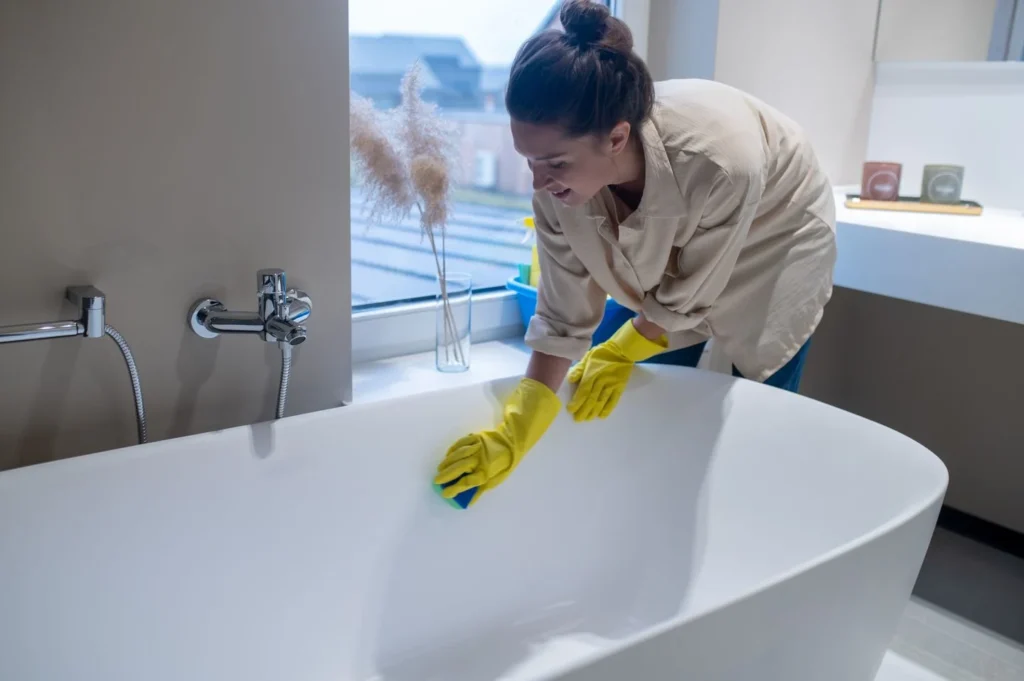
After sorting items, the room becomes much easier to clean. Start with the sink counter, mirror, and shelves. Then scrub soap scum from tile and grout with care. When you clean and declutter the bathroom, first, deep cleaning feels less rushed. A clear counter also helps each surface look brighter.
Focus on areas that buyers or guests notice fast. Wipe faucets, shower doors, baseboards, and cabinet fronts. A home seller may do this before photos so the bathroom feels fresh. Good bathroom cleaning also supports moisture control. Keep bathroom ventilation on after scrubbing so the room dries well.
Removing Soap Scum From Tile And Grout Areas
Soap scum can make clean tile look dull and old. Start after you clean and declutter the bathroom. Clear bottles from shower ledges and tub corners first. Then wash the tile and grout with a steady hand. This helps bathroom cleaning feel more complete. A seller may notice dull walls in photos before buyers visit. yard waste removal.
Grout lines need extra care because buildup hides in small gaps. Use a soft brush and rinse each area well. Keep bathroom ventilation on so the room dries faster. This supports moisture control and helps the surface stay fresh. A clear shower also makes small bathroom organization feel easier each week.
Bathroom Organization Ideas Using Drawer Dividers
Drawer dividers help small items stay easy to find. They work best after you clean and declutter the bathroom. A crowded drawer can hide grooming tools and old skincare items. This slows each morning. A seller may also want neat drawers before open house prep. Simple bathroom organization makes the space feel cared for.
Ideas using drawer dividers include:
- Keep daily grooming tools in the front section.
- Place extra toothbrushes in a small back slot.
- Store hair ties and clips in shallow spaces.
- Keep skincare items apart from shaving tools.
- Use one divider for travel-size products.
- Remove expired products before adding dividers.
- Place cotton pads and swabs in clear trays.
- Keep small bottles upright to stop spills.
- Use baskets and bins for larger backup items.
- Check each drawer during your weekly cleaning routine.
Bathroom Storage Solutions With Baskets And Bins
Baskets and bins help turn loose bathroom items into neat groups. They work well after you clean and declutter the bathroom. A small vanity can hold more when each item has a clear place. A seller may use this before showings so open shelves look clean and simple. Good bathroom storage solutions also make daily use smoother.
Solutions with baskets and bins include:
- Use one basket for clean hand towels.
- Keep backup soap in a clear bin.
- Place hair tools in a deep basket.
- Store extra toilet paper near the floor.
- Use small bins for grooming tools.
- Keep skincare items in one labeled tray.
- Place cleaning sprays in under sink storage.
- Use slim baskets for small bathroom organization.
- Remove expired products before adding new bins.
- Check each basket during your weekly cleaning routine.
How To Set Up A Weekly Cleaning Routine
A weekly cleaning routine keeps the bathroom from feeling hard to manage. Start with one set day and keep the task list short. Clear counters first, then wipe sinks, mirrors, and shelves. When you clean and declutter the bathroom in small steps, the space stays fresh without a long, deep clean. For bigger structural clearouts, shed deck removal can help remove unwanted outdoor structures efficiently.
Add one simple check for hidden clutter each week. Remove expired products, old skincare items, and empty bottles before they pile up. A busy family may do this every Friday before guests visit. Good bathroom organization makes this habit easier. It also helps small bathroom storage stay neat and useful.
Common Bathroom Decluttering Mistakes To Avoid
Bathroom decluttering can feel simple at first. Yet small mistakes can make the job harder. Many people keep old bottles because they still look useful. Others buy storage before they sort. When you clean and declutter the bathroom with a clear order, the space feels easier to manage. It also supports better bathroom organization. For heavier cleanup tasks, debris removal service can help keep the area clear and manageable.
Mistakes to avoid include:
- Keeping expired products after checking dates.
- Buying baskets before sorting all items.
- Leaving old skincare items in drawers.
- Storing daily items too far away.
- Mixing grooming tools with backup products.
- Ignoring soap scum during bathroom cleaning.
- Filling under sink bathroom storage too full.
- Keeping items that no one uses now.
- Skipping drawer dividers for small tools.
- Forgetting bathroom ventilation after deep cleaning.
- Cleaning surfaces before removing clutter.
- Letting the weekly cleaning routine become too large.
How To Keep Grooming Tools Neat And Easy To Find
Grooming tools can make drawers messy when they lack a clear place. Keep brushes razors clips and combs in small groups. When you clean and declutter the bathroom this way mornings feel faster. A busy parent may find everything with ease before work or school. This also helps bathroom organization stay simple.
Use drawer dividers for small tools and baskets for larger items. Keep daily items near the front and backup items farther back. Toss broken tools and old packs each month. A seller may use this step before photos or guest visits. Neat storage makes the bathroom look cared for and easier to use.
Final Thoughts On A Cleaner Bathroom Routine
A cleaner bathroom starts with small habits that feel easy to repeat. When you clean and declutter the bathroom often, the room stays calm and useful. Remove expired products, sort grooming tools, and keep counters clear. A busy family can do this before the weekend. A seller can do it before the photos.
Good bathroom organization also makes each week feel lighter. Use baskets, bins, and drawer dividers so items stay in place. Clean soap scum before it becomes harder to remove. Keep air moving after each shower. A simple weekly cleaning routine helps the space feel fresh, neat, and ready for daily use. For professional help with cleanup and disposal, Junk People LLC can support larger removal needs.
FAQS
Clean it once each week. Clear counters first. Then sort drawers and wipe surfaces. This keeps bathroom cleaning simple and helps prevent buildup.
Start with expired products and empty bottles. They take space fast. Removing them makes drawers neater and helps bathroom organization feel much easier.
Use baskets and bins for grouped items. Keep counters clear. Small bathroom organization works best when daily items have simple storage spots.
Remove old skincare items and expired products first. Keep only current daily items. A medicine cabinet declutter makes morning care faster and easier.
Use stack bins around pipes. Keep cleaners in one basket. Store extra soap together. This makes under sink bathroom storage neat and useful.