
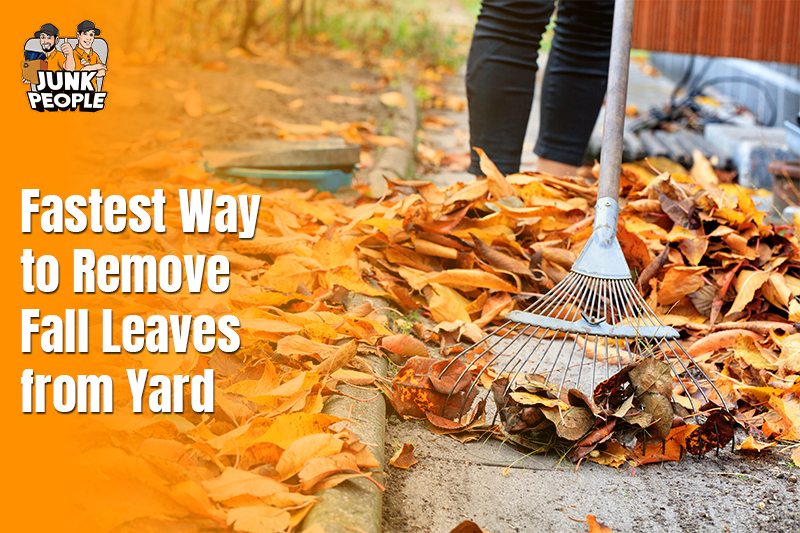
Leaves can cover a neat yard in just one windy night. Fast fall leaf removal helps you clear the mess before it harms the grass. Thick piles can block sunlight, air, and water. Wet leaves may also make paths slick. A dry day works best for fast cleanup. Use a light rake, tarp, or blower to move piles with less strain.
Fall cleanup gets easier when you work in small yard sections. Start near fences, trees, and corners where leaves gather first. Then drag piles onto a tarp for quick pickup. A leaf vacuum mulcher can shred dry leaves for compost or mulch. This saves time and supports better lawn care before spring growth starts.
Why Fast Fall Leaf Removal Helps Protect Your Yard
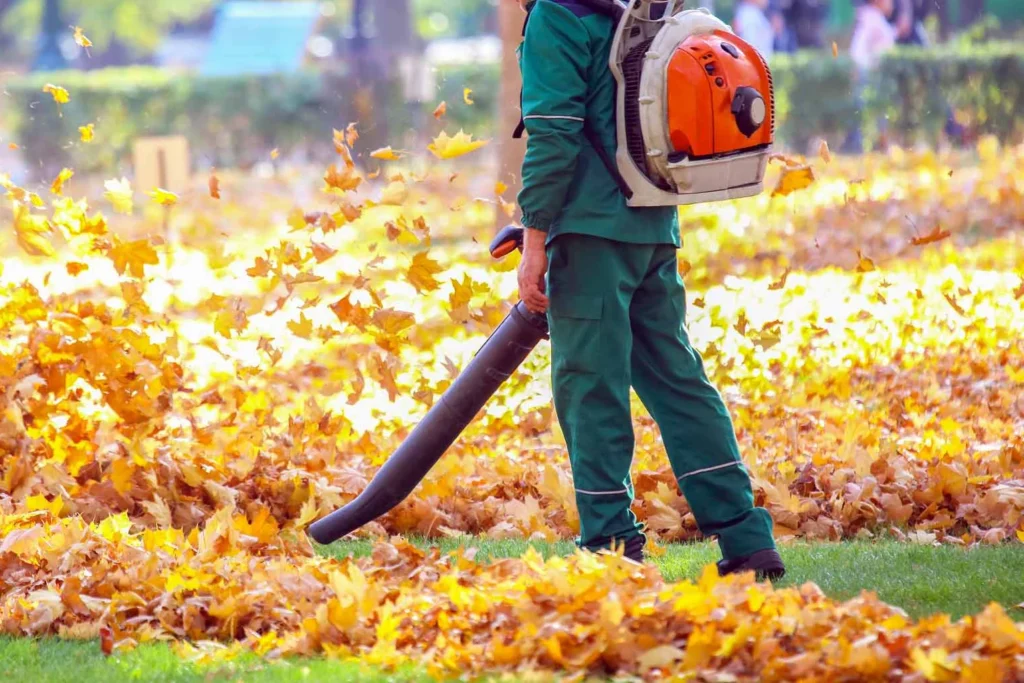
Fast fall leaf removal helps your grass get the light it needs. A thick leaf layer can block sunlight, water, and air from reaching the soil. When leaves stay wet too long, they may press down on the grass. This can lead to weak spots and dead grass before winter ends.
Fall leaf cleanup also helps reduce yard mess after rain. Wet leaves can trap moisture and create mold in shaded areas. For example, leaves piled near a fence may stay damp for days. When you remove fall leaves early, your lawn has more room to breathe and grow back stronger.
Fast Fall Leaf Removal Tools That Save Time
Fast fall leaf removal feels much easier with the right tools. Each yard may need a different setup. Small yards may only need a light blower and a tarp. Large yards may need a mower, sweeper, or leaf vacuum. Pick tools based on leaf pile size, yard shape, and cleanup time. In some outdoor cleanup cases, rusted gate removal may also be required when removing old metal structures from the property.
Leaf Blower
A leaf blower helps move dry leaves fast. Use it to push leaves into rows or piles. A cordless blower works well for small yards. Keep a charged pack ready before you start.
Corded Blower
A corded blower gives steady power for longer cleanup work. It helps near driveways, patios, and walkways. Check the cord length first so you can move without stopping often.
Mulching Mower
A mulching mower cuts leaves into small bits. This can feed the soil when leaf cover stays light. Avoid thick wet piles since they can clog the mower.
Leaf Vacuum Mulcher
A leaf vacuum mulcher picks up and shreds dry leaves. It works well near flower beds and tight corners. Use it when raking feels too slow.
Lawn Sweeper
A lawn sweeper helps with large yards and heavy leaf cover. It collects leaves as you push or tow it. This tool saves time during a wide yard cleanup.
Best Leaf Cleanup Method For Small And Large Yards
Leaf cleanup works best when you match the method to your yard size. Small yards need simple steps and fewer tools. Large yards need sections and a clear pickup plan. A rake, tarp, and steady pile system can help turn a messy lawn into a clean yard faster.
Small Yard Rake Method
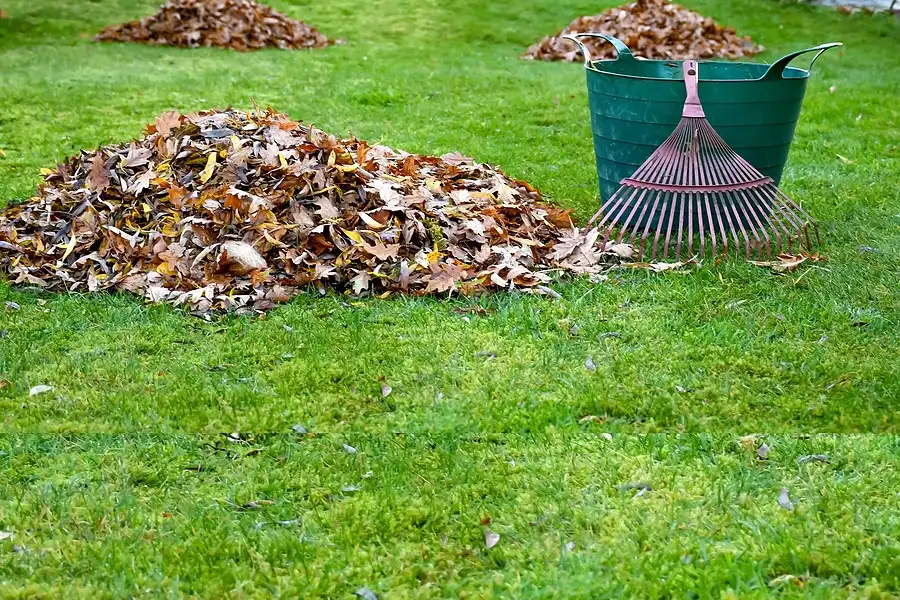
Use a light rake to pull leaves into small piles. Work from corners toward the center. This keeps the job simple. A small front yard can often be cleared with one tarp and steady passes.
Tarp Drag Method
Rake leaves onto a wide tarp instead of bagging each pile. Then drag leaves to the pickup area. This saves effort and keeps the yard neat without many trips.
Large Yard Section Method
Split large yards into clear zones before cleanup starts. Finish one area before moving on. This helps stop scattered piles from spreading again when the wind picks up.
Leaf Pile Pickup Method
Build leaf piles near the curb or drop spot. Keep piles away from drains and walkways. This helps the pickup feel smoother and keeps paths clear for family use.
How To Rake Leaves Fast With Less Effort
Learning how to rake leaves fast starts with timing. Dry leaves move more easily than wet piles. Choose a dry day for cleanup when the wind stays low. Use a large light rake so each pull covers more ground. Raking leaves after weekly sweeps also keeps piles smaller and easier to handle.
Sectioning the yard helps you avoid extra work. Start near fences, trees, and corners where leaves collect first. Pull each section toward one tarp or pickup spot. For example, a backyard can be split into four parts. Finish one area fully before moving to the next. This keeps cleanup simple and less tiring. In some property improvement cases, rusted gate curb appeal can also improve the overall outdoor appearance alongside yard cleanup.
Yard Leaf Removal Without A Rake
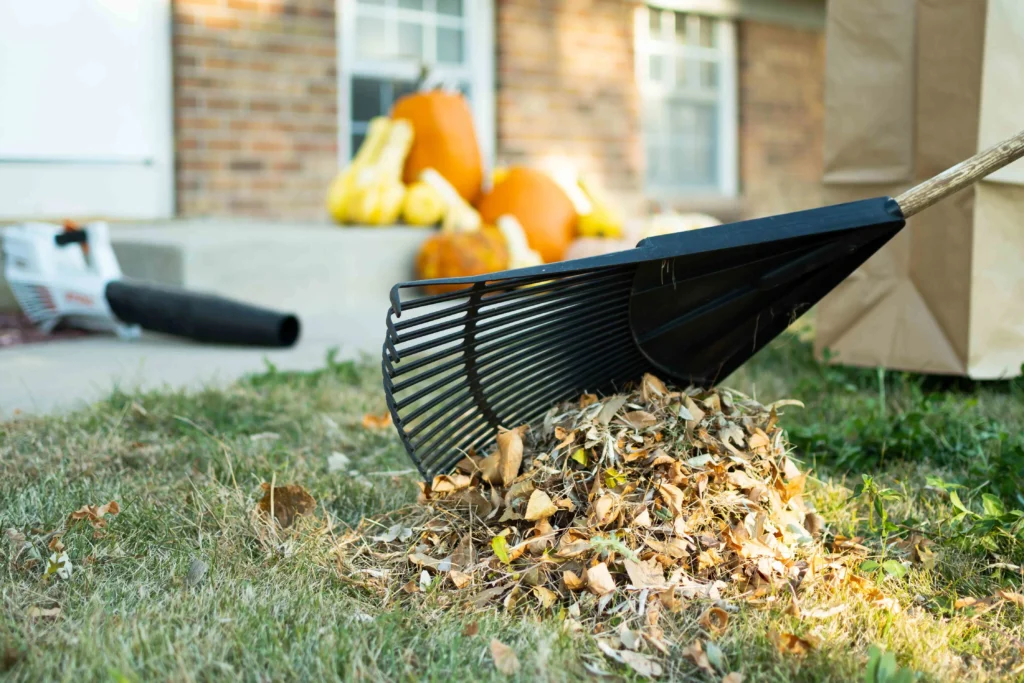
Yard leaf removal without a rake can save time when leaves are spread out. A blower can push dry leaves into long rows. This is called windrow style cleanup. It works well near fences and open lawn areas. A shop vac may help with small corners, patios, and porch steps.
A leaf vac can also collect and shred leaves in one pass. Shredded leaves may work as mulch around beds. They can also add soil food when mixed into compost. For example, dry leaves from a side yard can become garden cover instead of bagged waste. This keeps cleanup useful and simple.
Quick Leaf Removal Tips For Busy Homeowners
Busy days make yard cleanup feel easy to delay. Still, a few small steps can save hours later. Dry leaves move faster than wet leaves. A tarp can also cut down on extra trips across the lawn. Simple fall cleanup habits help keep leaf piles under control before they turn heavy.
- Dry leaves are lighter and easier to move. Plan cleanup before rain when possible.
- Rake or blow leaves onto a tarp. Then drag the load to one pickup spot.
- Leaves often collect near fences, beds, and porch steps. Clear those spots first.
- Smaller piles are easier to lift and move. Huge piles can spread again fast.
- Remove leaves from paths, steps, and driveways. This helps reduce slip risk.
- A short cleanup each week prevents thick layers. It also keeps fall yard work lighter.
- Wet leaves can stick to grass and paths. Move them before they pack down.
Lawn Care Steps After Removing Fall Leaves
A clean yard still needs care after leaf cleanup. Once leaves are gone you can see weak grass, bare spots, and packed soil. This is the right time to check the lawn before cold weather sets in. Small fixes now can help the yard feel more ready for spring. In some property improvement cases, replace rusted steel may also be considered when damaged exterior structures are noticed during seasonal cleanup.
Check For Thin Grass
Walk the yard and look for weak or bare areas. These spots may need seed before winter. A shaded corner under trees often needs extra care after heavy leaf cover.
Loosen Packed Soil
Soil can feel hard after weeks under wet leaves. Use a rake or garden fork to open tight spots. This helps water and air reach the grass roots.
Add Seed And Feed
Use seed and feed where the grass looks thin. Follow the label so you do not add too much. A small side yard can fill in better with steady fall care.
Clear Leftover Debris
Remove small sticks grass clumps and leaf bits after cleanup. This keeps the lawn surface open. It also helps new growth get more light.
Watch For Water Puddles
Check low areas after rain. Standing water can slow grass growth. Fill small dips with soil so the yard drains better.
Keep The Yard Ready
Do light checks through the season. A few minutes each week can keep the lawn neat and ready for spring.
Eco-Friendly Leaf Disposal After Yard Cleanup
Eco-friendly leaf disposal helps turn yard waste into something useful. Dry leaves can become compost when mixed with grass bits and food scraps. This creates rich soil support for garden beds. A homeowner can save bagged leaves and use them near shrubs after they break down.
Leaf disposal can also follow local yard waste rules. Some areas offer pickup for leaves, branches, and grass waste. Others may ask for drop off at set sites. Leaf mold is another simple option for shaded beds. When you dispose of yard waste with care, your fall cleanup supports the yard instead of filling trash bags.
Local Yard Waste Disposal And Pickup Options
Local yard waste rules can vary by town. Some areas offer seasonal pickup for leaves and small branches. Others use drop-off spots for bags or loose piles. Check dates before you dispose of yard waste. A missed pickup day can leave wet leaf bags sitting by the curb for another week.
Leaf disposal also needs care near public spaces. Never dump leaves near public parks, storm drains, or empty lots. Use approved sites for seasonal yard cleanup instead. For example, a family with ten leaf bags may need a town drop site. This keeps the yard clear and avoids local complaints.
When Professional Yard Waste Removal Makes Sense
Professional yard waste removal makes sense when leaf piles feel too heavy. Large yards can take hours to clear by hand. Wet leaves also stick together and slow each step. A busy parent may not have time for a full yard cleanup before the rain. Help can save time and reduce strain.
Yard leaf removal also helps when piles cover paths, beds, and grass. Heavy leaf piles can block air and sunlight from the lawn. A removal crew can clear bags, branches, and loose leaves faster. This works well after storms or long workweeks. Your yard feels clean without spending your whole weekend outside. In some cleanup situations, remove rusted frame may also be needed when old damaged structures are found during yard clearing.
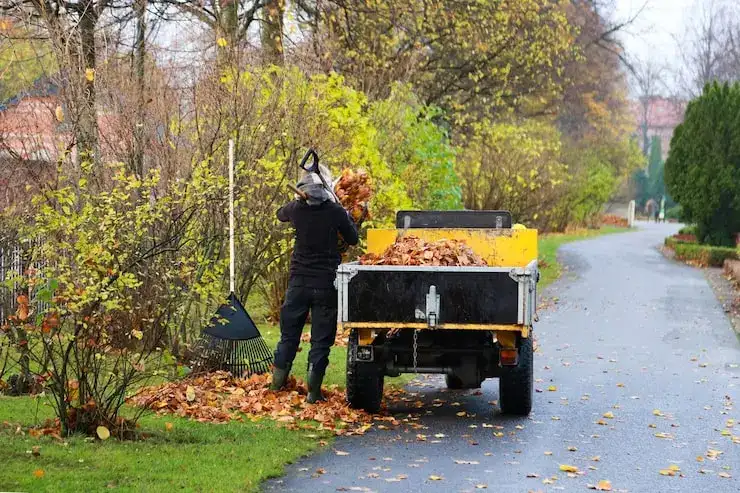
Common Fall Leaf Cleanup Mistakes To Avoid
Fall cleanup can feel simple until leaves pile up too long. Wet leaves can stick to grass and paths. Thick layers may block sunlight and create weak lawn spots. A small delay after rain can turn light cleanup into heavy yard work.
- Waiting Too Long
Leaves can pack down after rain. This may lead to dead grass and harder cleanup. - Ignoring Wet Walkways
Wet leaves can create a slip risk on steps and paths. Clear these areas first. - Leaving Thick Layers On Grass
A heavy leaf cover can block air and light. This may weaken the grass before spring. - Making Huge Leaf Piles
Large piles can spread again with the wind. Smaller piles are easier to move. - Skipping Shaded Areas
Leaves near fences and trees may stay damp longer. This can lead to mold. - Using The Wrong Disposal Method
Yard waste disposal rules can vary by town. Check pickup dates before bagging leaves. - Letting Bags Sit Too Long
Full bags can get wet and heavy. Move them before rain or pickup delays.
Conclusion About Fast Fall Leaf Removal
Fall leaf removal helps keep your yard clean before wet piles cause trouble. A neat yard also makes paths easier to use during busy weeks. Dry leaves can move fast with a rake, tarp blower, or mower. For example, a small weekly sweep can stop heavy piles from taking over the lawn.
Seasonal yard cleanup also helps your lawn get ready for spring. Leaves can become mulch or compost when handled the right way. This gives dry yard waste a better use after cleanup. A simple plan can save time, reduce stress, and keep your outdoor space ready for cooler months. For full cleanup and hauling support, Junk People LLC can help manage yard waste and seasonal debris removal efficiently.
FAQS
Remove fall leaves once a week during heavy leaf drop. This keeps piles light and easier to move. It also helps sunlight and air reach the grass before leaves turn wet.
A leaf blower works well for dry leaves and larger areas. A rake helps near beds and corners. Many homeowners use both tools for faster yard cleanup.
Yes. A mulching mower can shred dry leaves into small pieces. This works best with light leaf cover. Thick wet piles may clog the mower and harm the lawn.
Use a large light rake and work in small sections. Pull leaves toward one tarp or pickup spot. Dry day cleanup makes the job faster and less tiring.
Eco-friendly leaf disposal means using leaves for compost mulch or local yard waste programs. This keeps useful organic waste out of trash and supports better soil care.