
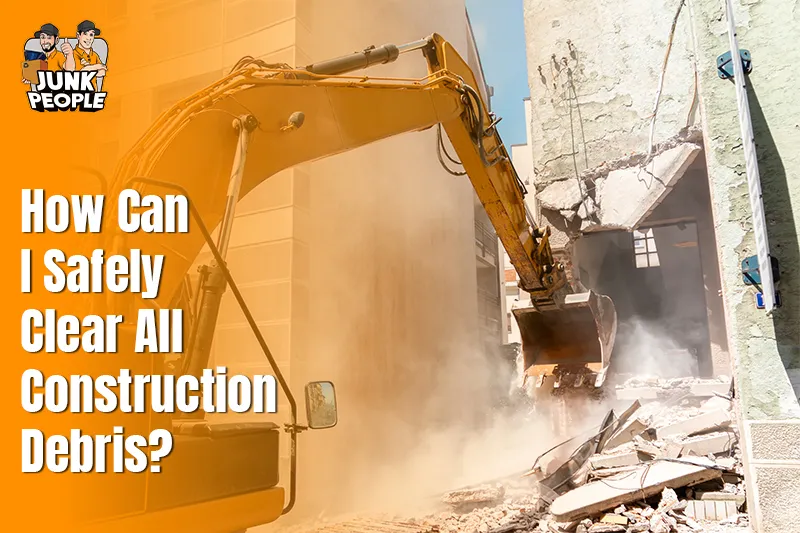
Renovation waste can turn a finished project into a new problem. Drywall scraps wood waste metal pieces and concrete can block rooms fast. Smart construction waste removal helps clear space before dust and mixed debris spread. For example a kitchen update may look done but old cabinets and broken tile can still delay final cleaning.
Good cleanup also helps owners avoid disposal mistakes. Some items can go to recycling centers. Others may need donation programs or certified disposal sites. Local waste rules can affect where each load goes. Now let’s see how proper sorting hauling and post renovation care can keep the site clean useful and ready for the next step.
Why Construction Waste Removal Matters After Renovation
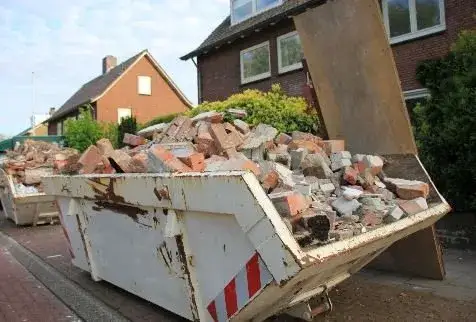
Construction waste removal helps turn a finished renovation into a clean usable space. Dust scraps and mixed debris can block rooms after the main work ends. Clear paths help crews bring in tools touch up paint or finish trim. A clean worksite also helps owners see the final result without stress.
Post construction cleaning can also prevent last minute delays. For example a bath remodel may look complete but broken tile and old drywall can block access. Buyers or guests may notice leftover waste first. Proper cleanup keeps the space ready for photos walk throughs and the next use.
Common Renovation Waste That Needs Proper Handling
Construction waste removal works best when each waste type has a clear place. Renovation debris may include drywall scraps wood waste concrete debris and metal scrap. These items should not sit in one mixed pile. For example a kitchen update can slow down when old trim broken tile and sharp metal block the work path. dumpster rental services.
Mixing Drywall With Heavy Debris
Drywall scraps can break apart and spread dust fast. They should not mix with concrete or tile. Heavy debris can crush drywall and make cleanup harder. Keep drywall in a separate pile for smoother renovation debris removal.
Leaving Wood Waste With Exposed Nails
Old wood waste from trim floors or framing can hide nails. These sharp points can hurt workers or scratch new floors. Stack boards neatly with nail points facing down. This keeps the area safer and easier to clear.
Placing Concrete In Weak Bags
Concrete debris is too heavy for thin bags. Bags can split and spread dust across the room. Use small loads strong bins or a proper dumpster. This helps building debris removal move without extra cleanup.
Ignoring Metal Scrap
Metal scrap can have sharp edges and bent corners. It can also damage walls or finished floors during hauling. Keep metal in one marked pile. This helps crews move it with care.
Skipping Early Sorting
Mixed debris takes more time to clear. It can also raise hauling costs. Sort materials before the final cleanup starts. A clear plan helps the space feel ready after the remodel.
How To Sort Construction Waste Before Disposal
Smart construction waste removal starts with clean sorting. Mixed piles can slow hauling and raise disposal issues. Good construction waste management helps crews move faster and keep rooms clear. For example a bathroom remodel may leave drywall tile wood and metal in one pile. Sorting early saves time before final cleanup.
Step 1: Separate Waste By Material
Place wood drywall metal concrete and tile in different areas. This makes waste sorting easier for crews. It also helps each load go to the right site. Clean piles reduce confusion during hauling.
Step 2: Use Clear Labels
Labeled piles help workers know what they are moving. Mark heavy waste sharp waste and reusable items. This helps prevent mistakes when crews load bins or trucks. It also keeps the cleanup process more calm.
Step 3: Keep Risky Items Apart
Paint cans sharp metal and broken glass need special care. These items should not mix with light debris. Keep them in a marked spot until proper disposal is set. This lowers the chance of delays.
Step 4: Save Disposal Records
Disposal records can help prove where each load went. Save receipts drop slips and photos when needed. These records help owners and crews avoid questions later. They also support a cleaner project closeout.
What Construction Waste Can Be Recycled
Many project scraps can avoid the landfill when sorted early. Construction waste removal works better when clean loads stay apart. Wood waste metal scrap cardboard and some concrete can often go to recycling centers. For example a cabinet update may leave clean lumber hinges and boxes that can be reused or recycled. furniture removal services.
Construction recycling services may accept metal from frames pipes and fixtures. A scrap yard may also take clean copper steel or aluminum. Eco friendly debris removal depends on local rules and clean sorting. Dirty mixed waste may be refused. Good sorting helps owners save space and reduce waste after renovation.
What Materials Need Special Disposal Care
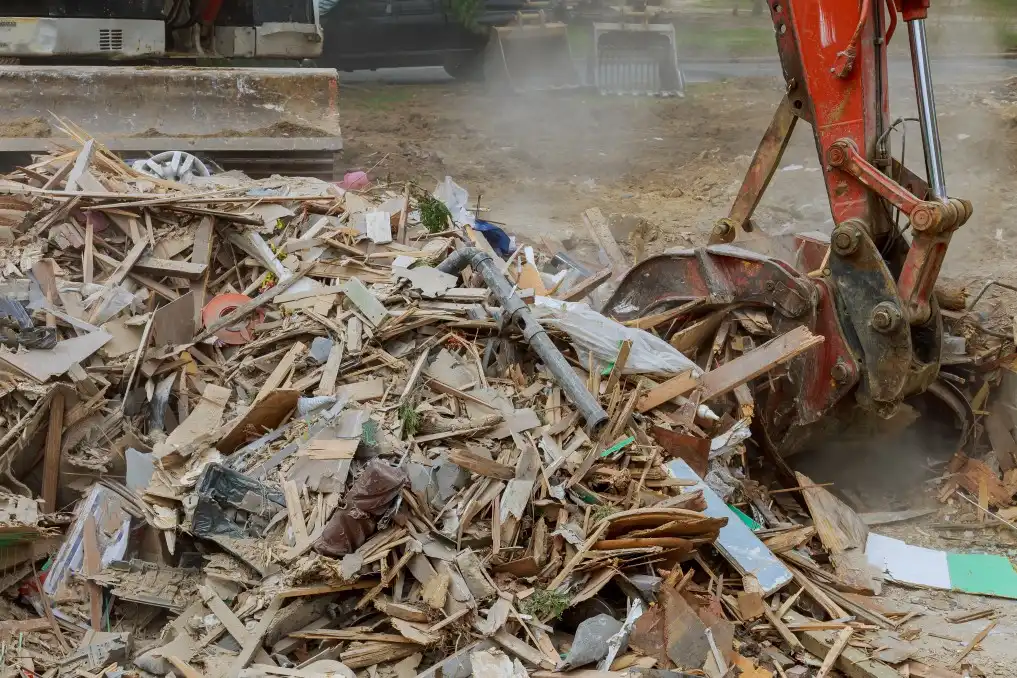
Some waste should never mix with normal debris. Construction waste removal needs extra care when items may leak cut or pollute. Proper construction debris disposal helps avoid rejected loads and costly delays. For example old paint cans left beside drywall can stop a cleanup crew from hauling the full pile.
- Paint cans and stains
Old paint stain and sealers may need special drop off. Follow local waste rules before placing them with other debris. - Solvents and cleaners
These can count as hazardous materials. Keep them sealed and away from wood drywall and bags. - Treated wood
Some treated boards need approved handling. Do not mix them with clean wood waste. - Old adhesives and caulk
These items may contain strong chemicals. Certified disposal sites may be needed in some areas. - Broken glass and sharp metal
These can injure crews during hauling. Wrap or label them before removal. - Dusty or unknown material
Older homes may have material that needs testing. Ask a trained crew before moving it.
DIY Construction Waste Removal For Small Projects
Small projects can often be cleaned without a full crew. Construction waste removal works well as a DIY task when debris stays light and easy to sort. For example a closet update may leave trim scraps boxes and dust. That type of waste can be moved with gloves masks and a clear plan.
Small Bathroom Repairs
Small bathroom repairs may leave tile pieces drywall dust and old fixtures. DIY construction debris removal can work if the load is not too heavy. Use strong bags gloves and masks before moving waste. Keep sharp pieces separate so cleanup stays safe and simple.
Light Flooring Updates
A small flooring job may leave boards underlayment and packaging. These items can fit in small trucks when sorted well. Do not mix nails or sharp trim with soft waste. This helps prevent cuts and extra handling.
Minor Cabinet Or Trim Work
Cabinet and trim updates often create wood scraps screws and boxes. Stack wood neatly and bag light waste first. A dumpster rental may help if the pile grows. This keeps the room clear for final cleaning and touch ups.
When To Use Professional Debris Hauling Services
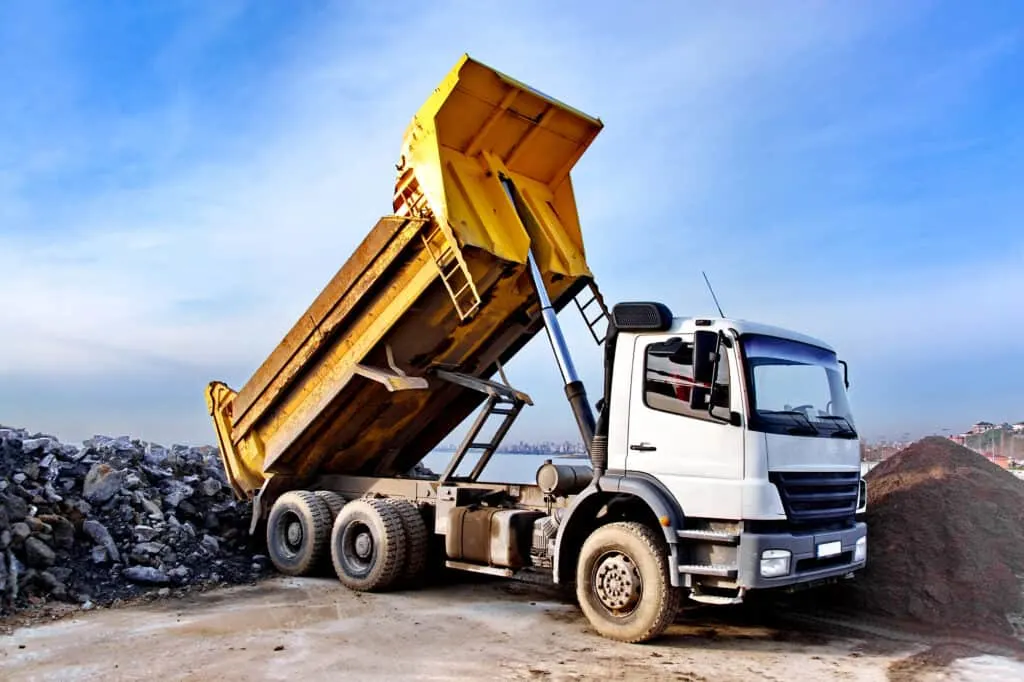
Use construction waste removal help when debris feels too heavy or mixed. Broken tile old cabinets drywall and metal can slow a small crew fast. Debris hauling services can move large piles without blocking rooms. For example a kitchen remodel may need fast hauling before flooring or final trim starts. yard waste removal.
Professional construction debris removal also helps when heavy lifting creates risk. A cleanup crew can sort mixed debris and protect floors during removal. This matters before photos walk throughs or final checks. Property owners gain cleaner space and fewer delays when trained help clears the site the right way.
Construction Waste Management Mistakes To Avoid
Good construction waste removal can fail when small details get missed. A rushed cleanup may create extra cost and delay. Construction waste management works best when debris is sorted early. For example a remodel crew may face a pickup delay when an overfilled dumpster blocks the drive.
- Mixing all waste together
Mixed debris takes more time to sort. It may also raise hauling costs. - Using an overfilled dumpster
A full bin can break weight rules. Haulers may refuse pickup until it gets fixed. - Ignoring local waste rules
Some items need special care. Paint cans and treated wood may need approved drop sites. - Forgetting disposal records
Receipts and drop slips can help prove proper disposal. Keep them for project closeout. - Leaving sharp waste exposed
Nails glass and metal can hurt crews. Mark these piles before hauling starts.
Final Thoughts On Construction Waste Removal
Safe construction waste removal helps finish a renovation with less stress. A clean worksite gives crews room to check details and complete touch ups. Post construction cleaning also helps owners see the final space clearly. For example old tile and dusty bags can make a new bath feel unfinished.
Renovation debris removal works best with sorting and proper disposal. Clean wood metal and cardboard may go to recycling centers. Some items need special drop off and disposal records. Now let’s see the simple truth. A clean site protects time value and the final look of your project. Junk People LLC.
FAQS
Construction waste removal means clearing debris after repair remodel or build work so the space stays clean and ready for the next step.
Building debris removal can include drywall scraps wood waste tile concrete metal fixtures cabinets doors flooring and other leftover project items.
Yes. Construction recycling services may accept clean wood metal cardboard concrete and some fixtures when materials are sorted before pickup.
Construction debris disposal needs care for paint cans solvents treated wood adhesives sharp glass and any waste with hazard risk.
DIY construction debris removal can work for small light loads. Heavy mixed sharp or dusty waste may need trained hauling help.