
Construction work leaves piles of debris that slow progress and raise costs. A clean site supports focus and safety every day. This guide shares efficient ways to manage debris after builds end. You gain clear steps that save time and money. The goal is simple: control waste, keep sites ready, and move forward with ease. Good planning starts early and prevents chaos later. Smart habits protect crews, tools, and nearby spaces.
Many teams struggle with construction waste disposal on busy jobs. Poor construction site cleanup blocks paths and delays work. Planned construction debris removal keeps projects moving. Order improves construction site organization through simple routines. These actions reduce construction waste and limit risks. Crews work better when areas stay clear. This focus builds trust and keeps schedules on track.
Modern crews value eco-friendly debris management from start to finish to safely clear construction debris on every project. Reuse supports sustainable construction practices across all sites. Sorting materials helps recycle building materials with less effort. Safe debris handling protects workers and nearby neighbors. Efficient ways to manage debris also include construction debris recycling plans. Clean methods cut costs and support long-term environmental care. Results benefit homes, roads, and future projects.
Why Managing Construction Debris is Crucial
A cluttered construction site creates stress and slows daily progress. Workers lose time moving around debris piles. Hazards increase when walk paths stay blocked. Injuries happen more often on messy sites. Poor construction debris management affects focus and morale. Crews feel pressure when cleanup gets delayed. Order supports safer work and steady results. Clean areas help teams stay calm and productive.
Improper handling leads to serious problems fast. Fines can occur from rule violations. Accidents rise due to sharp or heavy waste. Environmental harm grows when debris spreads. Timely construction site cleanup prevents these risks. This guide shares simple steps that work. You learn clear ways to manage debris efficiently. These methods save time, lower costs, and protect the site.
1. Sort and Separate Materials During Construction
Efficient Ways to Manage Debris
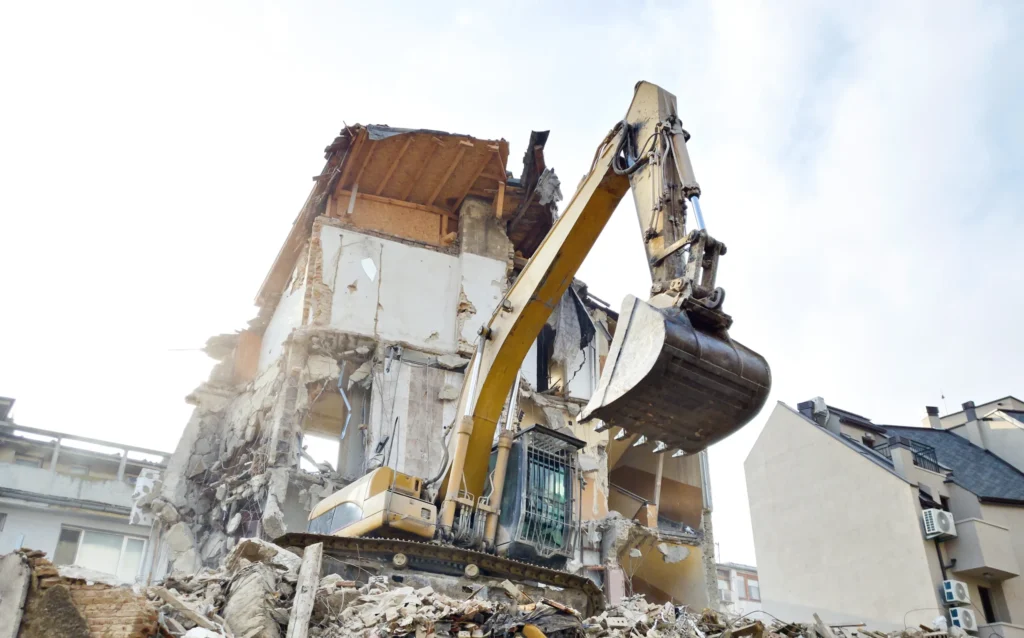
Sorting materials early keeps sites clean and controlled. Mixed debris creates delays and waste. Crews move faster with clear systems. This step supports efficient ways to manage debris on active sites. Order reduces hauling needs and saves space. It also lowers disposal costs. Teams gain better control from day one. Clean habits build a strong workflow. This approach supports safe progress and steady results.
Why Material Segregation Matters
Material separation cuts landfill use. Wood, metal, concrete, and drywall need different paths. Mixing blocks increases reuse chances. Separation supports construction debris recycling goals. It also improves safety on-site. Crews avoid sharp mix hazards. Sorted piles move faster off-site. This method helps reduce waste volume. Sites stay organized and calm.
How to Do It Right
Place labeled bins near work zones. Use clear signs for each material. Train crews on daily sorting habits. Keep recyclables away from trash. This supports proper construction waste disposal practices. Empty bins before overflow starts. Review sorting daily with teams. Small checks prevent big issues. Consistent habits keep sites clean. This process supports long-term control and efficiency.
2. Rent Dumpsters for Large Debris Volumes
Efficient Ways to Manage Debris
Large projects create heavy waste fast. Loose piles slow crews and block paths. Dumpsters keep waste in one place. This supports efficient ways to manage debris during busy builds. A clear drop point reduces walking time. Crews stay focused on tasks. Sites look controlled and safer daily. This choice supports steady progress.
Benefits of On-Site Dumpsters
Dumpsters keep the site organized all day, making affordable dumpster rental a practical choice for busy projects. Waste goes straight into one container, supporting smooth construction site cleanup routines. Fewer debris piles mean fewer hazards. Collection happens faster with less handling. Crews avoid lifting waste multiple times. These time savings add up quickly, while improved order boosts safety and crew morale.

Faster Debris Collection
On-site dumpsters speed up debris flow. Teams toss waste without delays. No trips to off-site dumps are needed. This reduces fuel use and time loss. Work continues without breaks. Faster flow helps meet deadlines. Clean zones stay open for work. This method supports simple debris control.
Tips for Choosing the Right Size
Match dumpster size to project scope. Small jobs need compact bins. Large builds need bigger units. Plan regular pickup schedules early. Overflow causes delays and fines. Follow local debris disposal tips from providers. Ask about weight limits before renting. Proper size avoids extra costs. This keeps cleanup smooth and predictable.
3. Recycle Construction Materials for Efficient Ways to Manage Debris
Smart Recycling Builds Better Sites
Recycling materials keeps projects clean and responsible. Many crews skip this step and lose value. Recycling supports eco-friendly debris management on active sites. It lowers landfill use and hauling trips. Crews save money through reuse paths. Sites look organized and calm. This step supports Efficient Ways to Manage Debris with clear gains.
High Value Recyclables
Metal, wood, and concrete offer strong reuse value. Steel frames return value in yards. Clean wood supports reuse projects. Concrete can be crushed for base fill. These materials fit construction debris recycling plans well, as outlined in a recyclable materials guide. Sorting early protects material value. Crews should keep items clean and dry to boost acceptance rates. Reuse reduces waste volume quickly.
Environmental and Cost Benefits
Recycling reduces landfill impact on local land. Fewer dumps protect soil and water. Material recovery lowers disposal fees. Crews gain returns from scrap sales. This supports recycling building materials goals. Projects meet green targets with ease. Costs drop through fewer pickups. Sites gain better public trust.
How to Set Recycling Systems
Place bins near work zones. Label bins by material type. Train crews on daily sorting rules. Keep trash separate from recyclables. Track loads weekly for progress. Partner with local recyclers early. Clear systems support steady results. This keeps recycling simple and effective.
4. Use Eco-Friendly Disposal Methods
Clean Choices Protect Every Worksite
Not all debris can be reused or recycled. Some waste needs careful handling. Choosing clean disposal supports sustainable construction practices on every project. It lowers harm to land and people. Crews avoid fines and delays. Sites stay clear and controlled. This step strengthens efficient ways to manage debris with long-term value.
Non-Recyclable Debris
Some materials need special care. Drywall insulation and mixed waste fall here. Hazard items raise serious risk. Poor handling causes spills or injury. These items must stay separate. Crews should label and store them safely. This supports safe debris handling on site. Clear rules protect workers and nearby areas.
Why Careful Disposal Matters
Improper dumping harms soil and water. Air quality may suffer too. Local rules exist to prevent damage. Following them avoids penalties. Clean disposal shows responsibility. Clients value sites that follow laws. This approach supports strong project trust. It also keeps teams safer each day.
Sustainable Disposal Options
Certified services manage hard waste safely. They follow legal and green standards. Partnering early saves time later. These teams know approved sites. They reduce environmental harm through proper methods. Ask about tracking and proof options. This ensures waste reaches the right place. Smart partners complete clean disposal goals with ease.
5. Plan Debris Management Ahead
Smart Planning Creates Cleaner Projects
Planning before work begins keeps sites calm and controlled. Many delays come from poor debris planning. Early systems support construction site organization from day one, ensuring the best construction debris removal practices are followed. Crews know where waste goes, and paths stay open for tools and movement. This approach reduces stress during busy phases. Planning also supports efficient ways to manage debris with fewer surprises. Clean planning builds steady progress.
Why Planning Saves Time
Early organization prevents delays during key build stages. Crews waste less time moving debris. Tasks flow without stops or clutter. Clear plans help reduce construction waste through better sorting. Fewer piles mean faster cleanup. Disposal stays predictable and smooth. Time savings grow across the project. Small planning steps create strong daily gains.
Best Practices
Assign clear roles for debris collection tasks. Each crew knows its duty. Set rules for sorting and storage areas. This improves construction site organization across zones. Schedule disposal milestones during the build. Do not wait until the end. Regular removal keeps volumes low. This helps reduce construction waste steadily. Planning meetings should review debris flow weekly.
Long-Term Benefits of Planning
Planned debris control lowers total cleanup cost. Crews avoid rush work near deadlines. Safety improves with fewer hazards. Clients notice clean sites quickly. Projects finish on time more often. Planning also supports green goals. These habits strengthen efficient ways to manage debris for future work.
6. Leverage Professional Waste Services
Trusted Support for Busy Projects

Some projects create waste beyond crew capacity. Large builds move fast and leave heavy debris. This is where expert help matters. Using pros supports efficient ways to manage debris on complex sites. Teams stay focused on building tasks. Waste flows out without delay. This choice improves control and reduces stress. Clean handling keeps projects on schedule.
When to Hire Experts
Experts help during large-scale projects. Hazard materials also require trained handling. Heavy loads increase injury risk for crews. Pros bring tools, trucks, and skills. They know proper construction waste disposal rules. This avoids fines and rework. Hiring early prevents a backlog. It also supports safe debris handling from start to finish. Sites remain clear and calm.
Benefits of Professional Handling
Professional teams save time every day. Crews avoid hauling waste off-site. Jobs finish faster with fewer stops. Experts ensure rule compliance always. They track waste paths and records. This protects builders and owners. Safe debris handling lowers injury risk. Proper sorting improves recycling rates. Sites gain better order and trust.
How to Choose the Right Service
Look for licensed local providers. Ask about material handling skills. Confirm experience with your project type. Review disposal methods and reports. Clear pricing avoids surprise fees. Good partners explain each step. This choice strengthens construction waste disposal plans. With the right team, debris control stays simple and effective.
Conclusion
Managing debris well keeps projects moving without stress. Sorting early, renting dumpsters, recycling materials, and planning ahead all help. Using experts also reduces pressure on crews. These steps support efficient ways to manage debris on any site. Clean systems prevent delays and confusion. Teams work better when waste is controlled. Simple habits create steady results from start to finish.
Strong debris control saves money over time. Fewer delays mean lower labor costs. Recycling cuts landfill fees and hauling needs, a process often managed efficiently by Junk People LLC. Eco-friendly choices protect land and water. Safer sites reduce injury risk for crews. Better order improves daily focus and morale. These benefits support smart builds and long-term success.
Clear action brings the best results. Choose methods that fit your project size. Plan before work begins. Review cleanup steps often. Use help when loads feel heavy. Follow these steps to manage your construction debris efficiently and keep your site organized. Clean sites finish faster and earn trust.
FAQs
The best way starts with planning and sorting early. Separate waste during work stages. Use bins and clear zones. This supports efficient ways to manage debris on all sites. Clean flow reduces delays and hazards. Simple systems work best for most projects.
Recycling begins with material separation. Keep metal, wood, and concrete apart. Contact local centers for rules. This supports construction debris recycling goals. Clean loads improve acceptance rates. Recycling helps reduce waste volume and costs.
Large projects often need expert help. Heavy loads slow crews and raise risk. Pros manage construction waste disposal with speed. They handle hauling rules and records. This keeps sites clear and on schedule.
Good planning prevents cleanup delays. Fewer trips save fuel and labor. Recycling lowers dump fees. Clean sites speed daily work. Teams stay focused without clutter. These gains add up fast.
Eco-friendly cleanup uses sorting and reuse first. Recycling building materials reduces landfill use. Certified services support safe debris handling. These methods protect land, water, and people. Clean choices build trust and long-term value.