
Toxic waste exposure affects daily life in ways many people never notice. Families live near old sites, plants, or dump areas without clear warning. Toxic waste exposure can enter homes through air, soil, or water. People may feel fine at first, then face issues later. This guide explains the topic in a clear, calm way. The goal is awareness without fear, so families stay informed.
The effects of toxic waste often grow over time. Hazardous waste health risks may affect breathing, skin, or energy levels. Long-term chemical exposure raises concerns for growing children. Chemical exposure dangers can impact learning focus and sleep. Environmental contamination moves through food, water, and soil. Toxic chemicals impact entire areas, not just one home. These risks affect schools, parks, and work zones alike.
Community health hazards require smart action and shared care. Learning toxic waste management tips helps reduce risk early. Simple habits help prevent chemical contamination near homes, as well as avoid situations where yard waste damages property. Clear facts lower panic and confusion. Families deserve honest guidance and steady support. Understanding toxic waste exposure helps people protect loved ones. Informed choices build stronger, safer communities for the future.
Why Toxic Waste Exposure is a Growing Concern
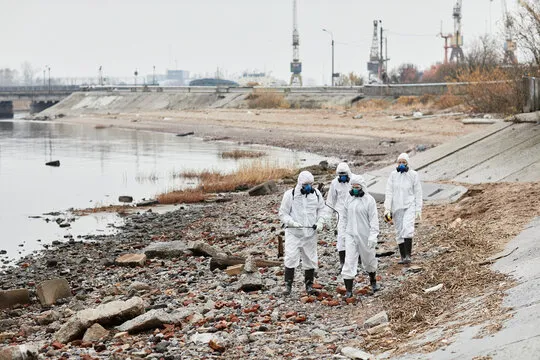
Families often face hidden risks inside their homes and neighborhoods. Many never realize that chemicals surround daily life. Toxic waste exposure can come from soil, water, or air. Old sites, factories, and dumping areas raise concern. Children play near these spaces without warning signs. Parents trust their homes, yet danger may exist nearby. This fear grows when answers feel unclear. Awareness matters before harm appears. Understanding toxic waste exposure helps families stay alert and prepared.
Improper disposal increases danger for people and land. The effects of toxic waste build slowly over time. Health issues may appear after years of contact. Environmental damage spreads through water and food sources. Community trust weakens when safety feels uncertain. This guide explains risks in simple terms. It also shares ways to protect loved ones early. Clear steps help reduce fear and confusion. Knowledge supports safer choices for families and communities.
1. Types of Toxic and Hazardous Waste
Knowing waste types helps reduce fear and mistakes. Many families face toxic waste exposure without clear signs. Each waste type carries a unique danger. Learning sources support safer choices at home and work. This section explains major waste groups in simple terms. Clear knowledge helps limit hazardous waste health risks for people and land.
Chemical Waste
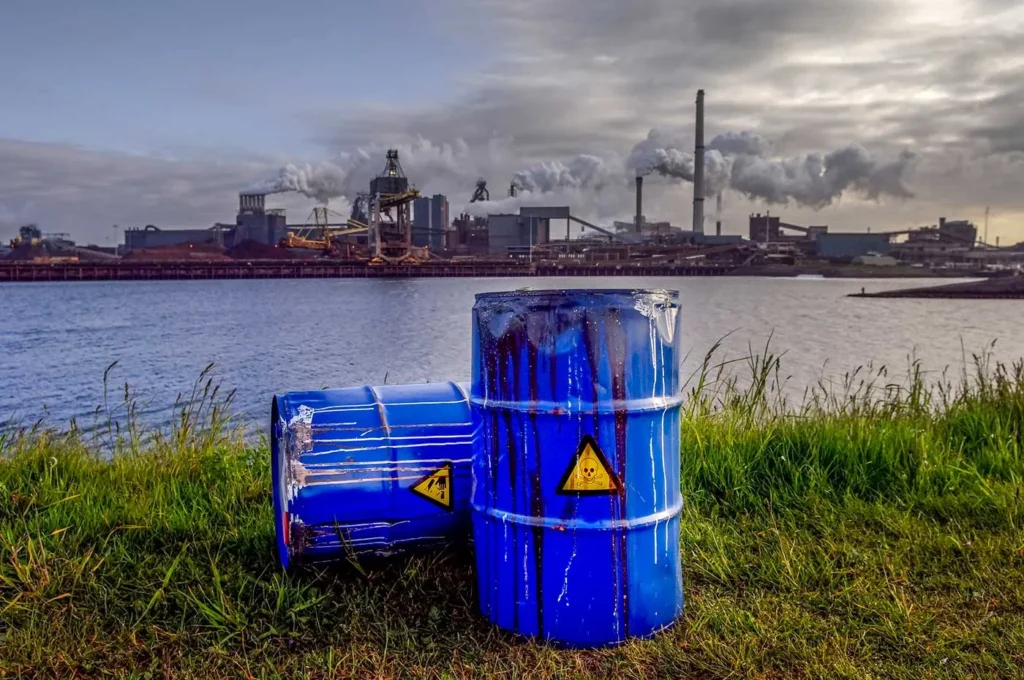
Chemical waste appears in many daily settings. Common sources include solvents, pesticides, paints, and cleaners. These materials can spread through air, soil, and water. Chemical exposure dangers grow with repeat contact. Skin breathing and focus issues may develop over time. Poor storage raises risk fast. Safe handling lowers hazardous waste health risks for families and workers.
Biological and Medical Waste
Biological waste includes needles, used bandages, and lab samples. These items may carry germs or harmful fluids. Contact can cause illness or injury. Children and pets face a higher risk when waste stays exposed. Secure containers matter here. Trained handling reduces the spread and limits hazardous waste health risks in shared spaces.
Radioactive Waste
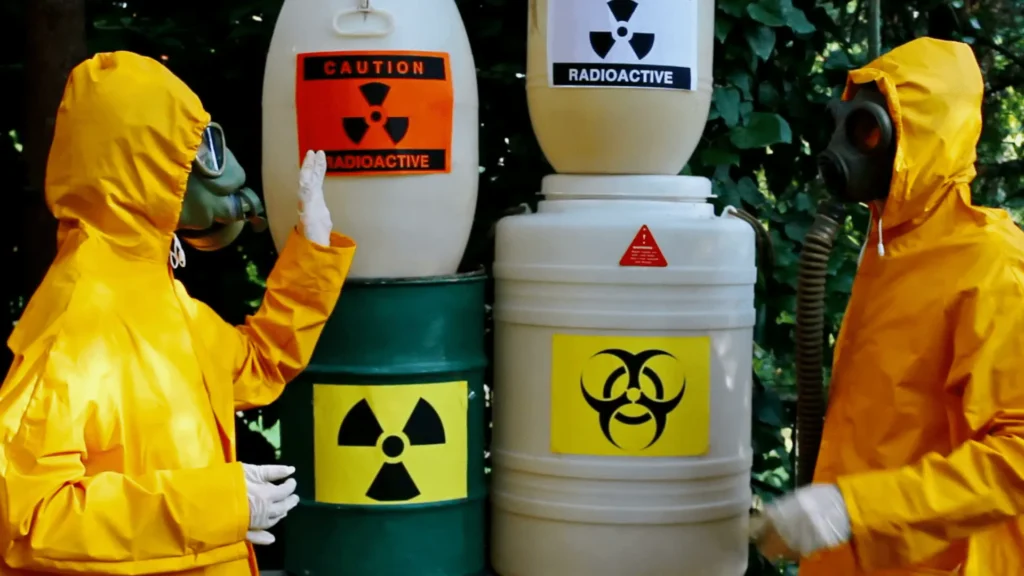
Radioactive waste comes from medical care and power work. Sources include medical isotopes, nuclear fuel, and used gear. Exposure can harm cells and long-term health. Chemical exposure dangers also apply in mixed waste zones. Only trained teams should manage this waste. Strict control protects people’s homes and the environment.
2. Immediate Health Effects of Toxic Exposure
Toxic waste exposure can affect health very quickly. Many people notice signs before knowing the cause. These effects often appear after short contact. Homes, schools, and jobs may all face risk. The toxic chemicals impact daily comfort and safety. Quick action matters to protect families. This section explains early health effects in clear terms. Awareness helps reduce community health hazards.
Short-Term Symptoms
Short-term symptoms often appear without warning. People may feel headaches or nausea. Some feel dizzy or weak. Skin irritation can occur after contact. Burns may form after strong exposure. Breathing trouble may also start. These signs show that toxic chemicals impact the body fast. Ignoring symptoms can raise risk. Early care helps limit harm.
Who Is Most Vulnerable
Some groups face greater danger from exposure. Children absorb toxins faster than adults. Elderly people may heal more slowly. People with chronic illness face added strain. Their bodies handle stress with difficulty. Toxic waste exposure can worsen existing issues. Families should watch these groups closely. Protection reduces community health hazards.
Why Early Response Matters
Fast response limits long-term damage. Leaving exposure unchecked raises health risk. Clean air and water reduce toxic chemicals impact. Medical checks help catch issues early. Clear action plans protect shared spaces. Communities that respond early stay safer. Awareness lowers fear and builds trust.
3. Long-Term Health Risks of Toxic Waste Exposure
Long-term harm often develops without clear warning signs. Toxic waste exposure may feel mild at first. Damage can grow after years of contact. People may not link illness to early exposure. This delay makes risk harder to track. Understanding long-term effects helps families act sooner. Partnering with the best junk removal services ensures hazardous or unwanted materials are handled safely.
Chronic Exposure Effects
Long-term chemical exposure can affect many body systems. Some people face cancer risk over time. Nerve damage may reduce movement or focus. Reproductive issues may appear later in life. Organ failure can follow years of contact. These outcomes show hazardous waste health risks clearly.
How Exposure Accumulates
Exposure builds slowly through daily contact. Toxins collect in food, water, and soil. This process is called buildup inside the body. Each contact adds a small risk over time, as harm increases. Long-term chemical exposure often starts through meals or drinking water. Clean sources help lower the buildup risk.
Why Long-Term Awareness Matters
Awareness supports early testing and action. Families can avoid risky areas. Clean habits help reduce contact. Community checks protect shared spaces. Understanding hazardous waste health risks builds trust and a calm response. Early steps reduce long-term harm. Informed people protect their future health better.
4. Environmental Impacts on Communities
Toxic waste exposure harms places where people share every day. Damage spreads across land, water, and air. Many signs appear slowly over time. Families may not notice early changes. Environmental contamination affects trust in local spaces. Farms, parks, and streets face shared risk. Early care protects jobs, homes, and health. Clear action helps communities stay stable and calm.
Soil Contamination
Soil absorbs toxins from spills and poor handling. Plants lose strength, and growth slows. Food crops take in harmful matter. This creates risk during meals. Environmental contamination in soil hurts gardens and farms. Children often play on unsafe ground. Testing soil helps find danger early. Clean land supports safe food and steady living.
Water Pollution
Water moves toxins far from source areas. Drinking water contamination threatens daily health. Wells, rivers, and lakes face risk. Fish and plants suffer harm. Environmental contamination in water spreads fast. Long use raises illness. Water tests protect families and wildlife. Early cleanup limits the spread and loss.
Air Pollution
Air carries toxins beyond waste sites. Chemical fumes affect breathing and comfort. Dust harms lungs and eyes. Air, water, and soil pollution raise shared risk. Long exposure harms work and rest. Clean air plans reduce illness and stress. Group action restores safer living spaces.
5. Preventing and Minimizing Exposure
Reducing risk starts with simple daily choices. Toxic waste exposure often grows through small habits. Many people do not notice danger at first. Clear steps help limit harm early. Learning toxic waste management tips builds safer routines. These actions protect health homes and work areas. Prevention works best when started early. Small effort brings strong protection for families and teams.
Safe Handling Practices
Safe handling lowers risk during work tasks. Protective gear guards skin, eyes, and lungs. Proper labels help avoid wrong use. Separate storage keeps harmful items away from people. Containers should stay sealed at all times. Training supports correct actions each day. These toxic waste management tips reduce errors and stress. Careful handling keeps work zones safer.
Household Safety Tips
Homes need care just like job sites. Avoid mixing chemicals during cleaning tasks. Store products away from food areas. Follow local rules for proper disposal. Use recycling programs when allowed by law. These steps help prevent chemical contamination indoors. Teach kids to avoid stored items. Simple habits protect daily living spaces.
Community Safety Actions
Communities also play a key role. Shared rules guide safe waste handling. Public bins help reduce illegal dumping. Clear signs warn people of danger areas. Local checks help spot issues early. Group effort helps prevent chemical contamination spread. Shared care builds trust and safety. Strong community action protects everyone over time.
6. Community and Regulatory Measures for Toxic Waste Exposure
Strict rules and shared action help reduce risk for everyone. Toxic waste exposure affects whole areas, not single homes. Laws and group effort work best together, especially when paired with affordable demolition services that follow safety and disposal standards. Environmental contamination grows when rules are weak. Clear systems protect health, land, and trust. Communities feel safer when action feels visible. This section explains how rules and people help lower risk.
Government Regulations
Government rules guide safe waste control. EPA guidelines set clear handling steps. Local hazardous waste laws support daily safety. These rules limit toxic waste exposure across regions. Inspections help find problems early. Fines push better behavior from violators. Clear rules reduce confusion and delay. Strong laws support lowering environmental contamination risk over time.
Community Awareness Programs
Community programs raise awareness and action. Education helps people spot danger signs. Clean up drives remove waste from shared land. Reporting unsafe disposal stops harm early. These efforts lower toxic waste exposure locally. School groups and leaders play key roles. Shared knowledge builds a faster response. Awareness reduces fear and guesswork.
Why Shared Action Matters
Rules alone cannot stop every risk. People must act with care daily. Community action supports rule success. Environmental contamination drops when everyone helps. Shared effort builds trust among neighbors. Clean areas support jobs, health, and growth. Long-term safety needs law and people together. This balance protects families and future spaces.
Conclusion
Toxic waste creates a serious risk for people and nature. Health problems may start small and then grow worse. Air, soil, and water all suffer harm. Families often miss early warning signs. Long-term damage affects work, schools, and food sources. Junk People LLC helps communities manage hazardous materials safely, reducing local exposure risks. Toxic waste exposure can weaken trust in local spaces. Awareness helps people notice danger sooner. Knowledge supports calm and informed choices.
Prevention remains the strongest form of protection. Safe handling lowers daily risk. Proper storage reduces accidents. Correct disposal stops the spread into land and water. Community rules support safer behavior. Shared effort limits harm for everyone. Clean habits protect children, elders, and workers. Responsible action today prevents lasting damage tomorrow.
Clear guidance helps families feel prepared. Learning safe steps builds confidence and control. Support exists through rules and local programs. Experts help manage complex waste issues. Protect your family and community, learn safe handling and disposal of toxic waste today.
FAQs
Toxic waste includes chemical, medical, and radioactive waste. Chemical waste comes from factories and homes. Medical waste comes from care sites. Radioactive waste comes from energy and health work. Each type needs special handling to avoid harm.
Toxic waste exposure can harm the body over time. Short-term effects include skin pain and breathing trouble. Long-term effects include nerve damage and organ failure. Risk grows with repeat contact. Early care helps reduce lasting harm.
Yes, toxic chemicals can move far. Wind spreads fumes through the air. Water carries waste through soil and streams. Food can absorb toxins from the land. This spread raises the risk for nearby and distant areas.
Families should store chemicals safely. Avoid mixing cleaners at home. Follow disposal rules for waste items. Teach children to avoid unknown materials. Use local recycling programs when allowed. These steps lower daily risk.
Communities can enforce waste laws. Education programs raise awareness. Clean up drives remove danger. Reporting unsafe dumping helps take fast action. Shared effort reduces environmental contamination and protects health.