
A messy yard can lower your home value fast. Piles of leaves and broken branches look bad and feel stressful. Our yard cleanup and removal service helps clear the mess without high costs or long delays. You get fast help from a local team that works with care. Now let’s see how a clean yard can make your outdoor space feel open, safe, and easy to enjoy again for your family and guests today.
Overgrown grass and yard waste can attract bugs and create safety risks. You might notice your space feels smaller and harder to manage. Our team handles lawn cleanup and debris removal with simple and reliable service. We remove clutter, haul away waste, and leave your yard neat and fresh. From small jobs to large cleanups, we help homeowners save time and avoid stress during every season with quick support and fair pricing options.
When Overgrown Yards Start Affecting Daily Living Comfort
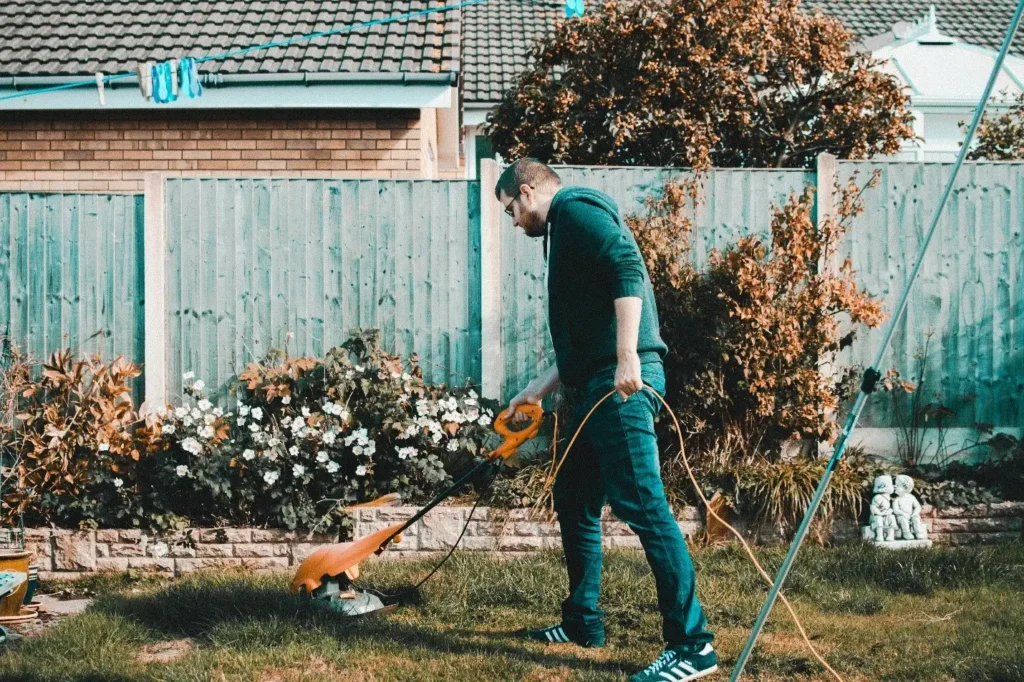
Many homeowners stop using their yard when the space gets too crowded. Tall grass and fallen branches can block walkways and make simple tasks harder. Kids may avoid playing outside, and guests may feel uneasy near the entrance. You might even search for a yard cleanup service near me after feeling tired of looking at the growing mess each day around your home.
Now, let’s see how daily comfort slowly changes with outdoor clutter. A garden once used for quiet mornings may become hard to enter. Wet leaves and scattered trash can create stress during busy weeks. Lawn cleanup and debris removal often become urgent when the yard feels unsafe or too difficult to manage. Some families even delay gatherings until a full yard cleanup service restores the space.
Why Outdoor Spaces Become Unusable Faster Than Expected
Outdoor areas can change quickly within a few weeks of neglect. Rain and heat speed up weed spread and plant growth. Fallen leaves trap moisture and damage grass beneath the surface. Many homeowners delay basic care during busy months and then face larger problems later. A yard waste removal service often becomes necessary after storms or long dry periods leave branches, dirt, and dead plants across the property, along with rusted gate removal.
Growth patterns are often more aggressive than expected during seasonal changes. A small patch of weeds can cover garden edges within one month. One homeowner ignored a side path during spring and later found the walkway fully blocked by thick brush. Seasonal yard cleanup service plans help reduce these sudden changes. Many people also use professional yard cleanup and removal service near me searches after outdoor furniture and play areas become hard to access safely.
What Happens Inside A Professional Cleanup Operation Team
Most homeowners only see the final clean yard after the work ends. Behind the scenes, each crew follows a planned system before any tools start running. Teams study the property layout, safety risks, and waste volume first. This process helps avoid delays and missed areas. A yard cleanup and removal service often works faster because each worker already knows their role before the project begins.
Initial Yard Scanning And Workload Mapping
Before cleanup starts, the crew checks every part of the property carefully. They inspect overgrown corners, damaged fences, and blocked walking paths. One family had hidden storm debris behind a storage shed for months without knowing it. The team marked that area first to prevent injury risks. This early review also helps estimate hauling needs during lawn cleanup and debris removal projects on larger residential lots.
Task Division Among Cleanup Crew Members
After the inspection, each worker receives a separate task area. One group handles heavy branches while another clears leaves and small waste piles. A residential debris removal service often divides labor this way to save time and reduce confusion. In one cleanup case, two workers focused only on loading trailers while others restored garden paths and outdoor seating areas for safer daily use.
Different Types Of Yard Waste And Their Handling Rules
Yard waste falls into several groups, and each needs different handling methods. Soft plant waste breaks down faster, while heavy materials need separate hauling plans. Many cleanup crews sort waste before loading trucks to avoid damage and disposal issues. A yard waste removal service often separates items based on weight, moisture level, and disposal safety requirements.
Organic Waste Processing Methods
Organic waste includes leaves, grass, weeds, and small branches. These materials break down naturally and are often sent for compost use. Wet leaf piles need faster removal because they trap moisture and attract insects. Garden debris removal service teams usually keep plant waste separate from soil, rocks, and plastic materials during loading and transport.
Heavy Waste Handling And Separation Logic
Heavy waste includes tree limbs, broken furniture, bricks, and damaged fencing pieces. These items require stronger lifting tools and separate hauling space. One cleanup crew found hidden concrete blocks under thick grass near a driveway edge.

Equipment Flow That Speeds Up Large Yard Restoration Jobs
Crews do not bring every machine at once. Each stage prepares the yard for the next process. This method reduces fuel use, saves labor time, and keeps the property safer during heavy clearing. Many homeowners searching for a professional yard cleanup and removal service near them expect faster results without damage to fences, walkways, or garden areas, along with rusted gate curb appeal.
- Crews begin with brush-cutting machines to open blocked paths and expose hidden waste areas safely.
- Air blowers follow next to move dry leaves and light debris into central collection zones.
- One property had thick weeds hiding broken wood near a children’s play area for several months.
- After surface clearing, the loading equipment removes large branches, damaged furniture, and soaked yard waste piles.
- Compact hauling trailers arrive later to avoid blocking access during the early cleanup stages.
- Soil leveling tools are used near the end once heavy debris leaves the property completely.
- A full yard cleanup service often works faster when machine movement follows a fixed cleanup sequence.
- Many homeowners search for a yard cleanup service near them after failed weekend cleanup attempts become too large to manage alone.
How Pricing Models Change Based On Yard Conditions
Cleanup pricing often changes based on yard size, waste volume, and access difficulty. Thick overgrowth usually increases labor time because crews must clear paths before removal work begins. Wet debris also adds weight, which affects hauling costs. One homeowner paid more after hidden concrete and tree roots slowed equipment movement. The cost of full yard cleanup and removal service often depends more on yard condition than property size alone.
Light grass clippings cost less to remove than broken fencing or soaked wood piles. An affordable yard cleanup service for overgrown yards may still charge extra for emergency access or heavy lifting needs. Yard waste removal service teams also review slope conditions, blocked gates, and cleanup urgency before giving a final project estimate for residential properties.
Safety Hazards Hidden Inside Untreated Outdoor Areas
Untreated yards can create serious safety problems within a short time. Hidden debris, wet surfaces, and thick growth often increase injury risks around homes. Many dangers stay unnoticed until someone trips, falls, or finds pest activity near entry points. A residential debris removal service usually identifies these hidden problems during inspections before they become larger health or property concerns for families and nearby outdoor spaces.
- Tall grass and damp leaf piles often attract snakes, rats, and biting insects near walkways.
- One homeowner found a broken glass pile hidden under weeds beside a backyard seating area.
- Loose branches can fall during storms and damage parked vehicles or nearby outdoor furniture.
- Mold growth spreads faster when wet debris blocks airflow around fences, decks, and storage spaces.
- Lawn cleanup and debris removal help reduce slippery surfaces caused by soaked leaves and mud buildup.
- Sharp metal scraps and damaged wood pieces can injure children playing in overgrown side yards.
- Fire risk increases when dry brush and dead plants collect near outdoor grills or power units.
- Many people search for a yard cleanup service near me after blocked exits create emergency access concerns during heavy rain or strong winds.
How Seasonal Shifts Change Cleanup Requirements Entirely
Monsoon And Rainy Season Yard Buildup Behavior
Rainy months create faster yard buildup because moisture increases plant spread and waste decay. Wet leaves collect near drains and often block water flow around walkways and patios. One homeowner noticed standing water beside the garage after only two weeks of heavy rain. Seasonal yard cleanup service plans during wet periods usually focus on drainage, clearing mud, control, and removal of soaked organic waste before mold spreads further.
Dry Season Fire Risk Cleanup Requirements
Dry weather changes cleanup priorities because dead grass and brittle branches become fire hazards quickly. Wind can push dry debris toward fences, storage sheds, and outdoor cooking areas. A property owner once ignored dry brush near an air unit and later faced smoke damage from a small spark. Outdoor cleanup and hauling service teams often remove flammable waste first during heat waves to lower outdoor safety risks around homes, along with remove rusted frame.
Step Framework Used During Full Property Cleanup Jobs
A yard cleanup and removal service usually works through planned stages that track waste volume, safety risks, and disposal needs. This structure helps crews manage time better during complex residential cleanup projects with heavy debris or overgrown outdoor sections.
Step 1: Request Intake And Scheduling
The process starts with property details and workload estimates. Teams review access points, waste type, and project urgency before setting the service date.
Step 2: Site Inspection And Load Assessment
Crew leaders inspect yard conditions and measure debris volume. One property had hidden concrete waste beneath thick grass, which changed hauling plans completely.
Step 3: Workforce And Equipment Allocation
Labor teams and machines are assigned based on cleanup difficulty. A full yard cleanup service often needs separate crews for heavy lifting, brush cutting, and hauling operations.
Step 4: Cleanup Execution And Hauling
Workers clear waste in planned sections to prevent repeated movement across the property. Trucks remove sorted debris after each area reaches clearance standards.
Step 5: Disposal Confirmation And Closure Report
The final stage includes disposal tracking and property review checks. Many homeowners searching for a professional yard cleanup and removal service near me expect proof that waste removal and final inspection tasks were completed correctly before project closure.
Restoring Outdoor Spaces Back Into Usable Condition Again
A clean outdoor area often changes how families use their home each day. Open walkways, trimmed grass, and cleared seating areas create a safer and calmer space. One homeowner stopped using the backyard after storm debris covered the garden for months. After lawn cleanup and debris removal, the same area became usable again for family dinners and weekend gatherings without safety concerns or blocked movement around the property.
Long-neglected yards can slowly return to a more practical and welcoming condition with proper care. Cleared spaces improve daily comfort and reduce stress caused by outdoor clutter and hidden hazards. A residential debris removal service also helps homeowners regain storage access, parking space, and safer entry paths, along with Junk People LLC. Many people wait too long before fixing outdoor buildup. Small cleanup decisions made early often prevent larger property problems later.
FAQS
Cleanup costs usually depend on yard size, waste volume, access difficulty, and disposal type. Heavy debris and overgrown areas often increase labor and hauling time.
Most residential cleanup jobs finish within one day. Larger properties with thick overgrowth, storm debris, or blocked access areas may require additional work time.
Many crews handle dense grass, weed buildup, fallen branches, and neglected outdoor spaces. Equipment selection usually changes based on property condition and safety concerns.
Emergency cleanup is often available after strong winds, heavy rain, or fallen tree damage. Fast removal helps restore safe access around outdoor living areas.
Homeowners usually remove personal items, outdoor toys, and fragile decorations first. Clear access paths also help crews move equipment and haul trailers safely.