
People rush when they plan swimming pool removal from their yard. They often want fast work and low cost. They forget permits, engineering drainage, and soil compaction needs. A backyard pool removal project also affects future land use. Small planning mistakes start early and later create costly problems for the property and safety over time. Experts suggest careful planning before any work begins today.
Many projects fail because pool demolition mistakes are ignored during the early stages. Homeowners focus on cost only and skip technical steps. Permits, drainage, and soil stability are often missed in backyard pool removal planning. A pool removal contractor checks ground safety before digging starts. Without expert help, a fill process or full removal can become risky and expensive. Proper planning reduces future repair costs significantly.
Why Pool Removal Projects Often Go Wrong Before Work Starts
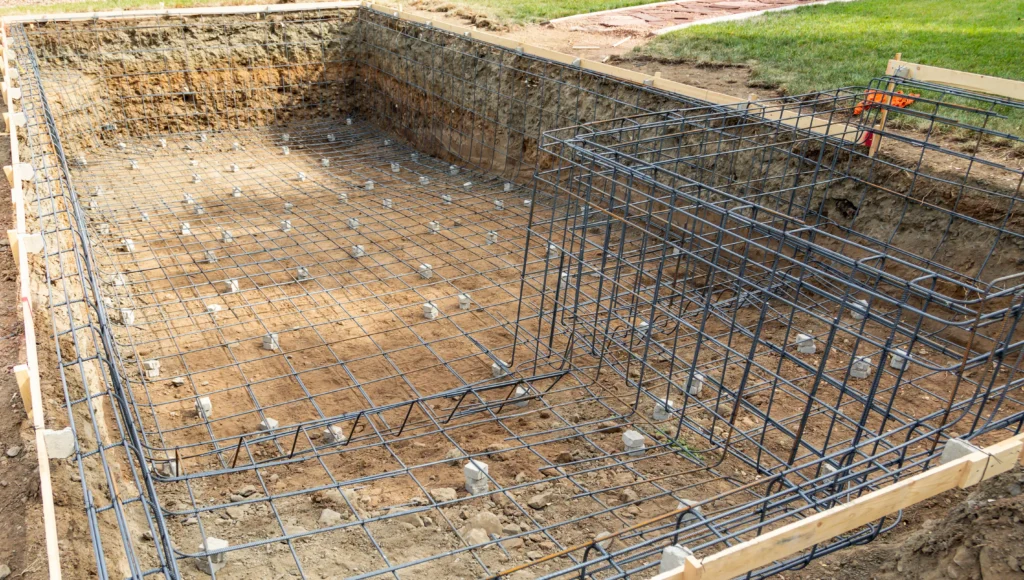
Many homeowners think swimming pool removal is simple. They expect quick digging and clean land. This view often leads to poor planning. The truth is, each pool has a different structure depth, and soil needs. A small backyard pool removal project can turn complex when these details are ignored from the start.
Most pool demolition mistakes happen before work begins. People skip research when hiring a contractor or checking local rules. One homeowner once faced delays because permits were not checked in advance. Another case showed extra cost after assuming all pools need the same method. Trusted experts often suggest early inspection and proper planning to avoid costly issues later.Before demolition begins, many contractors also recommend arranging a construction debris removal service so broken concrete and other building materials can be cleared efficiently after excavation.
Choosing the Cheapest Bid Can Become the Most Expensive Decision
Many homeowners focus only on the lowest price when planning swimming pool removal. This often leads to poor results and extra expenses later. A very low pool removal cost may look attractive at first but can hide serious risks in work quality safety, and long-term land stability after completion.
Key Risks and Considerations
- Low cost contractors cutting corners
Some teams rush work and skip proper soil compaction or safety steps. - Hidden costs appearing later
Extra charges may come for debris hauling permits or site correction. - Lack of insurance or experience
Uninsured workers increase risk of damage or liability for the homeowner. - Poor quality fill materials
Weak fill soil can sink over time and create yard issues.
Trusted pool removal contractor services are often recommended because they follow proper standards and reduce pool demolition mistakes that lead to costly repairs later.
The Permit Mistake That Delays Entire Projects
Many swimming pool demolition projects face delays before work even begins. Homeowners often assume permits are not required. This misunderstanding leads to stopped work and added costs. Rules for pool demolition permits are different in each area and must be checked before any backyard work starts to avoid serious issues.
Key Permit Considerations
- Permit rules vary by city
Each location has different approval steps for pool removal work. - Unpermitted demolition risks
Work without approval may be stopped and require full correction later. - Inspection requirements
Officials may inspect drainage and safety before and after work. - Fines and property issues
Ignoring permits can lead to penalties and future sale complications.
Trusted experts in swimming pool demolition often handle permits before starting work. This approach helps prevent delays and avoids common pool demolition mistakes that create unexpected legal and financial problems for homeowners later.
Partial vs Complete Removal: Understanding the Difference Before You Commit
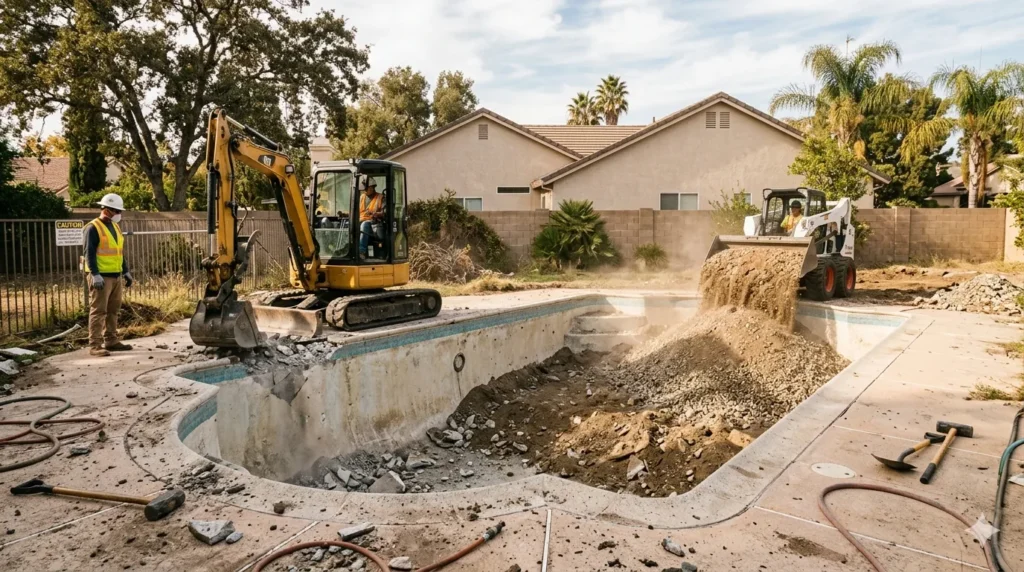
Many homeowners get confused when choosing between removal options. A partial pool removal means breaking the structure and filling it in. A complete pool removal means full excavation and full debris removal. This choice affects future land use and the long-term stability of the yard after swimming pool removal work is done.
Partial Pool Removal
Partial pool removal leaves parts of the structure underground. It costs less and is faster. One homeowner chose this option to save money but later faced settling soil in the backyard.
Complete Pool Removal
Complete pool removal removes all materials and restores full ground depth. It is more expensive but safer for resale. Buyers often prefer fully cleared land.
Cost Differences
Partial removal has a lower upfront cost. Complete removal requires more labor and disposal effort.
Long-Term Impact
Partial removal may cause future ground sinking. Complete removal offers stronger long-term stability and fewer pool demolition mistakes during property resale planning.
Ignoring Soil Compaction Creates Problems You Can’t See Immediately
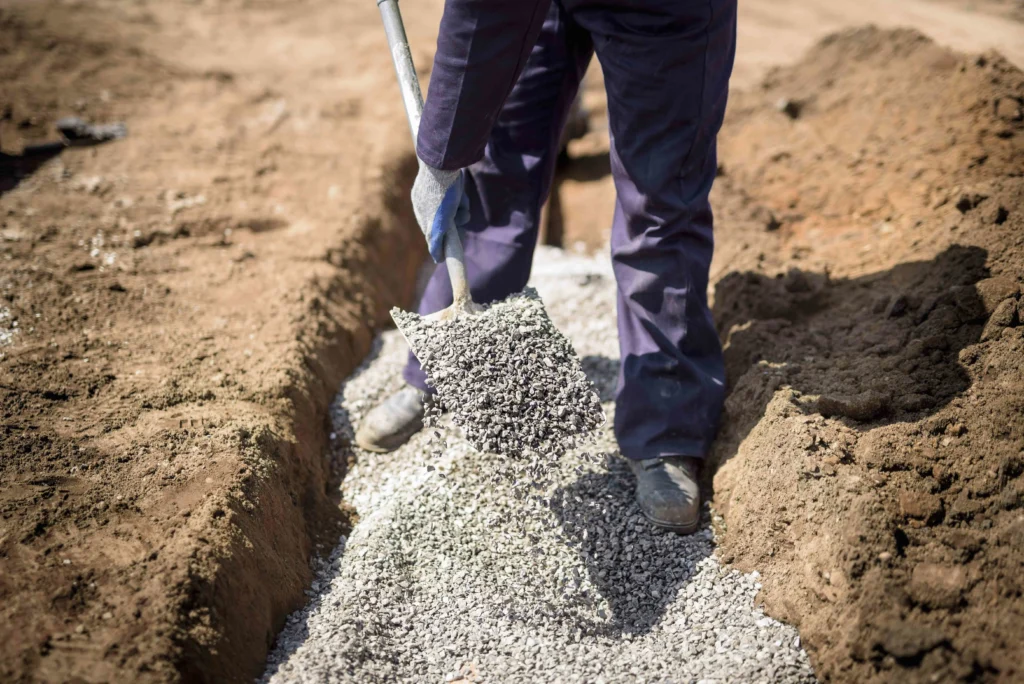
Many homeowners think swimming pool removal ends when the hole is filled. The real risk begins after that stage. Poor soil compaction during the pool fill-in process can stay hidden for months. Over time, it creates ground shifts that affect safety and property value without early warning signs.
Common Problems From Poor Soil Compaction
Settlement issues
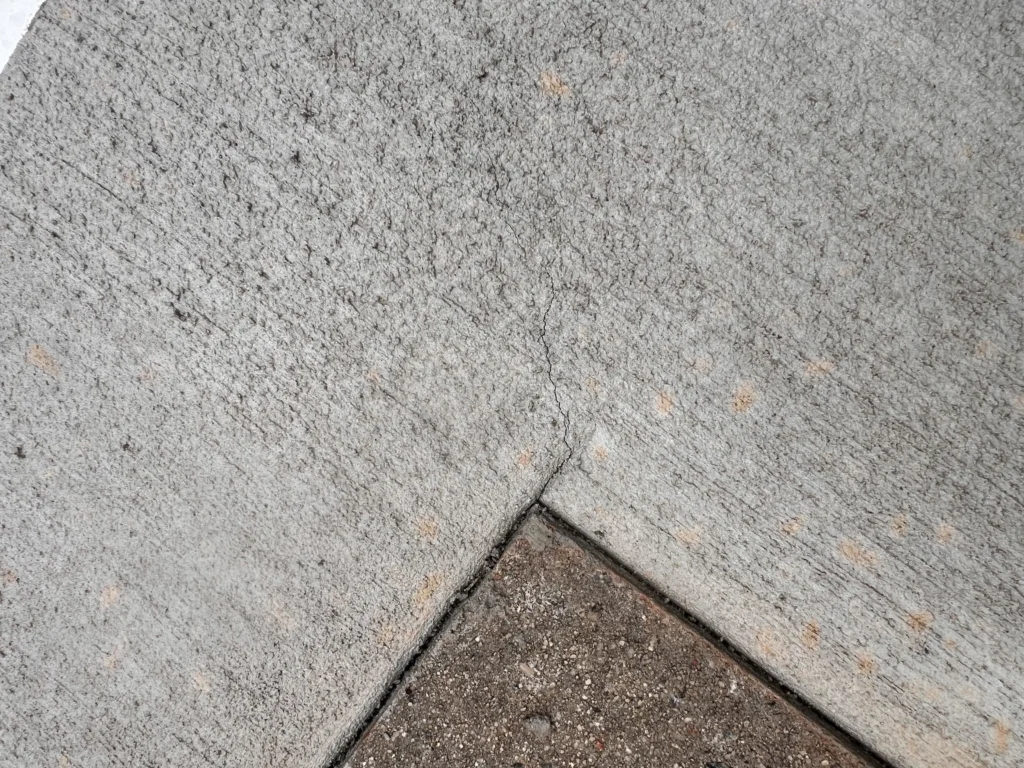
Loose soil sinks over time. One homeowner saw a patio crack months after backyard pool removal.
Uneven landscaping
Lawns may develop dips and slopes. This makes mowing and drainage difficult.
Foundation and drainage concerns
Water can collect near structures. A case showed rainwater pooling near a home wall after improper fill.
Importance of proper backfilling
Soil must be layered and compacted correctly to avoid long-term movement.
Engineering standards
Proper swimming pool removal follows strict compaction rules. Trusted professionals often recommend soil testing to prevent future ground failure and costly repairs.
Overlooking Drainage Planning Can Ruin Your Backyard
Many homeowners focus only on removing the pool shell and forget water flow planning. After backyard pool removal, the ground often settles unevenly. Without drainage control, rainwater starts collecting in low spots. This creates long-term yard damage that appears slowly and becomes costly to fix later.
Poor drainage after pool removal often leads to water accumulation near filled areas. One homeowner noticed repeated flooding after storms because the land was not graded correctly. This also caused erosion, where soil slowly washed away. Plants failed to grow, and the lawn became patchy. Proper grading techniques help guide water away from the yard and protect landscape stability. Experienced experts often recommend checking slope direction before finishing any project to avoid long-term drainage issues.
Why DIY Pool Demolition Often Ends Badly
Many homeowners think swimming pool demolition is simple. They try to save money by doing it alone. This often leads to mistakes that appear during work. DIY pool demolition can quickly become unsafe when heavy structures and underground risks are not fully understood before starting the project.
Equipment Challenges
- Most homeowners lack the heavy machines needed for demolition work
- Breaking concrete requires strong and specialized tools
- One homeowner rented equipment, but still could not complete the job safely
Safety Hazards
Sharp debris and unstable walls can cause injury. A case showed a homeowner getting hurt while removing broken pool edges.
Disposal Regulations
Debris must follow local rules. Many people face fines because they dump waste without approval.
Structural Risks
- Incorrect braking can damage nearby soil and yard areas
- Cracks may spread beyond the pool boundary
- Poor handling can weaken ground stability around the property
Hidden Utility Lines
Water and electrical lines may run underground. Hitting them can cause serious danger and repair costs. Trusted experts often handle swimming pool demolition to avoid these risks safely.
Homeowners Forget About Utility Lines
Many homeowners focus only on breaking the pool surface. They forget what is buried underground. During swimming pool removal, hidden utility lines can create serious danger if they are not checked before digging starts. This often leads to delays and unexpected repair costs during pool demolition preparation work.
Gas lines, electrical systems, and water connections often run near old pool structures. One homeowner once hit an irrigation pipe while digging, which flooded the yard. Utility locating services help identify these risks before work begins. Trusted experts always check underground maps and mark lines clearly. This reduces accidents and ensures safe removal without damage to surrounding systems or property areas.
Poor Debris Disposal Creates Unexpected Legal Issues
Many homeowners focus only on breaking and removing a pool. They forget that leftover materials must follow strict rules. During swimming pool demolition, improper handling of debris can lead to fines and delays. Pool demolition waste removal must follow approved disposal steps to avoid long-term legal and environmental issues.During complete site restoration, yard debris removal is often performed alongside pool debris cleanup to prepare the backyard for landscaping and future use.
Key Issues With Poor Debris Disposal
- Concrete disposal requirements
Old concrete must go to approved sites. One homeowner faced extra costs after dumping debris in an unapproved area. - Recycling opportunities
Some materials can be reused. Missing this option increases waste and cost. - Environmental regulations
Local rules control how pool waste is handled. Ignoring them can stop the project. - Illegal dumping consequences
Dumping debris in open land can lead to fines. A case showed penalties issued after unauthorized disposal was reported.
Professionals in swimming pool demolition often handle disposal correctly to ensure compliance and prevent legal problems for homeowners.
Landscaping Decisions Made Too Early Can Backfire
Many homeowners rush into yard design right after backyard pool removal. In some backyards, limited access caused by damaged gates can delay landscaping work, which is why following a rusted gate removal guide before starting restoration may improve equipment access.They want a finished look quickly. This often leads to mistakes because the soil is still settling. Early planting or hardscape work can shift later and create uneven surfaces that need costly repair and rework.
Landscaping after pool removal should wait until the ground stabilizes. One homeowner installed a patio too soon and later saw cracks forming as soil settled. Future yard design plans should consider drainage and slope changes. Trusted experts often recommend waiting before final landscaping to avoid extra costs and ensure long-term yard stability.
Resale Value Mistakes Homeowners Discover Too Late
Many homeowners focus only on removing a pool and forget the future sale impact. After complete pool removal, missing records or poor documentation can create problems during buyer checks. These issues often appear later when selling the home and can reduce trust and final property value.
Common Resale Mistakes
- Documentation importance
Missing records can confuse buyers. One seller had delays due to no proof of past work. - Permit records
Lost permits may raise inspection questions during resale review. - Disclosure requirements
Buyers must be informed about past pool work to avoid legal issues. - Impact on future buyers
Unclear history can reduce buyer confidence and lower offers. - Maintaining property value
Proper records and planning help protect property resale after pool removal and support smoother sales in the future.
Signs Your Pool Removal Contractor May Be Cutting Corners
Many homeowners trust low bids without checking details. This often leads to problems during swimming pool removal. A poor pool removal contractor may skip safety steps or ignore local rules. These issues can create delays, damage, and extra costs that appear after work has already started on the property.If the backyard also contains years of accumulated junk or neglected materials, a hoarder clean out service may be needed before the pool removal crew can safely begin work.
No written contract
Work terms are unclear. One homeowner faced disputes after a verbal agreement only.
No permit discussion
Contractors should explain permits before starting work. Silence is a red flag.
Unrealistically low estimates
Very cheap quotes often hide missing work or poor methods.
Lack of references
No past work examples can show inexperience.
Missing insurance documentation
Without coverage, homeowners may face liability risks during swimming pool removal projects. Trusted professionals always provide clear documents and follow proper standards.
Smart Questions to Ask Before Signing a Pool Removal Contract
Many homeowners rush into a pool demolition project without asking key questions. This often leads to confusion later. A clear discussion with a pool removal contractor helps set expectations and reduces risk.If old patio furniture, storage cabinets, or outdoor fixtures block access to the pool area, ask whether a furniture removal service is available before demolition begins. Asking the right questions also helps avoid delays and extra costs during work on your property.
Key Questions to Ask
- Permit responsibilities
Who handles permits for the swimming pool removal process?
One homeowner faced delays when permits were not clearly assigned. - Fill material details
What type of soil or material will be used for backfilling? - Compaction procedures
How will the ground be compacted to prevent future sinking - Timeline expectations
How long will each stage of the pool demolition project take - Warranty options
Is there any guarantee for ground settling or site stability after completion
Final Thoughts on Avoiding Costly Pool Removal Mistakes
Most swimming pool removal problems start with poor planning. Homeowners often rush the process and miss key steps. This leads to pool demolition mistakes that could have been avoided with better preparation and clear decisions from the beginning of the project. Junk Removal LLC can help ensure the process is handled properly from start to finish.
Good results depend more on quality work than fast work. Proper permits, compaction, and soil checks protect long-term property value. An experienced pool removal contractor helps reduce risks and ensures safer results. It is often recommended to compare options and ask clear questions before starting any removal work. Homeowners who plan carefully avoid future repair costs and land issues. Trusted professionals help guide each step of the process for safer and more stable outcomes over time.
Frequently Asked Questions
Most swimming pool removal projects take three to seven days. Time depends on pool size, soil type, access space, and permit approval delays.
Complete removal is often safer for resale and long-term stability. Partial removal costs less but may lead to settling issues later.
Yes, in many areas. Pool demolition permits depend on local rules and must be approved before work starts to avoid delays or fines.
Yes, but only after proper compaction and inspection. Weak soil can cause sinking or structural problems over time if not prepared correctly.
Costs vary by size, method, and access. Simple removals cost less while complex projects with full excavation cost significantly more.