
An old hot tub is large and awkward. It also contains many connected materials. That mix makes normal disposal hard and often wasteful. Hot tub recycling offers a better route when local services accept the parts. Workers can separate metals and equipment from the shell. Usable items may also avoid disposal.
Hot tub recycling does not mean every piece becomes a new product. Shells and insulation can present real limits. Yet pumps and motors may have another use. Metals and some plastics may enter separate recovery streams. This guide explains seven ways recycling cuts waste. It also covers preparation and dismantling. You will learn how to compare local options and choose a sound removal plan. It also shows when reuse is better than material recovery.
Seven Ways Hot Tub Recycling Reduces Environmental Waste
A spa contains several material groups. Sorting gives each group a suitable route. That decision should follow condition and local acceptance rules. For units that cannot be recovered through recycling, hot tub disposal may provide a practical alternative when local disposal options are limited.
1. Recover Valuable Metals Instead of Sending Them Away
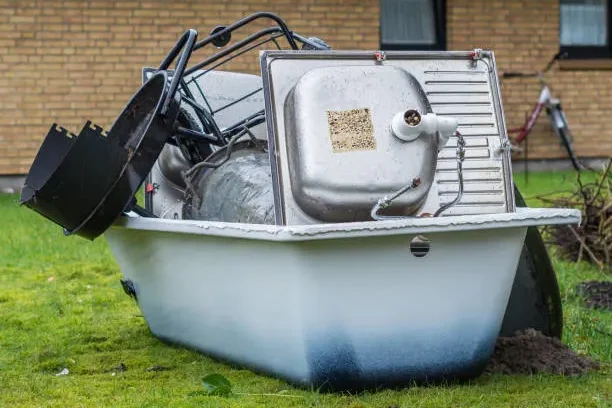
Frames may contain steel or aluminum. Wiring may include copper. Scrap facilities can sort these metals. Recovery keeps useful material out of mixed waste.
2. Give Pumps and Motors a Useful Second Life
Working pumps and motors may suit repair or resale. Damaged units may still enter an accepted scrap stream. Condition should guide the choice.
3. Separate Electrical Parts for Responsible Processing
Controls contain metals and mixed electronic parts. They need a suitable local route. The EPA recommends responsible electronics recycling through suitable programs.
4. Keep Reusable Plastic Components Out of Landfills
Pipes and fittings use several plastic types. Clean pieces may have a recovery route. Confirm accepted resin types and sizes first.
5. Reduce the Volume of Hot Tub Waste Needing Disposal
Dismantling turns one bulky unit into sorted groups. Recovered metal and equipment leave less waste. Rejected shells and insulation may remain.
6. Create Opportunities to Reuse Working Spa Components
Reuse keeps sound parts in service. Covers and controls may help another owner. Steps and handrails may also remain useful.
7. Make the End of a Spa More Environmentally Responsible
Good spa recycling combines reuse with sorting and proper disposal. Useful parts stay working. Accepted materials enter recovery. Remaining waste reaches an approved site.
Why an Old Hot Tub Creates More Waste Than Expected
A hot tub combines a shell with insulation and plumbing. Cabinets and wiring add more material. These parts cannot share one recycling stream. Hot tub material recycling starts with sorting each group. The complete unit also takes considerable space during transport and disposal.
What Parts of a Hot Tub Can Actually Be Recycled
Metal frames often offer the clearest recovery option. Wiring and hardware may also have value. Pumps may suit reuse or scrap processing. Controls can qualify for electronics collection.
Some clean plastic components may be accepted. Fiberglass shells and acrylic materials are harder to process. A recycling center may accept several parts but reject the complete tub. Clean separation improves the chance that accepted materials remain usable. Local programs may group similar items under different names.
Understanding the Fiberglass and Acrylic Shell Challenge
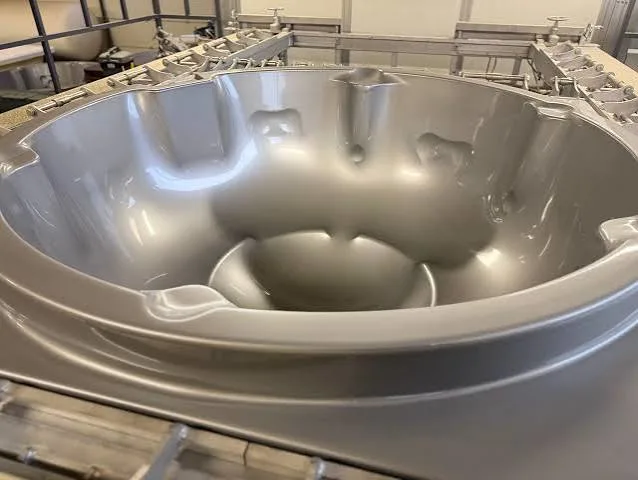
The shell is often the hardest part of old hot tub disposal. Acrylic can bond with fiberglass layers. This mixed composite rarely suits standard plastic programs.
Specialist processors may accept some shells. Breaking a shell only changes its size. Dust and bonded layers also make casual processing less suitable. Confirm acceptance before cutting or transport begins.
How Dismantling Turns One Spa Into Recyclable Materials
Hot tub dismantling follows a planned order. Drainage and safe power removal come first. Equipment and panels can then be separated. This order protects equipment and reduces unwanted mixing during removal.
Separate Equipment Before Breaking Down the Main Shell
Workers remove pumps and motors before handling the shell. Heaters and controls follow. Early sorting protects useful parts and keeps material groups separate.
Prepare the Shell for the Correct End Destination
The receiving site determines shell preparation. Cutting can create dust and sharp edges. Proper tools and protective gear are needed.
Prepare Your Old Hot Tub Before Recycling Begins
Drain the spa before pickup. Shut off power at the correct disconnect. Hardwired units may need a qualified electrician. Clear the access path.
Set aside the hot tub cover and removable steps. Tell the crew about leaks. Measure gates before arrival and report any blocked stairs early. Good access planning helps protect nearby walls and decking. Mark any part you hope to reuse.
Find the Right Recycling Center for Your Old Spa
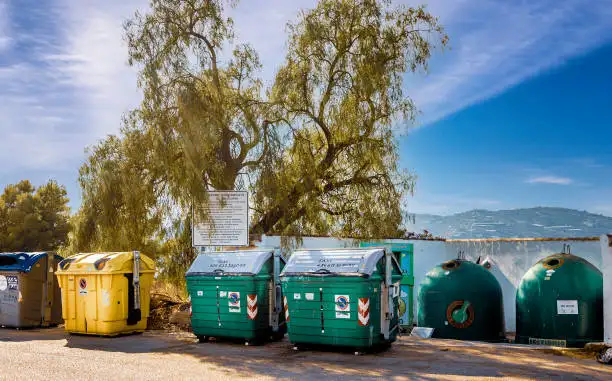
Search for facilities by material. Ask separately about metals and controls. Confirm shell acceptance plus fees and size rules before transport. Written approval can prevent confusion once a large shell arrives. Scrap yards and electronics programs offer other routes. Dealers may have takeback options. Hoarder cleanup services are more relevant when a hot tub is part of a much larger property cleanup involving extensive clutter or accumulated waste.
Scrap yards and electronics programs offer other routes. Dealers may have takeback options. Hot tub removal services can manage several destinations.
Seven Benefits of Choosing Recycling Over Disposal
Results depend on local options. These seven benefits show the practical value:
- Less material enters a landfill as one mixed load
- Recoverable metals can join established scrap streams
- Working equipment remains available for repair or reuse
- Electrical parts receive more suitable handling
- Sorted materials make final disposal easier to plan
- Large spa structures create less mixed waste
- Each component follows a more responsible route
Sorting before hauling protects available recovery options.
Recycling Versus Disposal: Which Option Is Greener?
Condition and local access shape the best choice.
| Option | Material recovery | Environmental benefit | Homeowner effort | Best use |
| Recycling | High when parts are accepted | Higher | Moderate | Sorted materials |
| Reuse or resale | Very high | Highest when practical | Moderate | Working tubs and parts |
| Professional removal | Depends on the provider | Varies | Low | Heavy or blocked units |
| Traditional disposal | Low | Lowest | Low to moderate | Parts with no recovery route |
Reuse often comes first for a safe spa. The EPA waste hierarchy places reuse above recycling. Rejected composites may still need disposal.
What Happens to a Hot Tub After It Gets Recycled
Metals may enter scrap processing. Accepted controls follow an electronics route. Useful equipment may enter repair or resale channels.
Shell material follows another path. A specialist may process accepted composites. Otherwise, the shell requires disposal. Each processor handles the material covered by its service. Recycling does not mean every piece becomes new material.
When Reusing or Donating a Hot Tub Beats Recycling
Keeping a working spa intact can prevent more waste. Resale or donation may suit a sound unit. Dealer trade-in programs offer another path.
Leaks and damaged wiring can remove practical value. A technician should confirm safe operation before any transfer occurs. Confirm safe transport and installation. Never pass along hidden faults.
When Professional Hot Tub Recycling Services Make Sense
Professional help suits heavy tubs and tight access. It also helps with deck installations and hardwired systems. Early planning can prevent rushed lifting and avoidable damage. Photos and measurements help the provider plan labor and access. For properties where the removal project includes multiple bulky household items, old furniture hauling may also be needed to handle large furnishings alongside the spa.
What to Ask Before Hiring a Recycling Service
Ask about material separation and shell disposal. Confirm who handles electrical work. A clear quote should explain fees and recovery limits.
Signs a Removal Company May Not Recycle Your Spa
Vague destination claims deserve questions. Be wary when every part is called recyclable. A sound provider explains recovery and remaining waste.
Avoid These Common Mistakes During Hot Tub Recycling
Do not move a full tub without enough help. Never ignore hardwired power. Avoid cutting before confirming facility rules. Keep sorted materials apart. Save reusable controls and pumps. Photograph model labels. Loose debris should remain contained throughout loading and transport work. Call each destination first. This step can prevent a rejected load. If the property also contains unwanted bulky furnishings, furniture disposal services can help keep those materials separate from recyclable spa components.
Save reusable controls and pumps. Photograph model labels. Loose debris should remain contained throughout loading and transport work. Call each destination first. This step can prevent a rejected load.
Make Your Next Hot Tub Removal More Sustainable
Start with repair when the tub has usefStart with repair when the tub has useful life. Consider resale or donation next. Plan dismantling only after those choices fail. Choose replacement spas with available parts and repair support. Ask about future takeback options. Plan removal before the next spa arrives. Outdoor waste created during the broader removal project should also be handled separately, and yard debris cleanup can help keep branches, leaves, and other yard materials out of the hot tub recycling stream.
Choose replacement spas with available parts and repair support. Ask about future takeback options. Plan removal before the next spa arrives.
Final Thoughts on Why Hot Tub Recycling Matters
Hot tub recycling can keep metals and working equipment out of mixed waste. It can also direct controls toward safer processing. Junk People LLC can help with responsible removal and disposal planning. Results depend on local facilities and component condition. Reuse may be better for a sound spa. Some shells and insulation will still need approved disposal. Responsible planning also prevents false claims about full material recovery.
Begin by checking the spa and available access. Then confirm every destination before dismantling starts. Heavy units and hardwired systems often need skilled help. A clear provider should explain what gets reused or recycled. The provider should also identify remaining waste. Ask direct questions before approving the job. Need help with responsible removal? Contact Us to discuss local recovery options.
Frequently Asked Questions About Hot Tub Recycling
Recycling choices depend on the spa and local services. Materials and condition affect each route. These answers cover common preparation and disposal concerns.
Usually not as one complete unit. Metals and equipment may be recovered. Composite shells and insulation often need separate handling or an approved disposal site.
Metal frames and copper wiring often have clear scrap routes. Working pumps and motors may offer greater value through reuse or future parts recovery elsewhere.
Ask local facilities about composite acceptance before cutting. Use trained help when dust or sharp edges create risk. Restricted access can make spa dismantling difficult.
Local programs may accept them separately. Working equipment may be reused. Motors can enter scrap streams. Controls should follow electronics recycling or approved disposal programs.
Drain the tub safely. Disconnect power correctly. Clear the access path. Remove loose accessories. Confirm the destination and all local preparation rules before arranging pickup.