
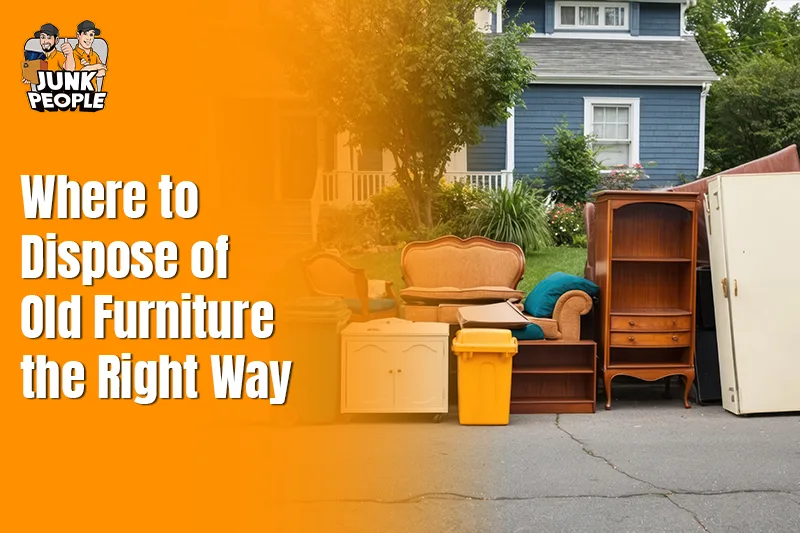
An old sofa can sit in a spare room for months simply because figuring out what to do with it is not always straightforward. Furniture is bulky, awkward to carry, and often made from several materials. Putting it at the curb without checking the rules can lead to a missed collection or even a fine. The best option depends on whether the piece is still safe to use, what it is made from, and how quickly it needs to go.
Learning how to dispose of old furniture means looking beyond the landfill. A clean dresser might find a new owner, a metal bed frame could be recycled, and a worn couch may qualify for local bulk pickup. This guide explains seven practical choices and how to handle each one safely.
Quick Answer
If you are wondering how to dispose of old furniture, first decide whether it can be sold, given away, donated, repaired, or recycled. If the piece is badly damaged or too large to transport, check your local bulk collection program or hire a professional removal service. For bulky items that require specialized handling, hot tub disposal may also be part of a larger property cleanout plan. Always confirm acceptance rules, fees, and pickup requirements before moving anything.
Check the Furniture Before Choosing a Disposal Method
Take a careful look at the item before making calls or arranging transport. Is the frame solid? Do the drawers open properly? Would you feel comfortable giving it to a friend? A few scratches or a loose handle can usually be fixed, but mold, pests, strong odors, water damage, or an unstable frame are different matters.
The material also affects your choices. Solid wood and metal often have more recycling or repair value than particleboard, bonded upholstery, and mixed-material furniture. A quick condition check keeps unsafe pieces out of donation centers and prevents reusable items from being thrown away unnecessarily.
| Furniture condition | Best first option | What to check |
| Clean, sturdy, and usable | Sell, give away, or donate | Demand, size limits, and pickup availability |
| Safe with minor damage | Repair, refinish, or upcycle | Cost of materials and time required |
| Broken but easy to separate | Recycle usable wood or metal | Facility acceptance rules |
| Stained, infested, moldy, or unstable | Bulk collection or professional removal | Local disposal restrictions |
Seven Responsible Ways to Get Rid of Old Furniture
There is no single method that works for every chair, mattress, or cabinet. Start with the option that keeps the item in use for as long as possible, then move toward recycling or disposal when reuse is not realistic.
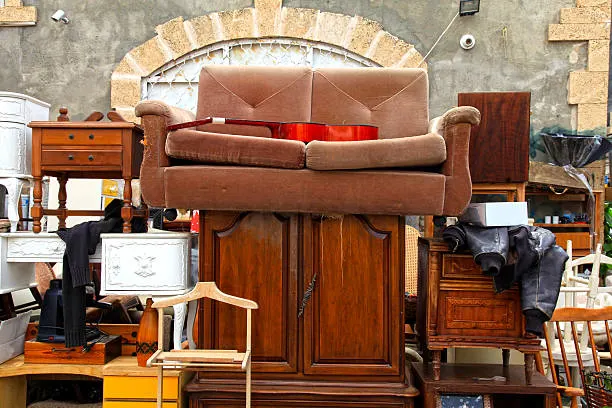
1. Sell Furniture That Still Has Value
Well-kept tables, dressers, chairs, and cabinets can often be sold through neighborhood groups, resale apps, or local marketplaces. Take clear photographs in good light and show any scratches, stains, or repairs instead of hiding them. Include accurate measurements so buyers know whether the piece will fit through their doors and into their vehicle.
Price the item according to its actual condition rather than its original cost. If it has not attracted interest after a reasonable period, lowering the price or offering it free may save more time than continuing to list it.
2. Give It to Someone Nearby
Sometimes the quickest answer is close to home. A neighbor, relative, student, or newly settled family may be able to use furniture that no longer fits your space. Community giveaway groups can also connect usable items with people nearby.
Be honest about weight, dimensions, and condition. State whether the recipient must collect it and mention stairs, narrow hallways, or other access problems in advance. Giving furniture away works best when both sides know exactly what is involved.
3. Donate Clean and Safe Pieces
Furniture donation is a good choice for items that are clean, stable, and ready for another home. Many organizations accept dining tables, chairs, dressers, cabinets, and bed frames. Upholstered furniture and mattresses usually face stricter rules because of hygiene, storage, and transport concerns.
Call before loading your vehicle. Send photographs if the organization allows it, and ask whether it offers furniture pickup. Acceptance can change with available space and current demand, so an item accepted last month may not be accepted today.
4. Repair, Refinish, or Repurpose It
A scratched table or dated wooden cabinet may need attention rather than disposal. Tightening hardware, replacing a handle, sanding a surface, or applying a fresh finish can give a solid piece several more years of use. Creative projects can turn old drawers into wall storage or a small dresser into a bathroom vanity.
Repairs only make sense when the furniture remains structurally safe. A cracked load-bearing frame, extensive rot, or contaminated upholstery should not be covered up for appearance’s sake.
5. Recycle Materials That Facilities Accept
Furniture recycling options depend on both construction and local equipment. Metal bed frames, steel legs, and some solid-wood parts are often easier to recover than foam, fabric, glass, laminated boards, and glued composites. Mixed pieces may need to be separated before a facility will accept them.
Describe the item when you call a recycling center. Ask whether nails, fabric, cushions, mirrors, or glass must be removed. Do not dismantle furniture until you know what the facility requires, especially if the piece contains sharp edges or heavy panels.
6. Arrange Municipal Bulk Collection
Many cities and waste providers collect large household items separately from regular trash. The service may require an appointment, a special tag, a fee, or placement at a particular location. There may also be limits on mattresses, sleeper sofas, and the number of pieces collected at one time. For properties with extensive clutter alongside unwanted furniture, hoarder cleanup services may provide a more suitable approach than handling everything through regular bulk collection. Check the rules before leaving anything outside.
Check the rules before leaving anything outside. Put the furniture out only during the permitted collection window, and keep sidewalks, driveways, hydrants, and traffic areas clear. Following the instructions helps prevent fines and missed pickups.
7. Hire a Professional Furniture Removal Service
Professional furniture junk removal is useful when an item is too heavy, access is difficult, or several rooms need to be cleared at once. A removal crew can handle the lifting, loading, transport, and final drop-off, which may be safer than asking an unprepared friend to help move a sleeper sofa down a narrow staircase.
Before booking, explain what you have and where it is located. Ask whether the quote includes labor, stairs, disassembly, transport, and disposal fees. It is also worth asking how the company handles furniture that can still be donated or recycled.
Match the Method to the Type of Furniture
The same disposal plan will not work equally well for a couch, a wooden table, and a metal bed frame. Construction, cleanliness, and local restrictions all matter.
Couches and Upholstered Chairs
Inspect upholstery closely for tears, stains, odors, dampness, mold, and signs of pests. A clean, gently used couch may be suitable for resale or donation, while a badly damaged one will probably need bulk pickup or professional removal. Measure doorways and stair turns before trying to move it. Removing cushions or detachable legs can help, but do not take apart the frame unless you know how to do it safely.
Mattresses and Bed Frames
Mattress acceptance rules vary widely. Some areas have dedicated recycling programs, while others treat mattresses as restricted bulk waste. Donation groups often accept only mattresses that meet strict condition standards. Bed frames are usually simpler: usable frames can be donated or sold, and metal frames may be accepted as scrap. Check each part separately rather than assuming the mattress and frame must follow the same route.
Tables, Dressers, and Wooden Cabinets
Hard furniture is often easier to repair or pass along. Check joints, drawer slides, shelves, and the back panel. Solid wooden furniture may be worth refinishing, even when the surface looks tired. Particleboard that has swollen from moisture is much harder to repair and may not be recyclable. If a cabinet contains glass, ask the receiving facility whether it should remain in place or be removed.
Broken or Mixed-Material Furniture
Broken furniture is not automatically useless. A damaged chair may still contain recoverable metal, and a cabinet may have reusable hardware or solid-wood shelves. However, pulling apart a heavy piece can create sharp edges and unstable sections. Separate materials only when the work is safe and the destination has confirmed that it accepts them.
Prepare Furniture for Pickup or Transport
A little preparation can prevent damaged walls, strained backs, and wasted trips. Empty every drawer and compartment, then check beneath cushions for personal items. Remove loose shelves, detachable legs, and other parts when practical. Place screws and fittings in a labeled bag so they do not disappear. For large pieces that require additional lifting and transport support, old furniture hauling can make the removal process more manageable. Measure the furniture along with doors, hallways, staircases, elevators, and vehicle openings.
Measure the furniture along with doors, hallways, staircases, elevators, and vehicle openings. Clear the route before lifting begins. Protect glass, mirrors, corners, floors, and door frames. Use suitable moving equipment and enough capable helpers. If the piece cannot be controlled safely, stop and arrange trained help.

Avoid These Common Furniture Disposal Mistakes
- Leaving furniture at the curb without checking collection rules
- Assuming every charity accepts couches or mattresses
- Driving to a recycling facility before confirming what it takes
- Hiding damage when selling, gifting, or donating an item
- Mixing clean, reusable pieces with wet or contaminated waste
- Forgetting to measure the furniture and the removal path
- Lifting a heavy item without enough help or proper equipment
- Sending usable furniture to a landfill before considering other options
A five-minute phone call can prevent a rejected donation, an unnecessary disposal fee, or a wasted journey. Write down booking dates, item limits, and preparation instructions so nothing is missed on collection day.
Is DIY Furniture Removal Worth It?
Removing furniture yourself can be practical when the piece is manageable, a suitable vehicle is available, and the destination has already agreed to accept it. Factor in fuel, disposal fees, travel time, lifting equipment, and the help you will need. A free drop-off is not much of a bargain if the item damages your vehicle or causes an injury.
Professional removal becomes more reasonable when stairs, tight corners, heavy furniture, several items, or a short deadline complicate the job. Compare the full cost and effort rather than looking only at the collection price.
How to Choose a Reliable Furniture Removal Company

Ask for a clear estimate based on the number and size of the items. Mention stairs, elevators, long carrying distances, restricted parking, and anything that may affect access. The company should explain what the price includes and identify any items it cannot take. furniture disposal services can be useful when several bulky pieces need to be removed and handled through an appropriate disposal route. Good communication matters as much as the headline price.
Good communication matters as much as the headline price. Be cautious if a provider will not discuss disposal methods, gives unclear answers about extra charges, or cannot provide a realistic arrival window. A responsible company should be able to explain where reusable, recyclable, and unusable furniture is likely to go.
Why Responsible Furniture Disposal Matters
Throwing everything away may feel convenient, but it wastes the useful life left in many items. Selling, gifting, and donation keep serviceable furniture in circulation. Repair extends that life further, while recycling can recover selected wood and metal after an item is no longer usable. Outdoor waste may also accumulate during larger property cleanouts, making yard debris cleanup a separate consideration when keeping the surrounding property clear. Not every piece can avoid disposal.
Not every piece can avoid disposal. Mold, pest contamination, serious water damage, and unsafe construction can rule out reuse. Responsible old furniture disposal is not about forcing every item into a second life; it is about choosing the best realistic option without putting another person at risk.
Final Thoughts on How to Dispose of Old Furniture
The right choice starts with an honest look at condition, materials, size, and access. Sell or give away furniture that remains safe and useful. Contact donation groups before making a trip, and ask recycling facilities exactly which materials they accept. Junk People LLC can help with responsible furniture removal when pieces are no longer suitable for reuse. For damaged pieces, check local bulk collection rules rather than leaving them outside without permission.
There is nothing wrong with calling for help when a couch is too heavy or a full cleanout is beyond what you can manage. Professional removal can save time, protect your property, and reduce lifting risks. Make a simple item list, take measurements, and confirm the destination first. That preparation turns an awkward job into a manageable one and gives reusable furniture its best chance of avoiding the landfill.
Frequently Asked Questions About Old Furniture Disposal
For usable furniture, local pickup through a buyer, recipient, or charity is often easiest. Damaged or heavy pieces may require professional removal.
Try a donation center, reuse shop, recycling facility, transfer station, or approved disposal site after confirming that it currently accepts your item.
Organizations commonly accept clean, sturdy tables, chairs, dressers, cabinets, and bed frames, although available space and local demand can affect acceptance.
Yes, depending on its materials. Metal and solid wood are often recoverable, while foam, fabric, glass, and composite boards have fewer recycling options.
Empty and measure each piece, secure loose parts, clear the removal path, photograph its condition, and confirm the pickup time and final price.