


You want a smooth cleanup with no stress or shocks. Yet a small load can turn into a heavy mess fast. Many people face extra fees when bins pass the safe weight. You want real help that stops this fear and keeps each task light. This guide gives clear steps that help you avoid dumpster weight issues with ease.
Most pain starts when loads stack in the wrong way. Heavy waste can hide under soft junk and raise the total weight. Builders face the same stress when concrete sits deep in the bin. Yard waste can also soak up water and grow fast in weight. These small things lead to high costs and long delays. You might feel lost, yet the fix is simple with the right flow.
Now you have a plan that keeps your bin safe. You learn how to sort loads and track weight with simple steps. You discover which items quickly push limits and learn safe ways to lift and clear each load. These steps help you save money and avoid delays. You also gain insight into managing dump disposal costs guide with calm, smart planning.
Understanding Why Dumpster Weight Issues Happen
You want a clean load and a fair bill, yet weight can turn small tasks into big stress. Many people think the bin fills by space, yet the scale tells the real truth. This section shows why dumpster weight issues hit so fast and why a calm plan stops most of the pain. You learn how weight builds and why haulers use strict rules.
The Weight Factor in Dumpsters

Dumpster weight issues mean the load passed the safe ton mark. Many people mix volume with weight and think a full bin means a heavy bin. Some loads fill little space yet add huge weight. Hidden heavy items sit deep in many loads. Concrete blocks push weight fast. Brick piles gain weight with no sign on top. Wet yard waste builds weight in one short rain. These points show why a bin feels light yet still breaks limits.
Why Planning Matters Before You Start Loading
Each dumpster has a strict tonnage cap. You pass this cap and face high fees. A short plan keeps your load safe. You can sort light junk from heavy waste. You can place dense items with care. You also keep one eye on hauling rules. This simple plan stops cost leaps and keeps you safe from overweight dumpster fees. You now see that planning cuts stress in one small step.
What Is the Importance of Limits
Transport laws guide each truck and set safe loads. Road rules place weight limits on hauling trucks, and a truck with an overloaded bin may be barred from certain roads. Haulers also follow lift rules that prevent unsafe loads, since an overweight bin can damage the lift arm or tilt the truck. That’s why waste crews must reject overweight dumpsters. By following these hauling weight restrictions and state laws, roads stay safe and workers protected. Planning with affordable dumpster rental services helps you stay within limits and complete your project smoothly.
Managing Weight Properly Before You Load the Dumpster
You want a safe load with no stress. You also want a fair bill with no shock at drop time. This part shows how to plan the weight before you lift one item. You stop risk and save cash when you know how weight builds. You now see why most people face dumpster weight issues with no warning.
Managing the Heaviness of Trash
Some items weigh more than they look. Concrete holds a huge weight in one small pile. Shingles gain weight with heat and dust. Soil grows fast in weight when wet. Old furniture may look light, yet wood holds dense weight. You now see that density rules weight more than bulk size. Large bags of soft junk weigh less than one small brick pile. This is why a light load may still tip the scale.
Real Life Weight Issues Customers Face
Many roof jobs create an overweight roof tear-off. Old tiles and nails form dense waste that fills the bin in one layer. DIY cleanout tasks also fail when heavy junk hides under soft items. You toss in wood, then add books and tools, and the weight rises fast. Landscaping soil overweight cases are common, too. Soil holds water and grows heavy in one short rain.
The Hidden Dangers of Overloading
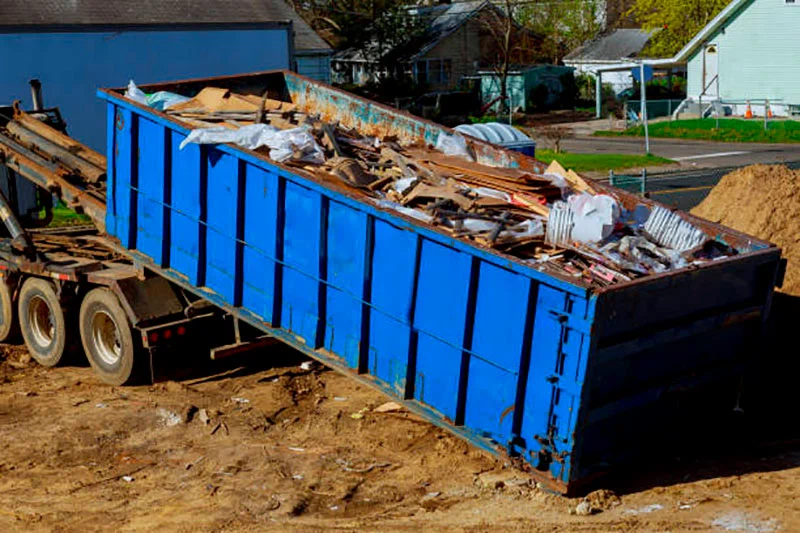
A heavy bin can cause truck tipping risks when the lift arm pulls the load. A cracked driveway can form under a dense bin as weight sits on soft ground. You may also face rejection and delay fees when the team sees unsafe weight. They must keep the crew safe and follow state rules. These risks show why smart loading keeps each task safe. You now see how true weight control helps you avoid dumpster weight issues with calm and steady work.
Smart Planning Strategies to Avoid Dumpster Weight Issues
You want a clear plan that keeps the load safe. You also want a fair bill that stays in your control. Good prep stops stress and keeps each task light. These steps guide you through smart work that cuts risk and keeps the bin within limits. You gain a clean path with no fear of weight jumps.
Tips for Staying Within Limits
Know the ideal weight range for your job. Each project type holds its own load risk. A roof job holds dense waste. A yard job holds wet soil. A cleanout holds mixed junk. Estimate the weight before you start work. You can use simple guides to guess each load. This helps you stay under the mark and avoid fee shock.
Lighten the Load With Simple Sorting
Sort heavy soil and rock first. Remove concrete with care since it holds a huge weight. Keep dense items in a small group, so you can track weight with ease. Use donation centers for light goods like clothes and soft junk. This cuts the load and helps others at the same time. Avoid mixing dense materials in one haul. This mix builds weight fast.
Focus on Sustainability
You can recycle heavy metals and old appliances. This pulls weight from your bin and helps the earth. You can compost yard waste to keep wet debris out of the bin. You can use the right dumpster zone for sorting. Each zone helps you place items with care.
Planning Makes a Difference
Create a waste flow map for your job. You can see each step before you start. You can set a clean loading order so each lift stays safe. Keep heavy items at the bottom to maintain a good balance. Place light items on top so the load stays firm. This plan keeps the bin steady and makes the whole job feel calm. You now see how smart prep helps you avoid dumpster weight issues with ease.
Dumpster Loading Best Practices for Avoiding Dumpster Weight Issues
You want a safe load and a steady job. Many people rush the task and fail to see early signs of risk. This part shows clear steps that help you load with skill. You gain strong control and avoid harm from a heavy bin. You also keep your bill fair with no shock at pickup time.
Dumpster Overweight Warning Signs
A bin feels too heavy when each lift pulls slow and hard. You may see waste sit above the fill line. This means the weight may jump past the safe mark. You may feel the load shift when you add new items. This shift shows the base is not firm. These signs call for fast action. Stop and check the bin before you add more weight. This step keeps the job safe and keeps costs low.
Dumpster Safety Tips to Avoid Injury
Use safe lifting methods for each item. Bend your knees and keep your back firm. Use slow moves to avoid strain. Never climb inside the dumpster. The base can shift and cause harm. Toss items from a safe spot and keep your feet on firm ground. Protect the dumpster zone with clear space.
Keep kids away and hold tools in one area. A clean zone stops trips and slips. This simple plan keeps you safe and keeps the load strong. You now see how good habits help you avoid dumpster weight issues and stay safe at every step.
When to Choose a Bigger Size or Separate Dumpster
You want a bin that fits your job with no stress. Many people pick a small size and face weight trouble fast. A larger bin keeps the load safe and stops the fee jumps. This part helps you pick the right size and know when a second bin is the smart call.
Choosing the Right Dumpster Size for Your Project
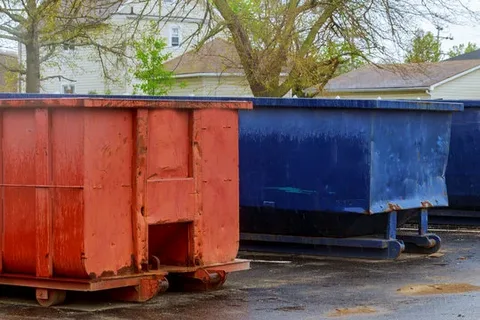
A ten-yard bin fits small jobs with light junk. A twenty-yard bin holds mixed home waste. A thirty-yard bin fits big cleanouts with a safe room. A forty-yard bin fits large sites with wide spaces. Each size holds a safe weight range that helps you avoid overload. Pick the size that meets your job and keeps the load steady. A small bin may look safe, yet still rise in weight fast.
Signs You Need a Separate Dumpster for Heavy Materials
Some loads need their own bin. Concrete holds a huge weight in one short pile. Dirt gets heavy when wet. Bricks gain weight with no space sign. Roofing jobs fill one bin fast. Mixed heavy debris loads build weight with no clear mark. Use a separate dumpster for dense waste, so your main bin stays under the safe limit. This step stops breaks, delays, and fee jumps. You now see how size and sorting help you avoid dumpster weight issues with calm and steady work.
Cost Considerations: Avoiding Overweight Fees and Penalties
You want a fair bill and no shock at the end of your job. Weight plays a huge part in that goal. This part shows how fees work and how smart steps help you save real cash. You gain clear paths that help you stay within limits and cut extra costs.
How Dumpster Overweight Fees Work
Most haulers use per-ton fees when you pass the limit. Some add overweight surcharges for unsafe loads. Extra hauler trips may be needed if the bin holds dense waste. These trips add more cost and slow down your project. This is why weight rules matter so much. A safe load keeps your bill light.
How Planning Saves You Money
Pick the right size so you face fewer risks of a heavy bin. A large bin holds more yet stays within safe ton marks. Good sorting cuts the total tonnage. You can pull dense items out and use other sites for disposal. Donating heavy furniture keeps weight low and helps others. Each step pulls weight out of the bin. You now see how smart prep helps you avoid dumpster weight issues and save real cash.
Final Checklist: Avoid Dumpster Weight Issues Every Time
A clear checklist keeps your load safe and your mind calm. You gain strong control when each step stays simple and firm. This list helps you stop extra fees and keep your bin within limits. Use it for each job, and you will see a smooth flow with no stress.
The Ultimate Waste Planning Checklist
Estimate the weight before you start the job. Sort heavy materials so you keep dense items in one group. Load properly with steady lifts and strong balance. Keep materials below the top rail so the bin stays safe. Track weight as you load so you catch early signs of risk. This checklist guides each task with clear steps. You now see how simple habits help you avoid dumpster weight issues with ease.
Conclusion
You now see how weight shapes each step of your cleanup. You learned how small choices build safe loads and fair bills. You also saw how dense waste and poor prep lead to stress and fee jumps. This guide showed clear ways to plan and load with care. You now hold the facts that help you act with calm skill.
Good planning builds safety and savings on every step. You keep each lift secure and each load steady. You sort with care and choose the right size for every job. You also watch for early signs of risk. These steps protect your space and your budget, especially when working with trusted teams like Junk People LLC.
Now take action and use these steps on your next project. Build your map before you load. Place each item with care. Track weight and shift your plan when needed. You will see smooth work and clean results. These simple moves help you avoid dumpster weight issues and end each job with complete success.
FAQs for avoiding dumpster weight issues
Yes, a dumpster can pass safe limits fast. Dense waste builds weight in one short load. Haulers can refuse pickup when the bin feels unsafe. A heavy bin can harm the lift arm and slow the route. You must track weight as you load to stay safe.
You can place the bin in a well-lit area. You can keep the lid shut tight. You can add clear signs that mark the zone as private space. You can also ask your hauler for a lock-style lid. These steps help you guard your load.
Place heavy items on the bottom so the base stays firm. Add light junk on top to keep the balance. Break large items into small parts. Keep all waste below the top rail for safety. This method builds strong flow.
You must keep batteries and paint out. You must avoid soil with oil. You must not add medical waste or sharp tools. These items need special sites. Check local waste rules before you load.
Some towns allow this for home use. Some towns need a bulk pickup plan. Large items can hold dense weight, so check your hauler rules. They may guide you to a safe site.
Clear the drop zone so the truck can reach the spot. Pick firm ground so the bin stays level. Move cars and tools from the area. Know your project plan and weight goals. This prep helps you avoid dumpster weight issues and keeps the whole job smooth.