
Your trash bin holds secrets. It tells you where money leaks out of your business every month. Most companies never look inside their own waste. That is a costly mistake. A commercial waste audit guide helps you spot these hidden problems. You will find out if you are throwing away recyclables or paying for too much trash service. This simple check can save you real money and keep you on the right side of local rules.
This guide walks you through the whole process step by step. You will learn how a business waste assessment uncovers risks you did not know existed. We will show you smart waste reduction strategies that actually work. By the end, you will know exactly how to fix waste issues and run a tighter, cleaner operation.
Understanding Commercial Waste Audits

A commercial waste audit is a deep look at what your business throws away. You sort through trash to see what is there. This Commercial waste audit guide shows you how much waste you make and what types. It tells you if recyclables are going to the landfill by mistake. The whole point is to find ways to do better. You cannot fix what you do not measure.
Operational efficiency in waste management starts with knowing your waste. Some businesses do the audit themselves. Others hire outside experts. A hybrid approach uses both. The best method depends on your team and budget. When you follow a step-by-step commercial waste audit process, you spot patterns. Maybe one department throws away more than others. Perhaps you are paying to haul materials that have value. A business waste assessment shines a light on these hidden issues. You will see risks like bad recycling habits or trash pickup that is too frequent.
Preparing for a Waste Audit
Get your team ready before you touch any trash. Pick a few people to lead the audit. Choose someone from operations and maybe housekeeping. They know the daily waste flow best, especially when it comes to dumpster waste limits. Set a date and time that works for everyone. Tell staff what is happening so they are not surprised. Good planning makes the whole thing easier.
Gather your tools ahead of time. You need gloves, trash bags, and a scale. Make simple checklists to track what you find. Log sheets help you record waste types and amounts. Follow a step-by-step commercial waste audit guide to stay on track. Assign clear jobs to each team member. One person sorts, another weighs, and someone writes it down. Set a timeline for each part. This keeps things moving fast. A cost-effective waste audit does not need fancy gear. Just good planning and focus. Your business waste assessment will go smoothly when you prepare correctly.
Categorizing and Measuring Waste
Now it is time to sort the trash. Set up different piles on a clean surface. Make one pile for recyclables like paper and plastic. Another pile for food waste or organic material. Keep hazardous items like batteries or chemicals separate. These need special handling. A final pile goes to the landfill. This commercial waste audit guide shows you exactly what you throw away.
Weigh each pile with a simple scale. Write down the numbers on your tracking sheet. Some businesses use software to log data. This helps you see totals by weight and type. Look for patterns in what you find. Maybe too many recyclables go to the landfill. That hurts recycling compliance and wastes money. You might spot ways to cut waste at the source. These insights lead to smart waste reduction strategies. You are now optimizing business waste management with real facts. The data tells you where to focus your efforts first.
Identifying Waste Inefficiencies
Look closely at your sorted piles for clues. Do you see lots of food in the landfill bin? That might mean the staff tosses meals without thinking. Are recyclables mixed with regular trash?This could be a sign that staff are not following proper commercial waste rules. That points to bad sorting habits. These are signs of identifying hidden operational inefficiencies in your daily routine. Sometimes you find whole products thrown away. That could mean you make too much or order wrong. Each discovery shows a place to improve.
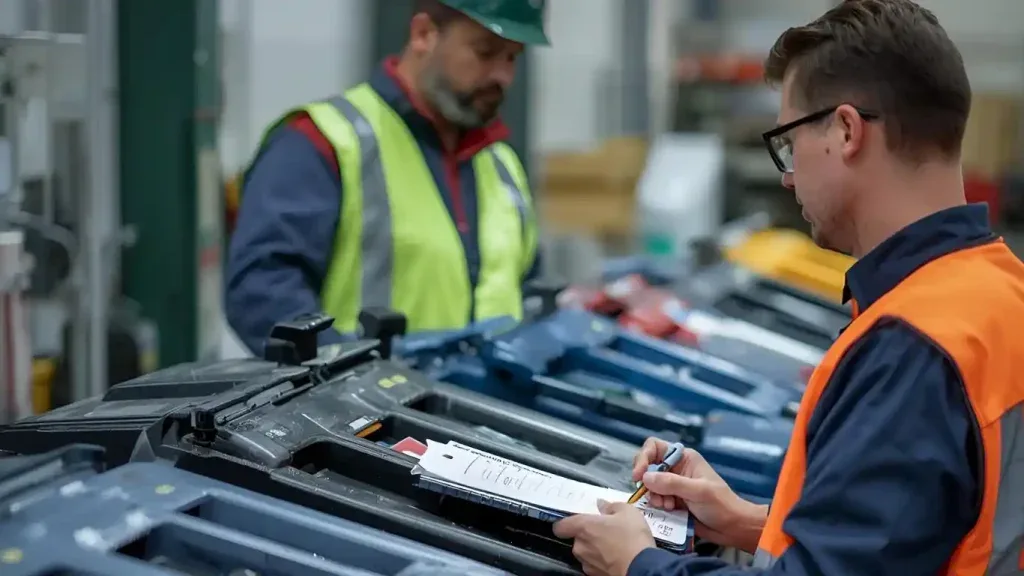
Your audit data reveals bigger patterns, too. Maybe one department creates more waste than others. Perhaps your dumpster fills up before pickup day. These issues hurt operational efficiency in waste management. You might pay for extra pickups you do not need. Follow your step-by-step commercial waste audit guide to dig deeper. Look at what ends up in each waste stream. The goal is to spot waste before it happens. Fixing these problems saves money and makes your team work smarter.
Developing Waste Reduction Strategies
Now use your audit findings to make real changes. Start with the easiest fixes first. If recyclables end up in the trash, add better bins. Put them right where people make waste, including areas that generate debris needing proper yard waste removal. Post clear signs showing what goes where. Train your staff on the new rules. Small tweaks like this cost little but work fast.
Look at bigger changes too. Maybe you buy items with too much packaging. Talk to your suppliers about using less wrap. Perhaps you make too much product each day. Adjust your amounts to match demand. These waste reduction strategies stop trash before it starts. Pick changes that give the biggest payoff. A cost-effective waste audit pays for itself when you act on what you learn. You are now optimizing business waste management for the long run. Your team will see less waste, and you will keep more money.
Ensuring Recycling and Compliance
Check your local rules about recycling and waste. Many areas have laws about what you must recycle. Some fine businesses that do not follow them. Your audit shows if you meet these rules. Fix any problems you found right away. Make sure hazardous waste goes to the right place. This keeps you safe from legal trouble.
Set up a simple system to track your recycling. Weigh recyclables each week and write them down. Some cities require reports on how much you recycle. Good records prove you follow the rules. Your step-by-step commercial waste audit guide helps you stay on track. Do small audits every few months to check progress. This builds strong recycling compliance into your daily work. Combine this with your waste reduction strategies, and you build a program that works. You lower risk and show your community you care.
Implementing Operational Improvements
Put your audit findings to work right away. Change how your team handles waste each day, including when to rely on professional junk removal services for large or unwanted items. Add new bins in easy-to-reach spots. Post simple signs that show what goes where. Show staff the audit results so they understand why change matters. People support what they help create.
Train everyone on the new system. Keep training short and clear. Show them how to sort correctly. Answer their questions and listen to their ideas. Set up a way to check progress each week. Pick simple goals like less trash weight or more recycling. Track these numbers over time. This is how you keep operational efficiency in waste management high. You are now optimizing business waste management every single day. Do another quick audit in six months. A follow-up cost-effective waste audit shows what works and what needs more work. This cycle of check and fix keeps getting you better results.
Reporting and Documentation
Write down everything from your waste audit. Note what you found and when you found it. List the changes you made and the dates. Keep these records in a simple folder or computer file. Good notes help you see progress over time. They also prove you are doing the work.
Share your results with your team and bosses. Show them the before and after numbers. Point out the money saved and waste reduced. This builds support for your program. Reports also help with recycling compliance when inspectors ask. Your step-by-step commercial waste audit guide creates a paper trail that matters. Each new business waste assessment builds on the last one. You see patterns across months and years. This record-keeping leads to steadily better results. It turns one-time fixes into lasting habits that keep your operation lean and clean.
Reviewing and Continuous Improvement
Do not stop after one audit. Schedule another one in six months or a year. Waste habits can slip over time. New staff might not know the rules. Your business might change how it works. A fresh look catches these issues early. Regular checks keep your program strong.
Each new audit teaches you something. Maybe the rules in your area have changed. Perhaps you find new ways to cut waste. Share wins with your team to keep them motivated. Make waste part of new hire training. Talk about it in team meetings. This builds a culture where everyone helps. Your commercial waste audit guide becomes a living tool you use again and again. Smart waste reduction strategies grow from this steady effort. You boost operational efficiency in waste management year after year. What starts as a simple check becomes a core part of how you do business with the support of Junk People LLC.
FAQs
They lower trash bills, find recycling mistakes, and spot easy fixes that save money right away.
Mixing recyclables with trash, paying for oversized bins, and tossing items that still have value.
Do a full audit once each year and quick check-ins every few months to stay on track.
Yes, simple scale clipboards and photos work well. No expensive gear or software needed at all.
They show exactly where waste happens so you can fix problems and shrink your footprint over time.