
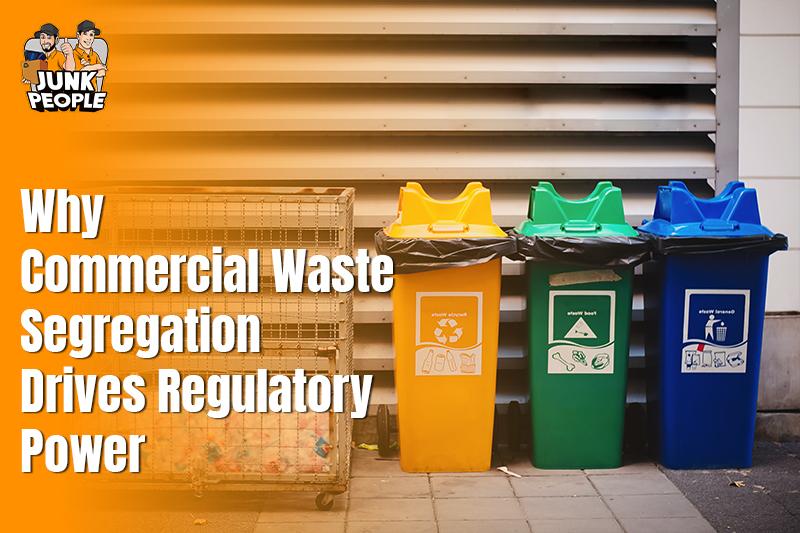
You might think trash disposal is simple. You fill a bin, and someone takes it away. But there is more to it now. Cities watch what businesses throw out. They check if you sort your waste correctly. Mixing regular trash with recyclables can bring fines. So can tossing paint cans in with food waste. Getting this wrong hurts your wallet and your reputation. A clear system stops these problems before they start.
This guide breaks down commercial waste segregation rules in plain terms. You will learn how to sort paper from plastic and food from trash. We cover business recycling compliance so you pass every inspection. Our waste separation guidelines help your team sort right every time. By the end, you will run a cleaner, safer business with less stress and lower costs.
Understanding Commercial Waste Segregation
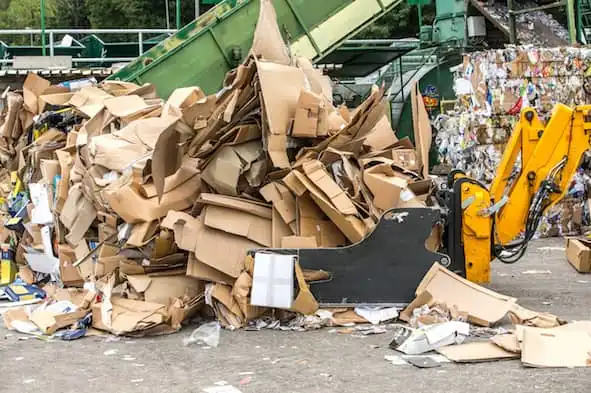
Waste segregation simply means sorting trash by type. You put paper in one bin and food in another. Glass and plastic go in their own containers, too. This is not just busy work. It helps recycling centers do their job. It keeps dangerous items away from regular trash. Your business runs more smoothly when waste has a clear path out the door. Everyone knows where things belong. Most businesses deal with four waste types. Recyclables like paper and bottles go on to a new life.
Hazardous items need special care and handling. Organic waste like food can break down safely apart. Everything else heads to the landfill. Good waste separation guidelines keep these streams from mixing. This supports sustainable waste management for your whole community. It also boosts operational efficiency in waste handling at your site. Your crew spends less time fixing mistakes. Your hauling costs stay lower, too.
Preparing Your Business for Waste Segregation
Getting ready takes some work up front. But good prep makes the whole thing run smoothly later. You need the right bins in the right spots efficient yard cleanup services. Your team needs to know what goes where. A little planning now saves hours of fixing mistakes later. Walk through your space and look at where waste piles up. That is where your bins should live.
Get bins that are clearly marked for each waste type. Use signs with pictures so everyone understands. Hand out gloves and safety gear to your crew. Pick one person to watch over the program. Set a start date and train your staff before then. These commercial waste segregation rules build good habits fast. Following business recycling compliance rules becomes second nature. Your team gains operational efficiency in waste handling without even thinking about it. They just toss things in the right spot every time.
Categorizing and Sorting Waste
Sorting waste sounds easy, but small mistakes cause big problems. A little time spent sorting right saves you from fines later. Here is how to set up a system that works every day.
Step-by-Step Guidance for Separating Waste Streams
- Set up different bins for each waste type. Put paper here and plastic there. Food waste goes in its own container.
- Post clear signs above every bin. Use pictures showing what belongs inside. This helps new staff and visitors, too.
- Check bins at the end of each day. Fix any mistakes before waste gets picked up by haulers.
Identifying Recyclable vs Non-Recyclable Items
- Clean paper and cardboard go into recycling. Food-stained boxes go to the landfill instead of the paper bin.
- Plastic bottles with caps on are good to recycle. Plastic bags and wrap jam machines, so keep them out.
- Glass jars can be rinsed clean and recycled well. Broken glass windows need special handling, not regular bins.
Special Handling Procedures for Hazardous Materials
- Paint and chemicals never go in regular trash. Set up a separate area for these dangerous items.
- Batteries and electronics need special drop-off spots. They contain metals that hurt the environment.
- Train your team to spot hazardous waste. Make sure they know exactly where these items must go.
Following these commercial waste segregation rules keeps your site clean and safe. Optimizing business waste separation saves you money on hauling fees. Good hazardous material handling protects your staff and the planet, too.
Handling Hazardous and Sensitive Materials
Handling Hazardous and Sensitive Materials
Some waste cannot go in your regular bins pool removal services. Paint thinner and old batteries need special care. So do medical items and cleaning chemicals. Tossing them with regular trash is against the law. It also puts your workers at risk. A leaky container can burn skin or start a fire. You need clear rules for these dangerous items. Your whole team must know the plan.
Safety Steps for Hazardous Waste
Store hazardous items in strong, sealed containers. Label everything clearly so no one guesses wrong. Keep these bins away from regular trash areas. Train staff to spot and report dangerous waste right away. This hazardous material handling keeps your site safe every day. It is a key part of your commercial waste segregation rules. Good habits here also support business recycling compliance by keeping contaminants out of clean recyclables. A few simple rules protect your people and your business from serious harm.
Recycling and Sustainable Practices
Your business throws away more than you think. Much of it could have a second life. Metals melt down and become new products. Paper turns into boxes and office supplies. Plastics become park benches and new bottles. But this only works if items stay clean and separate.
Set up a system that makes sorting simple for everyone. This sustainable waste management approach cuts what you send to landfills. It also lowers your trash bills over time. Optimizing business waste separation means more material gets recycled, not thrown out. Follow these commercial waste segregation rules and watch your savings grow. Good recycling is good for the earth and good for your bottom line, too.

Operational Efficiency in Waste Segregation
Slow sorting costs your business money every day. If workers waste time figuring out bins you lose hours of work. A smooth system fixes this fast. Place bins where trash actually piles up. Use pictures so people know at a glance where things go. Make it easy to do right and hard to mess up. Your team moves faster and makes fewer mistakes.
Tools and Training for Better Results
Simple tracking sheets show you where problems happen. You see which bins get mixed up most often increasing hazardous waste risks. Then you can fix those spots with more training or better signs. Hold short team meetings to share what works well. Ask your crew for ideas, too. They see things you might miss. Following clear waste separation guidelines becomes a habit over time. This focus on operational efficiency in waste handling pays off every single day. Your step-by-step commercial waste segregation process runs smoothly, and your costs stay low.
Compliance and Regulatory Adherence

Rules for waste disposal come from many places. Your city has its own laws. Your state adds more on top. The federal government watches too. Keeping up feels like a full-time job. But falling behind brings real trouble. Inspectors can show up without warning. They look through your bins and records. If they find problems, you get fines. Big fines hurt small businesses hard.
Keep a log of every waste pickup and bin check. Note any problems and how you fixed them. Save training records that show your team knows the rules. This paperwork proves you care about doing things right. Follow your step-by-step commercial waste segregation rules every single day. Strong, sustainable waste management protects you from fines and builds trust with your community. Inspectors become less scary when you are always ready for them.
Monitoring and Reviewing Waste Practices
You set up a great system and trained your team. Good job. But things change over time. New people join your staff. New waste types show up. Old habits start to slip. That is why checking your work matters so much. A quick review every few months catches small problems before they grow big. It keeps your program running strong for years.
How to Review and Improve
Check for new rules from your city or hauler. Update your signs and training when things change. This focus on operational efficiency in waste handling keeps your system sharp. Optimizing business waste separation means always looking for ways to do better. Follow these step-by-step commercial waste segregation rules, and your program only gets stronger over time.
Final Checklist for Waste Segregation
A quick walkthrough before the trucks arrive saves you from surprises. Use this list to catch mistakes while you can still fix them. Your team will thank you later.
- Look inside each bin before the hauler comes. Make sure trash did not end up in the recycling bin by mistake.
- Check hazardous waste storage areas for leaks or spills. Confirm all containers are sealed tightly and labeled clearly
- Verify that food waste bins do not have plastic bags inside. Contamination ruins whole loads and costs you extra fees.
- Make sure the cardboard is flat and not overflowing. Loose boxes fall out and make a mess in the street.
- Confirm that electronic items like old computers are set aside for special recycling, not regular pickup.
- Review your logs for the past week. Make notes on any problems and how your team fixed them.
- Walk the whole site one last time. Pick up any stray trash that missed the bins entirely.
- Talk to your point person about next week. or reach out to Junk People LLC if you need help keeping things running smoothly.
Following commercial waste segregation rules becomes second nature with this list. Good waste separation guidelines protect you from costly mistakes. Strong, sustainable waste management practices build a better business every single day.
FAQs
Keep training short and hands-on. Show them real examples of what goes where. Use pictures on bins as daily reminders for everyone.
Place clear signs with pictures above every bin. Check bins at the end of each day. Fix mistakes right away and retrain as needed.
Yes, simple tracking sheets work well. Some businesses use apps that log bin checks. Cameras can also spot problems before pickup day.
Look at your system every three months. Check for new rules or changes in your waste. Update training when you find problems.
Yes, they show you exactly where things go wrong. Fixing those spots saves time and money. Your whole waste process runs smoother after audits.