
Why Proper Tile Disposal Matters
Responsible Tile Disposal Protects the Environment
Removing old tiles can feel hard when the task grows fast. You might not know where to take them or how to act right. Many rules guide how you dispose of old tiles, and these rules help guard the land and water near your home. Wrong steps harm the earth and break local waste laws. You can avoid this risk with clear steps that guide safe tile disposal with ease.
Tile waste builds fast in large home projects. You might see stacks of heavy pieces that block space and slow your work. A calm plan helps you move each tile with care. You learn when to sort items, when to lift them out, and when to check local sites. This brings a neat flow and shows what to expect hiring professional help for safe and efficient removal.
This guide shows real ways to dispose of old tiles with no stress. You gain paths to reuse clean pieces and send others to safe drop spots. You see how to use eco sites that take tile waste with kind steps. These moves help you guard the earth and finish your work with pride.
Step 1: Assess the Type and Quantity of Tiles
Know Your Materials Before You Begin
Identify the Tile Material
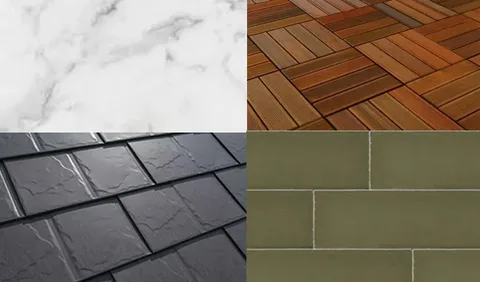
Start by checking the kind of tile you hold. It may be ceramic, porcelain, stone, or vinyl. Each type has its own rule for reuse or drop sites. Some centers do not take heavy stone, while some do not take vinyl at all. This helps you learn what to do with broken tiles and how to get rid of old tiles with care. Place each broken piece in one clear group so you know what needs to be reuse or drop. This step keeps your plan calm and clear while you recycle leftover tiles in the right way.
Measure Quantity and Condition
Look at the size of your tile load and the shape of each piece. Large sets can feel hard to move and may need professional help. A big bulk also needs a truck or a lift. Small sets feel light and can fit reuse or art tasks with ease. Many shops take small sets for eco reuse or craft use. This helps you learn how to get rid of old tiles with no stress. You gain clear flow as you sort each group and plan the next move with care.
Step 2: Local Waste and Recycling Regulations
Follow the Rules for Safe Disposal
Check Local Disposal Guidelines
Start with a call to your city waste team. They guide you with clear steps that keep your plan safe. Ask how to move tiles or old floor parts through legal paths. Some towns let you use curb trash, while others ask for bulk pick up or set drop sites.
These sites show where to dispose of old flooring with ease. Each rule helps you follow safe tile disposal with calm order. You gain a clear flow as you learn what each site takes and what they block. This aligns with a yard waste damage properties guide, saving time and keeping your project stress-free.
Hazardous or Non-Recyclable Tiles
Some tiles carry glue coats or sharp seal layers that need firm care. These parts may not fit in reuse lines or eco yards. You must act with care when you lift each piece. A wrong step harms the land and breaks the rules. This is why you must avoid any dump act that leaves waste in open spots.
You gain peace when you use approved sites that guide each drop. These paths support environmentally friendly tile disposal and guard the land near your home. Ask your town if they take tough waste or if they guide you to a linked pro site for professional hazardous removal. Each step keeps you safe and helps your town stay clean and strong.
Step 3: Recycling Options for Old or Leftover Tiles
Turn Waste into Resources
Tile Recycling Facilities
Start by finding a site that takes tilae waste. Many towns have set centers for this task. These sites accept ceramic porcelain and some stone tiles with clear rules. You can drop each piece with care and feel calm as you recycle leftover tiles in a safe way. These paths guide you with tile recycling tips that keep your plan smooth and light.
Creative Reuse Opportunities
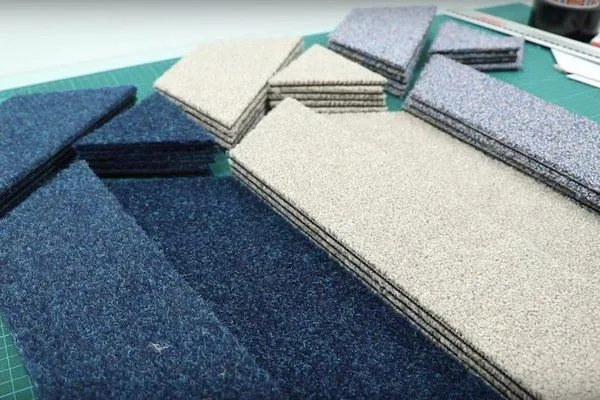
Old tiles can serve a new life in many fun ways. You can use chipped tiles as garden mulch or shape soft paths in your yard. These steps help you learn what to do with broken tiles with ease. You can make bright art with small bits and form craft work or mosaic boards. Each small piece holds a new use and helps you cut waste.
You can also give clean tiles to local groups that need them. Schools, art clubs, and Habitat for Humanity often take tile sets for reuse. This act helps your town grow strong and gives new life to old parts. These moves bring tile recycling tips that turn hard waste into bright tools for your home and your town.
Step 4: Professional Disposal Services
Simplify Large Projects
Junk Removal Companies
Large tile loads can feel heavy and hard to move. Junk crews help you lift this weight with quick steps and clear plans. They pick up big tile stacks and take them to the right drop spots. This helps you follow safe tile disposal rules with no stress. Many crews also use green paths that sort tiles for reuse or eco drop. This helps you learn how to get rid of old tiles with calm care. You gain time and space as they move each load with firm skill.
Dumpster Rentals
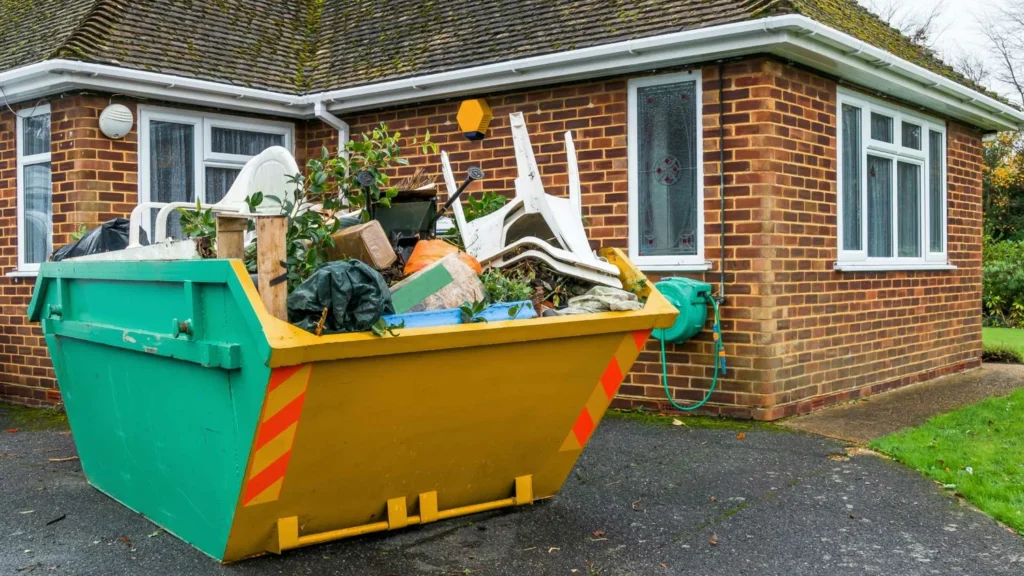
Home work grows fast when you take on large floor jobs. A affordable Dumpstar rental fits this rush with ease. You can place all tile waste in one large bin and keep your site clean and open. This path works well for long builds and big cuts. You must check with the rental team to know what they take and how they sort it.
Some bins need clear marks for hard waste or sharp parts. This helps you learn where to dispose of old flooring in a legal way. You stay safe when you use set rules and place each tile in the right spot. These steps help you move with ease and keep your work site clean and calm as you finish each phase of your home build.
Step 5: DIY Tile Disposal at Home
Small Projects Made Easy
Bagging and Transporting Tiles
Small tile loads can fit a simple plan with ease. Start by placing each tile in strong bags or firm bins that hold sharp edges well. This helps you dispose of old tiles in a safe way.
Wear gloves to guard your hands and use a mask to block dust as you sort each piece. Move slow and steady to keep each load calm. Stack bags in short sets so you can lift them with no strain. This path works well for small home jobs and keeps your space neat.
Drop Off Options
Many towns offer spots to take tile waste in light loads. You can use a transfer site or a linked eco yard that takes tile parts with clear rules. These sites guide you with set weight limits and simple steps for each type of tile. This helps you follow environmentally friendly tile disposal rules that guard your land and water.
Ask staff at the site if they take your tile kind or if they need it in a set group. Each small act helps you move with ease and stay safe as you clear waste. You gain calm flow when you place each tile in the right spot and help your town stay clean and strong.
Step 6: Tips to Reduce Tile Waste in Future Projects
Prevent Excess and Promote Sustainability
Accurate prep helps you cut tile waste with ease. Start with clear room checks and use simple tools to mark each wall and floor. A calm plan helps you buy the right tile count for your space. This step guides you with tile recycling tips that support green work. You gain smooth flow when you pick only what you need and avoid large piles that sit unused.
You can also pick shops that take back clean tiles or offer reuse plans. Many sellers now hold eco lines and let you return extra boxes. This helps you recycle leftover tiles in a safe way. You can ask each shop what they take and how they sort it. These paths help you learn what to do with broken tiles and how best yard removal moves them to the right site with no stress.
Leftover tiles hold real value and can serve many tasks. Store them in dry spots for small home fixes. You can use extra pieces for craft work or small art boards. A few tiles can also shape neat garden steps or plant beds. These acts help you cut waste and build warm use from old parts. This path keeps your home strong and helps you plan green work with care.
Conclusion
A clear plan helps you dispose of old tiles in a safe way. You can sort clean pieces for reuse and place broken parts in set groups with care. These steps guide safe tile disposal and help you guard your land and water. You gain calm flow as you move each load with slow, steady steps that keep your work light.
Tile waste can grow fast in a large home. You can recycle leftover tiles at eco sites or give clean sets to groups that need them. You can also learn where to dispose of old flooring through your town guide. These steps show what to do with broken tiles and how to act with care. Junk People LLC helps make each act bring green gains that make your home work calm and kind.
You can keep your project smooth when you plan ahead. Pick reuse paths or pro help for large loads. Sort small sets for art or yard work. These moves help you guard the earth and end your project with pride. Plan your tile work now and choose the best path for each piece. This keeps your site clean and turns each step into a small win for you and your town.
FAQs
Small sets may fit local rules, but you must check first. Some towns block heavy waste in curb bins. Large loads need set drop spots. Your city guide will show you where to dispose of old flooring with clear steps. This helps you follow safe tile disposal rules with ease.
Many tiles, like ceramic, porcelain, and stone, can fit reuse paths. Some vinyl sets or tiles with glue coats may not. These parts need firm care and clear checks. Your town can guide what to do with broken tiles and which sites take them. This keeps your plan safe and calm.
Use strong bins or bags that hold sharp parts well. Lift small stacks at a time. Wear gloves and move slow to keep each load steady. This helps you avoid strain and stay safe.
Yes, small sets can serve a new life. You can recycle leftover tiles at eco sites or use them for art or yard tasks. These acts cut waste and bring new value to old parts.