
Safe Choices Help Your Home and the Environment
Old stoves take up space and can slow down your home work. You may feel lost when you start old stove disposal since each part feels heavy and hard to move. Some stoves hold sharp metal or old wires that need careful handling. You can learn how to get rid of old stove parts with simple steps that guide your plan.
A clear view helps you act with ease. You can sort each part and check local rules for drop spots. You may also find sites that take metal or linked parts for reuse. These steps help you avoid wrong acts that harm land or water. You also gain neat flow as you lift each item with slow, steady steps that keep your home clean.
This guide shows safe paths for old stove disposal and points you to options that feel light and kind. You can learn how to get rid of old stove units in ways that help your home and your town, and how to remove house junk easily with clear planning. You will also see how to repurpose parts for art tasks or yard use. Each act builds care for your home and keeps waste low while you move with clear, calm steps.
Why Proper Old Stove Disposal Matters?
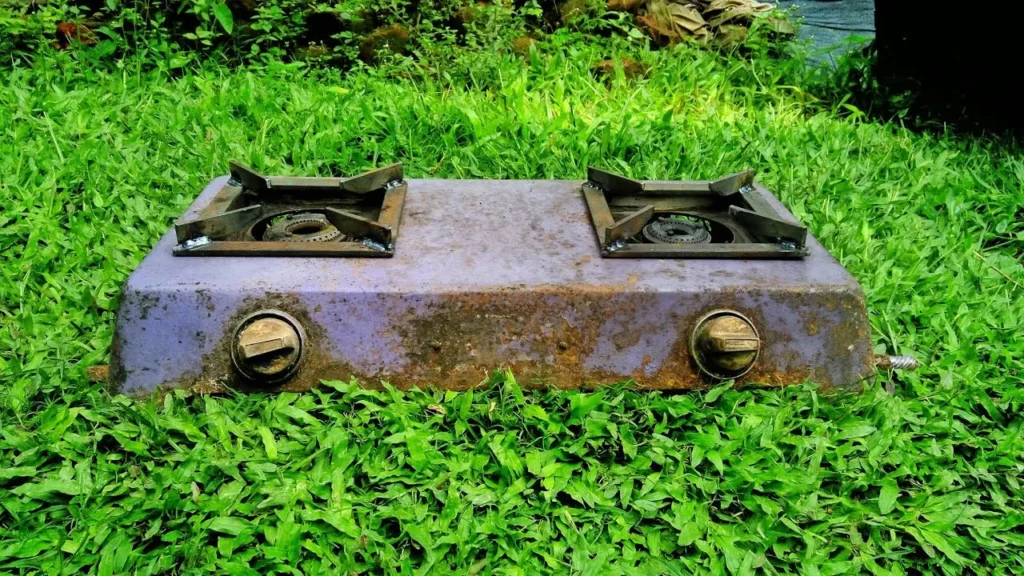
Old stoves feel heavy and hard to move. Some parts hold sharp metal or old wires that need careful handling. Safe acts support old stove disposal and help you guard your home. The right steps prevent harm and stop falls or cuts. Good plans also stop waste from going to land sites where it can harm soil and water. You can learn how to get rid of old stove units with ease and avoid stress as you move each part.
You may also save cash when you use drop spots or give working parts to groups in need. Some shops take metal for reuse, and some groups take full stoves for kind help. This guide shows clear ways to act with care. You gain safe tools for old stove disposal and learn how to repurpose parts or give sets to others. You also learn how to get rid of old stove units with green steps that help your town stay clean.
Step 1: Assess the Condition of Your Old Stove
Determine If It Is Functional or Broken
Start by checking how well your stove works. A full working stove can serve a new home and may fit a donate plan or a small resale. This helps you use old stove disposal steps that bring real value.
A stove with light harm can still be use since you can fix small parts or repurpose old stove units for craft or yard tasks. A stove that will not start or causes deep harm fits a recycle plan. This path keeps your home safe and turns hard waste into new use.
Identify Safety Hazards
Look with care at each part of the stove. Check gas lines or wire cords since these parts need slow, safe moves. Look for sharp edges, rust, or loose parts that can harm your hands. Wear gloves and firm gear to guard your skin, and consider affordable hazardous removal for safe handling while you move each piece.
This helps you act with calm steps for old stove disposal. You gain safe flow as you handle each part and sort what needs to drop, reuse, or fix. Each check keeps risk low and helps you choose the right path for your stove.

Step 2: Safe Disposal Options for Old Stoves
Curbside or Municipal Collection
Start by asking your town waste team for rules. Some towns offer large item pick up on set days. You can plan a time for them to lift your stove with safe tools. Follow each rule they give so your plan stays smooth. These steps support stove recycling options and help you use eco-friendly stove disposal paths with ease.
Appliance Recycling Centers
Many centers take old stoves for green use. You can find a site near your home with a quick search and learn how much appliance removal cost may apply. These centers sort metal, glass, and wire parts with care. Each part then moves to reuse lines that help cut land waste. This path feels calm and helps you guard the earth. You gain a clear flow as you use stove recycling options that turn old parts into new use.
Junk Removal Services
A stove can feel too heavy to move on your own. Junk crews lift this weight with firm skill. They use strong tools and safe steps to move each part. Many crews also work with green sites for reuse. This makes eco-friendly stove disposal easy for you. Call a crew if you want fast work and a clean space with no stress.
Step 3: Donate Your Old Stove

Charities and Nonprofits
A working stove can serve a new home with real value. Local groups may take your unit and place it with people in need. You can call a shelter or a town center and ask if they take full stoves. Large groups like Habitat for Humanity, ReStores, Goodwill, or the Salvation Army may also take clean sets. These paths help you donate old stove units with ease and care. You gain calm flow and help others at the same time.
Selling or Giving Away
You can list your stove on sites that link you with local users. Post on Craigslist or Facebook Market and add a short note on its shape. Freecycle also helps place items in new homes at no cost. Clear photos help users see the true state of your stove. These steps show how to get rid of old stove units with no stress while you make space in your home.
Step 4: Creative Ways to Repurpose or Upcycle
Convert Into a Garden Planter
You can repurpose old stove shells and turn them into fun yard tools. Start by removing all inner parts so the frame stays light. Fill the open space with soil and plant herbs or bright flowers. The strong metal frame holds well in rain and sun and adds a bold touch to your yard. This is a calm path to upcycle old stove units and cut waste at the same time.
Use as an Outdoor Fire Pit
Old stove shells can serve as warm fire pits for your yard. You must add safe steps like air vents and a firm base. Place the unit on open ground far from walls or plants. This gives you a steady fire spot for cool nights. You gain a new tool while you repurpose old stove frames with care.
DIY Storage or Furniture
The open oven space can serve as a neat box for tools or craft sets. You can clean the inner frame and add small shelves for simple storage. Some users turn the stove into a small work desk with light gear. These steps help you upcycle old stove shells with ease. Each act gives new life to old parts and keeps waste low while you shape a fun and useful item for your home.
Step 5: Preparation for Disposal or Pickup
Disconnect Safely
Start your old stove disposal plan by cutting all power or gas flow. A gas stove needs firm care. Turn off the gas line and let a trained tech remove all links. This keeps your home safe. An electric stove needs less work. Unplug the cord and check that no live wire stays loose. Slow steps help you avoid harm as you move the unit.
Clean and Remove Personal Items
Take out all racks, trays, and loose parts from the stove. Place them in a box so nothing falls during the move. Wipe the inside and outside to clear dust or old food bits. A clean stove is easier to lift and keeps mold from spreading in your home. These steps support stove recycling options and help you hand off a neat unit with no mess.
Protect Floors and Walls
Place cloth pads or old boards on the floor before you slide the stove. This keeps your floor safe from deep marks. Use a pad on walls near the path so no paint chips fall. Move with slow care to keep each step smooth. These acts give you a calm flow and help you finish your old stove disposal with no harm to your home.
Step 6: Eco-Friendly Disposal Practices
Separate Materials for Recycling
Old stoves hold metal, glass, and plastic parts that fit reuse lines. Sort each part with care so you can use stove recycling options that help the earth. Many towns also run e-waste lines that take wire parts and small tech bits. These paths guide eco-friendly stove disposal and keep hard waste out of land sites. Slow steps help you move each part with calm focus and clear aim.
Communicate Environmental Awareness
If you plan to give your stove to a group, add a short note that shows your green aim. You can write eco-friendly disposal on your list so users know your plan. This helps others learn reuse paths and build kind acts in your town. You can also share tips with friends or groups near you. These steps help your town grow green and strong. Eco-friendly stove disposal builds a safe, clean world for all.
Step 7: Safety Tips During Removal
Use Proper Lifting Techniques
Old stoves feel heavy and need calm moves. Lift with your knees and keep your back firm and straight. This helps you avoid pain as you move the unit. Ask a friend to help you lift each side so the stove stays steady. Slow work and shared tasks help you learn how to get rid of old stove units with ease, or choose professional junk removal to keep old stove disposal safe for your home.
Personal Protective Equipment
Wear strong gloves to guard your hands from sharp edges. Use eye gear to block dust and small bits. Steel-toe shoes help protect your feet from falls or hard hits. Old stoves can hold rust or loose parts that harm the skin. These tools help you stay safe as you lift and turn the stove.
Avoid Common Mistakes
Do not place the stove on public paths without a clear right to do so. Do not dump the stove in open fields or near roads. These acts harm the land and break town rules. Do not open the stove or take out parts if you lack skill. Wrong steps can cause harm. Slow safe acts guide old stove disposal and keep your home calm.
Step 8: Checklist for Easy Stove Disposal or Repurposing
Start with a quick check of the stove to see if it works or causes harm. Pick a clear path for your plan. You can choose to drop, reuse, or use a fun craft. Cut all power or gas and clean the stove so it moves with ease. Use pads on floors to guard your home as you lift. Set a time for pick up or plan a drop trip for the unit.
Use green steps when you sort metal or wire parts. Safe acts help your town stay clean. You can also shape a new use for old parts if you enjoy craft tasks. Wear gloves and eye gear for each move, and call the site or user who will take the stove. This makes each step calm and clear.
Conclusion
A clear plan helps you stay safe as you work through old stove disposal. You learn slow steps that guide each move and keep your home calm. You can check the stove, clean the frame, and pick a path that fits your needs. These steps help you learn how to get rid of old stove units with care and keep waste low in your home and your town.
You also gain strong value when you look at green paths. You can give working stoves to groups in need or place old parts in reuse sites. You can also shape new uses for metal frames or inner parts. These acts help your town grow, and Junk People LLC shows how old stove disposal can serve others and build safe, clean spaces.
Start your plan now with calm steps you trust. Check the stove, cut all links clean, each part, and pick a path that feels right for you. You can drop the stove, donate it, or try a fun craft use. Each act keeps your home safe and neat. Begin your project today and build a bright eco path for the year ahead.
FAQs
Some towns allow small units in set bins, but most do not. Old stove disposal often needs a bulk pick-up or a drop site. Check your town rules before you act.
Some centers take stoves for free, while others ask a small fee. The cost depends on weight and parts. Call your local site to check the rate.
Yes, you can donate old stove units if the harm is light and safe. Many groups take units that work well with small fixes.
You can repurpose old stove shells for planters, fire pits, or small craft desks. Keep sharp parts covered and move slow with each step.
Turn off the gas line first, then let a trained tech cut all links. This keeps your home safe and helps you avoid harm.