
Your yard looks fresh and neat after the new work. The plants are set, and the soil is smooth. Then you see the piles left behind. Leaves and branches sit across the lawn. This is the part many people forget. Dealing with yard waste after landscaping can feel like one more big task.
Now let’s see how to handle it the right way. You might notice small piles grow fast. Waiting too long makes the job harder. A simple plan keeps things under control. With smart steps for yard cleanup after landscaping, you can clear the mess and keep your space neat.
Why Proper Yard Waste Handling Matters After Landscaping
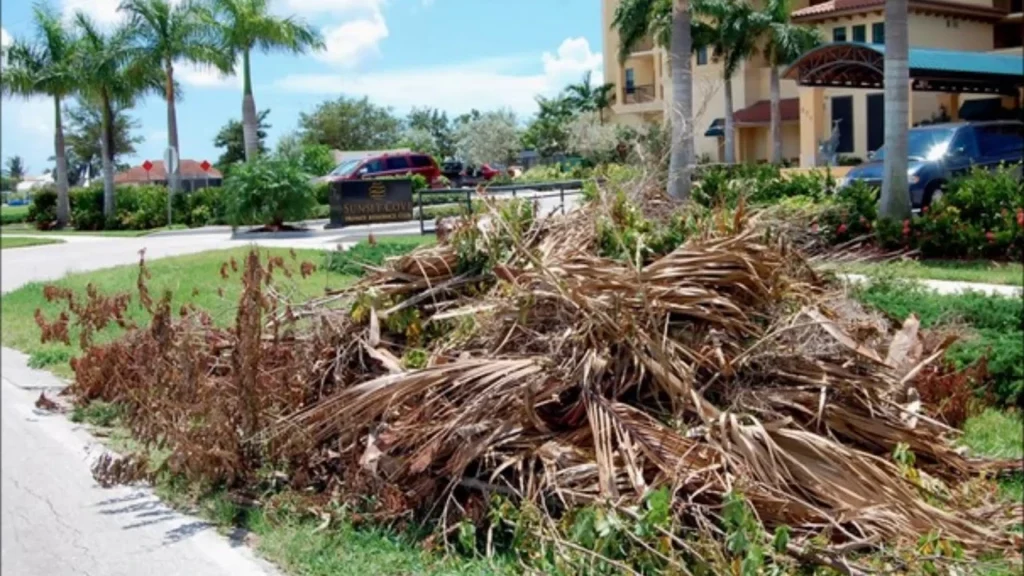
A fresh yard can boost curb appeal fast. New plants and clean edges look great. But piles left behind change that view. Yard waste after landscaping can turn progress into clutter. Leaves and branches sit in plain sight. Soil mounds block walkways. What felt complete now looks messy. Acting early keeps your space neat and stress low.
Proper yard waste handling matters so much. Poor yard waste disposal can attract pests and cause bad smells. Wet debris may block drains and hold water. That leads to more work later. Smart yard cleanup after landscaping prevents these issues. Simple yard waste removal tips help protect your yard and the local area.
1. Identifying Different Types of Yard Waste
Knowing what you are dealing with makes cleanup easier. Let’s break down the main types before you start.
Common Landscaping Debris
After a project, different piles often sit across the yard. You may see grass clippings spread near the edges. Leaves collect in corners and along fences. Branches and twigs stack up fast. Soil and sod form heavy mounds. Plant trimmings also add to the mess. Sorting yard waste after landscaping starts with knowing clearing debris construction and these common materials well.
Why Sorting Yard Waste Matters
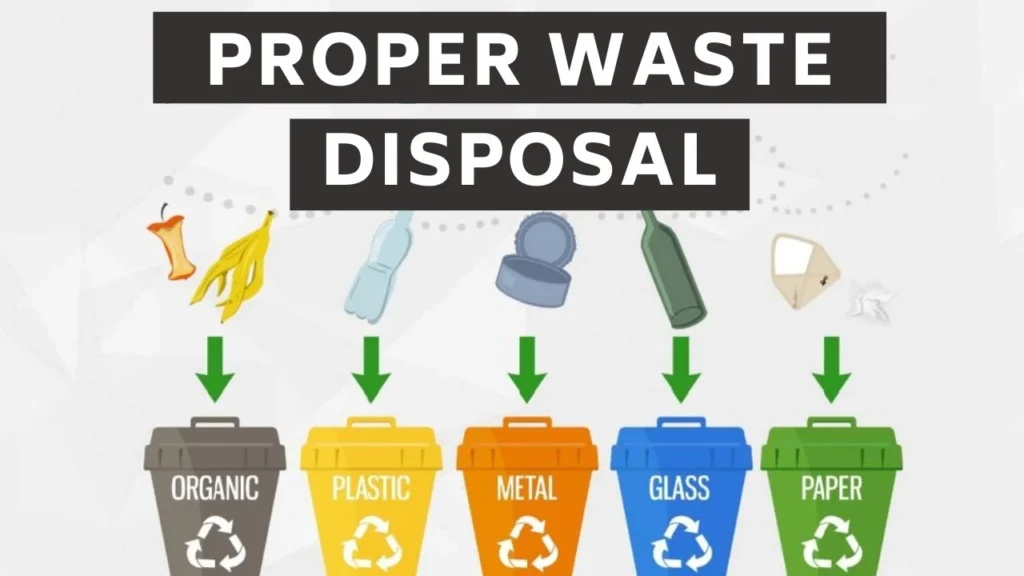
Now let’s see why sorting is so useful. Mixed piles slow down yard debris cleanup. Clean groups support simple landscaping waste disposal steps. Leaves and grass break down well in compost bins. Branches may need separate handling. Clear sorting also improves recycling results. In short, proper planning makes landscaping waste easier to manage.
2. Safe and Efficient Yard Waste Disposal Options
Choosing the right method saves time and effort. Let’s review simple options that keep your yard clean.
Curbside Yard Waste Collection
Many cities offer curbside pickup for yard materials. This option works well for yard waste after landscaping projects. Check your local schedule before placing bins outside. Most programs list accepted items like leaves and branches. Follow bundling rules for sticks and twigs. Proper setup supports smooth yard waste disposal and avoids missed collection days
Yard Waste Drop Off Locations
Drop-off sites give another easy solution. Green waste facilities handle large loads quickly. Many towns run community recycling centers year-round. Some areas also offer seasonal collection programs. These sites focus on green waste disposal and safe handling. Always review rules before visiting. Clear planning makes holiday cleaning guide simple and stress-free.
3. Composting Yard Waste the Right Way
Composting turns waste into useful soil for your garden. It is simple when you follow the right steps.
What Yard Waste Can Be Composted
Many items from yard waste after landscaping can go into compost. Leaves break down quickly and add carbon. Grass clippings provide rich nitrogen content. Small branches can decompose when cut into pieces. Plant cuttings also work well in piles. Using compost yard waste methods helps reduce landfill use and supports organic yard waste recycling at home.
Composting Best Practices
Now let’s look at simple compost habits. Balance green and brown items in each layer. Turn the pile often to add air. Keep moisture steady but not soaked. Avoid weeds or invasive plants in compost. These steps show how to manage toxic waste exposure in a clean, natural way. Good care leads to rich soil.
4. Handling Large Landscaping Debris
Large debris needs extra care and clear steps. Let’s review simple ways to manage heavy materials safely.
Managing Branches and Tree Limbs
Large branches can feel hard to manage at first. Start by cutting limbs into smaller sections. This makes branch disposal safer and easier. Bundle sticks with strong ties before moving them. Stack piles neatly along one side of the yard. Sorting yard waste after landscaping helps keep heavy yard debris under control.
Dealing With Excess Soil and Sod
Extra soil and sod do not need to go to waste. Reuse soil in garden beds for future plants. Level the low areas around the lawn with spare dirt. Offer clean soil to neighbors who need fill. These steps reduce yard debris piles and save money. Smart reuse keeps the yard neat and balanced, while managing tub removal cost efficiently.
5. Eco-Friendly Ways to Reuse Yard Waste
Reusing yard materials helps cut waste and save money. Simple steps can turn debris into useful garden resources.
Mulching for Landscaping
Mulching is a smart way to handle yard waste after landscaping. Shredded leaves and small chips work well around plants. Mulch helps retain moisture in the soil during warm days. It also blocks light and prevents weeds from growing. This method supports eco-friendly yard waste use and keeps garden waste management simple and effective.
Creative Yard Waste Reuse Ideas
Now let’s explore more reuse ideas. Dry leaves can form soft leaf mulch for beds. Spread them along paths to create simple garden pathways. Build natural compost beds in quiet yard corners. These ideas support rid of a pull bar and reduce trash output. Small changes make eco-friendly yard waste reuse easy for any home.
6. Seasonal Yard Waste Cleanup Tips
Each season brings new yard tasks and fresh debris. Planning keeps cleanup simple and stress-free.
Spring and Summer Yard Cleanup
Warm months bring fast growth and more trimming work. Grass grows thick and needs steady care. Flower beds leave behind cut stems and leaves. Storms may scatter small limbs across lawns. Clearing yard waste after landscaping in these months prevents buildup. Smart seasonal yard cleanup keeps spaces open and neat for daily use.
Fall and Winter Yard Waste Challenges
Cool weather creates a different set of yard tasks. Leaves fall quickly and cover lawns in layers. Fallen branches appear after wind and rain. Dormant plants need careful trimming and removal. These changes call for steady yard cleanup tips. Regular checks prevent large piles and keep seasonal landscaping waste disposal simple and organized.
7. Mistakes to Avoid When Disposing of Yard Waste
Small errors can slow down cleanup and raise costs. Knowing what to avoid keeps your yard clear and simple.
Common Yard Waste Disposal Errors
Many people rush through yard waste after landscaping and miss key steps. Mixing waste types makes sorting harder later. Overloading bins can lead to missed pickup days. Ignoring local rules may cause fines or delays. These common landscaping cleanup mistakes slow progress. Simple yard waste disposal tips help prevent stress and extra work.
How to Avoid These Issues
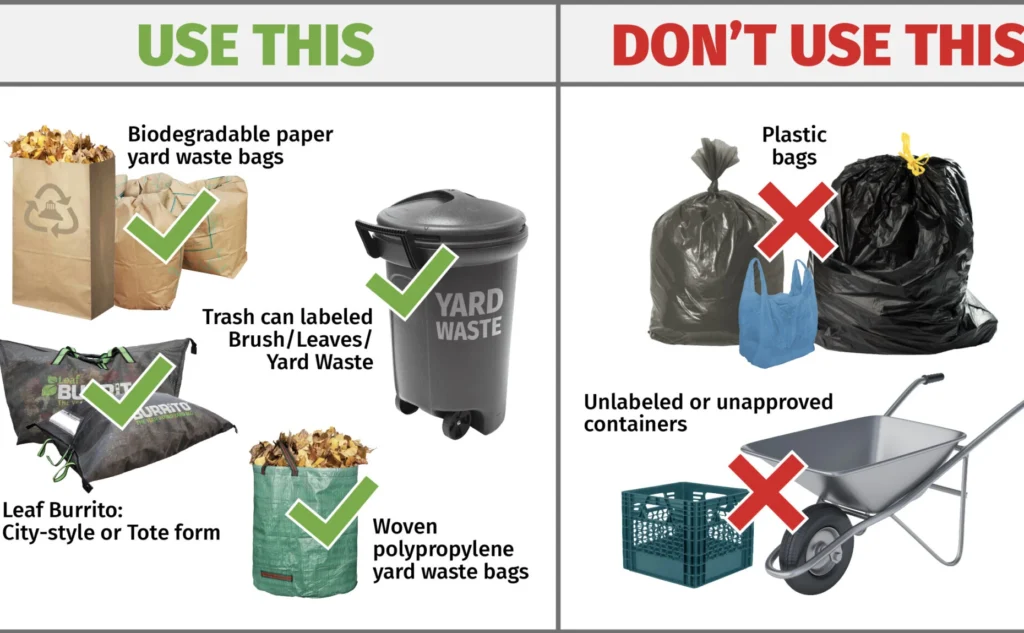
Now let’s focus on smart solutions. Follow local disposal rules before placing bins outside. Use proper containers for leaves and branches. Do not mix soil with green waste piles. Plan landscaping cleanup in small stages. Steady work keeps loads light. Clear yard waste disposal tips make the process smooth and simple.
8. Keeping Your Yard Clean After Landscaping Projects
A clean yard protects your hard work and fresh design. Simple habits help prevent clutter from building again.
Post Landscaping Cleanup Checklist
Right after the project ends, take action fast. Remove debris promptly before it spreads across lawn areas. Rake and level soil to smooth uneven spots. Inspect drainage areas for blocked flow or pooling. Clearing junk removal services after landscaping keeps spaces tidy. Strong yard cleanup after landscaping habits protect your new outdoor look.
Long-Term Yard Maintenance Tips
Now let’s think about future care. Regular trimming prevents plants from overgrowing walkways. Plan seasonal cleanup to manage leaves and fallen stems. Follow simple yard maintenance routines each month. Use sustainable waste practices like composting when possible. Steady care keeps problems small and supports yard cleanup after landscaping all year long.
Conclusion
Handling yard waste projects does not need to feel hard. A clear plan makes each step simple. Start with sorting and safe removal. Use compost when possible and follow local rules. These steps reduce clutter and protect your space. Managing yard waste after landscaping with care keeps your yard neat and ready to enjoy.
Now let’s bring it all together. Small habits make a big impact over time. Plan seasonal cleanup and reuse materials when you can. This approach supports a clean yard and steady upkeep. Use Junk People LLC as your full checklist. Stay consistent, and your outdoor space will remain tidy all year.
FAQs
The best method is to sort materials first. Compost organic waste when possible. Use approved pickup or drop sites for the rest. This keeps disposal simple and clean.
Yes, most organic yard waste can be composted safely. Leaves, grass, and small trimmings break down well. Proper balance and airflow help create healthy compost for garden use.
Avoid composting diseased plants, invasive weeds, and treated wood. These items may spread pests or chemicals. Keep them separate and use approved disposal options instead.
Remove yard waste after each major project. Plan seasonal cleanups during peak growth months. Regular removal prevents buildup and keeps outdoor areas neat.
Eco-friendly disposal reduces landfill waste and protects soil quality. Composting returns nutrients to the ground. Smart waste care supports long-term garden health.