
Why Understanding Hot Tub Removal Costs Matters
Hot tub removal often feels simple at first, but the cost can shock you once the work begins. You look at the tub and think it will move fast, yet you soon wonder how much the job will cost and why the price feels high. Many people ask how much does hot tub removal cost because they expect light work, but face a bigger task. A clear guide helps you understand the process before you start.
Hot tubs also need careful disposal because some parts can harm the soil or water when handled the wrong way. One small mistake can bring fines, extra fees, or trouble with local rules. Learning the right steps early helps you avoid stress and makes the removal safer for your home.
This guide breaks down every major cost factor so you can understand what affects the final bill. It also highlights eco-friendly options and simple ways to save with smart planning. These insights make the process smoother and show clearly how experts handle hot tub removal with efficiency and care.
Factors Affecting Hot Tub Removal Costs
What Determines the Price?
The size and weight of your hot tub change the hot tub disposal cost more than most people expect. Large tubs take extra time, more hands, and strong tools to move. Smaller tubs cost less because they come apart fast and pass through tight spots with ease. Big tubs also need cutting or lifting, which slows the job and adds more work.
The material also changes the hot tub disposal cost because each shell reacts in its own way. Wood tubs weigh more and take longer to cut. Acrylic shells need slow and careful handling to stop cracks. Fiberglass bends during lifting, so more control and more help are needed. Each material shifts the time, effort, and tools the crew must use.
Accessibility impacts the final price since tight spaces slow down the work. Narrow gates, sharp turns, or elevated decks require the crew to move carefully. A tub located in a sunken patio or on a raised platform takes extra time to reach. The more difficult the access, the higher the cost, which is why a professional hot tub removal team plans carefully for every situation.
The disposal method matters too. DIY removal saves money but takes time, tools, and a steady plan. Professional hauling costs more but keeps the work safe and fast. Some teams include lifting, cutting, and transport in one price, which changes the final bill.
Local rules and landfill fees also raise the cost. Some areas require permits before hauling the tub away. Landfills charge by weight or by material, which adds more fees. These small rules raise the cost fast if you do not plan early, and this is why a clear hot tub removal guide helps you stay prepared.
Preparing Your Hot Tub for Removal
Step-by-Step Preparation Tips
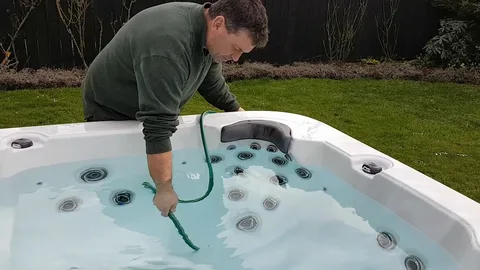
Many people rush into removal without planning, but careful prep makes the job easier. Drain all water and disconnect plumbing and electricity before you start any move. This simple step keeps the tub light and safe to handle. A dry and unplugged unit stops spills, lowers shock risk, and helps the team lift with steady control.
Remove steps, covers, and accessories to reduce weight so the job feels lighter from the very first lift. Heavy covers slow the team down and make tight paths harder to navigate. Taking off panels, steps, and loose parts keeps the load smaller and easier to carry an essential part of how to remove a hot tub safely and efficiently.
Inspect for reusable parts or resale options before hauling the tub away. Pumps and lights often still work even when the tub does not. Selling or donating these parts cuts removal costs and keeps good items out of the landfill.
Plan the transport route for safe removal well before the team arrives. Clear yard items, trim low branches, and check the gate width for smooth passage. A clean path prevents slips, protects the crew, and helps the tub move out without sudden stops or surprises.
DIY vs. Professional Hot Tub Removal
Pros, Cons, and Cost Differences
DIY removal can lower the cost to remove a hot tub and may seem simple at first, but the work becomes tougher once you begin. You have to lift each part by hand and cut panels into smaller pieces so they can pass through tight areas. You also need to haul the debris to the proper disposal site yourself. This method works best for smaller tubs that come apart quickly. Larger tubs take more time and require careful planning for every move. Many people try DIY to save money, but forget that disposal, hauling, and cleanup still require real effort, something a solid hot tub placement guide can help you understand before you start.
Professional removal costs more, but the process stays smooth from start to finish. Prices often sit between two hundred and twelve hundred dollars based on size, layout, and access. A trained team handles lifting and hauling and keeps the job safe. They bring saws, straps, dollies, and cutting tools so the work moves fast. You also avoid mistakes that slow the job or add more fees. The extra cost gives you comfort, a clear yard, and less stress.
Your choice comes down to your skill, time, and safety needs. If the tub sits on a tight deck or has heavy wood panels, a DIY job becomes risky fast. Built-in tubs hide pipes and wires that need careful handling. If you lack tools or time, the professional route keeps things simple. If you have strong helpers and an open space, you may handle a small tub on your own.
Eco-Friendly Hot Tub Disposal Options
Responsible Ways to Recycle or Donate
Many people look for safe ways to get rid of old tubs without adding waste. Eco-friendly hot tub disposal helps keep useful parts out of landfills. Donate your tub if it still works because some groups use them for training or wellness work. A working tub gives value to places that need low-cost equipment.
Recycle metal parts separately so each piece gets reused. Frames, pumps, and wiring often fit metal recycling rules and help reduce waste. Sorting these parts takes a little time, but it keeps heavy items out of landfill space.
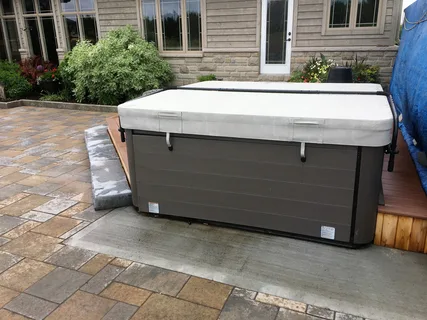
Call certified recycling teams that handle large tubs. These groups break the tub into safe parts and sort each material. They also manage the transport, which keeps the job simple for you.
Never dump old tubs in empty lots or fields. Illegal dumping brings fines and harms the land. A safe plan protects your yard, your community, and the environment.
Hidden Costs and How to Avoid Them
Unexpected Fees to Consider
Some areas add landfill fees that raise your average hot tub removal price, and many people do not expect this cost. These fees depend on weight and local rules, so heavier tubs cost more to dump. Landfills also charge extra for mixed materials, which adds to the final bill. Checking these fees early helps you avoid surprise costs.
Built-in or spa models often need extra cutting because they sit deep in a frame. This extra work adds labor fees quickly and turns a simple task into a long job. Cutting wood or strong shells takes time and tools, which raises the final cost. Asking your crew about dismantling fees before the job begins helps you plan better.
Transport fees rise when the hauling team drives long distances. Fuel rates and travel time change the price, especially if your home sits far from a dump or recycling center. Some companies charge by distance, while others use fixed zones. Knowing the fee style keeps your budget in line.
Large tubs sometimes need crane help, and this cost surprises most homeowners. A crane is needed when a tub sits on a deck or behind tight walls. Permits for crane access add more cost because cities require safe operation in those areas. Planning this early prevents delays and keeps the job smooth.
Hot Tub Removal Cost Comparison Table
| Hot Tub Type | DIY Cost | Professional Cost | Notes |
| Portable 2–3 person | $50–$150 | $200–$400 | Easier to move, lighter weight |
| Large 4–6 person | $100–$300 | $400–$900 | Requires more labor, may need crane |
| Built-in Spa | $150–$400 | $800–$1,200 | Complex disassembly and hauling |
| Accessories/Parts | Minimal | $50–$150 | Covers, steps, pumps removed separately |
The cost to move each tub changes with size, weight, and layout because each part of the job adds time. Heavy tubs need more tools and extra hands to move them safely. Tight corners and narrow paths also slow the process and push the cost higher.
Some units require crane lifts, which raise the final number fast because the crew must bring more equipment. A crane is used when a tub sits on a deck or behind tall walls. The notes help you see why these steps add more work and more fees.
Use these numbers when removing a large jacuzzi so you can plan the right budget and avoid guesswork. These details help you understand the real cost before the team arrives. A clear plan makes the whole removal easier and saves time.
How to Save on Hot Tub Removal Costs
Practical Tips to Reduce Expenses
Selling parts is one of the easiest ways to lower costs because many tubs have pieces that still work. Covers, pumps, and steps still hold value even when the tub no longer runs. A quick sale gives you cash back and lowers the load you need to move. This simple step keeps waste low and helps you save without extra effort.
Planning a DIY job with friends cuts costs because more help makes the work lighter. A tub feels heavy when you lift it alone, but a group can tilt and carry each part with less strain. Sharing the work helps you avoid labor fees and keeps the job safe. It takes time, but the savings feel worth the effort.
Getting prices from many teams helps you find a fair deal because rates differ from one crew to another. Some companies offer lower fees on slow days or include disposal for free. Checking these options protects your budget and gives you clear choices. Comparing quotes also helps you understand what each service covers.
Choosing off‑peak seasons saves money because removal teams stay less busy during cold months. Winter often brings lower rates and faster service since crews work fewer jobs. Planning your schedule around these times helps you get fair prices without losing quality. This simple change keeps your budget stable and the job smooth.
Conclusion
Take Action (Remove Your Hot Tub Safely)
Knowing how much does hot tub removal costs helps you plan with confidence. Size, weight, and access all affect the final price, so understanding each factor gives you a clear path forward. A simple, organized plan makes the job quicker and keeps you in control just the way Junk People LLC handles every removal project.
Eco-friendly choices also protect your yard and the community. Safe recycling keeps waste low and keeps heavy parts out of landfills. A small effort today leads to a cleaner space tomorrow.
Clear cost awareness removes stress because you know what to expect from the start. When you prepare early, the whole job feels easier and more steady. Good planning saves time and keeps the process smooth from beginning to end.
Ready to remove your hot tub safely? Compare local disposal options today!
FAQs
Common Questions About Hot Tub Removal
You can remove a small tub on your own if you have steady help and simple tools. Take time to check wires and pipes before you start because built-in tubs hide more parts than people expect. If you feel unsure at any point, a removal team can handle the work for you.
DIY removal takes two to six hours because you must lift each part by hand. A team with tools and hauling gear often finishes in one to three hours. The time changes with size, layout, and access.
No. Most towns block this because tubs take up space and can harm the land. Your tub must go to a dump or a recycler that handles large items. A quick check with local rules keeps you safe from fines.
Yes. Many recycling centers accept tubs and break them into clean parts. Some groups reuse pumps, steps, or covers to cut waste. These options help you clear space without harming the environment.
Most tubs cost two hundred to twelve hundred dollars to remove, based on size and access. A crew explains the full cost to remove a hot tub, so you know what the bill includes. Their plan helps you understand the steps before the work begins.