

Yard work keeps your yard fresh and full of life. Waste builds fast and turns easy tasks into hard work. This guide helps you get rid of yard waste without using a dumpster. You learn simple steps that fit your day with ease. These moves build trust and calm in your yard care.
Yard waste can accumulate quickly after storms, with grass clippings, leaves, and dead plants forming tall piles, and tree limbs or hedge trimmings stacking near corners. This guide offers safe ways to clear each load efficiently. Following this avoid dumpster weight issues guide helps you stay organized, keeps your yard manageable, and keeps your mind calm during yard work.
You gain smart ways to reuse green waste with care. Yard debris can turn into mulch or strong compost piles. These acts lower costs and help your garden stay healthy. You learn tools that keep your work light each day. This guide helps you get rid of yard waste without using a dumpster fast.
What Is Yard Waste?
Common Types of Yard Waste: Leaves, Branches, Grass, Soil, Shrubs
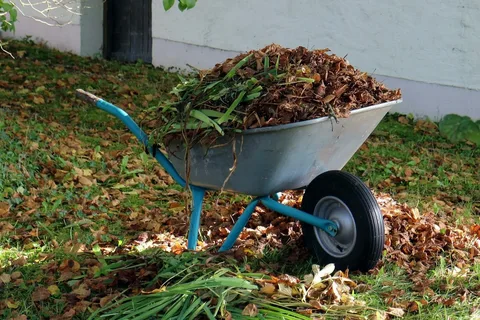
Yard waste comes from daily yard care. Leaves fall and form soft piles. Grass clippings build up fast after each mowing. Tree branches and limbs drop in storms. Shrubs and hedge trimmings stack near fences. Soil and weeds fill buckets during garden work. These items form the main load of yard debris. Each type needs safe care for clean removal.
Organic Waste vs Non-Organic Yard Debris
Organic waste comes from living yard parts. Grass clippings, leaves, and dead plants all break down with ease. These parts turn into mulch or compost piles for soil health. Non-organic yard debris holds items that do not break down well. Rocks, plastic pots, and old metal tools stay hard for a long time. These items need safe yard waste disposal through local waste management. This split helps you sort your load with clear focus.
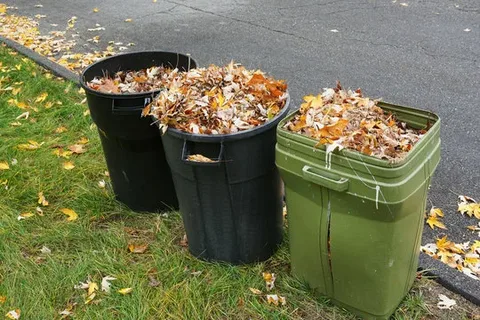
What Yard Waste Cannot Be Disposed of in Regular Trash?
Some items fall under strict prohibited waste rules. Large tree limbs do not fit in small bins. Wet soil and heavy root balls strain trash trucks. Paint cans or sharp tools do not count as yard waste. Treated wood brings risk and must be avoided in regular bins. Local yard waste pickup services give clear rules for these loads. You can take heavy loads to a yard waste drop-off site. This keeps your home safe and helps your town follow clean disposal rules.
Top Ways to Get Rid of Yard Waste Without Using a Dumpster
1 Start a Simple Backyard Compost Pile
A compost pile turns green waste into rich, healthy soil. The process relies on slow heat and steady airflow, allowing grass clippings, dry leaves, small weeds, and dead plants to break down easily. Avoid adding meat, dairy, or oily foods, as these can block the pile and attract pests. A well-maintained compost pile improves soil health, softens garden ground, and strengthens root growth. It also reduces waste that would otherwise go to landfills. For larger loads or busy yards, professional yard waste removal can make the process faster and hassle-free.
2 Mulch Your Clippings and Branches Natural Fertilizer
Mulch feeds soil and holds water for plant care. A mulch mower cuts grass into fine bits for fast reuse. You can also chip branches with a small shredder for wood chips. Spread mulch around trees for cool shade on roots. Do not use thick wet piles that block air. This method builds healthy beds and lowers waste loads.
3 Drop Off Waste at a Local Yard Waste Facility
Many towns offer safe waste drop sites. These sites take leaves, grass clippings, and small limbs. Some spots also take soil and hedge trimmings. Use paper lawn bags for a simple hold. Remove rocks and metal before you go. Follow the site guide for clean drop steps. This choice keeps your yard clear without heavy work.
4 Use Yard Waste for Backyard Fires Only If Local Laws Permit
Some areas allow small fires for dry yard waste. Check burn rules before you start. Use dry sticks and small limbs for a clean burn. Do not burn wet leaves or heavy trash. Some towns block all open burns due to air rules. Follow local law for safe care of your yard.
5 Partner With a Local Lawn Care or Removal Company
A yard care team can pick small loads fast. They clear branch piles and leaf mounds with ease. Seasonal cleanup helps after storms or heavy falls. Costs depend on load size and travel needs. This option helps busy owners keep clean yards with low stress.
Additional Eco-Friendly Options Homeowners Often Miss
Yard Waste Curbside Pickup Programs
Many towns offer curbside pickup for green waste. You place leaves and grass clippings in paper lawn bags. You set branches in small tied bundles. A crew picks the load on set days. This service keeps your yard clear with low work. It also sends waste to organic sites for safe reuse. Many owners skip this option due to an old habit or wrong information. A quick check with local waste staff can fix that.
Rent or Borrow a Shredder from Neighbors or Community Groups
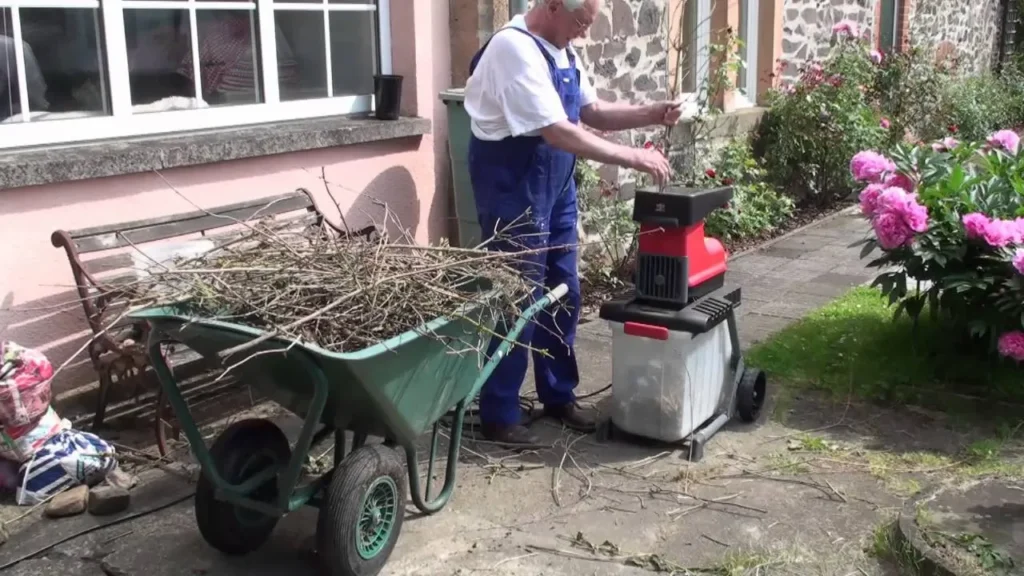
A shredder can turn small limbs into soft wood chips. You can rent one from tool shops near you. Some towns host share groups that loan gear for free. You can also ask neighbors for a quick swap. A shredder saves time and cuts waste loads with ease. It also turns rough branch piles into smooth mulch for beds. This move lowers cost and brings order to your yard work.
Reuse Branches and Logs for DIY Garden Projects
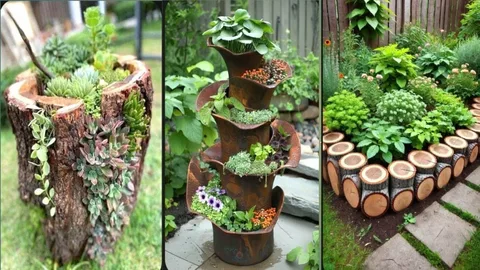
Yard waste can form smart DIY tasks. Thick branches can edge garden beds with safe support. Logs can form short seats for yard rest spots. Small sticks can frame plant rows for a neat style. These parts save cash and add charm to your space. Many owners toss these items without thought. Simple reuse keeps waste low and builds fun tasks for slow days.
Create Habitat Piles for Wildlife: Eco Beneficial Method
Some waste helps nature in calm ways. A habitat pile holds dry sticks for soft shelter. Small birds and yard animals use these piles for rest. Place the pile in a quiet yard corner away from the house. Use dry parts only for safe hold. This method keeps waste out of sites and helps local life. It also builds a soft, wild feel around your yard. This small act blends beauty with smart care for nature.
Talk to Your Local Community: Maximize Free and Low-Cost Options
Community Facebook Groups and Neighborhood Apps
Your town holds many free ways to move yard waste. Local groups often want leaves for garden beds. Many people seek grass clippings for compost piles. You can post one short note and find quick help. Some neighbors may even haul the load for practice or fun. These groups bring fast links and cut your waste costs with ease.
Local Gardening or Composting Clubs
Gardening clubs love free green waste for soil health. They take leaves, grass clippings, and small limbs for compost bins. You can drop items at their meet spots with no fuss. Clubs also share tips for clean lawn care. They guide you on safe mulch use and smart plant feed. These teams welcome new helpers and often take any size load.
Schools, Parks, or Farms Needing Organic Material
Many schools use leaves for class garden beds. Parks use clean mulch for trails and open spots. Small farms need dry sticks for pens and soil cover. These places often lack a steady supply of organic waste. A quick talk with the staff can set a weekly drop plan. This act helps your town and cuts your yard burden fast. It also keeps waste away from land sites.
Tool Libraries and Borrowing Programs
Some towns host tool libraries for yard work. You can borrow rakes, shovels, bins, and even small haulers. Some groups share wood chippers for branch piles. This saves cash and space in your shed. You return the tool after short use. This helps the next yard owner in line. These programs build strong ties and lower waste for all.
Tips for Preparing Yard Waste for Safe Disposal
Bagging, Bundling, and Cutting Properly
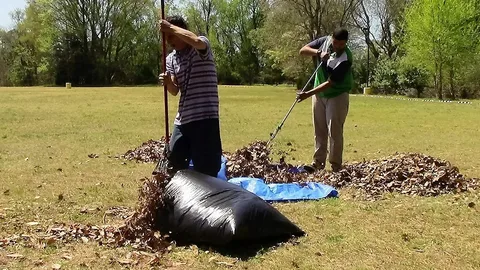
Good prep makes removal fast and safe. Use paper lawn bags for light loads. Tie small branches in short, tight bundles. Cut long limbs into easy carry pieces. Keep grass clippings in open bins for quick air flow. These steps help crews lift each load with ease. You also keep your yard clean during the process.
Separating Soil, Sod, and Rocks
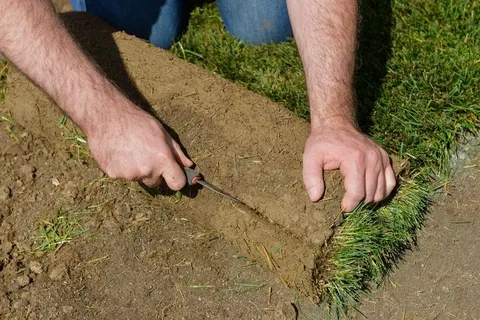
Soil needs its own bin for safe holding. Sod holds heavy water and needs firm bags. Rocks should stay apart from all green waste. These parts harm tools at waste sites. Sort each load with care before you move it. This helps your town handle yard waste with less strain. You avoid fees for mixed loads at drop sites.
Avoiding Contamination with Trash or Plastic
Do not mix trash with yard debris. Keep plastic pots out of leaf piles. Remove old tags and soft wraps before bagging. These items harm mulch and compost lines. Many sites refuse mixed loads due to strict rules. Clean prep keeps waste strong for reuse. You also protect soil health in your garden.
Weather Considerations Wet vs Dry Debris
Wet loads gain weight fast, and slow down your work. Dry leaves move easy and stay light. Wet grass forms clumps that block air flow. Try to gather waste after a dry day. If rain hits, wait for short sun time. This helps you pack clean bags without stress. Good timing keeps your yard work smooth and safe.
Legal and Environmental Considerations Homeowners Must Know
Local Ordinances for Burning or Dumping Yard Waste
Each town sets rules for yard waste care. Some towns allow small burns for dry limbs. Other towns block all burns due to air rules. Many places ban dumping in open fields. Check local staff before you act. This keeps your yard work safe and within the law.
Fines for Improper Disposal, Illegal Dumping Rules
Wrong disposal can lead to sharp fines. Dumping leaves in empty lots breaks town law. Dropping branches near roads harms public work. Mixed trash loads can bring extra fees at sites. Your best move is a quick call to your waste team. Clear rules help you avoid stress and lost cash.
Protecting Storm Drains and Waterways
Storm drains move water to streams and ponds. Yard waste can block these drains with thick piles. Leaves turn to heavy sludge that slows the flow. Grass clippings drift into the water and harm small fish. Keep all yard debris off the street before rain. Sweep your drive and walk for loose bits. These steps guard your town from floods. They also keep local water life strong and safe.
Ready to Clear Your Yard Without the Dumpster Drama
Quick Checklist for Easy Yard Waste Removal
A simple list keeps your yard work calm and clear. Pick up loose limbs first for fast wins. Bag dry leaves in paper lawn bags for safe holding. Cut long branches into short pieces for easy lift. Sort soil and rocks into their own bins. Keep grass clippings in open cans for quick air flow. Set each load near your drive for fast pickup. These steps shape a smooth plan that works for any yard.
Fast Ways to Reduce Yard Debris Volume
Small moves can shrink your waste pile with ease. Run a mulch mower to cut grass into soft bits. This feeds your lawn and drops your waste load fast. Chip small limbs into light wood chips for garden beds. Dry wet leaves in the sun before bagging. This keeps the bags light and easy to lift. Remove dirt from root balls before you toss them. Dirt takes up space and slows your work. These moves keep your pile low and your task list short.
When You Should Consider Professional Help
Some yards need more hands for safe care. Call a yard team when storms leave heavy limbs. Seek help when large piles block your gate or walk. Call a pro when you lack tools for safe cuts. A team can move big loads in one quick trip. This saves time and protects your back from strain. A pro team also knows local rules for drop sites. Their skill turns hard work into calm care for your yard.
Conclusion
You now know the best ways to clear yard waste without a dumpster. Use curbside pickup for fast service, start a compost pile to boost soil health, mulch leaves and grass for easy lawn care, or drop waste at town sites for clean reuse. Each option keeps your yard neat with minimal effort and teams like Junk People LLC can help make the process even smoother.
These methods stay eco-friendly and safe for your town. Good prep keeps waste out of land sites. Clean loads protect local water and air. Simple steps follow local laws with ease. You also save cash with slow and steady DIY moves. Each choice builds smart habits for long-term yard care.
Keep your yard work light with regular upkeep. Clear small piles before they grow. Trim shrubs on calm days. Sweep your drive after storms. Use quick daily checks for waste in tight spots. These acts keep your yard fresh and full of life. Your space stays clear, and your work stays easy.
FAQs
Most towns block yard waste from trash bins. Leaves and grass clippings harm trash gear. Large limbs do not fit in small cans. Check your local rules for clear steps. Many towns offer curbside pickup or drop sites.
These heavy parts need their own spot. Place soil in strong bags for safe holding. Sod dries fast and works well in compost pits. Rocks should go to a yard site that takes hard fill. Do not mix these items with green waste.
Some towns allow small burns on dry days. Other towns block all burns due to air rules. Fires can harm nearby homes if the wind grows strong. Check local fire staff before you start. This keeps you safe and within the law.
Small branches work well in compost piles. Cut them into short bits for fast breakdown. Logs take longer and may slow the pile. Use logs for mulch or DIY garden tasks. This helps your compost stay strong and warm.
Many towns offer free pickup on set days. You place leaves and grass in paper lawn bags. Branches go in tied bundles near the curb. Check your town site for clear times. This option keeps your yard clean with low work.
Composting is the lowest-cost method. Mulch mowers also cut waste for free lawn feed. Curbside pickup is often free in many towns. Drop sites can be free for small loads. These moves keep your yard clear without high cost.