

Many families feel lost when they search for how to prepare their home for an estate sale. The task feels heavy since each room holds old items and strong memories. You face stress as you try to form a clear plan that fits the estate sale preparation needs of your home.
You may also deal with legal steps that slow your plan. Estate executor responsibilities create more work and often block fast action. You need a home preparation checklist that feels easy to use. You want clean rooms and clear paths that help buyers move with ease. You also want a simple estate sale planning steps guide that keeps your home calm and safe.
This guide helps you learn how to prepare your home for an estate sale with steady steps. You gain real tips for item sorting and categorizing so your estate inventory list stays clear. You learn how to avoid common estate sale mistakes that waste time. You also gain simple staging steps that help each room shine. This full guide helps you plan with ease and shows you what to expect when you hire a junk removal team to support the cleanup process.
Understanding Estate Sales and Why Preparation Matters
An estate sale holds many items from one home and covers antiques, tools, art, and more. It also guides the estate clean-out process and helps form a clear estate inventory list. This links well with how to prepare a home for an estate sale since each step shapes the full plan.
Strong prep work helps raise item value and cut stress for all sides. Clean rooms and clear paths help buyers feel calm. Good order also helps the estate executor and the estate sale company work with ease and avoid common estate sale mistakes. Buyer mood plays a big part in each sales day. Buyers want clean rooms staged with care. They look for open space and clear signs that guide each step something that becomes easier when you use professional junk removal to clear clutter quickly and keep each area buyer-ready.
Step 1: Search the Entire Home With the Purpose
Full Property Walkthrough
Start with a slow walk through each part of your home. This step builds a clear view of what you own. It also links well with your estate sale preparation plan. You see items that need sorting and items that move to your estate inventory list with ease.
Items Often Forgotten
Many rooms hide small valuables that hold real worth. Check attics, sheds, and crawl spaces since these spots store antiques and old collectibles. These areas also hold key papers or family documents that help the estate executor and the estate sale company plan with care.
Key NLP Entities to Note
Look for antique artwork, tools, and vintage pieces that raise sale value. Collectibles and rare items help shape estate sale pricing strategy. These finds also guide home preparation checklist tasks and reduce common estate sale mistakes. This step builds a strong order for the next part of your plan.
Step 2: Secure or Remove Private Legal and Sensitive Items
What Must Never Be Sold
Some things must stay out of your estate sale preparation plan. Papers that hold will notes, bank info, or legal data must stay safe. Family photos or heir pieces also need full care. These items guide estate executor work and protect your home.
Items to Place in Locked Rooms
Use one locked room to store all private items. Place documents, jewelry, and old family gifts in this room. You can also move rare artwork or high-value collectibles here. This keeps your estate clean-out process calm and clear.
Reddit Style Estate Sale Mistakes
Many estate sale advice Reddit posts warn about lost papers. Users share stories of missing IDs or tax forms due to the rush. They also note wrong item sorting during the last-minute estate sale preparation. These errors slow estate sale planning steps and raise stress for the estate sale company.
Step 3: Photograph Everything Early for Documentation
Helps Pricing
Clear photos help shape a fair estate sale pricing strategy. Good light shows the real item shape and helps you judge antique artwork, tools, and vintage pieces. These photos guide the estate executor and support your estate inventory list. They also help you avoid common estate sale mistakes tied to wrong price steps.
Helps Marketing
Strong photos boost your estate sale advertising methods. Buyers want clear views of furniture, collectibles, jewelry, and kitchenware. Good photos help your estate sale company build strong ads that reach local estate sale services near me. These photos also help form a printable estate sale checklist for your sale day.
Helps Appraisers
Photos help the home appraiser and the professional estate liquidator note item value with ease. They support appraisal requirements and help experts judge real worth. Early photos also guide estate cleanout services and keep estate sale preparation smooth. They form a clean record that protects your home and helps your plan.
Step 4: Create a Clear Inventory and Binder System
Build a Full Inventory Sheet
A clean list helps your estate sale preparation stay calm and sharp. Use one sheet to track antiques, collectibles, furniture, tools, and artwork. This supports inventory management and helps your estate executor note what stays or sells. It also reduces common estate sale mistakes tied to lost items.
Form a Strong Estate Sale Binder
Your binder holds all key documents in one safe place. Add your estate inventory list, legal will instructions, and room notes. This helps estate sale planners near me and estate cleanout companies work with ease. A binder also guides labeling steps so each item sits in the right room.
Store Receipts and Appraisals
Place receipts, appraisals, and your pre-sale home cleaning list in this binder. These parts help the home appraiser judge fair value and support clean documentation. This step links well with preparing a house for estate liquidation since it keeps each move clear and organized for your full plan.
Step 5: Decide What You Will Sell, Keep, or Donate
Use Simple Emotional Filtering
This step feels hard since each item holds strong memories. Use clear estate sale tips for sellers to guide your mind. Keep items with deep value and sell items that no longer fit your life. This reduces stress and supports clean estate sale preparation.
Manage Family Claims
Family members and heirs may want some items. Let each person note claims on antique artwork, jewelry, or vintage pieces. This keeps the estate executor tasks fair and avoids common estate sale mistakes linked to family stress.
Appraisal and Donation Paths
Use appraisal categories to judge high-value collectible furniture and tools. A home appraiser or professional estate liquidator can help you sort items with care. Some working items can move to donation options that offer strong tax benefits to entities. These steps help prepare your house for estate liquidation and build a clean estate inventory list for your full plan.
Step 6: Price Your Estate Sale Items Strategically
Use Market-Based Pricing
Start with simple checks that match local resale value. Look at past sales for antiques, collectibles, furniture, and artwork. This helps you avoid common estate sale mistakes linked to guesswork. Market insight also helps your estate sale preparation stay fair and clear for buyers and collectors.
Learn How Pros Price Items
A professional estate liquidator uses skill and wide data to judge true worth. They sort rare items, vintage pieces, tools, and kitchenware with steady steps. Their method links well with estate sale planning steps and helps shape strong prices. This gives buyers trust and keeps each room calm.
Know When to Call an Appraiser
Some items hold deep value that needs expert eyes. A home appraiser can judge high-value items like jewelry, fine art, or rare collectibles. These steps help your estate executor and support preparing a house for estate liquidation. Strong pricing builds fair deals and raises your total gain.
Step 7: Clean and Prepare the Entire Home for Buyers
Deep Cleaning Areas That Impact Sales
Strong pre-sale home cleaning shapes buyer mood fast. Clean floors, walls, and high-touch spots. Shine kitchenware and clear old dust from storage items. Deep cleaning also supports your estate clean-out process and helps buyers see real room value. This step links well with how to prepare a home for an estate sale.
Decluttering vs Staging
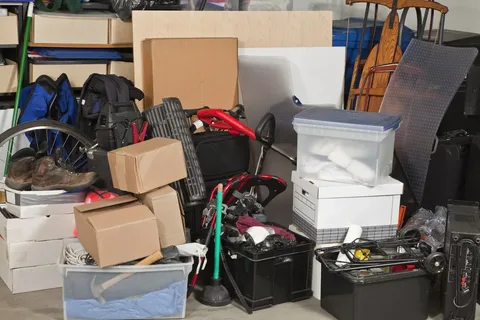
Decluttering before the estate sale makes each room open and simple to view. Remove extra décor and old clothing so buyers move with ease. Staging for estate sale, then adds light order to furniture, art, and home décor. This mix lifts your estate sale preparation and avoids common estate sale mistakes.
Why This Step Matters
Clean rooms help buyers and collectors feel trust. A clear order helps your estate sale company build strong ads for buyers. This step also guides your estate executor and supports preparing a home for sale and estate liquidation. Clean paths shape fast sales and strong value for your full plan.
Step 8: Arrange and Stage Rooms for Maximum Buyer Flow
Group Items by Category, Not Room
Use a simple home staging plan that groups items by type. Place antiques with antiques and place tools with tools. This layout planning step helps buyers compare value with ease. It also supports clear estate sale preparation and reduces common estate sale mistakes tied to mixed rooms.
Make High-Value Items Easy to View
Place rare items, collectibles, jewelry, and artwork in bright, safe areas. Buyers want clear light and open space when they check high-value pieces. This step links well with estate sale planning steps and helps the estate sale company build strong ads. It also guides your estate executor during item review.
Safety Walkthrough and Clear Pathways
Walk through each room and remove items that block safe paths. Clear floors protect buyers and collectors and help them explore the home. This supports preparing a house for estate liquidation and improves the estate clean-out process flow. A safe layout builds trust and keeps your plan strong.
Step 9: Set the Date and Understand Local Permit Rules
Do You Need a Permit
Some towns need permits for estate sale events. You must check city estate sale laws to avoid trouble. A permit helps guide zoning rules and keeps your sale safe. This step also supports your estate executor tasks and protects your estate sale preparation plan.
Rules by City or State
Each city sets clear rules for sign hours and parking. Some towns limit sale days, while others require early notice. Local estate sale regulations may guide how you place signage near your home. These rules shape buyer flow and keep your estate clean-out process on track.
HOA Limits and Home Rules
Many HOAs set limits on signs, crowds, and street access. Some block sales while others set short time windows. Check these rules early so your estate sale planning steps stay smooth. This step keeps all easy to prepare a home for an estate sale, easy to follow, and safe for all.
Step 10: Spread the Word and Market the Estate Sale Properly
Use Strong Photos
Clear, bright photos help buyers trust your estate sale preparation. Show antiques, collectibles, furniture, tools, and artwork in clean light. Good photos support estate sale advertising methods and help your estate sale company reach more buyers fast. These images also fit well with printable estate sale checklist guides.
Platforms to Advertise
Post your sale on local listing sites, estate sale planners in my area, pages, and social groups. Add posts on sites used by buyers and collectors who love vintage pieces. These steps help your estate executor and improve buyer flow. Strong ads also reduce common estate sale mistakes linked to weak outreach.
One Week Fast Promotion
If you need speed, follow the simple steps for how to have an estate sale in one week. Use daily posts to show clear photos and share the estate inventory list. This supports preparing a house for estate liquidation and boosts reach in a short time. Fast ads help buyers find your sale and increase your gain.
Step 11: Prepare for the Big Day
Staffing the Sale Family Friends Pros
Choose helpers who know your home and your estate sale preparation plan. Family members and heirs can guide buyers through antiques, collectibles, and artwork. A professional estate liquidator or estate sale company can manage crowds and prevent common estate sale mistakes. Strong help keeps the estate clean-out process smooth.
Payment Systems Cash QR Apps
Set up simple pay steps for buyers and collectors. Cash works fast, yet QR pay and phone apps give safe, clear proof. This helps the estate executor track funds and supports clean documentation. Clear pay steps also raise trust and help buyers move through rooms with ease.
Setting Boundaries and Off-Limit Areas
Mark rooms that hold private items, sensitive documents, or valuables you plan to keep. Use signs that guide buyers and protect your estate inventory list. This step supports preparing a house for estate liquidation and keeps your home safe. Clean limits help your sale stay calm and well planned.
Step 12: Post-Sale Plans and Disbursement Strategy
Manage Leftover Items
After the sale, you choose what to donate, discard, keep, or move to a small auction. This step guides clean disbursal strategies and keeps your estate sale preparation on track. Place antiques, collectibles, tools, and clothing in clear piles for fast review. This avoids common estate sale mistakes linked to rush and stress.
Use Professional Pickup Options
Estate cleanout services and home cleanout experts can lift and haul items you no longer need. These teams move furniture, electronics, artwork, or storage items with safe care. Their help supports preparing a house for estate liquidation and gives the estate executor more time for legal tasks. This step builds calm order for your plan.
Tax Deductible Donation Paths
Some groups accept working items and give tax proof for each drop. These tax-deductible donations help clear your home and aid local families. This step links well with estate sale planners in my area and forms a smooth end to your estate clean-out process.
Estate Sale Mistakes to Avoid at All Costs
Mispricing
Many estate sale mistakes start with wrong prices. Some items sell too low, while antiques, collectibles, and artwork sit unsold. Use market checks or a home appraiser to avoid loss.
Poor Scheduling
Weak planning hurts buyer flow. Pick clear days and follow local estate sale rules. Good timing supports your estate clean-out process and helps buyers move with ease.
Lack of Security
Some homes forget safe steps. Lock private rooms and guard valuables. This protects your estate inventory list and keeps the estate executor’s tasks simple.
Emotional Attachment
Strong feelings slow choices and block fair deals. Follow your estate sale preparation plan and use simple filters to keep each step calm.
Conclusion
You now hold a clear path for each core step in this plan. You learned how to sort items, build a clean inventory, and use smart staging that lifts buyer mood. You also used fair pricing checks and strong advertising to guide more buyers and collectors into your home. These parts shape a smooth estate clean-out process and support the estate executor with safe, reliable steps especially when partnering with trusted experts like Junk People LLC.
Proper prep makes your work calm and steady. Clean rooms, open paths, and strong layout planning help each buyer see real value. A fair estate inventory list protects your items while good estate sale advertising methods raise your reach. These parts also stop common estate sale mistakes and keep your sale day simple.
This full guide showed how to prepare a home for an estate sale with clear actions. Strong staging, fair pricing, safe inventory checks, and simple ads all support your goal. With these steps, you build trust, raise value, and complete your estate sale preparation with ease.
FAQs
Many estate sale advice Reddit posts share simple tips. Users say start early, build an estate inventory list, and avoid a rush. They also warn about lost papers and wrong item sorting. These talks guide safe estate sale preparation and help stop stress.
Some towns need a permit while others do not. Check city estate sale laws and local estate sale regulations. This helps your estate executor follow zoning rules and keeps your plan safe. A fast check saves time and avoids fines.
DIY helps small sales, yet pro aid fits large homes. A planner offers fair pricing, staging, and layout planning. They also stop common estate sale mistakes and guide buyers with skill. Pick the path that fits your time and need.
Start at least two weeks ahead. Early work helps with item sorting, cleaning, staging, and ads. This supports preparing a house for estate liquidation and builds calm order.
Use simple filters for items that hold strong feelings. Set some aside for family members and heirs. This keeps the estate clean-out process steady and stress-free.