

Most people feel lost after a move. Boxes sit in tall stacks and stare back at you. Wraps and bags fill the floor and make each step a test of skill. You want a clear path, yet the mess holds you in place. This is when the idea to recycle packing materials finally hits with real force.
Packing seems harmless at first. Then you trip over a huge bundle of wrapping paper and start to rethink life. Cardboard boxes form tiny walls that block each room. Bubble wrap pops under your feet like an odd drum. You may start to worry if this waste will take over your home. This concern is understandable and easy to fix with the right plan, especially when following a clear recyclable materials guide.
This guide shows simple ways to turn that mess into a safe order. You learn how to reuse parts of your load with smart gains. You see how local sites help you recycle packing materials with ease. Each step brings less stress and more control. Your home feels lighter, and you feel ready for a fresh start.
Why Post Move Recycling Matters for recycling packing materials
Post-move waste grows fast and fills your new space. Piles of boxes steal room for real life. Wrap and loose bits sit in odd spots and block your path. When you recycle packing materials, you clear space and gain a calm home. This simple act turns mess into order and helps you feel in control again.
Less Waste Means More Space in Your New Home
Each cleared box gives you a new room to live in. Each sorted item lifts stress from your mind. You gain clean floors and open paths. Your home feels bright and ready for your next step. This small habit builds strong gains with little work.
A Fresh Start Deserves Sustainable Habits
A move marks a new chapter in your life and is the perfect time to form safe, eco-friendly habits. You set simple rules that reduce waste and support a greener lifestyle. Each step benefits both your home and your community. This shift adds lasting value, especially when paired with expert junk removal services to keep your space clear and organized.
How Packing Waste Impacts the Environment
Packing waste fills landfill sites at a fast rate. Wrong items hurt recycling streams and block safe reuse. Clean sorting keeps each load useful for a new life. Your choices help waste diversion and support strong care for the planet.
What You Can Safely Reuse Before Recycling
You can reuse many packing items before you think about recycling. This simple step cuts waste and saves money. It also makes your move feel smart and calm. You gain new use from old supplies and keep your home clear. These ideas help you act with ease and avoid stress.
Clean and Sturdy Cardboard Boxes
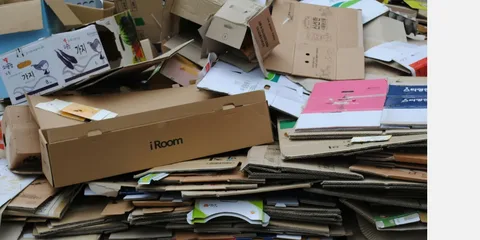
Strong boxes last for many moves. You can fold them flat for later use. You can use them for home storage or small tasks. Clean boxes keep their shape and hold weight with care. This makes each box a real tool for daily life.
Reusable Paper Kraft Wrap and Tissue Paper
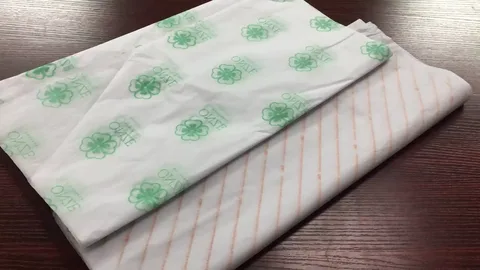
Soft paper works well for many tasks. You can use it to wrap gifts or line drawers. You can use it for light craft work or safe storage. These items hold value long after your move.
Bubble Wrap Air Pillows and Packing Film
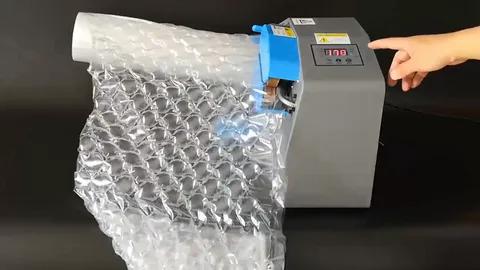
You can pop out old air and store these items with ease. Bubble wrap and film protect breakable goods in future tasks. They work well for travel or storage. These items help reduce new waste in your home.
When Foam Materials Can Be Saved
Some foam holds shape for many uses. Polystyrene and molded foam protect large items with strong care. You can use them again for big moves. You can also save them for drop-off sites when reuse ends. This keeps foam out of landfill waste and supports safe waste diversion.
Smart Sorting: Identify Materials the Right Way
Smart sorting helps you handle each item with clear skill. You avoid stress and keep waste on the right path. This step also stops wrong items from entering recycling streams. Good sorting makes your load safe for reuse and keeps your home clean and calm.
Corrugated Cardboard vs Mixed Paper
Corrugated cardboard has strong layers that hold weight well. Mixed paper has thin layers that bend with ease. Wrong sorting can cause fiber contamination in recycling sites. Keep each type in its own group for safe reuse.
Plastic Film Stretch Wrap and Air Pillows
These items use LDPE and can fall under two or four plastics. They cannot join curbside loads in most towns. They must go to film drop-off sites. Keep them clean and store them in one clear bag.
Styrofoam and Packing Peanuts
Some peanuts break down and count as compostable materials. Some peanuts use polystyrene and need special sites. Styrofoam holds shape and needs a take-back program. Sort each type with care to avoid waste in the wrong path.
How to Prep Materials for Recycling Programs
Keep each item clean and dry for safe sorting. Flatten each box to save space. Remove all tape that sticks to the walls of the box. Sort each group into clear piles for fast drop off. This keeps recycling centers ready to use your load.
Break It Down Like a Pro for recycling packing materials
Breaking down packing waste can feel hard at first. Yet a few simple steps make the job safe and easy. You save time and space and keep each item ready for reuse or drop off. These steps turn a large mess into calm order with little stress.
Flattening Boxes Without Damaging Them
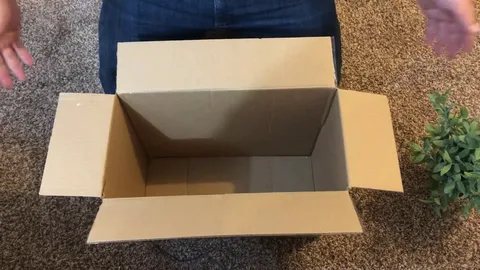
Lay each box on a flat floor. Pull each flap with slow, firm moves. Press the walls down with your hands. Keep the shape smooth so the box can be used again. This method keeps the fiber strong for later tasks.
Cutting Down Bulky Materials for Easier Transport
A large foam or soft wrap can take huge space. Use short, safe cuts to make small parts. Keep each part clean and dry. Store them in a bag for later reuse or drop off. This step makes travel easy and keeps the waste light.
What NOT to Do When Breaking Down Packaging
Do not rip wet boxes since they break fast. Do not stomp on thick foam since it can harm the floor. Do not mix tape and film with cardboard, since this hurts recycling loads. Do not burn any packing waste since this harms the air and health. Safe steps help you break waste down with skill and calm.
Where to Drop Your Stuff After Sorting for recycling, packing materials
Once your items are sorted, you need to know where they go. Each site has clear rules that help with waste diversion and safe reuse. These steps guide you to the right place with no stress. You keep waste out of landfill sites and support strong care for the planet.
Curbside Recycling: What They Accept and What They Do Not
Most curbside recycling accepts clean, dry cardboard. They take mixed paper and some hard plastics. They do not accept film wrap or air pillows. They do not take foam or dirty waste. Your load must be clean to avoid recycling contamination.
Local Recycling Centers and Municipal Programs
A local site takes many items that curbside cannot. These sites accept film, plastic, and small parts. Your municipal recycling program sets clear rules for each task. Drop-off sites give space for large loads and fast service.
Packaging Take Back Programs at Retailers
Some stores take select packing goods. The UPS Store takes clean air pillows. FedEx accepts some film wrap. Staples takes soft foam packs. These programs help close the loop with ease.
Hard to Recycle Facilities for Foam Film and Specialty Plastics
Foam needs a site with safe tools. Film needs special bins at local shops. Some plastic types need a site with strict rules. These spots guide your load to a safe new life.
Eco-Friendly Alternatives When Items Cannot Be Recycled
Some items cannot join any recycle path, yet they still hold real use. You can give these items new life with simple steps. This keeps waste low and helps your home stay clear. You gain value and avoid stress while you support safe care for the planet.
Reuse Projects That Extend Material Life
Old boxes can hold tools or gear. Soft wrap can guard breakable goods. Film can line shelves or drawers. These small tasks give each item more life and cut new waste.
Upcycling Ideas for Cardboard, Paper, and Plastic
Cardboard can turn into play forts or pet beds. Paper can line art tables or hold light craft goods. Plastic film can cover soil pots or guard small plants. These ideas keep items useful and fun.
Safe Composting Options for Biodegradable Packing Peanuts
Some peanuts melt in water or soil. These types can join safe compost piles. They break down fast and help soil stay light. Make sure they are true compost types and not polystyrene. This step keeps waste out of landfill sites and supports strong soil health.
Smart Reuse Before You Recycle for recycling packing materials
You can use many packing items again with safe care. This step cuts waste and saves money. It also helps you feel in control of your home. Smart reuse brings real value and keeps your space clear.
Moving Again: How to Store Materials for Future Use
Place clean boxes in a dry spot. Keep wraps in tight rolls. Store film in a small bin. Save air pillows in one large bag. These items stay ready for your next move. This simple plan keeps costs low and keeps waste out of land sites.
Reuse for DIY Crafts, Storage, Shipping, or Kids Projects
Boxes work well for art tasks and school play. Paper wrap helps with soft craft work. Film can guard small store goods. Foam can help ship breakable items. Kids use these items with joy for fun builds. This reuse keeps the load light and brings new life to old stuff.
Home Organization Tips Using Recycled Packing Materials
Flat boxes can sort shoes or gear. A paper wrap can line drawers. Film can help cover small bins. Foam can guard tools in a garage. These steps keep the home neat at a very low cost. Reuse turns old items into real home tools with ease.
Green Goals Beyond the Move for recycling packing materials
A move can spark fresh habits that support a green life. Simple steps help you cut waste long after the unpacking ends. You gain control of your space and build a home that feels clean and calm. These habits stay strong when you keep them light and easy.
Switching to Eco-Friendly Supplies for Future Moves
Use cardboard boxes from safe sites. Pick wrap made from plant fiber. Choose compostable peanuts for soft fill. Try reusable bins for large loads. These tools cut waste and support strong green care.
Reducing Waste During Unpacking
Open each box with slow care. Save clean paper and soft wrap for future tasks. Sort all films and foam with clear rules. Keep one bin for items you can reuse. This simple plan keeps waste low and your floor clear.
How to Build Long-Term Recycling Habits in Your New Home
Set one small area for sorted waste. Learn your town’s rules for each load. Use clear bins for film wrap and soft foam. Keep a dry box for clean paper and strong fiber. Make one short reset time each week. These steps guide your home toward safe green habits with ease.
Donate or Share Your Packing Materials
Your old packing items can help many people. You clear space and support your town at the same time. This simple act turns waste into real value. It also brings a warm sense of giving back. Many groups need boxes, wraps, and soft fill for daily tasks. Your load can make life easier for them.
Give Supplies to Neighbors’ Schools or Art Programs
Neighbors often need clean boxes for small moves. Schools use paper and film for art time. Art programs love safe scrap for craft work. Kids turn these items into fun builds with great joy. Your simple gift can spark strong ideas for them.
Donate to Charities or Local Movers
Charities use boxes for store runs and gear drives. Local movers reuse strong fiber goods to cut costs and waste. Your items help them serve more people with safe care. This path keeps cardboard and wrap out of land sites.
Use Online Marketplaces
You can share your load on a free site. A Buy Nothing group works well for fast use. Facebook helps reach people in your area. Craigslist helps reach new movers who need low-cost gear. These sites move your items with ease and cut waste for all.
Biggest Mistakes to Avoid When Recycling Packing Materials
Recycling feels easy, yet some steps can still go wrong. These mistakes harm your load and can block safe reuse. A few clear rules keep your work smooth. They also help your local site handle each item with care. Smart action starts with slow, simple checks.
Placing Dirty or Wet Materials in Bins
Wet fiber breaks fast and blocks safe use. Dirt harms paper and film. Keep each item dry and clean before you drop it. This one step protects the whole load.
Mixing Non-Recyclables with Cardboard and Paper
Film foam and soft wrap do not join fiber bins. These items need their own drop site. Wrong mixing harms tools in local plants. Sort with care to keep the stream safe.
Forgetting to Remove Tape Labels or Staples
Tape sticks to fiber and hurts the process. Labels block safe sorting. Staples can harm soft gear in plants. Pull these off with slow, steady moves. This makes each box ready for new use.
Overestimating What Your Local Recycler Accepts
Some sites take film and foam while others do not. Some take soft fill while some reject it. Check your town rules to avoid wrong drops. This step keeps waste out of land sites and helps to create safe waste paths.
Let Us Help You Make Your New Space Better
A new home feels bright, yet the mess after a move can hide that joy. Boxes fill halls, and soft wrap covers floors. You want a calm space, yet you also want real help. Our team brings simple steps that clear the load with care. We guide you with warm support so you feel safe in your new start.
Professional Organizing and Home Setup Services
We help place each item in the right spot. We build simple zones that fit your life. We use clear rules that keep order easy. This support turns stress into calm in a short time.
Eco-Friendly Disposal and Cleanout Support
We sort items with safe green habits. We recycle packing materials with care. We guide soft foam film and fiber to the right site. This cuts waste and keeps your home clean.
How We Simplify the Post-Move Chaos
We break down boxes with safe steps. We sort each load so you do not feel lost. We clear paths so your home feels open again. Our help lifts stress and gives you room to breathe.
Conclusion
Smart recycling helps you cut waste and keep your home clear and calm. Each step creates space and safe order. You learn to sort carefully and place each item in the right spot. This simple act protects your home, benefits your community, and turns a challenging move into a fresh start with strong habits. Reusing old items brings value and saves money, like using a clean box for multiple tasks, soft wrap to guard goods or for crafts, and foam for storage or moving. These small wins build lasting green habits, especially with guidance from Junk People LLC.
Donating items brings joy to others and keeps waste low. Your gift can help school groups and new movers. It also keeps fiber film and foam out of land sites. This makes your move part of a larger good. You can turn all packing waste into a safe plan. Use clear rules and light steps to build new habits. Keep your home clean and support green life with each act. This path brings pride, peace, and strong care for your space.
FAQs
You can reuse boxes for storage or craft work. You can also donate them to schools or local movers. Clean, dry boxes can go to curbside sites. Each choice keeps waste low and helps your home stay clear.
Most curbside bins do not accept bubble wrap. It needs film drop-off sites at local shops. Keep it clean and dry for safe reuse. This step supports better waste paths and keeps harm out of fiber loads.
Keep fiber film, foam, and soft fill in separate groups. Clean each item first. Keep fiber flat and dry. Check your town rules for each load. This step protects local sites and keeps your waste path safe.
Foam needs special drop sites or take-back spots at some shops. Keep foam clean and dry. Check local sites for rules. This process keeps foam out of land sites and supports safe reuse or clean disposal.
Reuse cuts waste and saves money. Boxes wrap, and foam serves many tasks. You gain value and keep your home neat. Reuse also keeps items out of landfills and helps you build strong green habits.