

You want a home that feels calm and safe, yet clutter can grow fast and change each room in silent ways. The Hidden Dangers of Hoarding rise slow and hit hard. Many people feel stress and lose control as items pile up. This buildup shapes the mind and the body and turns a small mess into real harm. You may feel fear, shame, or guilt, yet still feel stuck. Hidden hoarding and clutter can take over both space and life.
Clutter brings mental strain that drains focus. Piles create cognitive overload, pushing the brain into deep stress. Working memory suffers, and tasks feel overwhelming. Stress responses increase, and cortisol levels rise, sometimes causing chest tightness or shortness of breath as rooms fill with more items. This cycle of clutter and mental fatigue can feel hard to break, but with the right approach, you can remove house junk easily and regain calm and control in your home.
This guide shows how to face the Hidden Dangers of Hoarding with calm steps. You see why clutter grows and why it feels so hard to stop. You learn how to lift stress and how to securely get control back of clutter with safe plans. You gain simple steps that build hope and real change.
What Is Hoarding for Hidden Dangers of Hoarding
Hoarding is a behavioral health condition that goes far beyond a simple mess. It appears in the DSM-5 and links to anxiety disorders and compulsive behaviors that shape how a person sees and uses their space. General clutter comes from daily life, yet hoarding disorder grows from deep fear and strong emotional ties to objects. This fear blocks release and builds stress in the mind.
Hoarding is not the same as collecting or sentimental storage. A collector seeks order, while hoarding causes a loss of order. Sentimental storage keeps a few cherished items, but compulsive hoarding results in large piles that block rooms and pathways. For safe and effective removal, expert hoarder clean out services can help restore space and bring order back to the home.
Hidden hoarding and clutter grow quiet at first. A small stack becomes a wall of items. Narrow paths form. Light fades. The environment shifts, and the brain feels more strain. Over time, the load turns into a risk for the person and the home.
The Hidden Dangers of Hoarding
Why Clutter Becomes an Unseen Health Threat
Clutter grows in quiet ways that harm the mind and body. Piles raise stress and weaken focus. Mold exposure rises in dark corners. Dust builds up and harms the lungs. Trip risks rise in tight paths. Fire hazard grows with each new layer. These dangers hide in plain sight and feel easy to miss.
Ripple Effects on Home Life and Safety
A cluttered home loses space and peace. Rooms turn unusable, and paths shrink. Strain grows in relationships as shame builds. Children and the elders face a high risk in tight areas. Pets suffer from unsafe floors and poor air. Public health agencies may act when risk grows. These effects turn a small mess into a deep life strain.
How Hoarding Moves From Mild Clutter to Crisis
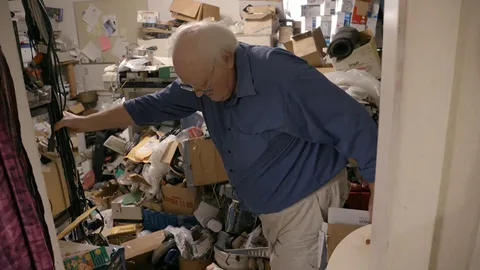
Hoarding starts with small piles that feel harmless. Stress grows, and tasks feel harder. Decision fatigue blocks action. Emotional attachment holds objects in place. Over time, items fill rooms and block exits.
Emergency teams may fail to reach loved ones. The home shifts from mild clutter to full crisis. These stages show why the Hidden Dangers of Hoarding need strong care and early steps.
Physical Health Risks of Hoarding
The Health Risks of Hoarding rise slow yet strike hard. Many people see clutter as a small issue, yet the body feels deep harm. Air grows thick. Paths grow tight. Heat and moisture feed mold. Waste invites pests. Each room becomes a zone of hidden risk. These dangers shape the mind and body and turn the home into a threat. This part shows the risks you cannot see yet feel each day.
Respiratory Damage from Dust, Mold, and Poor Ventilation
Dust coats every surface and enters the lungs with each step. Mold hides in dark stacks and harms the breath. Poor airflow traps toxins and weakens the chest. This mix leads to a long cough and deep lung pain.
Pest Infestations and Bacterial Exposure
Pests move fast through piles. Rodent waste spreads sickness. Fleas and roaches fill warm rooms. Each pest brings germs that harm the skin and lungs. Bacteria grow in damp spots and cause severe illness.
Fire Hazards and Blocked Exits
Clutter builds fuel that can burn in one spark. Blocked exits stop escape. Fire load hazards grow with each pile. Emergency teams may fail to reach the room. This risk hits hard and fast.
Trip, Fall, and Crush Injuries
Narrow paths force unsafe steps. Items fall with one light touch. Heavy stacks can crush a leg or arm. Trip injury grows fast in tight spaces. The body pays the cost.
Structural Damage to the Home
Weight from clutter strains floors. Moisture feeds wood rot. Walls crack from pressure. Pipes break under hidden loads. The home weakens and becomes unsafe. These risks show why the Hidden Dangers of Hoarding need quick care and strong support.
Psychological and Emotional Effects of Hoarding
The Effects of hoarding reach deep into the mind. Clutter builds stress and shapes mood and thought. Each pile raises fear and blocks calm action. The mind fights to cope, and the heart feels heavy. These effects grow slow yet shift life in sharp ways. This part shows how hoarding harms emotion thought and family life.
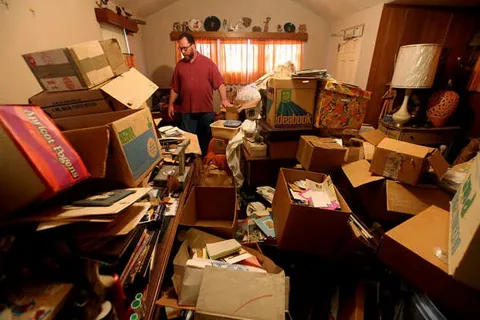
Anxiety, Shame, and Avoidance Cycles
Anxiety rises as clutter grows. Shame builds and stops people from seeking help. Avoidance becomes a habit as tasks feel too hard. This cycle feeds the disorder and keeps fear alive.
Decision Fatigue and Cognitive Overload
The brain faces too much input in tight rooms. Cognitive overload drains energy. Decision fatigue blocks even small tasks. Working memory drops, and simple steps feel huge.
Depression and Social Withdrawal
Clutter shapes deep sadness. People pull away from friends to hide shame. Social withdrawal ends support and fuels more fear. Hope fades, and depression grows.
Family Conflict and Relationship Stress
Family members feel strain as rooms fill. Fights start from fear, stress, and blame. Children feel unsafe. Elders feel trapped. Trust weakens, and bonds break.
The Neuroscience of Clutter and Brain Function
Clutter hits neural processing and slows thought. It pushes the brain into mental overload. Sensory overload raises stress response. Cortisol rises and focus falls. These shifts block clear action and keep the cycle alive. You now see how the Hidden Dangers of Hoarding harm both heart and mind.
When Hoarding Becomes a Crisis for Hidden Dangers of Hoarding
Rooms Becoming Unusable
A room becomes unsafe when piles block all paths. Light fades, and air grows thick. Trip risks rise fast. Mold grows in dark corners. The space no longer supports a safe life. This shift shows a deep stage of hoarding disorder. Action is needed now.
Safety Services or Landlord Notices
A landlord may issue a notice for unsafe rooms. Public health agencies may step in. Code rules guide each check. Emergency responders may warn about blocked exits. These signs show the home is now a real threat. This stage calls for fast help.
Self-Neglect and Hygiene Issues
Some people stop daily care due to stress. Bathing becomes hard in tight rooms. Clean clothes feel hard to reach. Food prep feels unsafe. This self-neglect harms the body and the mind. It shows the disorder has grown strong.
Health Decline or Medical Emergencies
Dust harms lungs. Pest waste spreads illness. Weak floors cause sudden falls. Panic grows in tight spaces. Medical teams may face blocked paths. These issues can turn deadly. This stage needs urgent action with safe support.
Hoarding Animals
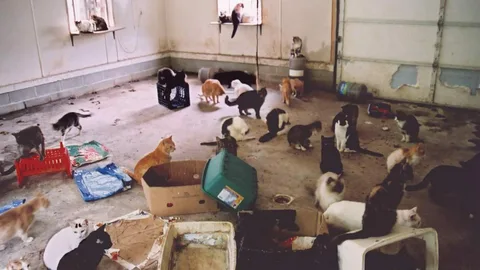
Animal hoarding forms when pets fill unsafe rooms. Food runs short. Waste grows fast. Air becomes toxic. Animal welfare agencies may act. This stage harms both people and pets. It is a high-risk crisis that needs trained help now.
The Hidden Hoarding and Clutter You May Not Notice at First
Micro hoarding often starts with small bags and old papers. Expired items accumulate and feel hard to part with. Digital hoarding grows on phones and drives with no clear limits. Storage units fill quickly, hiding early warning signs, and garages become cramped as clutter spreads. Strong emotional attachment keeps each item in place. These patterns develop slowly but can lead to rapid clutter escalation. Partnering with professional moving services can help manage and relocate belongings safely while keeping your space organized.
Understanding Why Hoarding Happens for Hidden Dangers of Hoarding
Trauma history can shape a strong fear of loss. OCD and anxiety disorders feed compulsive hoarding and raise stress. Grief creates deep sentimental attachments that hold objects in place. A perceived scarcity mindset builds fear that items may be needed later. Cognitive behavioral factors shape how the mind stores meaning in objects.
Executive dysfunction blocks clear action and slows each task. These root triggers work together and push the cycle forward. This mix shows why hoarding disorder grows and why calm care is needed.
The Social Consequences of Hoarding
Hoarding can break social ties in slow and painful ways. Many people pull back from loved ones because they fear shame and judgment. Rooms feel unsafe, and people feel trapped in their own homes. This isolation grows stronger with each new pile, and it blocks real support. The home turns into a wall between the person and the world.
Isolation from Friends and Family
Family visits stop because the space feels unsafe. Friends drift away because the home has no room for care or rest. This loss of support feeds more stress and more clutter. The person feels alone, and the disorder grows stronger.
Impact on Children and Dependent Adults
Children face deep fear in tight rooms. They lose safe play zones and clear paths. Dependent adults struggle to move and face a high fall risk. Their health weakens, and daily tasks become hard. Safety risks rise and may lead to protective action.
Legal or Housing Consequences
A landlord may act when rooms reach unsafe levels. Public health rules guide each step. Code checks may lead to warnings or removal. Eviction becomes a real threat when the space blocks a safe life.
Financial Loss from Damage or Repairs
Heavy clutter harms floors and walls. Mold grows in dark corners. Repairs cost more than most people expect. These losses add stress and keep the cycle alive.
How to Securely Get Control Back of Clutter for Hidden Dangers of Hoarding
You can take control with slow, steady steps that feel safe. The goal is not speed. The goal is calm action that cuts fear and builds trust in your own pace. How to Securely Get Control Back of Clutter begins with one simple idea. You move in small steps that stack into real change. This plan keeps your mind steady and your body safe.
Start Small, One Zone, One Win at a Time
Pick one small zone that feels safe. Clear a shelf or a small table. A tiny win builds strength for the next step. Each small win lifts shame and builds hope.
Build a Safe Sorting System
Use clear rules for each item. Keep it if it helps life. Toss it if it harms life. Donate it if it can help someone else. This system lowers stress and stops choice overload.
Set Limits and Use Simple Organization Rules
Give each drawer a clear limit. Use one box for one type of item. Follow the OHIO rule, which means Only Handle It Once. Limits make choices easy and cut fear.
Create a Maintenance Schedule to Prevent Relapse
Set one short reset day each week. Clear one small spot. Remove old papers and small trash. These tasks keep clutter from building again.
When to Call Hoarding Cleanout Professionals
Call trained teams when rooms feel unsafe. They use trauma-informed care and strong safety steps. They follow risk checks and keep you part of each plan. This helps keep you safe and builds long-term change.
Professional Hoarding Cleanup for Hidden Dangers of Hoarding
Professional hoarding cleanup gives a safe path when the home feels lost. The work moves with slow care, so the mind stays calm. Each step builds trust and brings clear order. You gain support from trained teams who know how to guide you with real respect. This process lifts fear and helps you take control again.
Assessment and Safety Planning
The team checks each room with steady care. They look for fire risk, mold, and weak floors. They build a plan that keeps you safe at each step. This plan sets clear goals for the whole cleanup.
Deep Cleaning and Restoration
The team clears large piles with safe lifts. They open paths that help you move with ease. Floors and walls start to look strong again. Each room shifts from stress to a calm space.
Sanitization and Odor Removal
Dust and mold leave an intense smell that stays in the air. The team uses deep cleaning steps to clear these threats. Fresh air fills the home and brings a new feeling of peace.
Recycling, Donation, and Waste Hauling Steps
Many items still hold value for others. The team sorts safe goods for local groups. Heavy waste moves to proper sites by hauling trucks. This step keeps the home light and safe.
Emotional Support and Aftercare Planning
Cleanup can stir fear and old hurt. The team offers gentle support through each task. They help you build simple rules to hold your progress. You gain a plan that keeps your home safe long after the team leaves.
How Hoarding Affects Property Value, Insurance, and Safety Codes
Hoarding lowers home value due to unsafe rooms and blocked paths. Insurance claims may fail when clutter creates a clear risk. Heavy piles can break floors and cause code violations. Restoration costs rise fast and harm long-term money plans.
Let Us Help You Find Peace Again for the Hidden Dangers of Hoarding
Support matters when life feels heavy, and rooms feel unsafe. A trained team reduces stress with calm, steady care. They guide each step with kind skill and clear plans. Compassionate cleanup services restore hope and bring light back into the home. You gain safety order and real peace that grows with each small win.
Conclusion
The hidden dangers of hoarding reach deep into the mind, body, and home. Clutter affects breathing and mood, blocks paths, and creates sharp safety risks. Stress builds, and hope can feel small. These dangers grow slowly but shape life in profound ways. This guide explains how clutter accumulates and why the cycle can be hard to break. With insight from Junk People LLC, you now recognize clear signs and real risks that require gentle care.
You deserve support that feels safe and steady. Mental health resources can guide you with calm steps. Therapy offers tools that lift fear and build trust. Support groups help you feel less alone. Each safe voice brings strength for the next step.
Now take one small move toward clarity and healing. Clear one tiny zone. Reach out for help when fear grows. You can build control with slow, steady action. You can restore peace, health, and safety in your home. Each small step leads to real change.
FAQs
The first sign is a small pile that never leaves the room. Items sit in tight stacks and feel too hard to move. Stress grows, and the space feels unsafe. This early stage shows a shift toward hoarding disorder.
Yes, hoarding disorder appears in the DSM-5. It links to strong fear, deep stress, and compulsive behavior. It also ties to OCD, anxiety, and trauma. This makes it a real mental health condition that needs care.
Use soft words and slow steps. Show care, not force. Help them pick one safe item to release. Offer support in short tasks. Listen with a calm tone. This builds trust and opens the door for real help.
Hoarding can improve with steady care. Therapy helps shift thoughts and fears. Support groups give hope. Cleanup teams guide safe action. Progress grows with slow steps and strong support.
Hoarding creates fire risk, trip risk, and blocked exits. Dust harms the breath. Mold harms skin and lungs. Pests spread sickness. Weak floors form under heavy piles. These risks hit both mind and body.
Call pros when rooms feel unsafe, or paths vanish. Call when stress feels too strong to face alone. Call when health falls or pests spread. Trained teams offer trauma-informed care and safe cleanup plans.