

The junk removal process can feel hidden from many folks who seek clear help. You might see old stuff leave your yard, yet the full path stays vague. The junk removal process starts with steps that guide each item to its place. Now, let’s see how each stage works with real care and strong focus. This guide will share each clear step now.
Many people ask where junk goes after pickup and how each load moves. You might notice that waste sorting helps each part find a safe path. Teams move bulk waste to a recycling facility or a donation center. Other loads reach a landfill when no other path fits the need. This view helps you see the full path.
These paths connect with solid waste management systems that protect our land and air. Workers send old tech to electronics recycling sites that follow safe steps. Other items move to appliance disposal centers or facilities that handle construction debris. Each choice boosts waste diversion and supports a strong circular economy. With this insight, you understand each stage more clearly and see how to clean out junk with smarter, greener actions.
Why Junk Disposal Matters More Than You Think
Junk disposal shapes how our world stays clean and steady. Many people see trash as a small task, yet the true impact runs deep. Each load placed in the wrong spot harms land and air. This harm grows when the landfill grows past its set space. Packed sites push waste into new ground that should stay clear. You might notice that better care keeps this risk low.
Junk disposal ties closely with resource recovery in a very real way. Metal, plastic, wood, glass, and many other items still hold clear value. These materials enter the recycling process and return as new goods people use every day. This cycle reduces the need for fresh raw parts and keeps more waste out of the landfill. It also eases pressure on natural areas and helps the land stay strong guiding you toward the best appliance disposal removal choice for your home.
Every person plays a part here. Small choices guide cleaner paths for all. Junk removal companies add strong value since they know safe steps and smart routes. Their work lifts waste diversion and guides loads to spots that help the land. Such care builds trust and helps each home act with purpose.
The Complete Life Cycle of Junk After Removal
1. Initial Collection and Sorting
The life cycle starts when trained crews lift each load with steady care. They bring all items to sorting stations that guide each step with clear rules. Here, workers check the shape and weight use to place each item in the right path. This early stage forms the base for safe junk removal work.
Teams then search for recyclables that still hold strong value. Metal, plastic, glass, and wood move into clean bins for reuse plans. Salvageable items move to safe spots for repair groups. Workers also scan loads to find hazardous waste so no harm reaches land or water.
2. Donation Pathway for Reusable Items
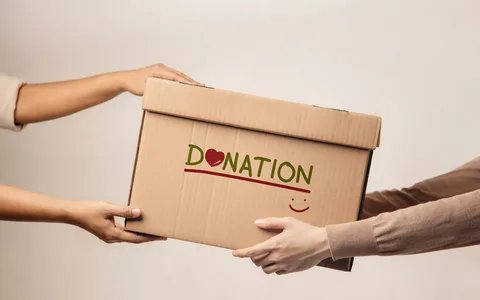
Some items still hold real use and move to the donation pathway. Charities welcome clean chairs, solid tools, and home goods that help many folks. Local nonprofits use these goods to aid groups that need fast support. Community reuse centers take items that are in good condition and set them up for new homes. Only clean, safe, and sturdy goods pass this check.
3. Recycling: The Real Backbone of Waste Diversion
Metal recycling starts this path with strong sorting and steady handwork. Plastic reprocessing cleans and grinds each piece to form new parts for further use. Wood regrind turns old boards into soft chips for soil beds and farm sites. Cardboard and paper move through the wash and press steps for new sheets. Mattress recycling saves foam and springs for reuse plans. Appliance breakdown pulls metal wire and key parts from old units.
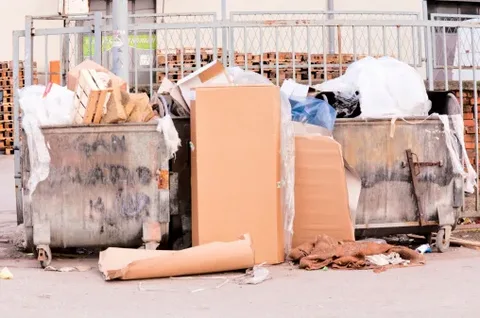
4. Special Processing for E Waste and Electronics
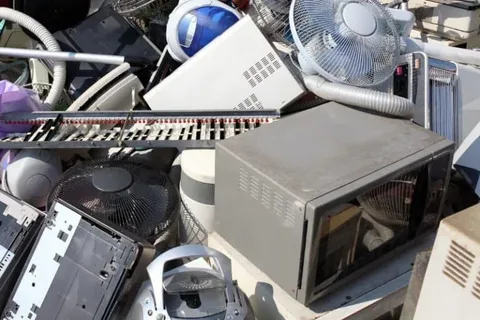
Certified electronics recyclers handle tech with safe steps. Data destruction keeps private files safe from risk. Workers separate lithium, copper, and circuit boards for clean reuse paths.
5. Handling Hazardous and Sensitive Waste
Paint needs a safe hold and a slow cure before the final steps. Chemicals move with strict care to protect the air and soil. Batteries move to sites that know safe paths. CFL bulbs and propane tanks need trained crews and full rule checks with EPA and DOT laws.
6. Composting and Organic Waste Management
Yard waste and tree branches move into compost piles that feed soil beds. Food waste diversion plans also guide scraps into clean earth paths.
7. Repurposing, Upcycling, and Material Recovery
Furniture repurposing gives worn frames a new form. Creative reuse centers turn odd parts into fresh goods. Construction upcycling plans save wood, metal, and board for steady reuse.
8. Landfill Disposal Only as a Last Resort
Landfills take items with no reuse or repair path. Modern landfill sites track gas, soil, and water with strong tools. This stage stands last to guard the land and keep waste low.
What Junk Removal Companies Really Do Behind the Scenes
Sorting Facilities and Transfer Stations
Junk removal teams do far more than lift old items from your yard. Many loads reach sorting facilities that follow clear rules for each step. Workers move every item into safe lanes that lead to reuse or clean disposal. These stations help reduce landfill strain and increase waste diversion with steady care showing the true value of professional junk removal.
Partnerships With Recyclers and Donors
Most teams work with trusted recyclers who take metal, plastic, and wood for new use. They also contact donor groups that welcome clean chairs, tools, and safe home goods. These links help many folks gain real support while keeping more items out of the landfill. You might notice how these paths bring real value to your old goods.
Sustainable Fleet Operations
Many junk crews run a fleet that uses clean fuel to cut land strain. They plan smart routes that lower trips and save fuel. These steps shape eco-friendly hauling that brings less stress to soil and air. Each move shows how small choices form strong gains.
Waste Tracking and Certification Systems
Some teams use waste tracking systems that show where each load ends. These tools give clear proof of safe steps and honest paths. Many groups also share recycling certificates that build trust with each home. This level of care shows the real work behind the junk removal process.
Cost Breakdown: What You Actually Pay for During Disposal
Fuel
Fuel forms a large part of the full cost since trucks run many paths each day. Long trips and tight turns raise fuel use. This step stays key for each job and often shifts with distance and load size.
Labor
Labor costs cover the crews who lift, sort, and guide each load with skill. Their safe work keeps your home clear and moves items into strong paths that guard the land. This part matters since each team brings speed and real care.
Disposal Fees
Disposal fees rise when loads reach sites that hold waste with strict rules. These fees support safe steps that stop harm to soil and air. You might notice this part in jobs with large or mixed loads.
Transfer Station Fees
Transfer station fees cover sorting and short-hold work. Each station checks the weight form and type, then sends items to the right path. This step adds clarity and lowers stress on landfill sites.
Recycling Charges
Recycling charges show up when metal, plastic, and glass are moved to reuse plans. These steps help waste diversion and form new goods with steady care.
Hazardous Waste Processing Fees
Paint, chemicals, batteries, and tank units need safe care. These fees support strict rules that guard people’s soil and water.
Donation Transport Cost
Donation transport cost covers trips to charities and reuse groups. Clean chairs, tools, and home goods move with care to help many folks.
Environmental Benefits of Responsible Junk Disposal
1 Reducing Landfill Use
Responsible junk disposal lowers the load placed on each landfill site. Many items that still hold real value move into reuse or recycling paths. This shift keeps land clear and slows the rise of waste piles. You might see how this step guards open space and helps soil stay firm.
2 Protecting Wildlife and Water Sources
When junk moves through safe systems, wildlife and water gain strong protection. Hazardous waste stays out of open ground and does not leak into streams. Clean paths keep sharp items and toxic parts away from wild zones. This care helps birds, fish, and many small land animals stay safe from harm.
3 Lowering Carbon Emissions
Smart hauling and strong sorting cut fuel use and lower carbon levels. Trucks follow planned routes that save gas and reduce long trips. Recycling also cuts carbon since old parts form new goods with less energy. These steps shape cleaner air and support a steady climate path.
4 Supporting Circular Economy Recycling
Each safe move supports the growth of a circular economy. Metal, plastic, wood, and glass return as new goods instead of waste. This loop lowers strain on natural sites and keeps key parts in steady use. Responsible junk disposal builds this loop and brings real gain for all.
Social and Community Benefits of Smart Junk Removal
How Donations Help Families in Need
Smart junk removal sends many clean items into the hands of folks who need help fast. Chairs, beds, lamps, and safe home goods move to local groups that share them with care. These items ease stress for families who face hard times. Each donation brings hope and real support without extra cost.
Restoring Community Spaces
Smart junk removal also helps clear parks, streets, and shared spaces that serve many people. Old waste tires, branches, and broken parts are removed from these sites, and open space returns. Clean grounds lift mood and bring pride back to each block. You might see how these small wins shape a stronger place for all.
Supporting Local Jobs and Nonprofits
Local jobs grow when crews lift, sort, and move each load with skill. These teams keep the junk removal process strong and steady. Many nonprofits also gain support through steady streams of reusable goods. Their shops and aid groups use these items to fund programs that help many folks. This link forms a cycle that feeds local jobs and builds real strength in the community.
Tips to Make Your Junk Removal More Eco-Friendly
Sort Items Before Pickup
A simple sort at home can shape a cleaner junk removal path. Place metal, plastic, glass, wood, and soft goods in clear groups. This step helps crews move items into the right lane fast. It also keeps more waste out of the landfill and lifts waste diversion. Small steps at home create strong gains for the land.
Choose a Green Junk Removal Company
Pick a team that follows clean rules and clear paths. A green junk removal company uses safe sites, trained crews, and strong reuse plans. They also work with recyclers and local aid groups to keep waste low. This choice helps you send each load through safe and honest lanes. You might see real gains with each pick.
Donate First Dispose Last
Set aside clean chairs, tools, lamps, and home goods that still hold value. These items move to charities and reuse centers that give them new life. Donations cut the load that reaches sorting stations or landfill sites. This path brings help to many folks and shapes a kind route for your old goods.
Reduce Waste at Home Long Term
Small daily steps help lower waste for years. Pick goods that last long and avoid items that break fast. Fix old tools and reuse strong parts when you can. These habits shape a calm home and build a cleaner world for all.
Long-Term Advantages of Proper Disposal
Cleaner spaces form the first clear gain of proper disposal. When old items leave through safe paths, your home feels calm and open. You might notice more room, fresh air, and a soft lift in mood. This small shift builds a space that works well for daily life and long rest.
Proper disposal also lowers your overall impact on land and air. Waste moves through reuse and recycling paths that protect soil, water, and wild zones. Each step creates a smaller footprint and helps the world stay strong. This progress builds over time and highlights the benefits of hiring a professional for responsible, lasting waste solutions.
Your choices also help the community. Safe paths send clean goods to groups that serve local folks. These goods bring relief and lift hope. This clear link forms a stronger bond in each block. Cost savings also play a strong part. Proper disposal cuts the need for heavy loads and lowers stress. Last, you gain stress-free home plans that keep your mind light and your space clear.
Effortless Junk Removal Making Spaces Clutter Free Every Day
Modern removal services shape a calm path for daily disposal needs. Crews lift, sort, and move items with steady care and simple steps. You gain clear support without long tasks or hard work. This system helps you keep order in each room with ease and trust.
These services also share clear information about recycling and donation plans. You know where each item goes and how it gains new life. This open view builds trust and shows real care for land and people. Customers gain peace as old goods move into clean, honest lanes that help the world stay strong.
Conclusion
The junk removal process shapes a clear path that guides each item with care. You now see how sorting reuse and recycling form strong steps that guard land and air. This view helps you make calm choices that keep your home steady and your load light. Each small act builds a safe path for daily life.
You might notice how donations and reuse plans help many folks in need. These paths build hope and lift whole blocks with simple support. Safe steps also guard soil and water from harm and keep wild zones clear. This mix of care strengthens homes, parks, and shared places and teams like Junk People LLC help make these positive impacts possible.
Proper disposal also shapes long-term gains for you and your space. Clean rooms feel calm and open while smart plans lower stress. When you pick green teams and follow safe paths, you build a strong habit that helps the world. With each step, your choices guide a cleaner base for all.
FAQs
Your junk moves through sorting paths that guide each item to reuse, recycling, or safe disposal. Crews check each load with care, then send it to the right site. This path lowers waste and forms a cleaner world with simple, steady steps.
A large share of solid items move into recycling paths when clean and safe. Metal, plastic, glass, wood, and board often gain new life through strong reuse plans. The exact share shifts by item type, yet most loads still find useful paths.
Yes, many teams send clean chairs, tools, lamps, and safe goods to local aid groups. These items help families in need and cut waste loads. Donation also builds strong support for community sites and bring new life to items that still hold value.
Items with mold stains, rot, or sharp harm cannot move to reuse or recycling paths. Some mixed goods also fail checks since they hold unsafe parts. These items enter strict disposal lanes that guard soil, water, and air from harm.
The best path uses reuse first, then recycling, then safe disposal. Donation helps many folks, while recycling keeps waste low. Only items with no clean path move to landfill sites. This order shapes a calm, steady system that supports the land.