
A few trimmed shrubs can leave far more debris than expected. Soon branches cover the lawn and leaves block the walkway. Brush removal services usually collect natural yard waste from routine pruning and outdoor care. Accepted materials may include branches and shrub trimmings. Crews may also take leaves and twigs plus fallen limbs. Each company sets its own limits for size and volume.
Knowing those limits helps you build a pile the crew can collect. It also keeps trash and unsafe materials out of the load. Brush removal services can make larger cleanups easier when tools or transport are limited. This guide explains common accepted materials and likely exclusions. It also covers preparation and processing plus safety and service choices.
Why Brush Removal Matters Beyond a Cleaner Yard
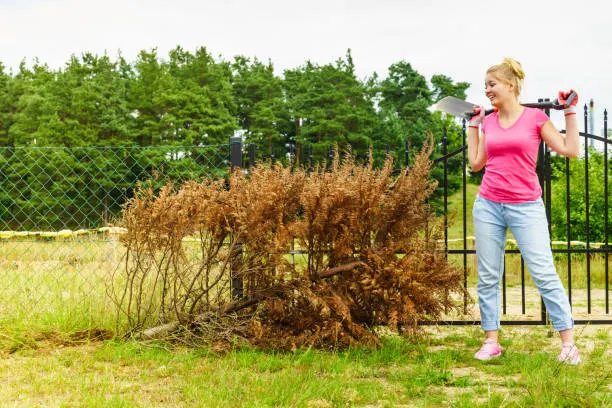
Brush removal restores useful outdoor space. Loose limbs can block paths. Twigs may hide beneath leaves and catch shoes. Dense piles also make mowing harder. Unlike hot tub disposal, brush cleanup focuses on natural yard waste that can often be sorted for appropriate processing.
Repeated trimming can turn small piles into tangled loads. Rain adds weight and complicates sorting. Regular brush cleanup services control this buildup. Residential brush removal helps when the pile exceeds your hauling space.
What Counts as Brush in a Typical Residential Yard
Brush means natural plant waste from yard work or weather damage. Examples include branches and weeds plus hedge cuttings.
Definitions vary between providers and processing sites. Some crews accept loose leaves with woody waste. Others require approved bags. Branch size may also have limits. Confirm the rules before planning yard brush removal.
Which Yard Materials Can Removal Crews Usually Take
Crews often consider clean plant matter suitable for brush hauling. Common accepted materials include these items. For properties dealing with extensive outdoor accumulation alongside other cleanup needs, hoarder cleanup services may involve additional removal considerations beyond ordinary brush pickup.
- Tree branches from pruning or minor storm damage
- Shrub trimmings and hedge cuttings
- Fallen limbs within the stated size limit
- Loose or bagged leaves when permitted
- Twigs and small sticks
- Untreated wood debris from natural trees
- Weeds and dead garden plants
- Mixed brush piles made only from approved green waste
Acceptance depends on size and weight plus local processing options. Wet leaves can change the job. Send clear photos before booking landscaping brush removal. Photos show material types and pile volume.
What Outdoor Debris May Need a Different Service
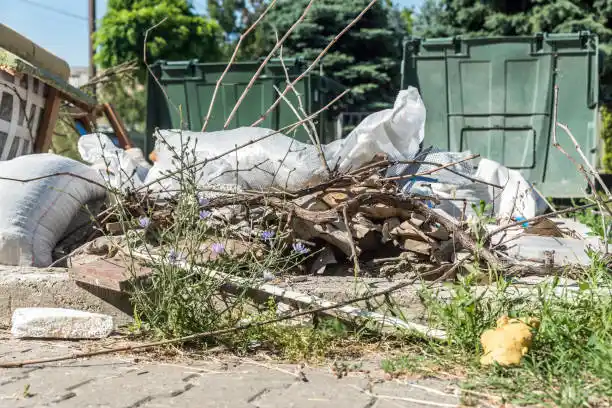
Outdoor location does not make every item yard waste. Household trash needs general junk removal. Concrete and bricks need construction debris handling. Dirt and rocks require suitable heavy-load equipment. Chemicals need approved waste channels.
Keep treated lumber and painted boards separate from natural wood. Large trunks may need tree services or heavy equipment. Never hide unwanted items inside green waste. Confirm every exclusion before pickup.
How Professional Brush Removal Typically Works
Start with a clear debris description. Providers may request photos and measurements. They may ask about branch thickness and wet material. Narrow gates or steep slopes affect labor needs.
The crew then loads and secures the material. Workers may rake loose pieces afterward. The load goes to an available processing or disposal site. Final handling depends on material condition and local facilities.
When Brush Cleanup Becomes Too Much to Handle Alone
The choice depends on volume and weight plus time and transport. Check whether each item is safe to lift. Then review your tools and disposal space.
When a Smaller Brush Cleanup Can Stay DIY
DIY work can suit one small accessible pile. Branches must be easy to control safely. You need gloves and suitable tools. Local collection must accept the material.
When Larger Brush Jobs Call for Professional Help
Professional help suits heavy limbs and several dense piles. It also helps after storm damage. Limited vehicle space creates repeated trips. Brush clearing services bring suitable loading and transport equipment.
Seven Ways Removed Brush Can Be Reused and Processed
Brush can follow several disposal routes. Clean material offers more options than mixed waste. Local facilities determine the available path.
Turning Suitable Branches Into Useful Wood Chips
A chipper can reduce clean branches into wood pieces. Those chips may suit paths or managed ground cover.
Processing Clean Brush Into Mulch for Landscaping
Some sites process clean woody brush into mulch. Its use depends on source and processing quality.
Sending Organic Yard Waste Toward Composting
Leaves and soft plants may enter composting programs. Facilities set material rules. Diseased plants may need separate handling.
Separating Materials That Have Different Uses
Sorting supports useful processing. Leaves can follow another route from thick limbs. Trash can taint the load.
Reusing Natural Wood Debris Around the Property
Clean branches may form habitat piles where appropriate. Chips can cover paths. Keep wood away from access routes.
Processing Storm Debris After Major Yard Damage
Storm debris may contain hidden objects and mixed sizes. Crews separate brush from property debris. Large pieces need suitable equipment.
Using Local Green Waste Programs When Available
Local programs may accept sorted green waste. Rules can change. Check current requirements before transporting material.
How Brush Piles Can Affect Safety and Yard Maintenance
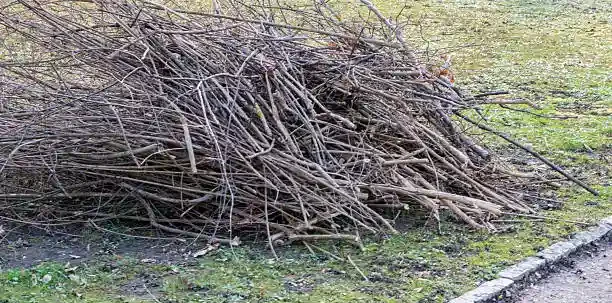
Brush piles restrict movement across a yard. Hidden holes or tools become harder to spot. Branch ends may extend into paths. Loose wood also blocks mower access.
Dense brush can shelter insects or small animals. Removal does not promise pest control. Keep piles away from doors and play areas. Mark sharp limbs while awaiting pickup.
When Seasonal Yard Work Creates More Brush Than Expected
Spring pruning can produce many shrub trimmings. Fall work adds leaves and dead plants. One trimmed tree can create bulky branches. Storms may spread limbs across the property.
Plan removal before a large landscaping project. Estimate the finished pile instead of standing plants. Cut material spreads on the ground. Timely brush hauling prevents a long-lasting pile.
What to Know Before Scheduling Brush Removal Services
Good job details support a useful estimate. Note each material and approximate pile size. Share photos from several angles. Explain where the pile sits and how crews reach it.
Confirm Which Yard Materials the Crew Will Accept
Ask about branches and leaves plus logs and storm debris. Confirm size limits. Explain mixed plant waste before booking.
Explain Access Issues and Oversized Debris in Advance
Mention narrow gates and steep ground or soft lawns. Report limbs requiring cutting. The crew can plan suitable equipment.
Seven Tips for Making Your Brush Pickup Easier
Preparation can shorten loading and prevent confusion. Follow the provider’s rules first:
- Keep household trash away from natural yard debris cleanup materials
- Remove chemicals and batteries plus other unsafe waste
- Place the pile within safe reach of the crew
- Leave gates and walkways open for workers
- Set oversized branches apart when the provider requests it
- Gather scattered twigs into one agreed collection area
- Confirm limits and arrival details before pickup day
Do not block roads or paths. Keep branches away from vehicles and utility boxes. Follow local curb rules.
Common Mistakes to Avoid During Brush Cleanup
Many pickup problems begin early. Avoid these errors:
- Treating every outdoor item as acceptable brush
- Mixing painted boards with clean tree waste
- Hiding bagged trash beneath branches
- Leaving oversized limbs without warning
- Allowing several small piles to become unmanageable
- Burning brush without checking local rules
- Hiring a service without asking where material goes
These mistakes create sorting or delays. Some require another service. Accurate photos keep expectations clear.
How to Choose the Right Brush Removal Service
Choose a provider whose scope matches your pile. Ask what the estimate includes. Loading and raking may be separate. Review pricing and access terms. If other bulky items are being cleared from the property at the same time, old furniture hauling may need to be arranged separately.
Look Beyond Price When Comparing Removal Providers
Low cost has little value when materials remain behind. Compare accepted waste and cleanup scope. Ask how clean brush is handled. Written details support fair comparisons.
Choose a Provider That Matches Your Cleanup Needs
A small pile needs basic brush hauling services. Storm damage may require cutting and heavy lifting. Full tree removal is different. Choose a matching crew.
How to Prevent New Brush Piles From Taking Over
Regular pruning creates smaller loads. Remove them soon after each project. Include disposal in seasonal yard plans. This prevents old limbs from mixing with new leaves. Busy properties may also need furniture disposal services when outdoor and household cleanup projects are handled together.
Busy properties may need recurring pickup. Coordinate gardeners and removal crews when possible. Keep one accessible collection point. Quick yard brush removal makes mowing and garden work simpler.
Conclusion
Brush removal services commonly take branches and shrub trimmings plus leaves and twigs. Many crews also accept fallen limbs and other clean yard debris. Yet size and material rules differ. Household trash and treated wood usually need another route. Junk People LLC can help with organized yard waste removal when cleanup involves larger volumes of green waste. Good sorting helps suitable green waste reach available processing sites. It also helps crews assess the job correctly.
DIY removal can work for a small, safe pile. Larger loads may need skilled labor and proper transport. Share honest photos and explain access before booking. Confirm accepted materials and final cleanup terms. These steps reduce surprises and support a smoother pickup. Contact a reliable local provider for advice about your exact pile. Ask what preparation will help before pickup day. Get written terms before work.
Frequently Asked Questions
Crews often accept branches and twigs plus shrub cuttings and leaves. Limits depend on size and condition plus provider rules and available nearby disposal routes.
Some providers take large branches within set length and width limits. Heavy limbs or trunks may need cutting equipment or support from a tree service.
Separate natural debris from trash and treated wood. Place brush in an approved spot. Keep access clear and follow all stated size limits before pickup.
Brush may reach a green waste site or compost facility. Clean wood may become chips or mulch. Routes depend on each area’s local processing capacity.
Clean brush can sometimes become wood chips or mulch. Leaves may enter composting programs. Contamination and plant condition can restrict those processing options in practice.