
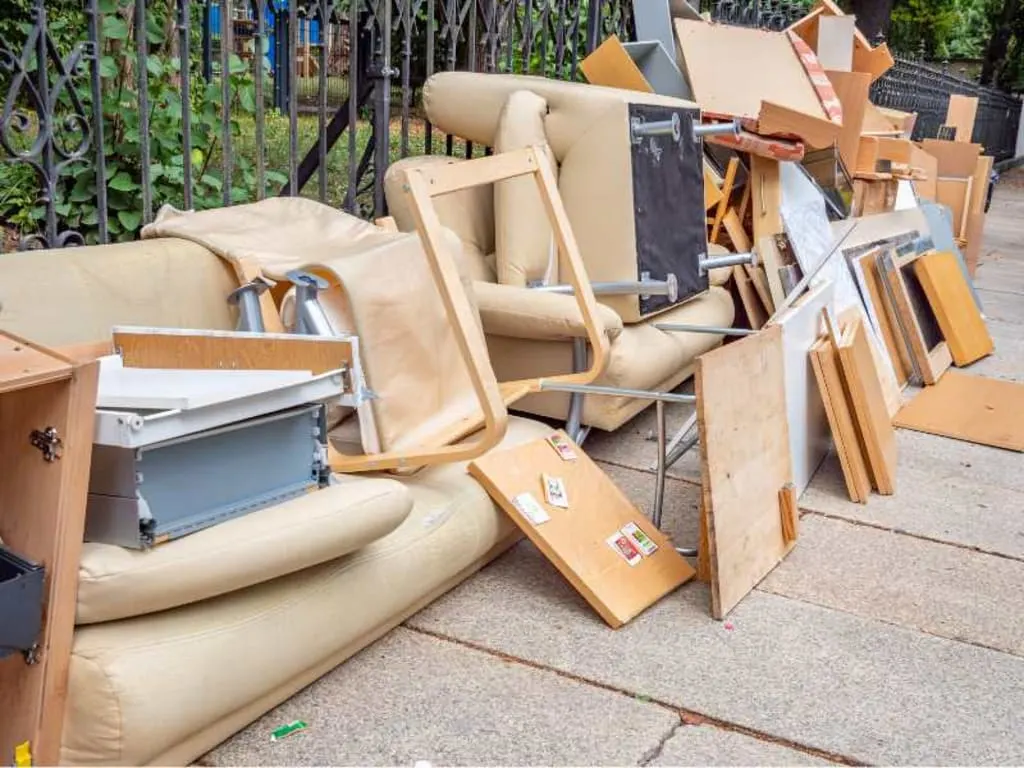
An old couch sagging in the corner, a dresser with a broken drawer, or a table nobody uses anymore can quietly take over a room. Old furniture removal solves that problem directly, but many homeowners try a shortcut first: shifting the unwanted piece into a garage, basement, or spare room instead of actually getting rid of it. That approach only moves the clutter around; it doesn’t clear it.
Effective furniture removal starts with a decision. Should the piece be reused, donated, recycled, or hauled away for disposal? The answer depends on its size, weight, condition, and how easy it is to reach and move. Once that decision is made, professional removal can take over the heavy lifting, transportation, and disposal logistics, turning what could be a difficult DIY project into a straightforward one.
Why Removing Old Furniture Can Transform Your Home

Bulky furniture affects more than just appearance. A room crowded with pieces nobody uses becomes harder to move through, harder to clean, and harder to actually enjoy. Old furniture removal opens up floor space that can be used for something more functional, whether that’s a reading corner, a home office, or simply room to walk without maneuvering around a piece that’s been ignored for years.
This matters even more during larger projects. Household furniture removal is often one of the first steps in a bigger decluttering effort, since bulky items take up a disproportionate amount of space compared to smaller household junk. Clearing them out first makes the rest of a cleanout noticeably easier, since there’s more room to sort, stage, and move remaining items without navigating around oversized obstacles. For homeowners tackling a full property cleanout rather than a single item, addressing furniture early tends to set the pace for how smoothly the rest of the project goes.
Which Old Furniture Items Are Usually Removable
Furniture removal covers far more than the classic couch-on-the-curb scenario. Most residential services handle a wide range of household pieces, from small side tables to full bedroom sets. Knowing what typically qualifies helps homeowners plan before calling for pickup.
Identify the Furniture You No Longer Need
Start by separating pieces that are genuinely unwanted from ones that might still serve a purpose elsewhere in the home. It’s easy to lump everything together during a big push to declutter, but a quick second look can save a usable item from unnecessary disposal.
Check the Item’s Condition Before Removal
A frame in good shape might be worth donating, while something stained, cracked, or structurally unsound is better suited for disposal. Condition often determines which removal path makes the most sense.
Measure Large Pieces Before Moving Them
Dimensions matter more than most people expect. A dresser or sectional that seems manageable in a room can become a serious problem at a narrow doorway or tight stairwell turn.
Consider Where the Furniture Is Located
Curbside items are the easiest to collect, but furniture sitting in a garage, upstairs bedroom, or finished basement adds extra steps to the process. Location should factor into how removal is planned and scheduled.
Decide Whether Disassembly Is Practical
Removing legs, cushions, or attached components can sometimes turn an awkward, oversized piece into something far easier to carry through a hallway or doorway.
Prepare a Safe Route to the Exit
Rugs, loose cords, small furniture, and other tripping hazards along the path should be cleared before moving day. A clean route reduces the risk of accidents and property damage.
Arrange the Appropriate Removal Method
Once the item is assessed, the right path becomes clearer: donation for usable pieces, recycling for certain materials, self-hauling for smaller items, or professional furniture removal for anything bulky, heavy, or otherwise difficult to manage alone.
When Professional Furniture Removal Saves More Effort
Moving furniture independently is possible for smaller or lighter pieces, but it stops being practical once weight, size, or awkward shapes enter the picture. Furniture Removal Services exist largely to take on the physical risk and logistical hassle that DIY hauling creates, particularly for pieces that require more than one set of hands.
Furniture Hauling Services also handle the parts of the job that are easy to underestimate, like navigating stairs, protecting walls and floors, and loading a truck properly so nothing shifts during transport. Heavy furniture removal in particular benefits from trained crews who know how to distribute weight and avoid injury.
- Reduces the physical strain of lifting bulky or heavy items
- Lowers the risk of property damage during transport
- Saves time compared to renting equipment or a truck
- Handles multiple pieces in a single visit instead of several trips
Compare Furniture Removal Options Before Choosing
Not every unwanted piece needs the same solution. Matching the right method to the item’s condition, size, and the homeowner’s timeline avoids paying for more service than necessary, or underestimating what a difficult removal actually requires.
| Option | Effort Required | Speed | Best Suited For |
| Professional removal | Low for the homeowner | Fast, often scheduled within days | Bulky, heavy, or multiple items |
| Donation | Moderate (drop-off or pickup coordination) | Depends on organization availability | Usable furniture in good condition |
| Selling | Moderate to high | Variable, depends on buyer interest | Higher-value or well-maintained pieces |
| Recycling | Moderate | Depends on local facility access | Items with recyclable materials |
| Self-hauling | High | Immediate, if equipment is available | Small, lightweight, easily portable items |
What Furniture Removal May Cost for Your Project
There’s no single number that applies to every furniture removal cost, since pricing depends on several variables working together. The number of items, their size and weight, how much labor is involved, and how accessible they are all play a role in shaping the final quote. Homeowners who want a closer breakdown of how these factors typically combine can review the furniture removal cost guide for a more detailed look at current pricing patterns.
Furniture hauling services also factor in disposal method, since donation drop-off, recycling, and landfill disposal don’t carry identical costs. Old furniture disposal involving hazardous materials or oversized pieces can add to the total as well.
- Number and size of items being removed
- Weight and any special handling requirements
- Labor needed for stairs, tight spaces, or disassembly
- Distance from the pickup location to the disposal or donation site
- Urgency of the request, including same-day service
Prepare Large Furniture Before the Removal Crew Arrives
A little preparation before pickup day helps everything move faster once the crew arrives. Most delays come down to avoidable issues that a short walkthrough beforehand can prevent.
Clear the Furniture and Protect the Removal Path
Removing cushions, drawers, or personal items stored inside furniture pieces makes them lighter and easier to carry. Clearing the floor and doorways along the path also reduces the chance of tripping hazards or accidental damage during furniture pickup.

Tell the Crew About Stairs, Tight Spaces, or Damage
Unusual access conditions, such as a narrow stairwell, a sharp hallway turn, or a piece that’s already partially broken, should be mentioned before the crew arrives. This lets residential furniture removal teams plan the right approach instead of discovering the challenge on-site.
How Access Changes the Difficulty of Furniture Removal
Getting furniture out of a home isn’t always as simple as carrying it to a truck. Doorway width, narrow hallways, tight staircases, elevators in multi-unit buildings, and sharp corners can all turn an otherwise manageable piece into a genuine challenge. Residential furniture removal from upper floors or finished basements typically takes more planning than a straightforward curbside pickup.
- Measure doorway and hallway widths before scheduling pickup.
- Note any staircases, elevators, or narrow turns along the route.
- Flag basement or upstairs locations when booking the service
- Mention any furniture that may need to be disassembled to fit through tight spaces.
Heavy furniture removal from difficult locations is one of the clearest cases where furniture hauling benefits from an experienced crew rather than a DIY attempt.
Know How Heavy Furniture Can Be Removed Safely
Weight changes everything about how a piece should be handled. A heavy dresser, solid wood table, or oversized cabinet isn’t just harder to lift; it also carries a higher risk of injury or property damage if moved incorrectly. Heavy furniture removal generally calls for proper lifting technique, team coordination, and sometimes equipment like dollies or straps.
Large furniture removal becomes especially risky on stairs, where balance and footing matter as much as raw strength. Furniture hauling done without the right setup can result in dropped items, scraped walls, or strained backs.
- Use proper lifting form and avoid twisting while carrying weight.
- Move as a coordinated team rather than individually.
- Use equipment such as furniture dollies or moving straps when available.
- Protect stairwells, corners, and doorframes before moving heavy pieces.
Handle Couches and Sofas Without Damaging Your Home
Couches and sofas are among the most commonly removed furniture items, and their size makes them uniquely prone to causing damage if handled carelessly. A few specific steps make couch removal service and sofa removal service go more smoothly.
Empty and Inspect the Couch Before Pickup
Cushions, remote controls, and other items that slip between couch cushions should be cleared out before the crew arrives, both to lighten the load and to avoid losing anything by accident.
Measure Doorways and Tight Turns in Advance
Checking width and height at doorways and hallway turns ahead of time reveals potential problems before moving day, rather than mid-carry.
Remove Detachable Parts When It Makes Sense
Cushions, legs, and other removable components can often be taken off separately, making an oversized sofa noticeably easier to maneuver through tight spaces.
Protect Floors, Walls, and Door Frames
Laying down padding or blankets along the removal path helps prevent scratches, dents, and scuffs during couch hauling.
Let Professionals Handle Awkward or Heavy Sofas
Team lifting and the right equipment make a meaningful difference for large or heavy sofas, particularly when stairs or narrow turns are involved.
Decide What Should Happen to Usable Furniture
Not every unwanted piece belongs in a landfill. Furniture in decent condition often has a second life ahead of it, whether through donation or resale, and deciding this early prevents usable items from being discarded unnecessarily.
- Clean, structurally sound furniture is often accepted by local donation centers.
- Higher-demand items may be worth listing for sale before disposal.
- Some donation organizations have size or condition requirements worth checking first.
- Old furniture disposal should be reserved for pieces that are damaged beyond reasonable use.
Find Better Disposal Paths for Broken Furniture
Furniture that’s cracked, waterlogged, structurally unstable, or otherwise unusable needs a different approach than furniture in good condition. Broken furniture removal typically isn’t accepted by donation centers, which makes junk removal or recycling the more realistic path.
Some materials within broken furniture, such as certain metals or wood components, can be separated and recycled rather than sent straight to a landfill. Homeowners dealing with a wider mix of household items during a larger cleanout may also find it useful to review household items recycled for a broader look at what can be diverted from disposal.
- Confirm with the removal service whether the item can be recycled in parts.
- Avoid leaving broken furniture at the curb without confirming pickup, to prevent illegal dumping concerns.
- Ask whether hazardous materials, such as certain foams or finishes, require special handling.
- Choose furniture junk removal when donation and resale aren’t realistic options.
See What Happens After Your Furniture Leaves
Getting furniture out of the house is only part of the process. What happens to it afterward matters too, especially for homeowners who want their old pieces handled responsibly rather than sent straight to a landfill. A closer look at after furniture removal explains how collected items are typically sorted, since donation, recycling, and disposal often happen side by side depending on each item’s condition.
Furniture disposal service providers generally sort collected pieces to separate anything still usable from material that needs to be processed or discarded.
- Usable furniture may be routed to local donation partners.
- Certain materials are separated out for recycling.
- Damaged or unusable pieces are processed through appropriate disposal channels.
- Responsible furniture removal reduces the amount of furniture waste sent to landfills.
Plan Same-Day Furniture Removal When Time Matters
Not every furniture removal situation allows for advance planning. Moving deadlines, unexpected deliveries, or a sudden need to clear a room can all create time pressure. Same-day furniture removal isn’t guaranteed by every provider, but understanding what affects availability helps set realistic expectations.

Identify Why the Furniture Must Leave Quickly
Common triggers include an approaching move-out date, new furniture arriving before the old piece is gone, or a renovation that requires the space cleared immediately.
Confirm Item Details Before Requesting Same-Day Help
Providing accurate details about furniture type, size, quantity, and location in the home helps a provider determine quickly whether same-day scheduling is realistic.
Ask About Interior and Curbside Removal Options
Furniture already sitting curbside is generally faster and easier to collect than pieces still inside the home, so confirming which applies helps set the right expectations for timing.
Prepare the Furniture and Access Route Immediately
Clearing the path and having the item ready to go the moment the crew arrives makes urgent pickup far more efficient. Homeowners juggling a same-day furniture need alongside an upcoming relocation may also find it worth reviewing packing for the move, since furniture removal and moving prep often overlap during a tight timeline.
Confirm the Final Pickup Window Clearly
Getting a clear window, rather than a vague estimate, helps avoid confusion or wasted waiting time on a day that’s already tight on schedule.
Avoid Furniture Removal Mistakes That Cause Problems
A handful of avoidable mistakes account for most furniture removal headaches. Catching them early keeps the process simpler and safer.
- Attempting to move heavy items alone. Wait for a second person or a professional crew rather than risking injury.
- Skipping measurements before moving day. Check doorway and hallway dimensions in advance to avoid mid-move surprises.
- Leaving personal belongings inside furniture. Do a final check of drawers, cushions, and compartments before pickup.
- Not disclosing stairs or tight access points. Mention unusual access conditions when scheduling so the crew can plan accordingly.
- Choosing a disposal method without checking requirements. Confirm donation or recycling guidelines before assuming a piece qualifies.
Build a Simple Plan for Clutter-Free Furniture Removal
Bringing everything together into one workflow makes furniture removal far less overwhelming, whether it’s a single piece or an entire home’s worth of unwanted items.
Sort Furniture by Condition and Priority
Separate pieces into categories: reusable, repairable, recyclable, and disposal-ready. This early sorting shapes every decision that follows.
Check Size, Weight, and Access Requirements
Identify which items need extra planning due to dimensions, stairs, tight spaces, or sheer weight.
Choose the Most Suitable Removal Method
Match each piece with the right path, whether that’s donation, resale, recycling, self-hauling, or professional old furniture removal.
Prepare the Home Before Pickup Begins
Clear paths, remove personal belongings from furniture, and flag any unusual access conditions ahead of time.
Confirm Removal and the Final Disposal Path
Once furniture is collected, confirming how it will be handled, whether donated, recycled, or disposed of, closes the loop on responsible removal.
Conclusion: Keep Your Home Clear With Smarter Removal
Getting unwanted furniture out of a home is about more than freeing up floor space. Junk People LLC can help choose the right next step for each piece, whether that means donation, recycling, or professional disposal, while handling the process safely and efficiently.
Considering condition, size, access, and timing before scheduling pickup leads to a smoother experience and a home that actually feels clearer once the work is done. Old furniture removal, approached thoughtfully, turns a cluttered space into a functional one without unnecessary strain or wasted effort. Taking stock of what’s no longer needed and arranging the right removal service is the simplest way to get there.
FAQs About Old Furniture Removal
Scheduling professional furniture removal is generally the most straightforward option, especially for bulky or heavy pieces that are difficult to move alone.
Cost typically depends on the number and size of items, labor required, access challenges, and the disposal method used.
Yes, most residential furniture removal services collect items from inside the home, provided access details are shared in advance.
Heavy pieces are best left to a professional crew with proper lifting technique and equipment rather than attempting to move them alone.
In most cases, yes. Broken furniture removal is typically handled separately from donation-eligible items but can still be collected for disposal or recycling.