

Messy debris can stop a project before the next trade begins. After remodeling or demolition work, dust spreads fast, and waste piles grow. Broken tile, drywall scraps, sharp nails, and heavy boards can block safe paths. Smart construction debris removal keeps crews moving and helps prevent delays. For example, a kitchen remodel can stall when cabinets arrive before old debris gets cleared.
Good jobsite debris cleanup also protects the work area from damage. Workers need clear floors for tools, ladders, and new materials. Property owners want less stress and fewer last-minute issues. Renovation debris removal helps the next phase start on time. It also keeps dust, sharp waste, and heavy piles from slowing paint, flooring, trim, or final inspection work.
Why Construction Debris Removal Matters For Every Jobsite
Every jobsite needs a clean space for steady work. Construction debris removal helps crews move tools and materials without delay. It also supports better construction site cleanup when waste starts building up. For example, a remodel crew can lose time when heavy waste blocks the door before flooring work begins.
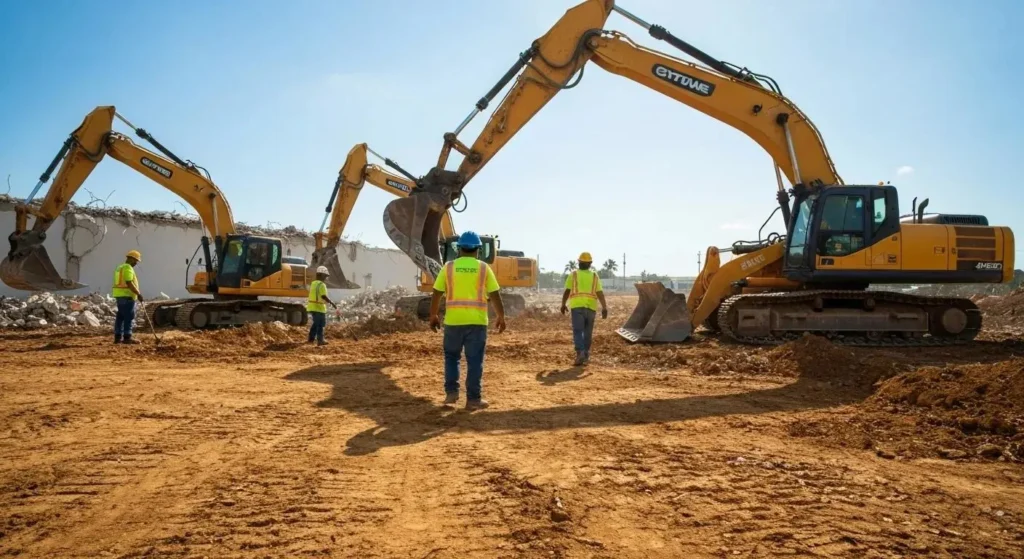
Clear Walkways Reduce Site Delays
Blocked paths slow each trade on the site. Workers may need to move boards, drywall pieces, or broken tile before they start. Sharp edges can also make crews work with more care. Clear paths help ladders, carts, and tools move without wasted steps.
Sorted Debris Helps Crews Work Faster
Mixed waste can make cleanup harder near the end. Wood, drywall, metal, and concrete should go in separate piles. This keeps jobsite debris cleanup more simple and less rushed. A crew can haul each pile faster when the worksite stays well planned.
Proper Cleanup Helps Avoid Disposal Problems
Local disposal rules can affect where debris goes. Some sites may also have waste limits or permit needs. Poor sorting can cause extra fees or rejected loads. Good worksite care helps crews track waste and avoid last-minute disposal issues. For large cleanups, dumpster rental services can help manage debris efficiently.
What Types Of Construction Debris Need Special Care
Some debris looks simple, but needs the right plan. Construction waste removal works best when each material is handled by type. Light scraps, heavy rubble, and hazard waste should not go into one pile. For example, a bathroom remodel may leave drywall pieces, broken tile, old flooring, and paint cans in the same room.
Wood Drywall And Flooring Waste
Wood waste, drywall scraps, and old flooring are common after remodels. These items may seem easy to move. Yet nails, sharp edges, and dust can create problems. Good construction debris disposal keeps these materials in labeled piles so crews can clear rooms faster.
Concrete Brick And Heavy Debris
Concrete debris and brick pieces need more care due to their weight. Heavy loads can strain workers and damage floors. Small trucks and dumpsters may also have weight limits. Many sites send clean concrete and brick to recycling centers when local rules allow it.
Paint Cans, Chemicals, and Hazard Waste
Paint cans, solvents, and some adhesives may count as hazardous materials. These items should not mix with building debris removal loads. They often need certified disposal sites or special drop-off rules. This helps owners avoid fines, rejected loads, and cleanup delays.
How To Assess Construction Debris Before Cleanup Starts
Good construction waste management starts before anyone lifts a heavy pile. Crews need to know what they are moving first. This helps shape the debris removal process and keeps post-construction cleaning more steady. For example, a remodel can slow down when mixed waste fills the only exit path.
Check The Size Of Each Debris Pile
Pile size helps you choose the right dumpster rental or truck. Small scraps may fit in a light haul load. Heavy rubble may need more space and better weight notes. This step helps avoid overfilled bins and wasted trips during cleanup.
Identify Sharp, Heavy, or Mixed Waste
Sharp boards, broken tile, and metal pieces need careful sorting. Mixed waste can slow crews and lead to extra fees. Poor waste sorting may also cause rejected loads at disposal sites. A quick check helps separate risk items before moving begins.
Plan The Cleanup Route Before Moving Waste
A clear route helps crews move debris with less handling. It also keeps tools, walls, and new work safer. Crews should open paths from each room to the truck or bin. This saves time when heavy piles must leave the site fast. For handling larger cleanouts, furniture removal services can help streamline the removal process efficiently.
Best Way To Sort Construction Debris For Faster Removal
Good jobsite debris cleanup starts with simple sorting. Mixed debris slows crews and makes hauling harder. It can also raise disposal costs when clean items get mixed with risky waste. For example, a remodel crew may lose time when metal scraps, glass, and drywall all sit in one pile.
Separate reusable items first
Place clean wood, metal, and cardboard in marked piles. These items may go to recycling centers or reuse sites.
Keep metal scrap in one area
Metal should stay apart from drywall and dust. A scrap yard may accept clean pieces when sorted well.
Move heavy debris away from light waste
Concrete, brick, and tile can crush drywall and soft waste. This also makes each load harder to lift.
Label sharp materials clearly
Mark piles with nails, glass, wire, or sharp metal. Clear labels help crews avoid cuts and delays.
Keep dusty waste covered
Drywall dust and broken plaster can spread fast. Cover these piles before moving them through finished rooms.
Use clean piles for recycling
Construction recycling services work better when waste is sorted early. Clean loads can save trips and reduce disposal issues.
DIY Construction Debris Removal Steps For Small Projects
Small projects still need a clean plan. Good post-construction cleaning helps stop dust piles and sharp scraps from spreading. A small bath repair may leave tile pieces, nails, and drywall dust behind. Simple steps can make renovation debris removal safer and less stressful.
Choose The Right Bin Or Truck
A small truck can work for light waste from one room. This may include wood scraps, trim boxes, and bagged dust. A construction dumpster makes more sense for heavy tile, old cabinets or large mixed piles. The right choice keeps the debris removal process smoother.
Use Basic Safety Gear Before Lifting
Wear gloves, eye protection, masks, and strong shoes before moving debris. Sharp nails, dusty boards, and broken tile can cause quick harm. Good gear helps you lift and sort with more control. It also reduces stress during cleanup.
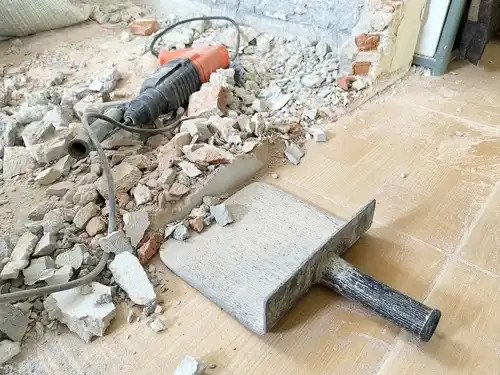
Clear One Zone At A Time
Clean one room or work zone before starting the next. Bag the dust first, then move light scraps and heavy pieces. This keeps paths open for tools and foot traffic. For example, clear the hallway first so waste can move out without extra handling.
When To Hire Professional Construction Debris Removal Services
Hire professional construction debris removal when waste becomes too heavy or mixed for DIY work. Broken tile, metal framing, and concrete chunks can slow cleanup fast. Heavy lifting may also strain workers or mark new floors. A cleanup crew can sort mixed debris and move it without wasting trade time. For outdoor cleanup needs, yard waste removal services can help manage and dispose of green waste efficiently.
Construction cleanup services help when inspection, staging or the next trade is near. Demolition debris removal may also need certified disposal sites for certain loads. For example, a remodel team may need floors cleared before the cabinets arrive. Fast hauling helps the project stay clean, ready, and on schedule.
Legal and Eco-Friendly Construction Debris Disposal Options
Smart construction debris disposal helps crews avoid fines, delays and rejected loads. It also keeps useful items out of the wrong waste stream. Good construction waste management starts with clean sorting and proof of each drop. For example, a remodeler may need disposal records before final billing or site closeout.
Recycle clean wood, metal, and concrete
Sorted debris can go to approved recycling centers. Clean loads are easier to accept. They may also cost less than mixed waste.
Donate usable fixtures and supplies
Cabinet doors, hardware, lights, and unused materials may still have value. Donation programs can help reduce waste and clear space.
Follow local waste rules
Each area may have different rules for debris loads. Check limits before hauling heavy or mixed material.
Use approved drop sites
Some waste should only go to approved locations. This helps prevent rejected loads and extra hauling time.
Keep proof of disposal
Save receipts, tags, and drop slips after each load. These records help show proper handling if questions come later.
Step-by-Step Construction Debris Removal Process
A clear debris removal process keeps cleanup safer and faster. It also helps each trade start work without blocked paths or mixed waste. Good construction site cleanup starts with a simple plan. For example, a remodel can stay on track when old flooring and drywall leave before cabinets arrive. shed deck removal.
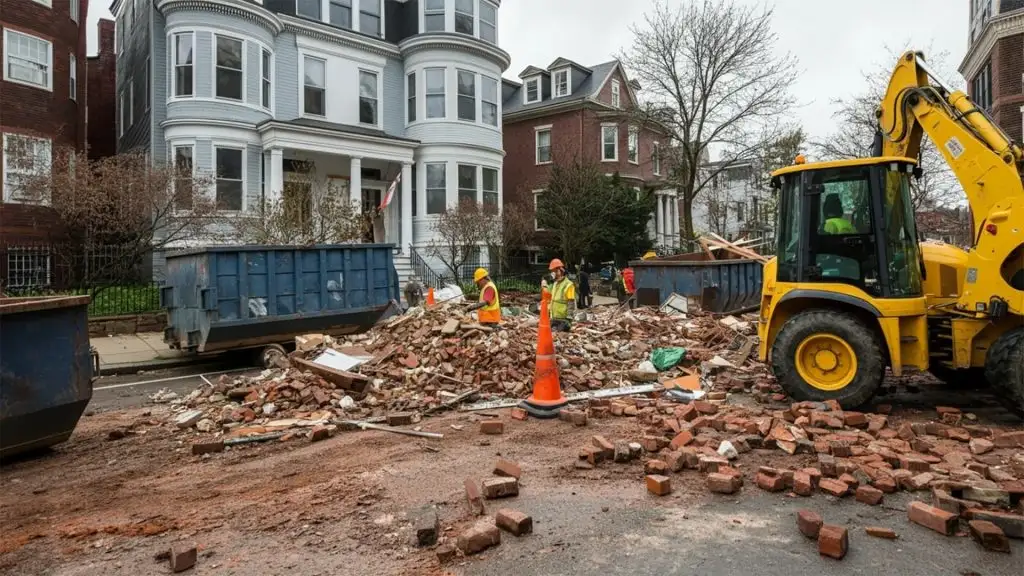
Step One: Inspect The Site
Check each room before moving debris. Look at debris type, weight, and access points. Heavy piles may need more labor or a better hauling route. This step helps prevent damage to walls, floors, and new work.
Step Two: Sort The Materials
Separate wood, drywall, concrete, metal, and special waste. Waste sorting helps crews load faster and avoid rejected loads. It also supports better construction waste removal when recycling or donation options apply.
Step Three: Load Debris Safely
Move heavy items slowly and keep clear paths open. Broken tile nails and sharp boards need extra care. Crews should avoid dragging waste across finished floors. This helps protect the site during cleanup.
Step Four: Dispose Of Waste Properly
Use dumpsters, recycling yards, donation centers, or certified disposal sites. Certified disposal may be needed for certain paint chemicals or special waste. The right site helps avoid fines and delays.
Step Five: Document The Disposal
Save receipts, photos, and disposal records when needed. These notes can help contractors, owners, or site managers prove proper handling. They also make the final project closeout more clear.
Common Construction Debris Removal Mistakes To Avoid
Small cleanup mistakes can cause real project delays. Construction debris removal needs sorting, access, and safe loading from the start. Mixed debris, sharp edges, and full bins can slow crews down. For example, a contractor may lose pickup time when a bin holds banned items or too much concrete.
- Mixed piles take longer to sort and load. They can also raise disposal costs. Keep wood, drywall, metal, and concrete apart.
- An overfilled dumpster may break weight limits. Haulers may refuse pickup until the load is fixed.
- Some items need special handling. Paint chemicals and treated wood may not go with normal debris.
- Nails, glass, and cut metal can hurt crews. Place risky waste in marked piles.
- Debris near doors or stairs slows hauling. Clear routes help crews move waste safely.
- Receipts and drop slips can help close out the job. They also show proper waste handling.
Final Thoughts On Safe Construction Debris Removal
Safe construction debris removal starts with sorting, planning, and proper disposal. A clean worksite helps crews move faster and keeps clear paths open. Small projects may work with DIY cleanup when waste stays light and easy to handle. For example, a small trim update may only need bags and a short haul.
Large mixed or heavy debris needs trained help. Concrete tile metal framing and sharp waste can slow post construction cleaning fast. Good construction site cleanup also includes organized debris and disposal records when needed. If your project has heavy piles or tight deadlines contact a cleanup crew to clear the site safely. Junk People LLC.
FAQS
Construction debris removal means clearing wood scraps drywall tile concrete and other waste after building repair or remodel work.
Building debris removal often includes wood drywall flooring tile brick concrete metal scrap cabinets doors and other leftover jobsite materials.
DIY construction debris removal can work for small light loads. Heavy sharp mixed or dusty waste may need trained cleanup support.
Construction debris disposal rules may limit paint cans chemicals treated wood asbestos batteries and other hazard items.
Concrete debris disposal should follow weight limits. Clean concrete and bricks may go to recycling yards or approved waste sites.