
Homeowners feel shocked when swimming pool removal cost estimates come back very different. One quote may seem affordable. Another may be much higher without a clear reason. This confusion often creates stress during planning and delays decisions on the full pool demolition cost.
The truth is, every pool removal project is different. Some yards only need basic removal work. Others turn into deep excavation jobs with extra labor and equipment. The final price depends on many hidden factors, not just pool size. This guide will break down each cost factor so homeowners understand what they are really paying for before starting any project.
Why No Two Pool Removal Quotes Ever Look the Same
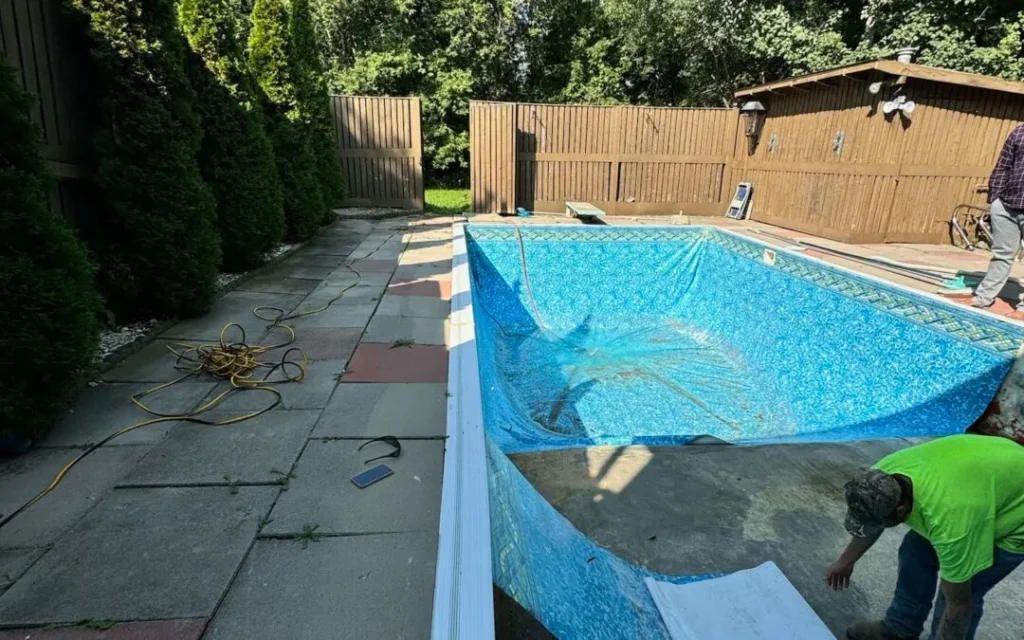
Prices often vary widely between contractors. This usually happens because every swimming pool demolition project has different site conditions and work needs. A simple yard job is not the same as a complex excavation. Every backyard presents unique challenges. Tight spaces or slopes can increase labor time.
Local rules also affect permits and inspection steps. Pool materials like concrete or fiberglass change how hard the work is. Access to the yard impacts machine use and speed. Disposal costs also vary by region. One homeowner once paid more due to narrow access that required extra manual work. Trusted professionals assess all factors before giving final pricing to avoid surprises later.
The Biggest Cost Decision Happens Before Demolition Begins
People think costs are decided during work. The truth is different. The main price difference in swimming pool projects is chosen before any digging starts. This early decision shapes the full budget and long-term results of the pool demolition cost.
The partial pool removal cost is usually lower at the start. It leaves parts of the structure underground and uses less labor. The complete pool removal cost is higher because all material is removed and the ground is fully restored. One homeowner chose partial removal and later faced soil settling. Future land use also matters since full removal gives more building options. Trusted professionals often explain both options clearly before work begins.
Breaking Down Where Your Money Actually Goes
Many homeowners focus only on the final swimming pool removal cost. The real picture is more detailed. Each stage of work adds to the total pool demolition cost. Understanding these parts helps avoid confusion and makes pricing easier to evaluate before starting any project. The hauling stage often includes a construction debris removal service to transport broken concrete, steel, and other demolition materials to approved disposal facilities, which can significantly affect the final cost.
Cost Breakdown Table
| Cost Category | What It Covers | Why It Matters |
| Demolition Labor | Breaking and removing the pool structure | Skilled work affects safety and speed |
| Heavy Equipment | Excavators and loading machines | Needed for safe and fast removal |
| Hauling and Disposal | Transporting debris to approved sites | Disposal rules vary by location |
| Backfill Materials | Soil or gravel is used to fill the space | Ensures ground stability after removal |
| Site Grading | Leveling and shaping the yard | Prevents water pooling and uneven land |
| Inspection Requirements | Local checks and permits | Ensures legal compliance and approval |
Each cost plays a role in final pricing. Trusted professionals often explain these factors clearly so homeowners understand where their money goes and avoid hidden surprises later.
How Pool Size Changes the Final Price Tag
Many homeowners are surprised that the in-ground pool removal cost changes with size. Larger pools need more labor, equipment, and time. This directly increases the total pool removal project budget and makes pricing very different between properties.
Small Pools vs Large Pools
Small pools take less time and fewer machines to remove. Large pools require heavy equipment and longer work days. One homeowner saw nearly double the time needed compared to a smaller nearby pool job.
Extra Debris Removal Requirements
Larger pools produce more concrete and steel waste. This increases hauling trips and disposal fees. Contractors adjust pricing based on how much material must be removed from the site.
Additional Fill Material Needs
Big pools need more soil or gravel to fill the empty space. This raises transport and material costs. More fieldwork also increases project duration and labor requirements.
Time and Equipment Increases
Larger pools require stronger machines and longer schedules. This adds fuel costs, rental charges, and labor time. These factors increase the overall project expense significantly.
Concrete, Fiberglass, or Vinyl? Material Matters More Than You Think
Many homeowners think swimming pool demolition costs depend only on size. The material type plays a bigger role. Concrete, fiberglass, and vinyl each need different tools and time. This directly affects the pool demolition cost and how complex the work becomes.
Concrete Removal Challenges
Concrete pools are very hard to remove during swimming pool demolition. They need heavy-breaking machines and skilled labor. Reinforced steel inside concrete slows work. One project took extra days because the structure was deeper and stronger than expected. This increases the overall pool demolition costs.
- Requires heavy breaking equipment
- Needs more labor hours
- Reinforced steel slows removal
- Higher disposal and hauling effort
Fiberglass Extraction Process
Fiberglass pools are removed in large shell sections. Workers carefully lift and cut the structure. Damage must be avoided during lifting. If cracked, it becomes harder to transport safely. This process still needs planning and proper machinery support.
- Lifted in large sections
- Careful cutting required
- Risk of cracking during removal
- Needs safe transport handling
Vinyl Pool Considerations
Vinyl pools are simpler but still need proper dismantling. The liner must be removed and disposed of correctly. The frame is broken down section by section. The soil underneath still needs leveling after removal.
- The liner must be removed safely
- Frame dismantled into parts
- Disposal of the liner is required
- The ground still needs cleanup
Which Materials Cost More to Remove
Concrete pools cost the most due to their strong structure and heavy tools. Fiberglass costs less but still needs careful handling. Vinyl is usually the cheapest because it is easier to break down and remove during a pool removal project.
Hidden Expenses Most Homeowners Never Budget For
Many homeowners only focus on the base pool removal cost. Extra charges often appear later during a pool removal project. These costs depend on permits, utilities, site conditions, and repair needs after excavation work begins. After the demolition is complete, yard debris removal may also be required to clear branches, damaged landscaping, and leftover materials before the property is fully restored.
Permit Fees
Permits are often required before starting pool removal. Rules differ by location. Missing permits can delay work and may add extra approval costs during inspection and project scheduling.
Utility Disconnections
Water and electrical lines must be safely shut off. Licensed workers are often needed. This adds service charges and increases the total project cost for safe site preparation.
Engineering Reports
Some sites require soil or structure checks. These reports ensure safe removal planning. Engineers assess ground conditions, which adds professional fees before excavation begins on the property.
Drainage Corrections
Poor water flow must be fixed after removal. Extra grading or drainage systems may be needed. This prevents water pooling and increases final project expenses.
Landscaping Restoration
Excavation damages lawns and garden areas. Repair work is needed after removal. Soil leveling and replanting increase overall finishing costs for the homeowner.
Unexpected Site Obstacles
Buried debris pipes or rocks may appear during work. These slow progress and increase labor and equipment use. This often raises the final pool removal cost.
Backyard Access Can Add Thousands to Your Project
Many homeowners are surprised when the swimming pool removal costs rise due to access issues. A simple pool demolition cost estimate can change quickly when machines cannot easily reach the backyard. Limited space often forces extra manual work and longer project time. In some cases, homeowners even follow a rusted gate removal guide or remove an old metal gate before demolition so heavy equipment can enter the property without delays.
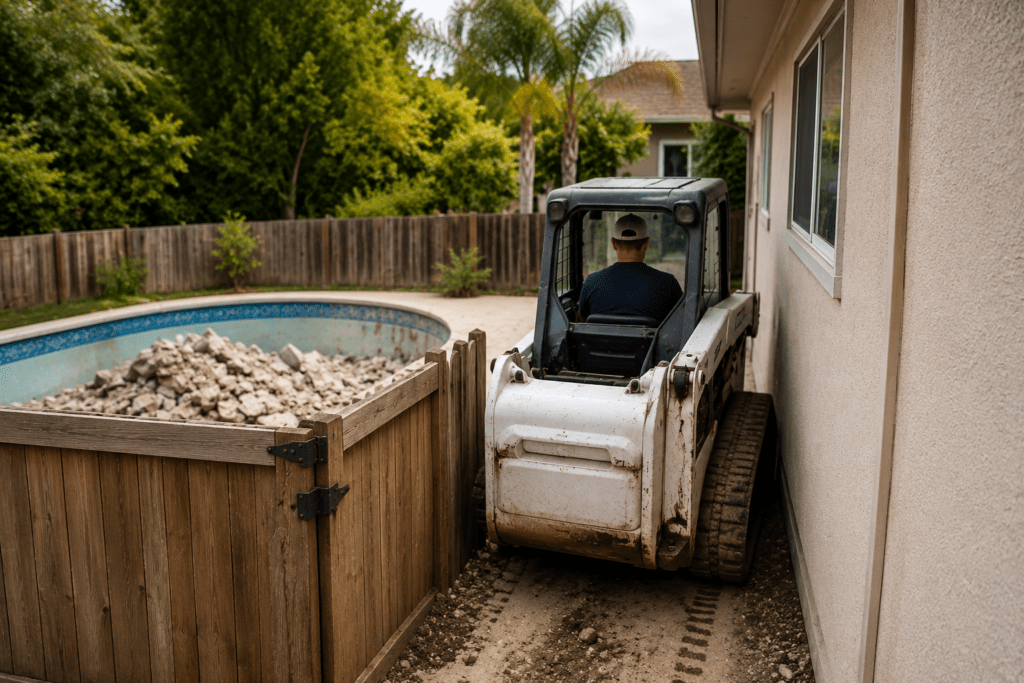
Equipment Access Requirements
Heavy machines need clear entry paths. Narrow gates or blocked driveways slow the work. One homeowner had to adjust fencing before equipment could enter the site.
Fence Removal
Sometimes fences must be removed for access. This adds labor time and reinstallation costs after the project is finished.
Tight Property Lines
Close neighboring structures limit movement. Workers must operate carefully, which increases time and effort.
Limited Machinery Access
When machines cannot enter, manual labor replaces mechanical work. This increases the total project duration.
Additional Labor Costs
Extra handling and slow progress increase labor hours. This directly raises the final project expense.
The Cost Difference Between Above-Ground and In-Ground Pools
Many homeowners compare the pool removal costs between above-ground and in-ground pools. The difference is often large because each type needs different work. In-ground pool removal cost is usually higher due to deeper structures and heavier materials. Before demolition begins, some homeowners also arrange a furniture removal service to clear patio furniture and outdoor items, giving contractors enough space to work safely and efficiently.
Cost Comparison Table
| Factor | Above-Ground Pools | Inground Pools |
| Removal Complexity | Easier and faster to dismantle | More complex excavation work |
| Labor Requirements | Lower labor time and effort | Higher labor and skilled work |
| Disposal Needs | Fewer materials to haul away | Large volume of concrete and debris |
| Average Price Range | Lower overall pool removal cost | Higher inground pool removal cost |
Above-ground pools are simpler to take apart and remove. Inground pools require digging, breaking, and full site restoration. This is why in-ground systems usually cost more due to equipment and labor intensity.
Understanding Engineered Backfill vs Standard Backfill Costs
Many homeowners only focus on the pool fill-in cost without understanding soil quality differences. The type of backfill used after complete pool removal can affect ground strength and future building plans. This choice impacts long-term safety and property value more than many expect during early planning.
Engineered backfill is compacted in layers with tested materials for stability. Homeowners often choose it when planning patios or structures. One project used engineered fill before building a garage. Standard backfill is cheaper but may settle over time. Engineered options increase the complete pool removal cost but reduce future repair risks and improve land reliability for long-term use.
When Paying More Upfront Can Save Money Later
Many homeowners try to reduce the swimming pool removal cost at the start. This often leads to problems later. Lower-cost options may skip important steps. If the backyard has years of accumulated clutter, booking a hoarder clean out service before pool removal can make the work area safer and help contractors complete the project more efficiently.
Higher quality complete pool removal cost plans include better compaction and drainage work. One homeowner paid more upfront for proper backfilling and avoided sinking soil later. This reduced future repair needs and protected property value. It also improved resale trust because all work was well documented.

Cost Comparison Table Homeowners Should Review Before Hiring
Many homeowners focus only on the first quote they receive. This often leads to confusion when comparing options. A pool removal project can look cheaper at first, but may not offer the same long-term value or flexibility. Understanding both partial and complete approaches helps avoid costly mistakes later.
Cost Comparison Table
| Cost Factor | Partial Removal | Complete Removal |
| Initial Cost | Lower | Higher |
| Future Building Options | Limited | Flexible |
| Resale Documentation | Often Required | Cleaner Record |
| Project Duration | Faster | Longer |
| Long-Term Value | Moderate | Higher |
Partial removal may save money upfront, but can limit future land use. Complete removal costs more but gives stronger property value and fewer future issues. Trusted professionals often help homeowners choose based on long-term goals instead of only initial price.
Final Thoughts on Budgeting for Pool Removal
Many homeowners focus only on the swimming pool removal cost when planning a project. This often leads to missed details and unexpected expenses. A pool demolition cost is not just about breaking concrete. It also includes labor, disposal, and site restoration work that affects the final result of the pool removal project.
Long-term planning matters more than the lowest price. Proper demolition and backfilling protect soil stability and future property value. Understanding cost factors early helps avoid surprise charges later. It also ensures the land remains safe for future use. Trusted professionals, such as Junk Removal LLC, often guide homeowners toward balanced decisions instead of quick, low-cost choices.
If you are planning a project, it is often recommended to compare multiple quotes and review full scope details before starting. This simple step helps ensure safer results and better long-term value for your property.
Frequently Asked Questions About Swimming Pool Removal Cost
The average swimming pool removal cost varies widely. Most homeowners pay based on size, access, materials, and local labor and disposal requirements.
Yes, partial removal is usually cheaper. It requires less excavation and material removal. Complete removal costs more but offers better long-term land use.
Yes, larger pools increase labor, equipment use, and disposal needs. A bigger size directly raises the total pool demolition cost and project time.
Not always. Some contractors include permits, while others do not. Local rules often decide if permits are required for swimming pool removal work.
Yes, but only after proper compaction and inspection. Poor soil preparation can cause sinking or structural issues if building starts too early.