
Most homeowners eventually open a shed or garage and find forgotten containers of fuel, half-used paint cans, leaking solvents, or unidentified chemicals that have been sitting for years. At first, it may look like a simple cleanup job, but handling these materials the wrong way can quickly turn into a serious safety issue. Improper disposal can trigger fires, toxic fumes, and long-term soil damage, especially when dealing with disposing of old gasoline situations that seem harmless but are highly volatile.
In many households, these items fall under household hazardous waste, yet people still treat them like regular trash. A common mistake is pouring liquids down drains or tossing containers into bins, which increases risks linked to toxic waste disposal and can lead to dangerous environmental contamination. For example, a homeowner once tried emptying an old fuel can into a backyard pit, not realizing the vapors could ignite nearby tools and spread contamination into the soil within hours.
Why Old Gasoline Can Become Dangerous Over Time
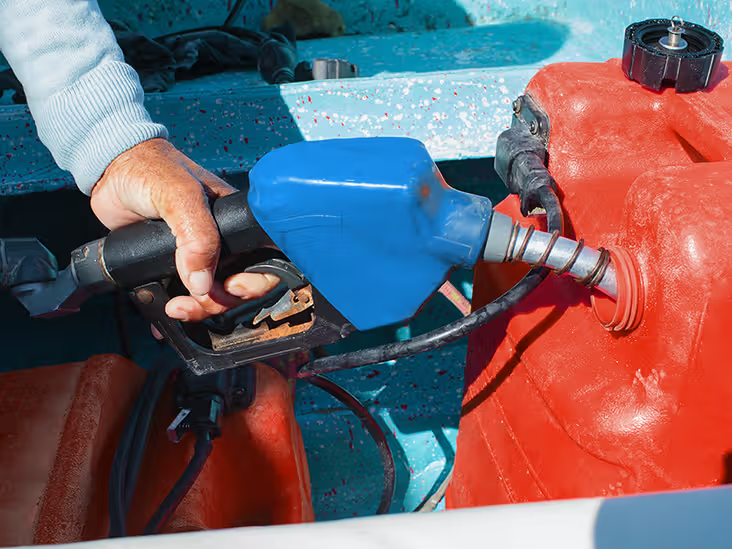
When gasoline sits unused for months or years, it slowly breaks down due to oxidation and evaporation of its lighter compounds. This chemical change reduces fuel stability, creates gum-like deposits, and increases flammability risks, making proper old gasoline disposal necessary for safety. In many cases, poorly stored fuel can even release vapors that ignite from a small spark, especially in closed storage areas.
A common real-world situation happens when someone tries to start an old generator during a power outage and unknowingly uses stale fuel. The engine sputters, misfires, or fails completely, showing clear signs of stale gasoline disposal needs. Over time, poor gasoline storage safety can also damage engines and increase fire hazards, which is why experts recommend that you always dispose of old gasoline through safe and approved methods instead of reusing questionable fuel.
Common Toxic Waste Items Found Around Homes
Many households gradually collect materials that are no longer safe to store or use, often hidden in garages, basements, or backyard sheds. These include old paints, thinners, pesticides, cleaning agents, automotive fluids, broken furniture, and renovation leftovers that often require a furniture removal service before hazardous materials can be safely sorted. A common real-life situation is when a homeowner cleans out a storage corner and discovers multiple unlabeled containers left behind after renovation work or seasonal maintenance.
These materials are considered toxic household waste because they can release harmful fumes, leak into soil, or react dangerously when mixed. Items like batteries, pool chemicals, and electronics also require careful handling through proper hazardous waste collection systems. Even fuel remnants, such as disposed of old gasoline, must never be treated like regular trash due to fire and contamination risks.
Household Toxic Waste Overview
| Household Item | Hazard Type |
| Gasoline | Flammable |
| Paint Thinner | Toxic |
| Pesticides | Poisonous |
| Batteries | Corrosive |
| Motor Oil | Environmental Hazard |
How to Tell If a Product Is Considered Hazardous Waste
Identifying hazardous materials starts with understanding product labels and warning symbols. Most containers clearly indicate risks such as flammability, toxicity, or corrosiveness. For example, a garage cleaner labeled “vapors harmful” or a fuel container marked for high flammability signals that it falls under hazardous materials disposal rules.
Warning symbols are the first clue for safe handling. Flame icons indicate flammable substances, skull symbols point to toxic chemicals, and corrosion signs warn of reactive liquids that can damage skin or surfaces. These products often require chemical waste disposal through approved systems rather than household bins.
Disposal Mistakes That Create Serious Environmental Problems
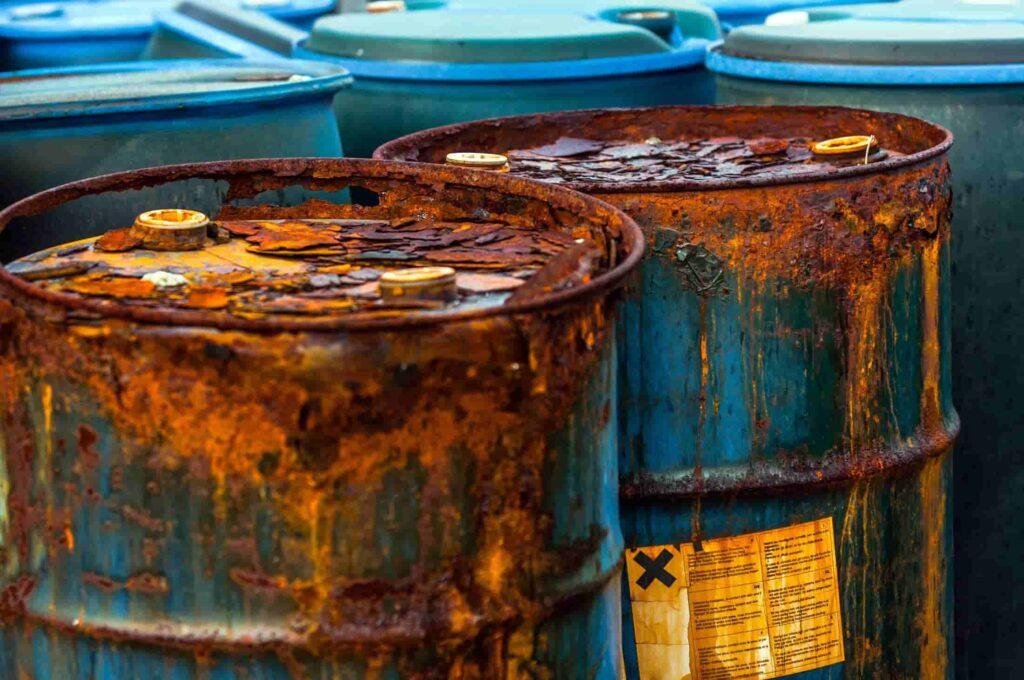
Improper handling of hazardous substances often begins with small, careless actions that homeowners do without realizing the long-term impact. Materials like fuel, paint, and cleaning chemicals can quickly become dangerous when they are not treated as regulated waste. Following safe disposal of gasoline practices is essential because even minor mistakes can lead to severe environmental contamination and safety risks.
- Pouring gasoline directly onto the ground allows toxic chemicals to seep into the soil and damage plant life
- Dumping chemicals into drains or toilets leads to groundwater pollution and water system contamination
- Mixing different hazardous liquids together, creating unpredictable chemical reactions and fumes
- Burning toxic materials in open areas, releasing harmful air pollutants, and increasing fire hazards
- Throwing containers into regular household trash bins instead of using proper hazardous waste systems
Each of these actions can contribute to soil pollution, groundwater contamination, air pollution, and serious fire risks. This is why learning how to dispose of old gasoline and other hazardous materials correctly is critical for protecting both the environment and community health.
Safe Ways to Dispose of Old Gasoline Without Harming the Environment
Handling fuel that is no longer usable requires careful planning because it cannot be thrown away like regular household waste. During large property cleanups, many homeowners first arrange a hoarder clean out service to remove accumulated junk and safely separate hazardous materials before fuel disposal begins. The safest approach to disposing of old gasoline is to use approved systems designed for hazardous materials. These options not only reduce environmental harm but also ensure compliance with proper gasoline disposal practices that protect soil, water, and air quality.
Local Hazardous Waste Facilities
These facilities are specifically designed to manage flammable and toxic materials safely. For example, a homeowner who discovered several cans of old fuel after cleaning a garage can take them to a nearby center where professionals handle gasoline recycling and safe treatment without environmental damage.
Community Disposal Programs
Many local authorities run scheduled programs where residents can drop off hazardous items. A typical case is seasonal cleanup drives where families bring leftover fuel, paint, and chemicals for safe processing instead of storing them indefinitely.
Hazardous Waste Collection Events
These events are organized to gather hazardous waste collection items in one controlled location. For instance, during a weekend collection drive, residents often bring containers of stale fuel that are safely transferred for treatment instead of being stored at home.
Approved Recycling Centers
Some centers specialize in recovering usable components from waste fuel. A mechanic shop, for example, may send contaminated fuel to an approved recycler where it is filtered and processed instead of being discarded improperly.
Fuel Recovery Services
Professional services handle larger or more complex disposal needs. A construction site using heavy equipment might rely on these services to safely remove and process leftover fuel in bulk quantities without risk.
Practical Safety Steps
Before transporting waste, always store gasoline in approved sealed containers, keep it in a cool, ventilated area, and follow local transport rules. Contacting a disposal facility in advance ensures smooth handling and reduces risks during transfer.
What Happens to Gasoline After It Is Collected
Once collected through proper waste management systems, old fuel is taken to specialized facilities where it is inspected, filtered, and separated from contaminants. In many cases, gasoline recycling processes allow usable hydrocarbons to be recovered and refined for industrial energy use. A common scenario is fuel collected from households being processed in controlled tanks instead of entering landfills or water systems.
In some facilities, energy recovery systems safely convert unusable fuel into industrial heat or controlled energy sources. For example, contaminated fuel from service stations may be treated and reused in regulated burners rather than being discarded. This approach ensures that when you dispose of old gasoline, it contributes to safer environmental outcomes instead of creating long-term pollution risks.
Understanding Household Hazardous Waste Collection Programs
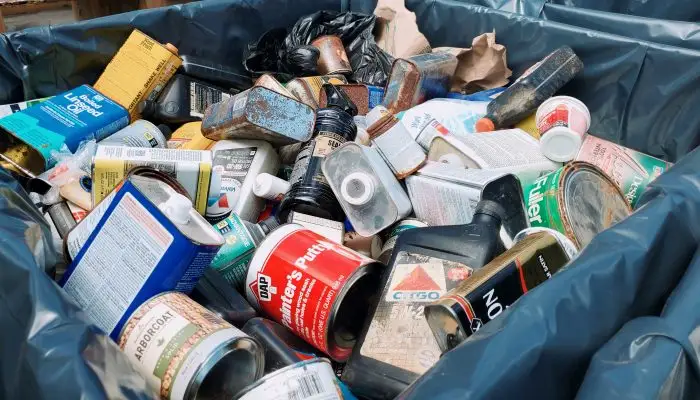
Household hazardous waste programs are designed to give residents a safe and structured way to handle materials that cannot go into regular trash systems. Through organized hazardous waste collection, communities reduce risks linked to chemical exposure, fire hazards, and environmental damage.
These systems often operate as scheduled hazardous waste collection events or permanent drop-off centers, accepting items like fuel, pesticides, batteries, and cleaning chemicals. Homeowners are usually asked to keep materials in original containers and avoid mixing substances before drop-off.
A Room-by-Room Guide to Finding Hidden Toxic Waste
Many homeowners are surprised to learn how much toxic household waste is stored quietly across different areas of a home. During outdoor inspections, old fencing, scrap metal, and damaged gates are often discovered alongside chemical containers. Following a rusted gate removal guide can help homeowners safely remove deteriorated metal structures before organizing hazardous waste for proper disposal.
Garage
Garages usually contain the highest concentration of hazardous items such as gasoline, motor oil, and antifreeze. For example, an old fuel can left behind after seasonal equipment use may require careful steps to dispose of old gasoline safely instead of keeping it stored for years.
Basement
Basements often store leftover paint, varnish, and solvents from home improvement projects. These materials can release strong fumes in enclosed spaces and should be checked regularly to avoid long-term exposure risks.
Kitchen
Cleaning products like bleach, degreasers, and disinfectants are commonly found here. If stored improperly or mixed accidentally, they can create harmful chemical reactions and indoor air hazards.
Backyard Shed
Sheds frequently hold fertilizers, pesticides, and gardening chemicals. These items can become unstable over time and may leak into soil if containers are damaged or left unchecked.
Pool Area
Pool chemicals such as chlorine and balancing agents require careful handling. Improper storage or mixing can create dangerous reactions and should always be kept in sealed, labeled containers.
How to Store Hazardous Materials Before Disposal Day
Before taking items to a collection center or arranging proper hazardous materials disposal, safe temporary storage is essential. Many risks occur not during disposal itself, but while materials are waiting at home. Proper handling reduces leaks, fumes, and accidental exposure while ensuring you can safely dispose of old gasoline and other chemicals without creating hazards inside your living space.
Original Containers
Always keep chemicals in their original containers whenever possible. These containers are designed for chemical stability and safe labeling, which helps avoid confusion and accidental misuse during storage.
Label Preservation
Labels should remain intact so you can clearly identify contents and hazards. If a label is damaged, rewrite key information clearly to prevent mistakes, especially when handling multiple substances.
Leak Prevention
Ensure lids are tightly sealed and containers are placed upright in secondary trays or bins. For example, a small fuel can stored improperly in a garage can slowly leak and create fire risks, highlighting the importance of gasoline storage safety.
Temperature Considerations
Store hazardous materials in cool, dry areas away from direct sunlight or heat sources. High temperatures can increase vapor release and make chemicals more unstable over time.
Child Safety Measures
Keep all hazardous items out of reach of children and pets, ideally in locked cabinets or elevated shelves. Even small exposure to chemicals can cause serious health risks.
Ventilation Requirements
Store chemicals in well-ventilated areas like open garages or sheds. Proper airflow reduces vapor buildup and helps maintain safer conditions until disposal day.
When You Should Call a Professional Hazardous Service
Some situations go beyond basic home handling and require trained experts to manage hazardous waste disposal safely. Large-scale property cleanups often involve broken furniture, renovation waste, and heavy outdoor materials alongside hazardous chemicals. In these cases, services such as construction debris removal service help clear bulky waste before hazardous materials are separated and disposed of safely. This becomes especially important when you need to dispose of old gasoline without risking fire, contamination, or legal issues.
Large Quantities of Gasoline
If you are storing multiple containers of old fuel, such as after years of equipment use or a property cleanup, professional services are necessary. For example, a homeowner clearing a long-unused garage may find several gallons of degraded gasoline that cannot be safely transported in regular vehicles.
Commercial Properties
Businesses like workshops, farms, and construction sites often generate ongoing fuel waste. These locations require scheduled pickups to handle consistent volumes safely and prevent storage risks.

Unknown Chemicals
Unlabeled or partially damaged containers should never be handled casually. Professionals can identify and classify these substances to prevent dangerous reactions during disposal.
Contaminated Fuel
Fuel mixed with water, rust, or debris becomes unstable and unusable. A common case is generator fuel contaminated during storage, which must be treated through controlled processes.
Emergency Spill Situations
Spills on floors, soil, or driveways require immediate response. Specialized teams contain and clean the area to prevent spreading vapors or environmental damage.
Regulatory Concerns
Certain regions have strict laws on chemical handling. Professionals ensure compliance with legal requirements and proper documentation during removal and treatment.
Toxic Waste Disposal Laws Homeowners Should Know
Understanding the legal side of hazardous waste disposal is just as important as knowing how to handle the materials themselves. Many regions have strict rules designed to protect public health, water sources, and soil quality. Ignoring these regulations when you need to dispose of old gasoline or other chemicals can lead to serious penalties and long-term environmental harm.
- Local Disposal Regulations: Many areas require residents to use approved systems, such as a local hazardous waste facility, instead of throwing chemicals into regular trash or drains.
- Environmental Protection Rules: Laws are in place to prevent contamination of soil, groundwater, and air caused by improper handling of fuels and chemicals.
- Transportation Requirements: Hazardous materials must often be carried in sealed, approved containers and may have limits on quantity during transport.
- Disposal Restrictions: Certain substances, like gasoline, solvents, and pesticides, cannot be disposed of through standard household waste services.
- Potential Fines for Improper Disposal: Violating disposal laws can result in fines or legal action, especially if spills or contamination occur due to negligence.
Simple Habits That Reduce Future Hazardous Waste Buildup
Reducing household hazardous waste starts with small, consistent habits that prevent chemicals and fuel from piling up over time. Homeowners should also remove piles of branches, leaves, and other yard debris removal materials regularly because cluttered outdoor spaces can hide leaking fuel containers or hazardous products, making inspections more difficult. Practicing better planning and gasoline storage safety not only reduces risk but also minimizes the need for frequent old fuel disposal in the future.
- Buy Only What You Need: Avoid purchasing large quantities of fuel, paint, or chemicals that may sit unused for years. A common example is buying extra gasoline for seasonal tools that never get fully used.
- Proper Fuel Storage: Always store fuel in approved, sealed containers kept in cool, ventilated spaces to reduce vapor buildup and safety risks.
- Rotate Chemicals Regularly: Use older products first before opening new ones to prevent expiration and buildup of hazardous household materials.
- Use Fuel Stabilizers: Adding stabilizers can extend fuel life, especially for equipment that is used seasonally, helping reduce the need to dispose of old gasoline frequently.
- Dispose of Waste Promptly: Do not let unused chemicals accumulate in garages or sheds; take them to approved collection centers as soon as they are no longer needed. If you are clearing out large household items at the same time, searching for furniture removal nearby can make it easier to remove unwanted furniture before organizing hazardous materials for safe disposal.
Final Thoughts
Proper hazardous waste disposal is more than a cleanup task; it is a responsibility that directly impacts health, safety, and the environment. Materials like fuel, chemicals, and solvents can seem harmless when stored, but over time, they become serious risks if ignored or handled incorrectly. Taking safe steps to dispose of old gasoline and other toxic products prevents fire hazards, air pollution, and long-term soil or water contamination that can affect entire communities. Junk People LLC helps homeowners and property managers handle hazardous waste responsibly, ensuring safe removal and proper disposal practices that protect both people and the environment.
Using approved disposal programs ensures these materials are treated correctly instead of entering landfills or drains. When homeowners choose safe practices, they protect their families, neighbors, and local ecosystems. Small responsible actions today lead to healthier living conditions, cleaner surroundings, and long-term environmental stability for future generations.
Frequently Asked Questions
No, it is unsafe and illegal in many areas; it can cause fire hazards and environmental contamination. Always use approved disposal methods.
Bad gasoline smells sour, looks darker, or has sediment; it may also cause engine trouble or poor performance when used.
Check your local municipality website or waste management authority for approved drop-off centers and scheduled collection programs.
Yes, in some facilities, it can be filtered and reused for energy recovery or industrial fuel through controlled recycling processes.
Paints, solvents, pesticides, batteries, cleaners, and fuels are common hazardous materials that require special handling and disposal methods.