
Choosing a dumpster that is too small can lead to overflow, project delays, or a second rental, while one that is unnecessarily large can take up space you do not have and may raise the rental expense. If you are asking yourself what size dumpster you need, the answer starts with understanding how much debris your project will actually produce and what kind of material it involves.
The correct choice depends on debris type, volume, container dimensions, weight, project scope, and any local rental restrictions. A garage cleanout, a kitchen remodel, and a roofing job can all call for different containers. This guide walks through a practical selection process so you can match your project to the right container before you book.
How to Estimate the Dumpster Size Your Project Needs
A good dumpster size guide begins with volume. Dumpsters are measured in cubic yards, which describe how much space the container holds. One cubic yard is a cube that measures three feet on each side, so thinking about your project as piles of material, rather than a list of items, gives you a more realistic starting point.
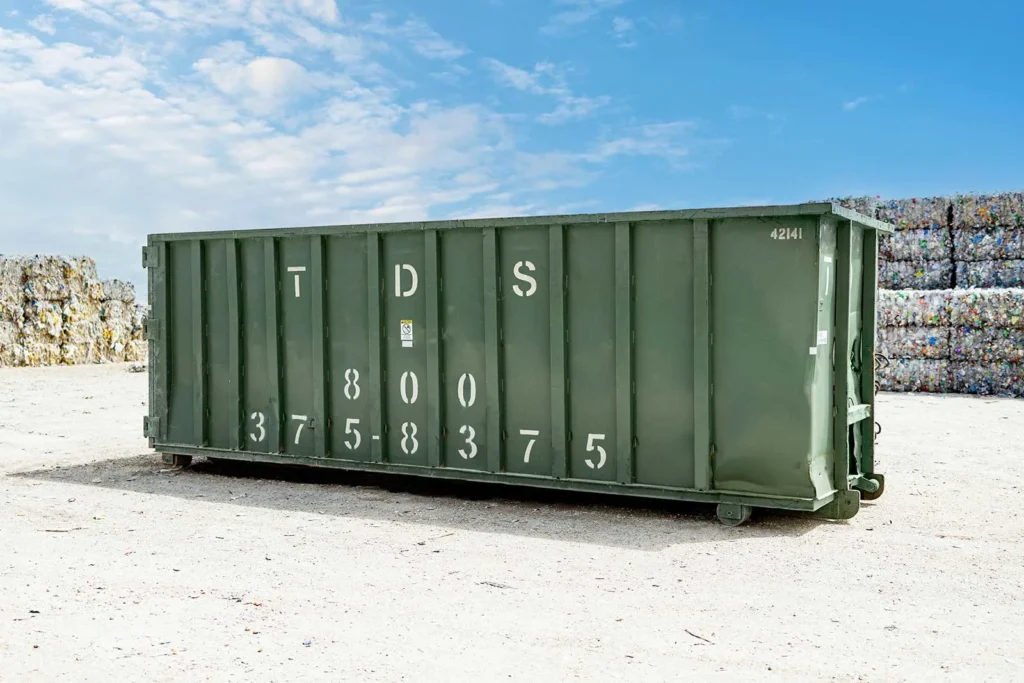
The amount of debris matters more than the number of individual items. Ten small boxes and one sofa may seem like very different counts, but what matters is how much total space they fill once they are loaded. A single bulky sectional can take up more room than a dozen flattened boxes, and a few bags of shingles can weigh more than a full load of old clothes.
Any dumpster capacity guide should also remind you that volume is only part of the picture. Weight and available space matter just as much when choosing a dumpster, because a container that fits the debris but not your driveway, or one that fits both but exceeds its weight allowance, will still cause problems.
The main factors to consider are:
- Total volume of debris, measured in cubic yards
- Type of material, such as household junk, yard waste, or construction debris
- Weight of the heaviest materials, especially concrete, soil, and roofing
- Available space for delivery and placement
- Whether the project will happen in one stage or over several weeks
How Dumpster Sizes Match Different Project Types
No single container works for every job. Residential dumpster sizes tend to cover cleanouts and light renovations, while construction dumpster sizes are built for higher volumes and heavier loads. Matching your project category to a size range narrows the list quickly.
Small Cleanup Jobs and Limited Household Debris
A single-room cleanout, a few pieces of old furniture, or a weekend of decluttering rarely needs a large container. A small dumpster rental is usually enough for these jobs, and it is easier to place in a tight driveway.
Garage and Basement Cleanout Projects
Garages and basements collect boxes, broken shelving, old tools, and furniture over many years. Because these items are bulky and loosely packed, they fill a container faster than most people expect, so it helps to size up slightly when the space has been untouched for a long time.
Whole-Home Cleanouts and Moving Projects
Clearing several rooms or preparing a full property for sale calls for a larger capacity. Furniture, mattresses, appliances, and decades of belongings add up quickly, and a container that is too small may force you to pause the project and wait for a swap.
Kitchen and Bathroom Renovation Debris
Cabinets, countertops, flooring, drywall, and fixtures all contribute to remodeling debris. Some of these materials are light but awkward, while others, like tile and countertops, add real weight, so the right size depends on how much demolition is involved.
Yard Cleanup and Landscaping Waste
Branches, leaves, brush, and soil behave very differently. Brush and leaves take up a lot of space but weigh little, while soil and sod are compact and heavy, so two yard projects of the same visual size can need different containers.
Roofing and Construction Material Removal
Roofing and construction debris requires attention to both volume and weight. Shingles, lumber, and masonry can reach a container’s weight limit well before it looks full, so these jobs should be planned around the allowed tonnage as much as the cubic yards.
Large Renovation and Major Construction Jobs
Substantial remodeling, additions, and demolition can generate more debris than a single container can hold. In those cases, a larger dumpster or several scheduled loads may be the better plan, especially when the work happens in stages.
What Common Dumpster Capacities Can Actually Hold
Size labels like 10-yard or 30-yard are easier to understand when you connect them to real materials. The figures below are general estimates, and exact dumpster sizes and dumpster rental capacity can vary by provider, so use them as a starting point in your own dumpster capacity guide.
What a 10-Yard Dumpster Can Typically Handle?
A 10-yard container is often described as roughly equal to three to four pickup truck loads. It suits smaller cleanouts, a single-room renovation, or limited debris from a minor project, and it is a common pick when driveway space is limited.
What a 15-Yard Dumpster Can Typically Handle
A 15-yard container sits between small cleanouts and larger residential projects. It can work well for a bigger garage cleanout, a small deck tear-out, or a modest remodel where a 10-yard might feel tight but a 20-yard would be more than needed.
What a 20-Yard Dumpster Can Typically Handle?
The 20-yard size is commonly considered for larger home cleanouts and renovation projects. It often holds the contents of several rooms, a full kitchen remodel, or a moderate amount of roofing debris, which is why it is one of the most frequently rented options.
What a 30-Yard Dumpster Can Typically Handle
A 30-yard container has the capacity for substantial remodeling and construction debris. It is often chosen for whole-house renovations, larger demolition work, or new construction cleanup where a lot of lightweight, bulky material needs to be removed.
What a 40-Yard Dumpster Can Typically Handle
The 40-yard dumpster is the largest common roll-off option. High-volume construction, commercial cleanouts, and large-scale demolition may justify it, but it requires considerably more space for delivery and pickup, so confirm access first.
Why Capacity Does Not Equal Unlimited Loading
A container being physically full does not mean the load is acceptable. Providers set fill lines and weight allowances for safe transport, and a dumpster loaded above the rim or over its weight limit may not be hauled until the extra material is removed.
How Material Type Changes the Best Dumpster Choice
The same amount of material can create very different requirements depending on what it is. A few cubic yards of furniture and a few cubic yards of concrete or soil occupy similar space, yet the heavier materials may need a smaller container or a separate arrangement to stay within weight rules.
How Dumpster Dimensions Affect Where It Can Go
Cubic yards describe capacity, but dumpster dimensions decide whether the container can actually sit on your property. Good dumpster rental planning includes checking space before delivery, since a dumpster that does not fit cannot be used. As a rough guide, larger containers are longer and taller, so a 10-yard unit is much easier to place than a 30-yard unit.
Checking Available Driveway or Placement Space
Measure the length and width of the spot where you want the dumpster to sit, then compare it with the container’s dimensions provided by the rental company. Leave a little extra room on all sides so the driver can set the container down safely.
Measuring Width for Delivery Access
A driveway might be long enough but too narrow at the entrance, and gates, alleys, and tight turns can all limit delivery. Measure the narrowest point between the street and the placement area to make sure the truck and container can pass.
Allowing Enough Clearance Around the Container
Leave space for delivery, loading, car doors, and any nearby structures. If the dumpster blocks a garage door or a walkway, the project will become harder to manage, and the container may need to be moved.
Considering Overhead Wires and Low Obstacles
Roll-off trucks tilt and lift the container during delivery and pickup, so they need vertical clearance. Check for trees, utility lines, building overhangs, and carports before ordering, since low obstacles can prevent safe placement.
Planning Placement for Easy Debris Loading
A container placed close to the work area saves time and effort. If you are carrying furniture out of a house, a dumpster near the main door reduces the distance and lowers the chance of injury or damage.
Protecting Driveways and Other Surfaces
A loaded dumpster is heavy, and it can scratch or crack concrete, asphalt, and pavers. Placing wooden boards under the container can help spread the weight, and it is worth asking the provider what protection they recommend for your surface type.
Confirming Local Placement Requirements
Some areas have rules about where a dumpster can be placed, and HOAs may have their own restrictions. If the container must sit on a public street, a permit may be required, so check with your city or association before scheduling delivery.
How Weight Limits Can Change Your Dumpster Choice
Having enough space for debris does not guarantee that the load will stay within limits. Dumpster weight limits vary by provider and container size, and dense materials can reach those limits before the dumpster is full. Understanding how capacity and weight interact is a key part of project planning.
Why Heavy Materials Need Special Attention
Concrete, brick, dirt, and tile become heavy quickly. A relatively small pile of these materials can weigh several tons, which is why they are often handled with smaller containers or specific rental arrangements.
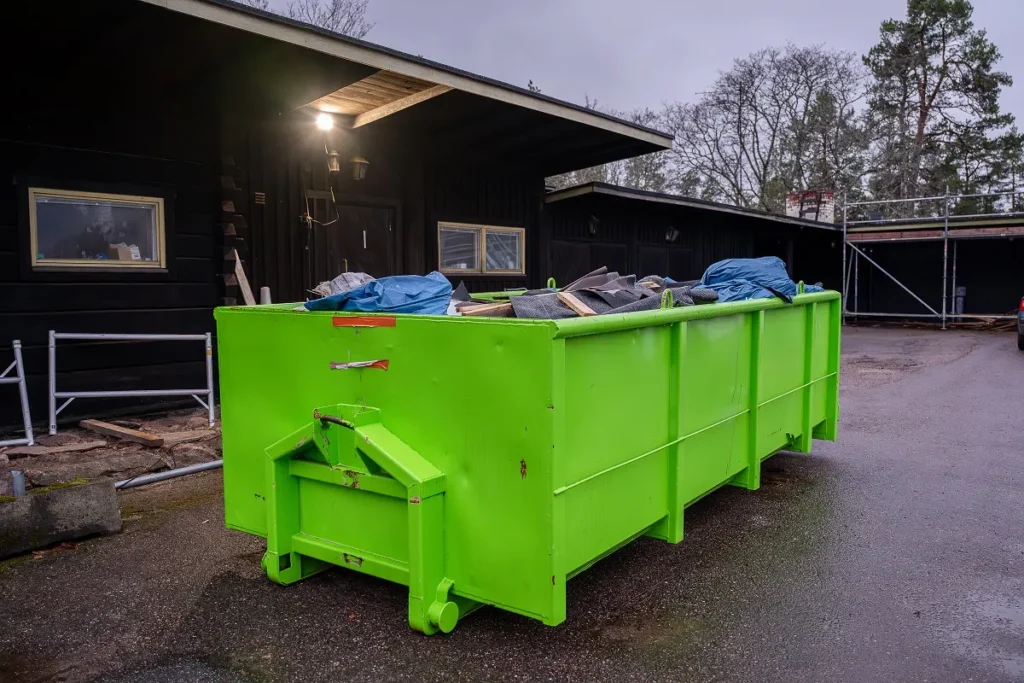
How Household Items Differ From Dense Debris
Furniture, boxes, clothing, and general household junk usually fill a container by volume long before they reach the weight limit. That makes cubic-yard capacity the main concern for most home cleanouts, unless appliances or heavy items are mixed in.
Why Soil and Yard Waste Need Careful Planning
Wet soil, sod, and thick branches can add more weight than they appear to. Rain can also increase the weight of yard debris, so a load that looks manageable on a dry day may weigh more after a storm.
How Construction Debris Can Reach Weight Limits
Roofing, masonry, drywall, flooring, and demolition debris should be judged on both volume and weight. Shingles and tile are especially dense, and a container that looks half full can still be close to its allowance.
Why Overloading Creates Problems
Debris should stay within the container’s permitted fill line and weight requirements. Overloaded dumpsters may not be safe to transport, can lead to extra fees, and may require you to remove material before pickup.
How to Ask About Weight Restrictions Before Renting
Many dumpster weight issues come from skipping a few simple questions. Before choosing a size, confirm the included weight allowance, how overage is handled, and whether certain materials, such as concrete or soil, require a different container. Knowing these details in advance makes it much easier to plan your load.
When a Different Dumpster Is the Safer Choice
For unusually heavy materials, a smaller container or a dedicated disposal arrangement may be safer. Splitting heavy and light debris into separate loads can also keep the project within limits and reduce the risk of overloading.
How to Choose Between Small and Large Dumpsters
When two sizes seem close, the decision usually comes down to weighing capacity against space, material type, and how certain you are about your estimate. A larger container is not always the better pick, and a smaller one is not always cheaper in the long run if it forces a second rental.
The right dumpster size is the one that holds your debris comfortably, fits your property, and stays within weight rules. A small dumpster rental works well when the project is clearly defined, the debris is limited, and space is tight. A large dumpster rental can make sense when the scope is uncertain, the project will run in stages, or the debris is bulky and difficult to measure.
If you are caught between two sizes, consider how confident you are in your estimate. When the amount of debris is unclear, and the work is likely to expand, moving up one size often prevents the cost and delay of a swap. When the debris is mostly heavy material, staying with a smaller container may be the safer route even if the project feels big.
It also helps to think about what each mistake costs. Choosing too small can interrupt the work and add a second delivery, while choosing too large usually means paying for space you do not use. If you cannot decide, describing your project to the provider and asking for a recommendation is a reasonable way to settle it.
How to Estimate Debris Before You Rent a Dumpster
A repeatable method turns a messy project into a useful size estimate. The steps below show how to build a debris volume estimate in a way that is easy to check and adjust.
Start by Listing Every Debris Category
Separate furniture, boxes, renovation materials, yard waste, and construction debris into groups. Estimating each category on its own is far more accurate than trying to guess the total all at once.
Estimate the Volume of Each Debris Group
For each group, picture the space it would occupy if stacked in a pile, then measure or approximate its length, width, and height. This gives you a rough volume for each category that you can add together later.
Convert the Estimate Into Cubic-Yard Terms
Multiply length, width, and height in feet to get cubic feet, then divide by 27 to get cubic yards. For example, a pile that measures 9 feet long, 6 feet wide, and 3 feet high comes to 162 cubic feet, or about 6 cubic yards.
Account for Loose and Bulky Materials
Furniture, branches, and irregular objects leave empty gaps when loaded, so their measured volume can be misleading. Expect that bulky materials will not pack as tightly as a neat pile and allow extra room for that.
Consider How Debris Changes During Loading
Broken-down furniture, flattened boxes, and compacted materials take up less space than they did in the room. Disassembling large items before loading can free up capacity, while tossing items in whole can use up space quickly.
Leave Room for Estimation Uncertainty
Almost every project turns up something unexpected, such as extra items in a closet or more demolition than planned. Build in a margin so that your estimate does not rely on every measurement being exact.
Use a Dumpster Size Calculator as a Cross-Check
An online dumpster size calculator can support your estimate and help you spot gaps. It works best as a second opinion, and provider guidance remains useful for unusual materials or when the quantities are hard to judge.
How Home Cleanouts Affect Dumpster Size Selection
Household cleanouts are one of the most common reasons people look into residential dumpster sizes, and the scope can vary widely. A one-room cleanout and a whole-house cleanout should not be treated the same, because the amount of furniture, boxes, and appliances changes dramatically between them. A home cleanout dumpster should be chosen based on the number of rooms, the amount of large furniture, and whether items like mattresses or appliances are included.
For a full house cleanout, the debris often builds up over many years, and the volume is easy to underestimate. Closets, attics, garages, and storage areas tend to hold more than expected, and mattresses, sofas, and appliances take up significant space. Many people find that a mid-size or larger container works better than a small one, since stopping to wait for a second dumpster slows the work.
Room count is a useful starting point, but it is not the only factor. A sparsely furnished three-bedroom home may produce less debris than a smaller home packed with belongings, so the amount of stuff matters more than the size of the space. Walk through each room and note the largest items first, because they take up the most space and are the easiest to overlook.
Also consider whether any items might not be accepted in a dumpster, such as certain appliances, electronics, or hazardous materials. Confirming these details early prevents surprises on pickup day and helps you plan any separate disposal.
How Renovation Debris Changes Dumpster Size Needs
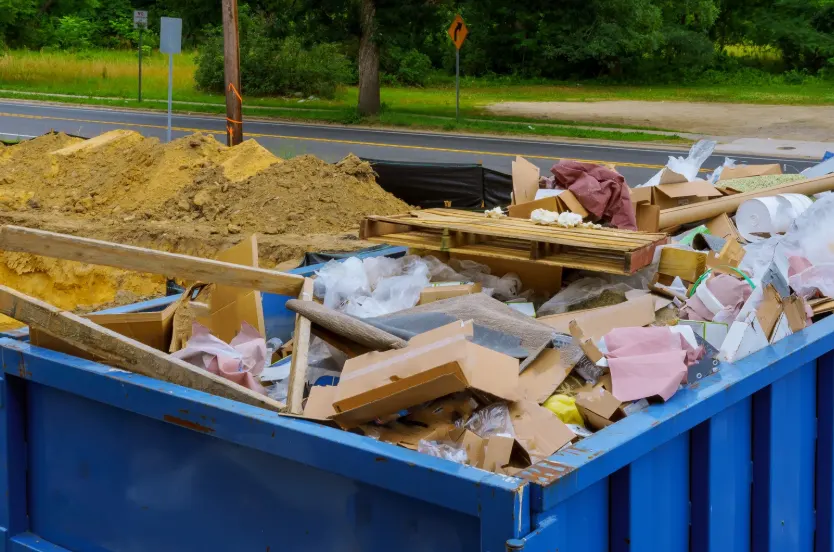
A renovation dumpster size depends on what is being torn out and how dense the materials are. Light debris, such as packaging and trim, fills space without adding much weight, while tile, plaster, and roofing can be dense enough to limit your options. A construction debris dumpster should be chosen with both of these factors in mind.
Kitchen Remodeling and Cabinet Removal
Cabinets, countertops, flooring, fixtures, and packaging all add to kitchen remodeling debris. Cabinets are bulky but light, while stone countertops are heavy, so the mix of materials affects the size you need.
Bathroom Remodeling and Demolition
Tile, tubs, fixtures, and drywall are common bathroom materials, and many of them are dense. Even a small bathroom can generate heavy debris, so weight often matters more than volume for this type of project.
Flooring Replacement and Tear-Out Work
Carpet and underlayment are light but bulky, while wood and tile vary in weight. Large rooms can produce a surprising amount of tear-out, so the type of flooring matters as much as the square footage.
Roofing Projects and Shingle Debris
Shingles are heavy, and roofing projects need careful attention to both container capacity and weight. A roof can generate several tons of debris, so confirm weight limits before choosing a size.
Wall and Drywall Demolition
Demolition volume can increase quickly, especially when walls are removed or multiple rooms are opened up. Estimating debris before ordering prevents running out of space halfway through the job.
Mixed Renovation Debris From Multiple Rooms
When several remodeling tasks overlap, the debris adds up and the mix of materials changes. As a project grows into broader construction debris removal, it helps to estimate each room separately and then combine the totals, since heavier materials may affect the best container.
Matching Renovation Scope With Container Capacity
Compare your expected debris with available capacities before booking. If your estimate falls between two sizes, consider the material type and any uncertainty in the scope before deciding.
How Yard Waste and Construction Debris Differ
Yard waste and construction debris behave differently, so the material itself should influence your choice. A yard waste dumpster might be filled with light but bulky material, while a construction debris dumpster might hold dense, heavy items. Understanding the difference helps you plan both volume and weight.
Planning a Dumpster for Branches and Brush
Branches and brush are light but take up a lot of space. A container can fill up quickly with yard debris even when the total weight is low, so volume is usually the main concern.
Handling Leaves and Seasonal Yard Cleanup
Loose leaves occupy significant volume, and bagging them can change how they pack. Local rules for yard waste disposal may also apply, so check what is allowed before filling a container with organic material.
Understanding Soil, Sod, and Dirt Loads
Soil, sod, and dirt are dense, and a small amount can weigh a lot. These loads need careful weight planning, and they may require a specific container or fill limit.
Managing Concrete, Brick, and Masonry Debris
Concrete, brick, and masonry are among the heaviest debris types. Because of that, these materials often have strict weight considerations, and a dumpster that looks nearly empty may already be close to its limit.
Estimating Wood and Lumber From Projects
Construction lumber and demolition wood add both volume and loading considerations. Long boards can be awkward to place, so cutting them down may help you use the container’s space more efficiently.
Planning for Mixed Construction Debris
Combining wood, drywall, metal, and masonry makes estimating more difficult. When several materials share one container, accurate capacity and weight planning becomes more important.
Confirming Accepted Materials Before Delivery
Not every provider accepts every material. Before delivery, confirm that your specific waste, including items like concrete, soil, or roofing, is accepted in the container you choose.
Common Dumpster Size Mistakes to Avoid
Most dumpster problems come from a handful of avoidable errors. Reviewing them before you book makes choosing a dumpster more reliable and improves your dumpster rental capacity planning. The most common mistakes include:
- Choosing only by dumpster dimensions
- Ignoring material weight
- Underestimating bulky furniture
- Forgetting demolition debris
- Failing to check accepted materials
- Not measuring placement space.
- Assuming a larger dumpster is automatically better
- Leaving no allowance for unexpected debris
Dimensions alone do not tell you what will fit or what is allowed. A container may look right on paper, but if the material is heavy or the debris is bulky, the right dumpster size may be different from what the dimensions suggest. Always consider weight and volume together.
Furniture and demolition debris are two areas where estimates often fall short. Sofas, mattresses, and dressers take up more space than most people expect, and demolition can produce far more material than the original plan. Adding a margin to your estimate helps cover both.
Finally, check practical details before delivery. Confirm accepted materials, measure the placement area, and avoid assuming that bigger is always better, since an oversized container can be harder to place and may cost more than you need. Leaving a small buffer for unexpected debris is usually wiser than aiming for an exact fit.
Final Thoughts on Choosing Your Dumpster Size
Answering the question of what size dumpster I need comes down to a few connected decisions. Start with a realistic debris estimate, consider the type of material, check the dimensions against your available space, and keep weight limits in mind. When these factors are considered together, the choice becomes much clearer than relying on a single size chart.
dumpster size guide is one you adjust to your own project. A garage cleanout, a kitchen remodel, and a yard project each call for different thinking. JUNK PEOPLE LLC can help you consider the right container based on volume, density, access, and how much uncertainty remains in your estimate. Choosing a dumpster with these details in mind can help you avoid overflow, extra rentals, and unnecessary expenses.
Before you book, compare the available dumpster rental sizes and confirm the capacity, dimensions, weight limits, and accepted materials with the rental provider. A short conversation with Junk People LLC or your chosen provider can help you match your project to the right container and keep the work on schedule.
Frequently Asked Questions About Dumpster Sizes
Choosing the right dumpster becomes easier when you understand how capacity, debris type, weight, and project scope work together.
These common questions address practical situations homeowners and contractors face when planning a dumpster rental.
Use them to clarify size selection before scheduling delivery.
Many garage cleanouts fit in a 10-yard or 15-yard container, depending on how much has accumulated. If the garage holds large furniture, shelving, or years of stored items, a 20-yard may be a safer choice.
Break the project into categories, estimate the volume of each, and convert the total to cubic yards. Then compare your result with a dumpster size calculator or ask the provider to review it, and add a margin for unexpected items.
Yes. Concrete, brick, soil, and tile can reach the weight limit before a container is full, so a smaller dumpster or a separate arrangement may be safer for these materials.
Not always. A 30-yard container can suit a whole-house renovation or major cleanout, but it may be more than needed for a small project and requires more space for delivery.
Furniture is bulky and leaves gaps when loaded, so allow extra capacity. Disassembling items where possible can save space, and you should confirm whether mattresses or large appliances are accepted.