

A hot tub can be the centerpiece of a backyard for years, but there often comes a time when repairs become frequent, energy bills increase, or the unit simply reaches the end of its lifespan. At that point, many homeowners discover that removal is far more complicated than expected. The hot tub disposal cost can vary significantly depending on the spa’s size, weight, location, and how difficult it is to access. What seems like a straightforward project can quickly require specialized equipment, labor, and transportation.
Consider a homeowner with an aging spa tucked behind a fenced patio. What looked like a simple pickup turned into a larger project because sections had to be dismantled before removal. Situations like this can affect the overall hot tub removal cost and influence the most practical approach. This guide explains the factors that impact pricing, outlines common service options, and helps homeowners make informed decisions about hot tub disposal while avoiding unnecessary expenses.
Getting Rid of a Hot Tub Is More Complicated
Before looking at prices, it is important to understand why removal services can be costly. Many homeowners assume a spa can be hauled away like ordinary yard equipment, only to discover that the process involves safety precautions, heavy lifting, dismantling, and disposal requirements. Understanding these challenges helps explain the true effort required to remove a hot tub properly.
Weight of a Typical Hot Tub
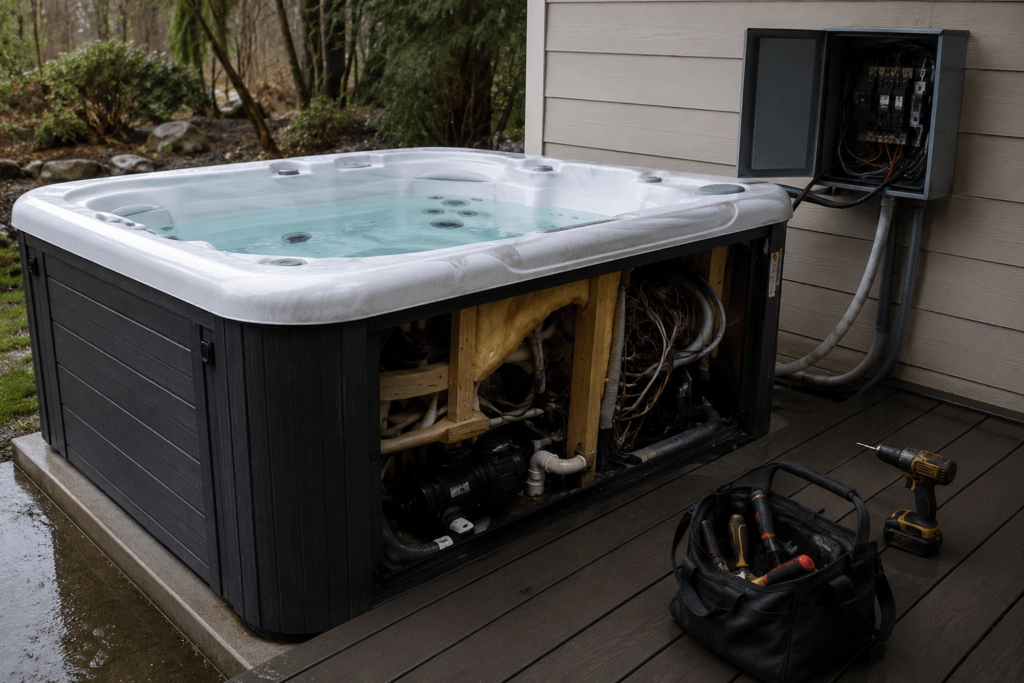
Even smaller units can weigh several hundred pounds, while larger models often exceed a thousand pounds before water is added. A homeowner attempting a DIY removal may quickly realize that standard moving equipment is not enough to safely handle such a heavy structure.
Electrical Disconnection Requirements
Most spas are connected to dedicated electrical systems that must be disconnected safely before removal begins. Improper handling can create shock hazards or damage nearby wiring, making professional assistance a common requirement.
Large Size and Transportation Challenges
Many units are installed in tight backyard spaces, surrounded by decks, fences, landscaping, or narrow access paths. In one situation, a homeowner discovered that the spa could not fit through the gate and required partial hot tub demolition before it could be removed.
Disposal Regulations
Not every landfill or waste facility accepts spa components. Certain materials may require special handling, recycling, or approved disposal methods, which can add time and cost to the project.
Labor-Intensive Removal Process
The actual work often involves draining, disconnecting, cutting, lifting, loading, and transporting the unit. For many properties, old hot tub disposal requires multiple workers and specialized tools to complete the job safely and efficiently.
The Four Biggest Factors That Shape Your Final Disposal Bill
The cost of removing a spa is rarely based on a single factor. Every property presents different challenges, and those details can significantly affect the final hot tub disposal cost. In cases where the property contains years of accumulated clutter, many homeowners first arrange a hoarder clean out service before the spa can be accessed safely. Understanding what drives pricing helps homeowners set realistic expectations and avoid surprises when requesting a hot tub removal estimate.
Size Matters More Than You Think
The size and weight of the spa play a major role in determining removal expenses. A compact two-person unit is generally easier to dismantle and transport than a large luxury model with multiple seating areas and additional features. Larger units often require more labor, heavier equipment, and additional hauling capacity, all of which influence overall costs.
Location Changes Everything
Where the spa is located can have a major impact on removal difficulty. A unit positioned near a driveway is usually simpler to access than one hidden deep in a backyard.
Backyard Access
Long carrying distances, gates, landscaping features, and uneven ground can increase labor requirements. A crew may need extra time and equipment to safely move the unit from the property.
Deck Installations
Spas built into decks often require partial disassembly of surrounding structures before removal can begin. This added work naturally increases the scope of the project.
Enclosed Spaces
Units located inside screened enclosures, fenced areas, or covered structures may require cutting the spa into sections before transport, creating additional labor and disposal costs.
Condition of the Unit
The condition of the spa affects how easily it can be removed and transported.
Intact Removal
A structurally sound unit can often be moved as one piece if access allows, making the process more straightforward.
Broken Units
Cracked shells, damaged frames, or partially collapsed structures may require additional dismantling before removal.
Water Damage
Long-term exposure to moisture can weaken components and increase weight, making handling more complicated and time-consuming.
Local Disposal Fees
Disposal costs vary between regions and waste facilities. Some locations charge by weight, while others apply specific fees for large recreational equipment. Recycling requirements, landfill restrictions, and transportation expenses can all influence final hot tub removal pricing, making local regulations an important part of the overall estimate.
Typical Hot Tub Disposal Cost Homeowners Pay
The total hot tub removal cost depends on how the unit is removed, how accessible it is, and whether dismantling is required. Some homeowners can reduce expenses with basic hauling options, while others need full-service solutions involving cutting, lifting, and disposal. Understanding what each service level typically includes can help you evaluate the overall spa removal cost more accurately.
Typical Cost Breakdown
| Removal Type | Typical Cost Range |
| DIY Disposal | Lowest Cost |
| Curbside Pickup | Low to Moderate |
| Partial Dismantling | Moderate |
| Full-Service Removal | Higher Range |
| Difficult Access Removal | Premium Cost |
DIY Disposal
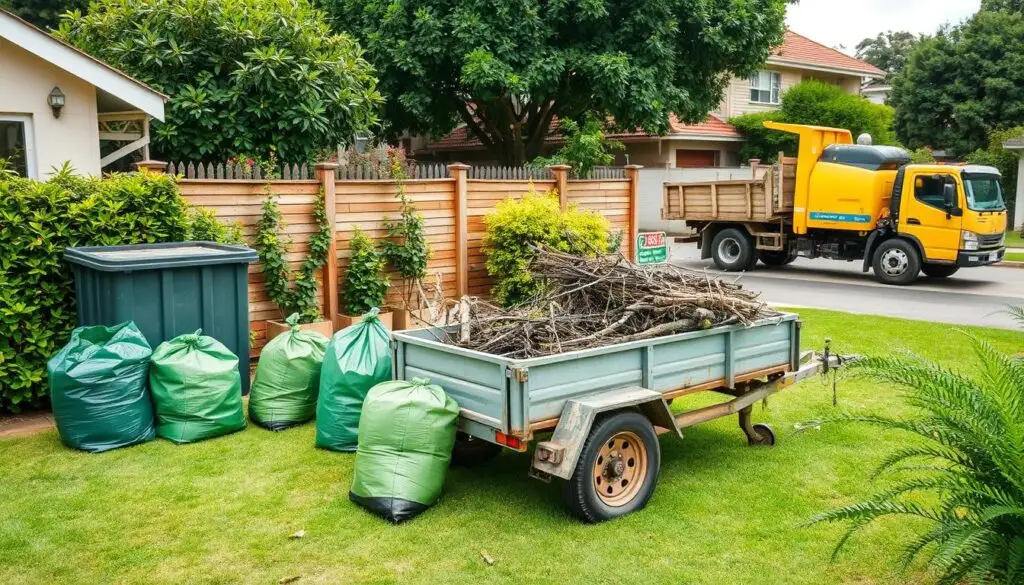
This option generally has the lowest expense because the homeowner handles most of the work. Costs may still include trailer rental, disposal fees, and transportation expenses.
Curbside Pickup
If the spa has already been moved to an accessible location, a hauling company may simply load and remove it. Labor requirements are lower, making this a more affordable option.
Partial Dismantling
Some units must be cut into smaller sections before removal. This service includes additional labor and specialized tools, which increases overall costs.
Full-Service Removal
A complete removal package typically includes draining, electrical disconnection coordination, dismantling if necessary, hauling, loading, transportation, and disposal. This is often the most convenient choice for homeowners.
Difficult Access Removal
Spas located behind fences, inside enclosures, on elevated decks, or in tight backyard spaces usually require additional workers and equipment. These access challenges often create the highest labor costs and can significantly affect the final removal bill.
Labor and Disposal Considerations
Most pricing is influenced by labor requirements rather than disposal alone. Heavy lifting, demolition work, transportation logistics, and local dumping fees all contribute to the final amount homeowners pay for professional removal services.
Hidden Fees That Can Increase Removal Costs Unexpectedly
Many homeowners focus on the base quote and are surprised when the final bill ends up higher than expected. While standard estimates cover basic labor and hauling, several property-specific challenges can increase overall hot tub removal pricing. Understanding these potential extras helps avoid surprises and provides a more accurate picture of the true junk removal hot tub cost.
- Permit Fees
Some neighborhoods, communities, or municipalities require permits for large-item removal or equipment access. These administrative costs may be added to the final invoice. - Long Carrying Distances
If crews must transport the spa a significant distance from the backyard to the truck, additional labor charges may apply. A unit located at the far end of a large property often requires extra time and manpower. - Stair Access
Hot tubs installed on elevated patios, terraces, or lower-level yards may require navigating multiple stairways. This increases both labor demands and safety considerations. - Fence Removal
In some situations, access points are too narrow for the spa to pass through. Temporary fence panel removal or gate modifications may be necessary before hauling can begin. Following a rusted gate removal guide can also help homeowners safely remove old or damaged gates that block access to the hot tub. - Crane Services
Units trapped behind structures or located in difficult-to-reach areas sometimes require crane lifting. This is one of the most expensive add-on services due to equipment and operator costs. - Heavy Equipment Charges
Specialized machinery such as skid steers, loaders, or lifting equipment may be required for oversized or exceptionally heavy spas. - Extra Landfill Fees
Disposal facilities may charge additional fees based on weight, material type, or local waste regulations. These charges vary by location and are not always included in initial estimates.
DIY Hot Tub Removal vs Professional Removal: Which Saves More Money?
Many homeowners initially assume that handling removal themselves will be the cheapest solution. While that can reduce direct expenses, the total cost often includes tool rentals, hauling fees, disposal charges, and significant time commitments. Comparing both options helps determine whether DIY removal or a professional hot tub hauling service offers better overall value.
Comparison Overview
| Factor | DIY | Professional |
| Cost | Lower | Higher |
| Time | Higher | Lower |
| Safety Risk | Higher | Lower |
| Equipment Needed | Yes | No |
| Physical Labor | High | Minimal |
DIY Removal
Pros:
- Lower upfront expenses
- Greater control over the project schedule
- Potential savings if the equipment is already available
Cons:
- Requires extensive hot tub dismantling
- Heavy lifting and transportation challenges
- Disposal logistics remain the homeowner’s responsibility
- Increased risk of property damage or personal injury
A common situation involves a homeowner renting cutting tools and a trailer, only to spend an entire weekend completing a project that professionals could finish in a few hours.
Professional Removal
Pros:
- Faster completion time
- Reduced physical effort
- Proper handling, hauling, and disposal
- Lower safety risks
Cons:
- Higher initial cost
- Pricing may increase for difficult-access locations
Professional crews bring the equipment, experience, and manpower needed to complete the job efficiently, making them a practical option for larger spas or challenging installations.
Safety and Cost Reality
While DIY removal often appears less expensive on paper, unexpected costs can quickly add up. Equipment rentals, disposal fees, transportation expenses, and potential repair costs from accidental property damage can narrow the savings gap. For homeowners with limited tools, time, or experience, hiring a professional service may ultimately provide better value despite the higher upfront investment.
What Happens During Professional Hot Tub Removal?
Many homeowners hire a service without knowing what actually happens once the crew arrives. Understanding the process helps explain the labor involved and why professional removal is often more efficient than a do-it-yourself approach. A reputable hot tub removal company follows a structured process designed to maximize safety, protect property, and ensure responsible disposal.
Step 1: Inspection
The crew begins by assessing the spa’s size, condition, and location. They evaluate access points, surrounding structures, and any obstacles that may affect removal. For instance, a unit installed between a fence and a deck may require a different approach than one located near a driveway.
Step 2: Disconnection
Before any physical work begins, electrical connections must be safely disconnected. The team confirms that power sources are isolated and that the spa is ready for removal without creating safety hazards.
Step 3: Dismantling
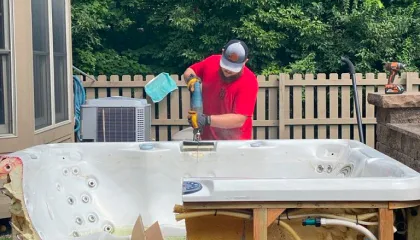
If the unit cannot be moved in one piece, technicians carefully cut it into manageable sections. This stage often involves specialized tools and is one of the most labor-intensive parts of hot tub junk removal.
Step 4: Loading
Once the spa is ready, the crew transports the pieces to a truck or trailer. Heavy lifting equipment may be used for larger units or properties with difficult access.
Step 5: Disposal or Recycling
The final step involves transporting the materials to approved disposal or recycling facilities. Whenever possible, recyclable components are separated to reduce landfill waste and support environmentally responsible handling practices.
Can You Recycle an Old Hot Tub Instead of Paying Full Disposal Costs?
Many homeowners assume that every spa must be sent directly to a landfill, but that is not always the case. Depending on its condition and construction, certain parts may qualify for hot tub recycling, which can help reduce waste and, in some situations, lower overall removal expenses. While complete recycling is uncommon, recovering reusable materials can make old hot tub disposal more environmentally responsible.
Recyclable Components
A typical spa contains several materials that may be separated and processed through recycling programs rather than discarded as general waste.
Metal Frames
Many units are built with steel or aluminum support structures. These metals often have recycling value and can be processed at approved scrap facilities after removal.
Pumps and Motors
Working pumps, motors, and mechanical components may be reused, refurbished, or recycled depending on their condition. Some specialized facilities recover valuable materials from these parts.
Electrical Parts
Wiring, control panels, circuit boards, and other electrical components may qualify for electronic recycling programs that prevent unnecessary landfill waste.
Plastic Shell Considerations
The shell is often the most difficult component to recycle. Many spas use composite materials or reinforced plastics that are not accepted by standard recycling facilities. However, some specialized processors can handle certain shell materials depending on local capabilities.
By separating reusable components whenever possible, homeowners may reduce environmental impact and support more sustainable disposal practices, even if the entire unit cannot be fully recycled.
Backyard Access Challenges That Often Raise Disposal Prices
One of the biggest factors affecting a hot tub removal estimate is not the spa itself—it is how difficult it is to reach. Even a standard-sized unit can become a complex project when access is limited. During backyard hot tub removal, crews often face obstacles that require additional labor, equipment, or dismantling, which can increase overall costs.
Tight Side Yards
Narrow pathways between homes can make moving a spa extremely difficult. In one case, a homeowner had only a three-foot-wide side yard, forcing the crew to cut the unit into multiple sections before it could be carried out safely.
Multi-Level Decks
Spas installed on elevated or tiered decks often require extra planning and manpower. For example, a hot tub located on a second-level deck may need to be dismantled on-site because moving it intact could damage the structure or create safety risks.
Hills and Slopes
Uneven terrain creates transportation challenges and increases the effort needed to move heavy components. A unit positioned on a sloped backyard may require specialized equipment to prevent shifting or accidental damage during removal.
Fenced Areas
Fences can restrict access and prevent large items from passing through. A common situation occurs when a spa fits perfectly into a backyard during installation but cannot fit through the existing gate years later, requiring temporary fence removal.
Limited Vehicle Access
Removal becomes more labor-intensive when trucks or trailers cannot get close to the work area. For instance, a property with a long backyard and no direct driveway access may require crews to manually transport dismantled sections over a considerable distance before loading them for disposal.
Smart Ways Homeowners Reduce Tub Disposal Costs
Reducing the overall hot tub disposal cost is possible with a few practical decisions before scheduling removal. Many homeowners end up paying more simply because they do not prepare the unit or compare service options. A bit of planning can significantly lower the final bill when hiring a hot tub pickup service, especially for standard residential removals.
Sell Working Components
If the spa is no longer functional, individual parts like pumps, heaters, or control panels may still have value. For example, a homeowner once recovered part of their cost by selling a working pump before disposal.
Remove Accessories First
Steps, covers, filters, and external fittings should be removed in advance. If the property also contains bulky household items, arranging a furniture removal service before the hot tub pickup creates more working space and may help speed up the removal process.
Compare Multiple Quotes
Prices vary widely between providers. Getting several estimates helps identify fair pricing and avoid overpaying for the same level of service. Homeowners can also search for furniture removal nearby when comparing local junk removal providers, as many companies offer discounted bundle pricing for removing furniture and hot tubs together.
Schedule Off-Peak Removal
Some companies offer better rates during slower seasons or weekdays. Choosing non-peak times can reduce labor demand and overall costs.
Donate Functional Units
If the spa still works, a donation to a local organization or buyer may eliminate removal fees entirely while giving the unit a second life.
Bundle Junk Removal Services
Combining spa removal with other cleanup projects can often reduce the overall cost. Many homeowners save money by scheduling a construction debris removal service at the same time, allowing contractors to remove renovation waste and the old hot tub in a single visit.
Warning Signs Your Hot Tub Is No Longer Worth Repairing
Over time, even well-maintained spas reach a point where repairs no longer make financial sense. Homeowners often try to extend usage, but repeated breakdowns and rising energy bills can quickly outweigh the benefits. Recognizing when to consider hot tub removal instead of repairs helps avoid unnecessary expenses and supports a more practical decision for long-term property upkeep and hot tub disposal planning.
Structural Cracks
Visible cracks in the shell or frame indicate serious structural failure. For example, a widening crack along the seating area can lead to water loss and unsafe use.
Major Leaks
Persistent leaks that return after multiple repairs often signal internal plumbing failure, making continued fixes costly and unreliable.
Electrical Failures
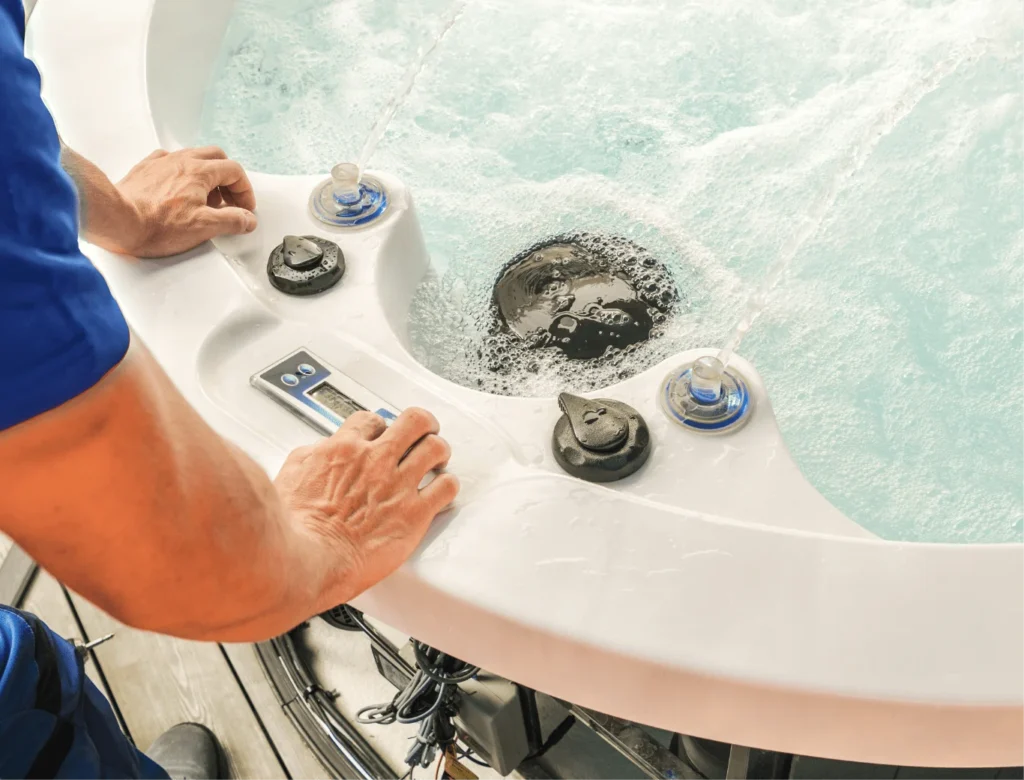
Frequent tripping breakers, malfunctioning control panels, or wiring issues can create safety hazards and expensive service calls.
Outdated Systems
Older spas with discontinued parts are harder to repair, as replacement components may no longer be available or supported.
Expensive Repairs
When repair costs approach the price of a replacement, continuing maintenance becomes financially impractical.
Energy Inefficiency
Older units often consume excessive electricity due to outdated insulation or failing components, leading to consistently high utility bills.
Final Thoughts
Every hot tub removal project is unique, and the final hot tub disposal cost depends heavily on factors like size, condition, and how easily the unit can be accessed. What may seem like a simple backyard task can quickly turn into a complex job once dismantling, labor, and transport are considered. That is why understanding the full scope of hot tub removal costs helps homeowners avoid unexpected expenses and plan more effectively. Junk People LLC provides professional hot tub removal services, helping homeowners manage the process safely, efficiently, and with a clear understanding of the costs involved.
In many cases, hiring professionals is the most efficient option because it saves time, reduces physical effort, and ensures safe handling from start to finish. Exploring recycling opportunities can also help reduce waste and make hot tub disposal more environmentally responsible. By comparing different service options and understanding what drives pricing, homeowners can make smarter decisions, control overall costs, and choose the most practical removal solution for their property.
Frequently Asked Questions About Hot Tub Disposal Cost
Costs vary widely based on size, access, and service type. Simple removals are cheaper, while difficult access or full-service jobs increase the overall hot tub disposal cost.
Most pricing includes labor, basic dismantling, loading, transportation, and disposal fees. Some services also include site cleanup after removal.
Yes, but it requires tools, time, and physical effort. Many homeowners underestimate the difficulty of safe lifting and proper hot tub removal logistics.
Yes, backyard access, stairs, fencing, and distance from the driveway can significantly impact labor time and final pricing.
Some components, like metal frames, motors, and wiring, can be recycled, but full units are rarely completely recyclable due to mixed materials.