

Hot tub placement sounds simple at first. Many people place a tub and hope it works. That is where problems start. I have seen tubs used once, then ignored. Poor hot tub placement often causes this. Bad access ruins daily use. Weak base leads to damage. Lack of privacy kills comfort.
The fix is not hard if planned early. I follow clear steps on every job. You need to check base access and privacy first. Then review power and water lines. Now lets see nine rules that work. After that, we cover four smart backyard ideas. These tips will guide your hot tub installation with real results.
What is Hot Tub Placement?
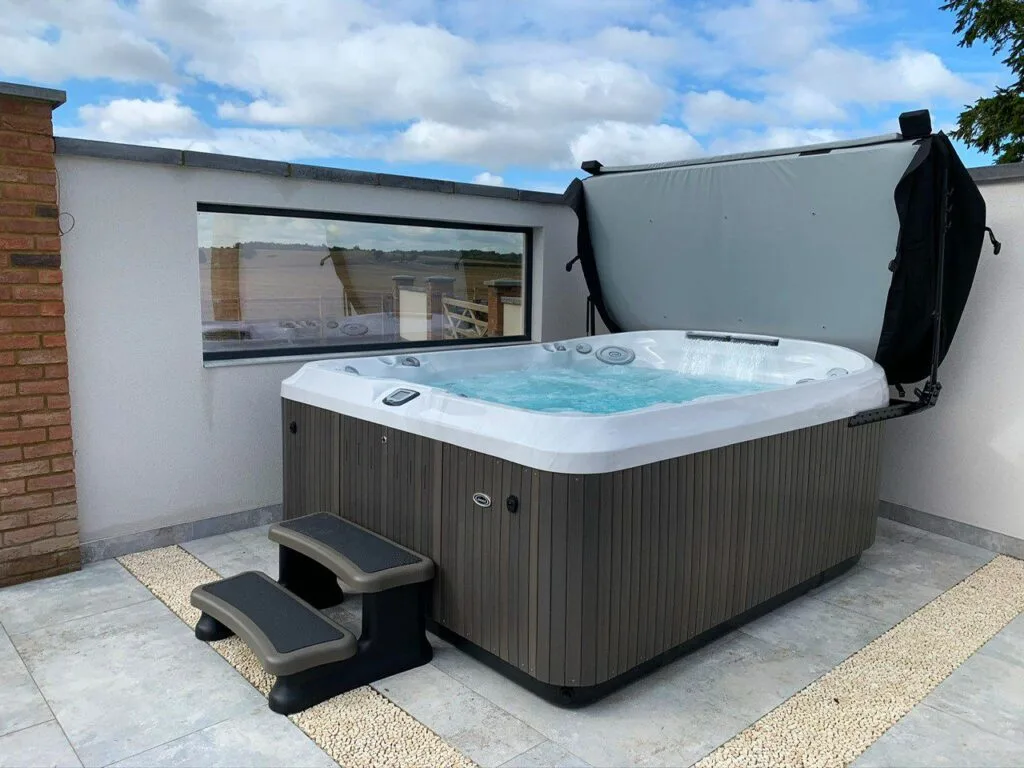
Hot tub placement means picking the right spot for your spa. You need a flat, strong surface first. Then think about walking paths and doorways. You also need power and water nearby. A good spot keeps you safe from slips or falls. Bad placement makes cleaning hard. It can even void your warranty. I have seen cracked shells from poor support. So, hot tub placement is not just about looks. It is about smart planning.
A good hot tub placement gives you four big wins. First, your spa runs better with less energy waste. Second, you can clean filters without a fight. Third, you actually use it more often. Fourth, you stay relaxed, not stressed. The right hot tub location includes wind breaks and privacy. Smart spa positioning also leaves room for a cover lifter. This is real advice from real installs. No fluff, just what works.
Benefits of Proper Hot Tub Placement
A smart hot tub installation changes everything. I have watched bad spots ruin a spa in two years. Good spots last ten years or more. Let me break down the real wins, starting with proper site preparation and cleanup. Clearing debris, old junk, and uneven materials first is where junk removal services becomes essential before any installation begins.
Improved longevity of your hot tub
Your spa shell hates sun and rain. A covered spot stops cracking. The pump also works less hard. That means fewer repairs for you.
Lower maintenance costs
Easy access to the drain saves you time. You can clean filters without crawling in mud. I saved one client 400 bucks a year just by moving their tub.
Better energy efficiency
Wind makes your heater run on stop. A sheltered hot tub installation cuts energy use by twenty percent. You keep heat where it belongs.
Enhanced privacy and comfort
No one wants neighbors watching them soak. A corner spot near a fence feels safe. You also block cold drafts that ruin the mood.
Increased home value
Buyers love a ready-to-use spa. But they hate a weird placement. A smart hot tub installation adds real sale value. Do it right once.
Types of Hot Tub Placement
Hot Tub Placement Options Explained
Hot Tub Placement changes based on your space and budget. I have worked on many setups, and each one feels different. The right installation type improves daily use and comfort. You must match spa styles with your yard size and structure. Below are common installation types I use in real projects.
Above-ground hot tub
Above ground hot tub is the easiest to install. It costs less and gives flexible placement. I often suggest it for first-time users. It works well when you need a quick setup without heavy work.
In-ground hot tub
An in-ground hot tub looks more premium and fixed. It needs more budget and full planning. It gives a luxury feel but takes longer to install.
Sunken or semi-recessed tubs
Sunken tub blends with landscaping and feels natural. It also makes entry and exit easier.
Deck-mounted hot tubs
Deck installation fits elevated spaces well. It needs strong structure support for safety and long use.
9 RULES FOR HOT TUB INSTALLATION
1. Create Space for Delivery
Your hot tub installation starts before the truck arrives. Measure every gate and door first. You need at least three feet of clear width. Watch for low tree branches too. I saw one tub get stuck on a roof overhang.
2. Ensure Proper Airflow
Hot tub placement needs room to breathe. Moisture builds up under the skirt. Without airflow, you get mold and rot. Leave a small gap on all sides. Your equipment will last much longer.
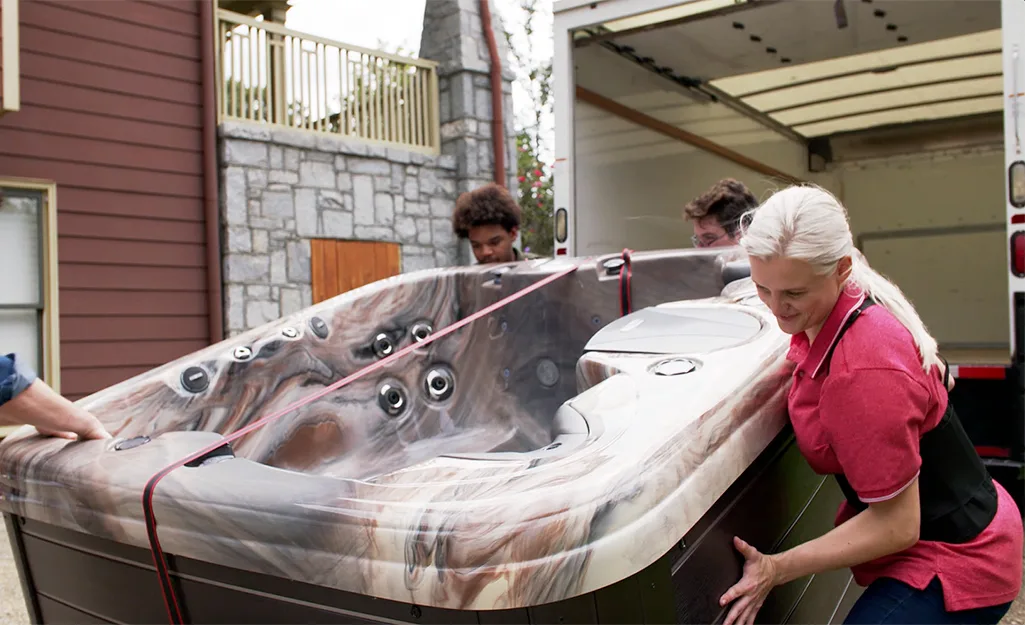
3. Build a Solid Base
A weak base cracks your shell. Concrete slabs work best. Gravel pads drain well, too. A reinforced deck is fine if built right. Never put a tub on bare dirt or grass.
4. Plan Drainage & Waterproofing
Water always finds a low spot. Your hot tub placement should aim water away from the house. Slope the ground gently. Add a gravel trench if needed. Standing water attracts bugs and rot.
5. Install Proper Electrical Setup
This is not a DIY job. A licensed electrician runs your wires. They will add a GFCI box near the tub. Do not use an extension cord ever. Bad wiring can kill you.
6. Think About Maintenance Early
Your hot tub installation must include service access. The pump and heater need room to be removed. Leave two feet of space at the equipment panel. I have seen people dig out tubs just to change a part.
7. Choose a Convenient Location
Think about where to put a hot tub for daily use. Keep it close to your back door. But not under a bedroom window. Noise from jets can wake up kids. A twenty-foot walk is fine.
8. Design for Privacy
Looking for backyard hot tub ideas that feel safe? Use fences or tall plants. A pergola with side curtains works great. Even a bamboo screen helps. You want to relax, not feel watched.
9. Prioritize Safety
Wet feet slip easily. Add non-slip mats or textured paint. Install motion lights for night use. Put grab bars near the steps. One fall can ruin everything.
Hot Tub Placement Comparison Table
| Feature | Above Ground | In-Ground | Deck-Mounted |
| Cost | Low | High | Medium |
| Installation Time | Fast | Long | Medium |
| Aesthetic | Basic | Luxury | Modern |
| Maintenance | Easy | Moderate | Moderate |
| Flexibility | High | Low | Medium |
4 Smart Backyard Ideas For 2026
1. Sunken Hot Tub with Natural Stone
Great backyard hot tub ideas start with a sunken spa design. I have seen this style create a luxury feel in many homes. It blends into the ground and looks natural. Sunken spa setups also improve landscaping design and add strong natural aesthetics, especially when the space first needs clearing through hoarder clean out to remove clutter and prepare the area properly.
2. Hot Tub Under a Pergola
A pergola setup adds shade and privacy. I often suggest it for families who want comfort in hot weather. It also improves style and makes the space feel cozy. This idea works well for daily relaxation.
3. Rooftop Hot Tub
Rooftop setups are perfect for city homes. You get open views and a private escape. I always advise a full structural check first. Safety matters most before installation in elevated spaces.
4. Zen Garden Hot Tub
A Zen garden setup creates a calm space. It uses a simple design with soft, natural elements. I have seen this reduce stress in daily use. It gives a peaceful spa feel at home.
Hot Tub Near House: How Close is Ideal
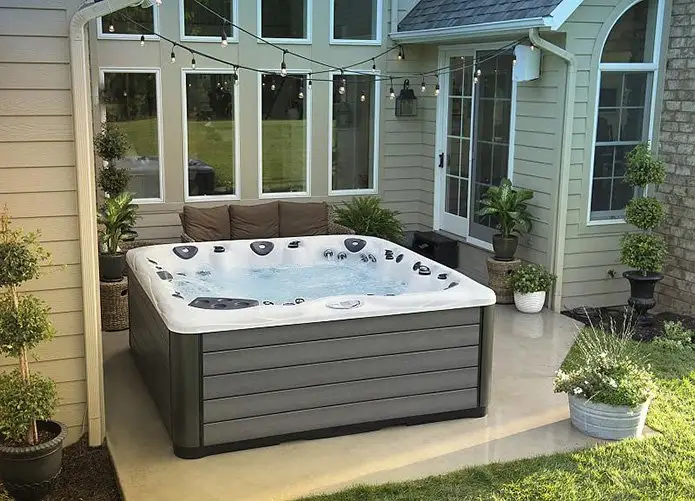
Hot tub placement near the house needs balance. I have seen people place it too close. That creates noise and moisture issues. The ideal distance from the house is around five to ten feet. This gives safe access and easy use. It also supports proper safety clearance and reduces risk near walls and doors.
Good hot tub placement also follows basic building codes in most areas. I always check spacing before install. You want it close enough for comfort but not touching the structure. This setup improves daily use and keeps the home safe and dry.
Should a Hot Tub Be Under a Roof
Pros
Hot tub placement under a roof protects your spa from rain, sun, and dust. I have seen better daily use in covered setups. It improves privacy and comfort. Good hot tub installation planning makes this option more practical for long-term backyard use.
- Protects from rain and sun
- Improves privacy during use
- Keeps water cleaner longer
- Reduces weather damage risk
- Supports year-round use
Cons
Covered hot tub placement can reduce airflow and trap moisture. I have seen this cause damp issues in some homes. It also increases the hot tub installation cost due to structure needs. Roof vs open choice must match climate space and long-term maintenance needs carefully, especially when clearing out bulky items beforehand using furniture removal services to properly prepare the installation area.
- Poor airflow causes moisture buildup
- Higher risk of mold issues
- Increases overall installation cost
- Can feel closed and heavy
- Needs more structural planning
PROS and CONS of Hot Tub Placement
Pros
Hot tub placement improves daily life when planned well. I have seen people enjoy their spa more after a proper setup. Good hot tub installation also increases comfort and adds real value to the home over time.
- Better relaxation after work
- Reduces daily stress levels
- Improves sleep quality naturally
- Increases home property value
- Creates family bonding space
- Enhances the outdoor comfort feel
- Supports healthier lifestyle habits
Cons
Poor hot tub placement can create long-term problems if not planned well. I have seen owners face higher costs and effort. Hot tub installation also increases energy use and requires regular care and attention.
- High setup cost required
- Regular maintenance effort is needed
- Increased monthly energy bills
- Water care needed
- Possible repair expenses later
- Needs proper space planning
- Can be time-consuming daily
Who Should Use A Hot Tub?
Hot tub placement suits many types of users when planned right. I have seen homeowners use it for daily calm and rest. Fitness people use it for muscle relief. Families enjoy shared time. Luxury property owners use it to improve their lifestyle and comfort with a proper hot tub installation at home.
Conclusion
This guide aims to fix bad hot tub placement before you buy. We walked through nine clear rules for your install. We also looked at four smart backyard ideas for 2026. My main finding is simple. Most problems come from rushing the spot. A weak base or bad drainage will cost you later. Good hot tub installation saves money and stress. These findings matter because a spa is a big investment. You want to enjoy it, not fight it, and working with Florida Junk People LLC can help ensure the space is properly cleared and prepared before installation begins.
Smart hot tub placement changes how you use your spa. You will soak more often when access is easy. Your energy bills stay low with proper airflow. Future buyers will see the value, too. Now look at your yard with fresh eyes. Pick a spot that checks every box. Then call a pro for the electrical work. Do it right once, and you will never regret it. Your perfect soak is waiting.
FAQS
1. What is the best place to put a hot tub?
A flat, stable surface near your home works best. It should have good drainage, privacy, and easy access for daily use and safe movement.
No, you should never place it directly on soil. It needs a strong base like concrete or reinforced decking for safety and long-term stability.
The ideal distance is five to ten feet. This keeps it close for easy access but still safe from wall moisture and structural issues.
Yes, most hot tubs need a dedicated GFCI-protected electrical line. It ensures a safe power supply and prevents electrical faults during regular spa use.
5. Is it better to put a hot tub in the sun or the shade?
Partial shade works best. It keeps water temperature balanced, improves comfort, and reduces energy use while still allowing natural light and outdoor enjoyment.