

Old stuff can take over a room faster than most people expect. The junk removal process helps clear bulky waste without guesswork or heavy stress. Crews first look at furniture, old tech boxes, and home goods. Then they decide what can be reused, recycled, donated, or hauled away. A clean chair may go to a local group, while broken items need disposal.
This service is not just about loading a truck. Good junk removal includes waste sorting, safe pickup, and proper disposal. Reusable items may reach donation centers. Metal, wood, cardboard, and glass may go to sorting sites. Items like batteries, paint, or old units need special care. A clear plan helps create open space and keeps cleanup simple.
Why The Junk Removal Process Matters After Pickup
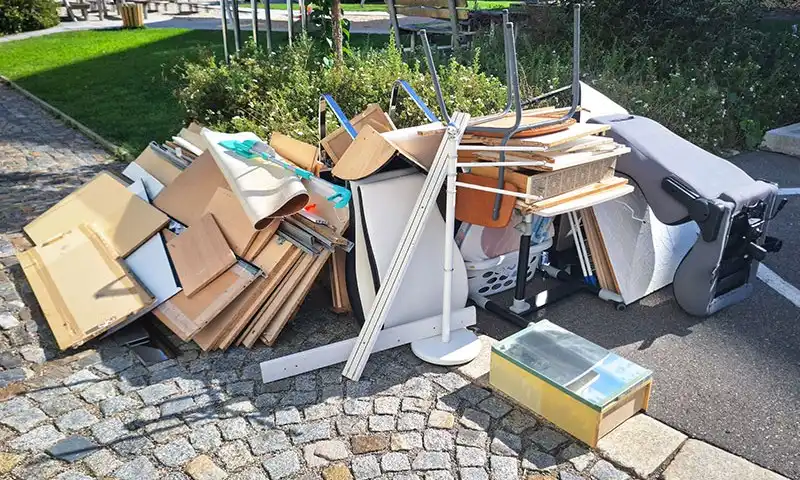
Junk removal does not end when old stuff leaves your home. What happens after pickup decides where each item goes. Clean chairs, boxes, and working tools may still help others. Broken pieces may need junk disposal instead. Responsible junk disposal helps reduce waste and keeps useful items away from crowded dump sites.
Old items can create stress when they sit for months. A clear removal plan helps turn packed rooms into clutter-free spaces. For example, a garage full of bulk waste can become useful again after sorting. Some items may go to reuse groups. Others may move through safe disposal lanes for cleaner spaces.
How The Junk Removal Process Begins With Safe Collection
The junk removal process starts when a crew checks the items and pickup area. Professional junk removal teams look at bulk waste, old items, and room access first. This helps them plan safe pickup without wall damage or delays. A packed garage may need two movers and a larger truck before clean rooms are possible.
Collection costs can change based on labor cost, fuel costs, item weight, and loading time. Heavy furniture, old units, and mixed boxes may take more effort. A clear path helps crews move faster. For example, stacked boxes near a doorway can slow down pickup. Sorting them first can save time and reduce stress. If metal fixtures are part of the cleanup, rusted gate removal may also be required for safe removal and proper disposal.
Why Waste Sorting Guides The Junk Removal Process
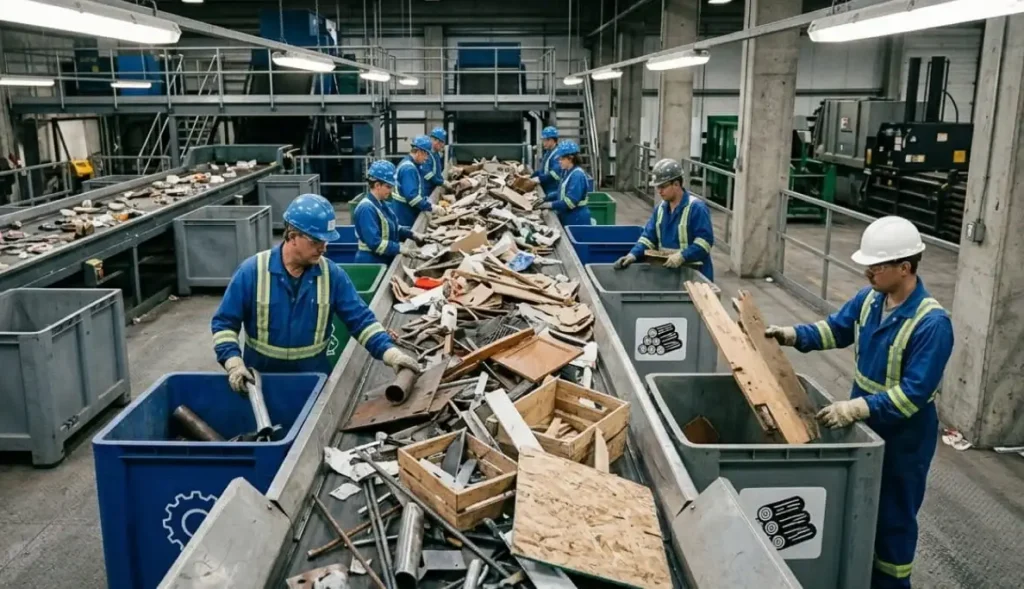
The junk removal process depends on smart sorting after pickup. Crews separate reusable items from broken waste before final disposal. Clean chairs, solid tools, and small home goods may still help others. Mixed piles need more care. Metal, plastic, and wood often move to different sorting stations for better handling.
Sorting facilities help decide what can be saved or reused. Salvageable items may go to donation or reuse groups. Damaged parts may move to proper waste sites. For example, a broken desk may have wood and metal pieces. Careful sorting keeps useful material from being wasted too soon.
How Junk Removal Moves Usable Items To Donation
The junk removal process can help usable items reach people who need them. Clean chairs, solid tools, and home goods may go to a donation center instead of disposal. Crews check the condition before loading for donation. A working lamp or small table can help a local family start over.
Donation transport also takes planning and time. Some local nonprofits accept furniture boxes and basic home items. Others have size limits or drop-off rules. Donation transport cost may change depending on the distance and load size. For example, a clean dresser may need two movers but still serve another home well.
How Recycling Supports The Junk Removal Process
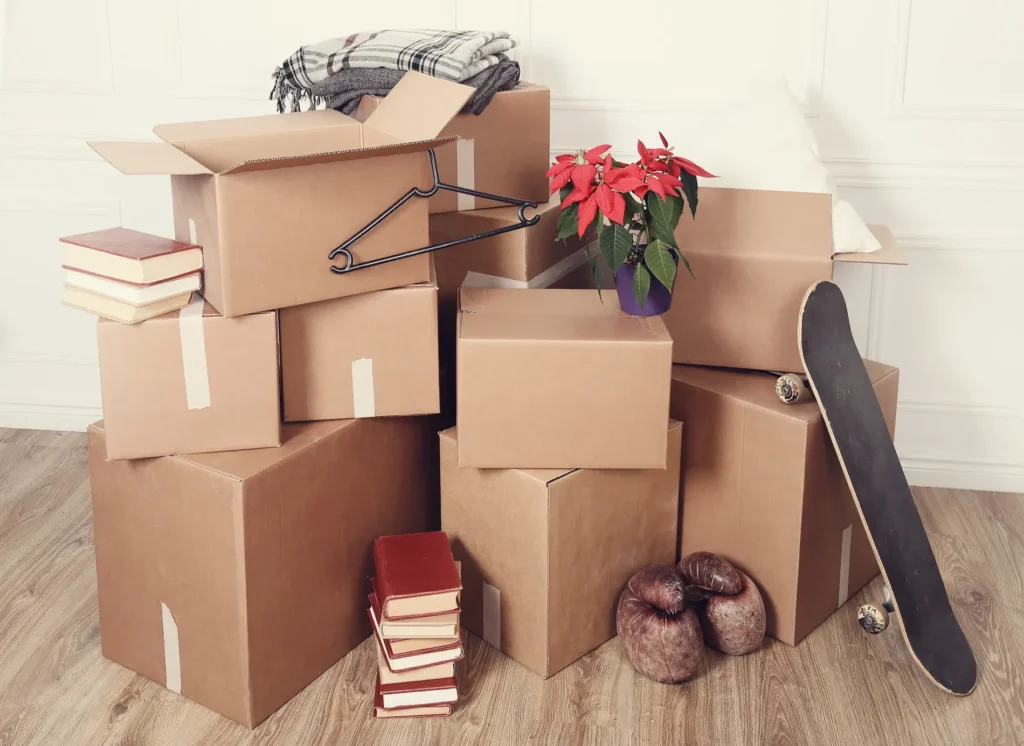
The junk removal process often includes recycling before final disposal. Crews may separate cardboard, paper, glass, and metal after pickup. These items can move to a recycling facility when they are clean enough. A stack of dry boxes from a garage cleanout may still support resource recovery instead of going to waste. In property cleanup projects, improving exterior appearance with rusted gate curb appeal can also complement overall junk removal and recycling efforts.
Recycling charges may depend on material type, weight, and local facility rules. Clean items are easier to process and may cost less to handle. Dirty loads can be rejected or sent elsewhere. For example, glass jars mixed with food waste may slow sorting. Careful separation helps the recycling process work better.
How The Junk Removal Process Handles Appliances And Debris
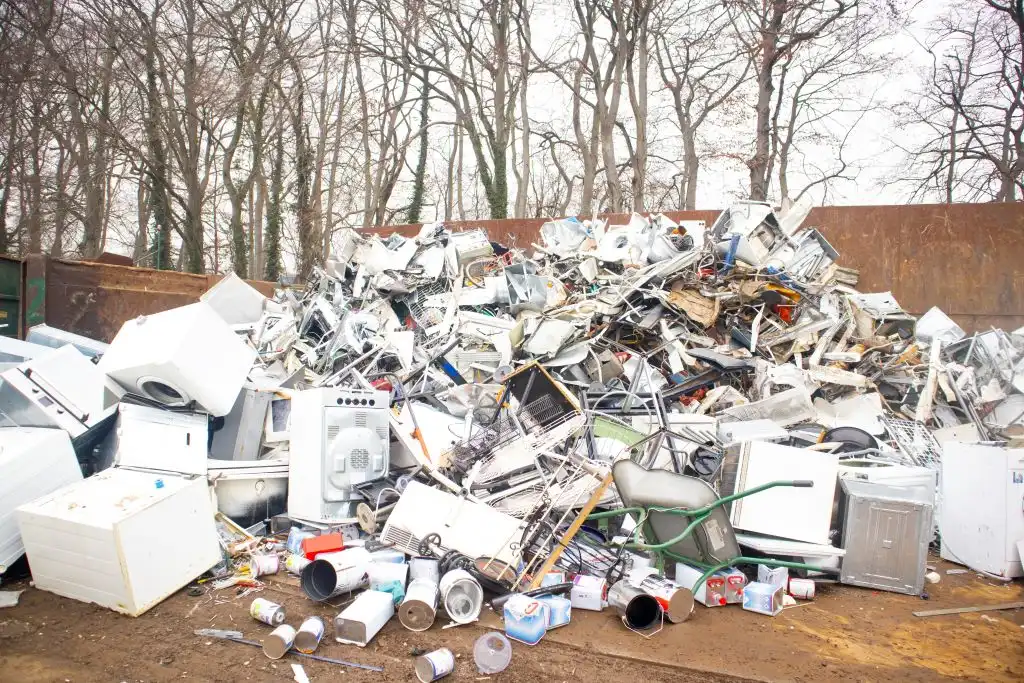
The junk removal needs extra care for old units and remodel waste. Appliance disposal may include washers dryers, stoves or small machines. Crews check weight size and safe loading needs first. A broken washer may still hold metal wire and parts that support material recovery instead of basic trash.
Construction debris disposal also depends on the type of load. Wood scraps old boards and metal pieces may need separate handling. Some clean materials can support reuse or construction upcycling. For example leftover lumber from a shed tear down may help with small repair work. Sorting first keeps debris removal clear and useful.
How The Junk Removal Process Handles E Waste Safely
The junk removal process needs careful steps for old tech. Phones laptops tablets and small devices cannot go with normal trash. They may hold lithium copper and circuit boards. A forgotten laptop can also store private files. Safe handling helps protect data and sends parts to proper recyclers.
Check Devices Before Pickup
Look through drawers boxes and office shelves first. Remove phones tablets and old hard drives. Keep chargers with devices when possible. This helps crews sort electronics faster.
Protect Personal Data
Wipe files before handing over old tech. A family computer may hold photos bank records and saved logins. Use data destruction when privacy matters.
Separate Batteries And Cords
Lithium batteries need extra care during removal. Loose cords and copper wire should stay apart from paper or furniture. This keeps sorting safer and cleaner.
Use Certified Electronics Recyclers
Certified electronics recyclers can handle circuit boards and device parts properly. They help recover useful material and reduce unsafe dumping. This is best for large e waste loads.
How The Junk Removal Process Handles Hazardous Items
Some items need special care before any truck gets loaded. Paint chemicals, batteries, CFL bulbs, and propane tanks should not mix with normal junk. These items may need safe handling through approved disposal lanes. A garage cleanout may reveal old paint cans or garden chemicals that need a separate plan. In some property improvement cases, replace rusted steel may also be considered when damaged structures or fixtures are found during cleanup.
- Paint Cans
Old paint should stay sealed and upright. Wet paint may need a special drop site before removal. - Household Chemicals
Cleaners, solvents, and garden products need careful checks. Never place leaking bottles with furniture or boxes. - Batteries
Batteries can create a risk during hauling. Keep loose batteries apart from paper, wood, and fabric items. - CFL Bulbs
CFL bulbs need gentle handling. Place them in a box so they do not break during pickup. - Propane Tanks
Propane tanks should never go with regular junk. They need approved hazardous waste disposal. - Unknown Containers
Unmarked bottles should stay closed and separate. Ask a local waste site before moving them.
How Organic Waste Moves Through The Junk Removal Process
The junk removal process can include yard waste when crews clear outdoor areas. Tree branches, leaves, and old plant debris need a different path than furniture. Organic waste care may send clean green material toward mulch or compost piles. A storm cleanup may leave branches across a yard. Sorting them first helps with proper disposal.
Food waste needs more care because it can smell and attract pests. It should not mix with cardboard, wood, or reusable goods. Some areas support compost drop-off or green bin programs. This helps waste diversion and keeps useful material out of regular trash. A clean garden pile can often serve a better purpose.
Why Landfill Disposal Comes Last In The Junk Removal Process
The junk removal process should send items to landfill sites only after other options fail. Usable goods may go to donation. Metal, wood, and cardboard may move to recovery sites. Landfill disposal is often for broken, mixed, or rejected items. A soaked mattress or crushed cabinet may have no clear reuse path.
Modern landfill sites use checks for safer waste control. Some sites track gas, soil, and water conditions. Still, landfill waste should stay as low as possible. This is why crews sort before final drop-off. For example, a garage load may include tool boxes and trash. Only the true waste should reach the landfill.
What Pricing Covers In The Junk Removal Process
The junk removal process price often covers more than loading old items. It may include labor cost, fuel cost, truck space, and travel time. Crews also pay disposal fees when items reach transfer stations or approved sites. A packed garage with heavy boxes may cost more than one small chair pickup.
Some loads need added handling after collection. Transfer station fees, recycling charges, and special waste costs can change the final price. Paint, batteries, or chemicals may include hazardous waste processing fees. A mixed basement cleanout may need sorting before drop off. Clear photos help crews give better quotes before pickup. In some cleanup situations, remove rusted frame may also be required when damaged structural items are found during removal work.
How A Green Junk Removal Process Supports Better Disposal
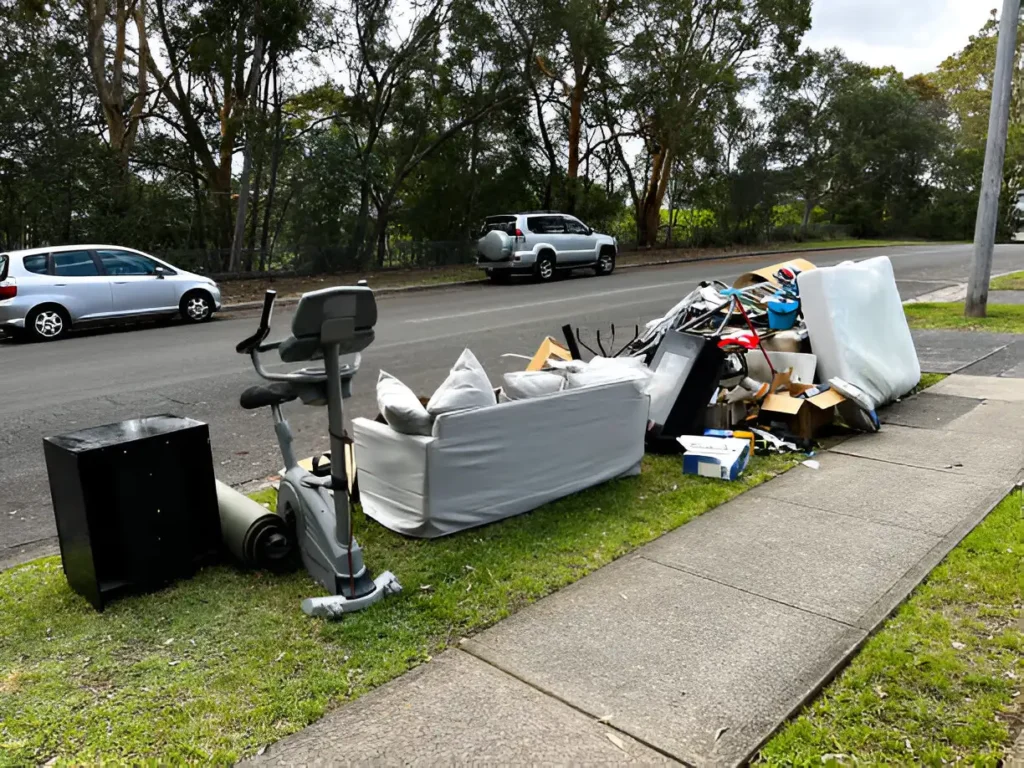
A green removal team does more than haul old items away. It looks for better paths before dumping. Eco-friendly hauling may include donation stops, reuse plans, and recycling records. Some crews use smart routes to save fuel during pickup. A homeowner clearing a garage may ask where clean tools and metal shelves will go.
Eco-friendly junk removal can also use waste tracking systems. These records help show what was recycled, donated, or sent for final disposal. Some companies may provide recycling certificates for large cleanout jobs. Clean fuel trucks and planned routes can reduce waste trips. This gives clients more trust when they want cleaner disposal choices.
How The Junk Removal Process Supports Local Communities
The junk removal process can help more than one home. Usable goods may reach community reuse centers or local aid groups. Clean chairs, tools, and home items can support families in need. This also helps nonprofits serve people with fewer costs. A working table from a cleanout may fill a shared room.
Cleaner spaces also help streets, parks, and nearby homes feel cared for. Proper hauling can reduce piles that block sidewalks or attract complaints. Local jobs may grow when crews sort, haul, and deliver items. For example, a garage cleanout can send supplies to community spaces instead of wasting them.
Common Mistakes That Hurt The Junk Removal Process
The junk removal process works best when items are checked before pickup. Some mistakes can raise costs or send useful goods to waste. Old tech batteries, chemicals, and reusable items need different care. A rushed garage cleanout can mix everything together and make proper disposal much harder. In this context, gym equipment recycling highlights how bulky or old fitness equipment can be responsibly processed through recycling instead of ending up in landfills.
- Mixing Hazardous Items With Regular Junk
Paint chemicals and loose batteries need special handling. They should not sit with boxes, furniture, or paper during pickup. - Throwing Away Reusable Items
Clean chairs, solid tools, and home goods may still help others. Check donation options before sending them away. - Ignoring Old Tech Privacy
Phones, laptops, and hard drives may hold private files. Wipe data before electronics leave your home. - Choosing Companies Without Disposal Plans
Some junk removal companies only haul items away. Ask how they handle donation recycling and final waste. - Sending Too Much To Landfill
Landfill waste should come last when better options exist. Sort metal, wood cardboard, and usable items first. - Forgetting Special Drop Off Rules
Certain items need approved sites. Batteries, chemicals, and devices may require separate local drop-off steps.
Conclusion About The Junk Removal Process
The junk removal process helps turn packed rooms into cleaner spaces with less stress. Good crews do more than haul items away. They sort reusable goods recyclable parts and true waste. This supports responsible junk disposal and better waste diversion. A garage filled with boxes tools and old chairs can become open space again.
Proper disposal also helps useful material reach a better place. Clean metal, wood, and cardboard may support resource recovery. Items with no reuse path may go to approved sites. This clear system helps create a stress-free home. It also helps families feel ready for the next step after cleanup. For full-service junk removal and cleanup support, Junk People LLC provides general information about disposal and hauling services.
FAQS
Junk removal includes pickup sorting loading hauling and disposal. Crews may handle furniture boxes old items and bulky waste. Usable goods may go to donation while broken items move to proper disposal sites.
Reusable items may go to a donation center or local reuse group. Clean chairs tools and home goods can help other families. Crews often check item condition before choosing the best drop off path.
Yes. Many crews sort metal cardboard wood glass and paper for a recycling facility. Clean items have better reuse value. Mixed or dirty loads may need more handling before they can move forward.
Items with no reuse or recycle path may go to landfill disposal. This is often the last option. Broken mixed or spoiled items usually need final waste handling through approved local sites.
Old phones laptops cords and devices need special care. E waste recycling helps recover parts like copper and circuit boards. Wipe private data first before giving any device to a removal team.