
Many homes have hidden risks sitting in storage areas. Garages, sheds, and basements often hold old fuel, paint cans, and chemicals that people forget about. These items slowly turn unsafe over time. Many homeowners are unsure how to handle old gasoline disposal when containers start leaking or lose labels and become hard to identify.
Some people try unsafe methods like pouring liquids down drains or throwing containers in regular trash. These actions can create fire risks and soil damage. This guide explains toxic waste disposal in a simple way. It also covers safe steps for handling household hazardous waste disposal and shows where homeowners can legally drop off dangerous materials without harm or confusion.
How to Tell if Gasoline Has Gone Bad
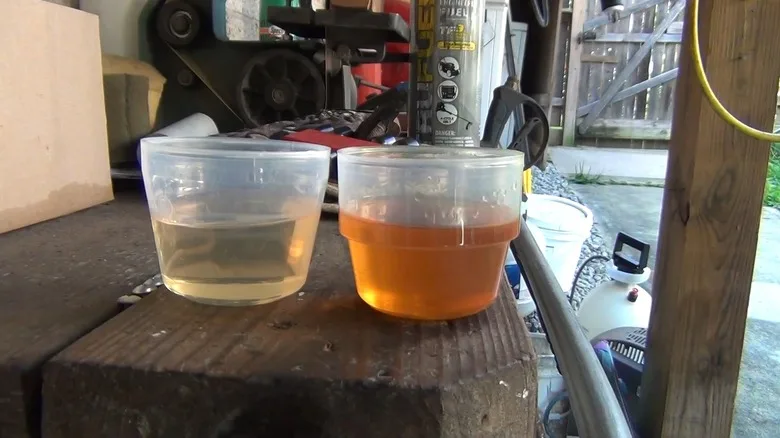
Old fuel often shows clear warning signs before it becomes unsafe. Many homeowners notice great changes in smell or a darker color. Some containers also show separation of liquid layers. A family once tried using stored fuel in a generator and faced poor performance, which later showed fuel breakdown had already started.
Knowing when to stop using fuel is important for safety. Gasoline that is more than a year old in poor storage often becomes unstable. Contamination from dirt or water makes it worse. At this stage, old gasoline disposal is often recommended by experts. It also helps people understand how to dispose of old gasoline safely without risk to engines or storage areas.
Common Types of Toxic Waste Found Around the Home
Many homes store items that seem harmless at first. Over time, these products become unsafe and need careful handling. Most homeowners only notice the risk during cleaning or renovation. Proper toxic waste or old gasoline disposal helps prevent health issues and protects storage areas from hidden chemical damage.
Paint and Paint Thinners
Paint products often stay in garages for years. Old cans can harden or leak strong fumes. A homeowner once opened a sealed can and found thick sludge inside. This shows why old paint needs careful handling and safe removal methods.
Pesticides and Herbicides
Garden chemicals are commonly stored in sheds. These products lose stability over time. One family found a leaking pesticide bottle after a summer heatwave. This created a strong smell and made storage unsafe until proper handling was done.
Automotive Fluids
Oil, brake fluid, and antifreeze are often kept in garages. These liquids can become dangerous when spilled or mixed. A car repair area once showed floor stains after a container tipped over unnoticed.
Cleaning Chemicals
Household cleaners are often combined in storage spaces. Some bottles react when damaged. A bathroom shelf once showed corrosion from a leaking bleach container that weakened nearby items.
Batteries
Old batteries can leak and damage surfaces. A drawer once had corrosion marks from unused batteries. This shows why safe storage and removal are important.
Solvents and Adhesives
Glue and solvent products release fumes over time. A workshop once had strong odors from an old adhesive container that was not sealed properly.
Pool Chemicals
Pool treatments are highly reactive. When stored incorrectly, they can become unstable. A homeowner once noticed heat inside a storage bin containing old pool tablets, which required careful chemical waste disposal steps to resolve safely.
The Biggest Disposal Mistakes Homeowners Still Make
Many homeowners still handle chemicals in unsafe ways. These actions often come from a lack of clear guidance or urgency during cleanup. Small mistakes can lead to serious risks at home and in the environment. Proper hazardous materials disposal helps avoid damage to soil, water, and indoor air quality.
Common Mistakes in Chemical Handling
- Pouring gasoline down drains
A homeowner once cleared a garage tank this way. The smell spread through pipes and caused safety concerns. - Dumping chemicals outdoors
One case showed dead grass after cleaning fluids were poured on the soil. - Burning hazardous materials
A backyard fire once released strong fumes from old paint cans. - Mixing different chemicals
A small mix created heat and a strong odor in a storage room. - Placing toxic waste in household trash
A leaking bottle was once spilled inside a garbage bin’s pickup truck. - Using storm drains for disposal
This can send harmful liquids directly into water systems.
Trusted experts often recommend learning how to dispose of gasoline safely before any cleanup. It helps reduce risk and prevents long-term environmental harm.
What to Do Before Disposing of Old Gasoline
Old fuel needs careful handling before removal. Many homeowners are unsure where to begin and risk taking unsafe steps. This is why proper preparation is important. It helps reduce fire danger and makes old gasoline disposal safer and more controlled in everyday home situations.
- Inspect fuel condition
Check smell, color, and clarity before handling. - Proper storage containers
Use approved sealed fuel-safe containers only. - Labeling containers
Mark clearly to avoid confusion or misuse. - Keep away from ignition sources
Store far from heat, sparks, and flames. - Temporary storage best practices
Keep in a cool, ventilated outdoor space. - Preparing for transport
Secure containers tightly before moving for safe gasoline disposal methods.
Safe Ways to Dispose of Old Gasoline Legally
Old fuel becomes risky when it sits too long in storage. Many homeowners do not know where to take it. This creates confusion and unsafe storage habits. Legal disposal options help reduce danger and guide people toward safe and proper handling in real situations.
Hazardous Waste Collection Facilities
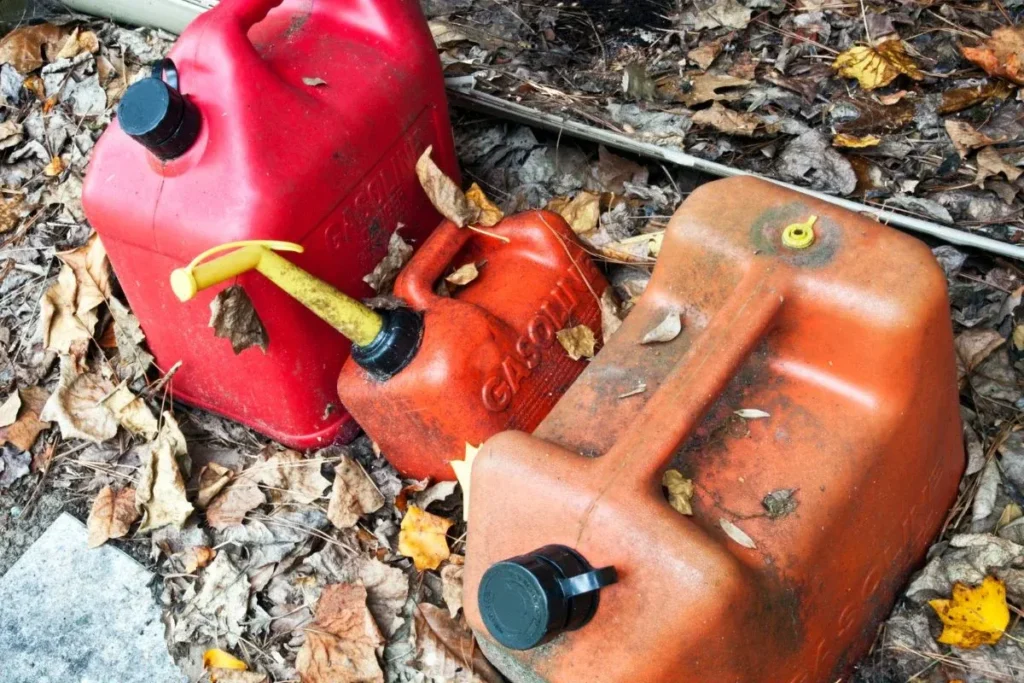
These are official sites that handle fuel safely. Staff are trained to manage toxic liquids without spills. A homeowner once kept old cans for years and finally dropped them at a facility. The process was quick and safe.
Community Collection Events
Local events are arranged in some areas for safe drop-off. These events help residents clear old fuel in one visit. A family once cleaned their garage during such an event and avoided long storage risks.
Recycling Programs
Some programs recover usable fuel parts for controlled reuse. This reduces waste and supports safe handling systems. One case showed old fuel being processed instead of being thrown away, which lowered environmental impact.
Local Disposal Regulations
Each area has rules for fuel handling and drop-off. Some require labeling or preapproval. A homeowner once had to return because containers were not marked properly.
Approved Drop-Off Locations
Certified sites ensure safe handling and proper processing. These locations prevent leaks and unsafe storage risks. Always confirm acceptance rules before visiting.
Transportation Safety Tips
- Keep containers sealed tightly before transport
- Use approved fuel-safe containers only
- Place containers upright in the vehicle
- Avoid heat sources and direct sunlight
- Secure items to prevent movement during travel
Where Household Hazardous Waste Actually Goes After Collection
Many homeowners assume collected chemicals disappear without a process. In reality, they go through strict systems after pickup. This includes treatment facilities and controlled sorting areas. Proper hazardous waste collection ensures materials are handled safely instead of entering land or water systems that could create long-term damage.
After the collection materials are checked, they are sent for processing. Some fuels go into recovery programs while others move into recycling systems. A homeowner once learned that old paint from household hazardous waste disposal was separated and treated instead of dumped. These systems follow strict rules to protect the environment and reduce harmful impact through regulated handling.
Treatment Facilities
These facilities neutralize or safely process harmful chemicals. One batch of cleaning liquid once went through treatment instead of landfill disposal, reducing environmental risk.
Fuel Recovery Programs
Some fuel products are cleaned and reused in controlled systems. This reduces waste and supports safer energy reuse where possible.
Recycling Processes
Certain materials, like metals or plastics, are recovered. A case showed container parts being recycled after safe separation.
Hazardous Waste Management Systems
These systems track and control every step. They prevent the mixing of unsafe materials during processing stages.
Environmental Protection Measures
Strict steps reduce air, soil, and water pollution. One facility showed filtered storage zones to prevent leaks.
Regulatory Oversight
Government rules ensure safe handling. Inspections confirm proper processing at each stage of disposal chains.
Understanding the Environmental Impact of Improper Disposal
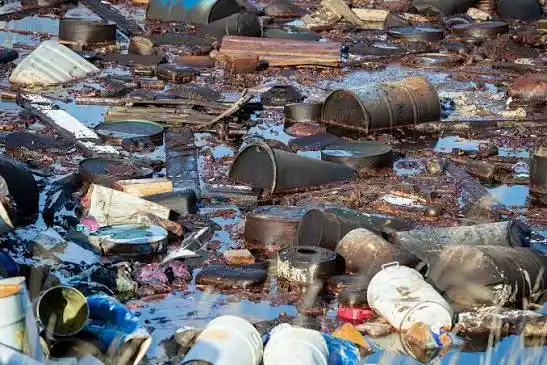
Improper handling of chemicals often starts at home. Many homeowners pour liquids or dump containers without knowing the harm. These actions slowly spread danger into land, air, and water. Proper toxic waste disposal helps prevent long-term damage that often goes unnoticed until the environment is already affected.
Groundwater Contamination
Chemicals can seep into underground water sources. A small spill in a yard once reached a nearby well. This shows how hidden damage can spread slowly over time.
Soil Pollution
Dumped chemicals change soil quality. A homeowner once saw dead grass after pouring leftover cleaners outside. Plants stopped growing in that area.
Wildlife Damage
Animals can come into contact with toxic materials. One case showed birds affected after drinking from a contaminated puddle near waste dumping.
Air Quality Concerns
Fumes from open chemicals affect breathing spaces. A garage with leaking solvents once caused a strong indoor odor and discomfort.
Fire and Explosion Risks
Some chemicals ignite when exposed to heat. A storage area once caught fire after the improper mixing of solvents.
Long-Term Environmental Costs
Damage builds slowly and becomes costly to fix. Chemical waste disposal done incorrectly often leads to long restoration work for land and water recovery.
Can Old Gasoline Be Reused or Recycled
Old fuel is not always waste. In some cases, it can still be used for small equipment if stored correctly and not badly degraded. Many homeowners first try to test it before deciding on old fuel disposal. A family once used slightly aged fuel in a lawn tool after careful checking.
Gasoline recycling is possible in controlled systems where fuel is cleaned or processed for limited reuse. Professionals sometimes handle fuel recovery using safe methods. In many cases, reuse is not safe due to contamination or age. When fuel smells strong or looks dark, disposal is often the better option for safety and engine protection.
How to Safely Handle Toxic Waste During Home Cleanouts
Home cleanouts often reveal old chemicals in storage areas. Many homeowners feel unsure about safe handling. Direct contact or poor ventilation can create health risks. Careful steps help reduce danger and support safe hazardous materials or old gasoline disposal during garage, shed, or basement cleaning tasks.In extreme situations where garages or storage areas contain years of accumulated hazardous materials, a hoarder clean out service can help remove large volumes of chemicals and waste safely before proper disposal.
Protective Equipment
Wear gloves, masks, and safety glasses before touching any container. A homeowner once handled an old cleaner without gloves and faced skin irritation within minutes.
Ventilation Requirements
Keep doors and windows open during cleaning. Fresh air reduces harmful fumes from leaking containers stored for long periods.
Container Inspections
Check for cracks, leaks, or swelling before moving items. One case showed a broken bottle hidden under boxes that had started leaking slowly.
Safe Lifting and Transport
Lift containers carefully to avoid spills. Keep items upright and stable during movement to prevent accidents.
Emergency Precautions
Keep water and neutral materials nearby. A quick response can reduce damage if exposure occurs during handling.
Spill Prevention
Place items in trays or sealed bags. This helps control accidental leaks from spreading into storage areas and reduces toxic household waste risks.
Seasonal Garage and Shed Cleanouts: Hidden Risks
Seasonal cleaning often reveals old items that were forgotten for years. Many homeowners find chemicals, fuel, and cleaners stored without checks. These hidden risks can create safety problems if not handled with care. A simple waste disposal guide helps reduce danger of old gasoline disposal during garage and shed cleanouts.Seasonal property maintenance may also include yard debris removal, allowing homeowners to clear outdoor spaces while identifying old fuel containers, pesticides, and other hazardous materials hidden around sheds.
Common Hidden Risks
- Forgotten fuel containers
Old fuel cans may leak or release fumes after long storage. - Expired chemicals
Cleaning and garden products lose stability over time and become unsafe. - Leaking storage products
Small leaks can spread and damage nearby items in storage areas. - Improperly labeled containers
Unknown liquids increase risk during handling and sorting. - Moisture and heat damage
Heat and damp air can weaken containers and cause breakdown. - Annual safety inspections
Regular checks help detect household toxic waste early and prevent buildup risks.
Cost Comparison of Different Disposal Options
Homeowners often feel unsure when choosing where to take chemicals. Each option has different costs, safety, and effort levels. A simple comparison helps avoid mistakes during household hazardous waste disposal and supports better decisions for safe and legal handling of unwanted materials at home.
| Option | Average Cost | Convenience | Safety Level | Environmental Benefit |
| Hazardous Waste Facility | Low | Medium | High | High |
| Community Collection Event | Free or Low | Medium | High | High |
| Recycling Program | Low | Medium | High | Very High |
| Professional Waste Removal Service | High | Very High | Very High | High |
A homeowner once used a community event to clear old paint safely instead of paying high service fees. Another family chose a professional service due to the large volume and to avoid risk. Trusted experts often suggest comparing options before any toxic waste disposal decision to balance safety and cost properly.
How to Create a Safer Waste Management Plan
Many homes face risk when chemicals are stored without control. Items build up over time and create unsafe spaces. A simple plan helps reduce confusion and supports safer household hazardous waste disposal during routine home care and seasonal cleanouts.If your property renovation also generates building materials along with hazardous products, a construction debris removal service can help separate debris from toxic waste for safer disposal.
Proper Storage Habits
Store chemicals in sealed containers in cool, dry spaces. Keep items away from heat and sunlight. One homeowner once found a leaking bottle due to poor storage in a warm garage.
Inventory Tracking
List all stored chemicals in one place. This helps avoid buying duplicates. It also makes it easier to identify old or unused products during cleanup.
Safe Purchasing Practices
Buy only what is needed for short term use. This reduces buildup of unused chemicals that later require disposal.
Reducing Hazardous Waste Generation
Use products fully before replacing them. Avoid mixing or transferring leftovers into new containers without need.
Annual Disposal Schedule
Set a yearly review time for checking storage areas. This helps remove expired items before they become a risk.Homeowners often search for furniture removal nearby when planning annual property cleanups so bulky items can be cleared before hazardous waste is organized.
Family Safety Awareness
Teach family members basic safety rules. A waste disposal guide helps everyone understand risks and handle materials carefully.During large home cleanouts, a furniture removal service can remove bulky furniture first, giving homeowners safer access to chemicals and other hazardous materials.
Final Thoughts on Safe Home Disposal Practices
Safe disposal starts with awareness at home. Many risks come from storing old chemicals without care. Proper old gasoline disposal helps prevent fire and soil damage. It also protects indoor air and nearby living spaces from harmful exposure. Companies like Junk Removal LLC help homeowners handle unwanted hazardous materials safely and responsibly, reducing environmental and safety risks.
Improper dumping or burning creates serious danger. It can affect water systems and cause long-term harm. This is why toxic waste disposal should always follow safe steps. Hazardous waste facilities remain the most trusted option for handling dangerous materials.
Good habits reduce future problems. Safe storage and smart buying lower waste buildup. Many homeowners rely on household hazardous waste disposal programs for safe handling. Trusted experts often suggest using approved collection systems to keep homes and the environment protected over time.
Frequently Asked Questions
Old fuel often changes color or smell. If it looks dark or smells strong, it is likely unsafe. Many homeowners notice poor engine performance when fuel has aged too long.
No. Throwing fuel in regular trash is unsafe. It can leak or ignite during handling and create serious fire risks in waste systems.
Safe options include approved drop-off sites and community collection events. Many areas also have local hazardous waste programs for fuel handling.
Common items include cleaners, pesticides, paints, batteries, and automotive fluids. These materials require careful handling due to their chemical nature.
Some materials can be processed through controlled systems. Metals and certain liquids may be recovered depending on the condition and facility rules.