

A home can feel full of stories before a sale begins. That is why estate sale preparation needs calm steps and clear choices. Families often face packed rooms, old items, and mixed feelings. Some things may hold value. Others may need a donation or removal. A clear plan helps heirs avoid stress and helps buyers move through the home with ease.
Before the sale day, each room should feel safe, clean, and simple to view. Start by finding papers, family photos, jewelry, and private items. Then group furniture, tools, kitchenware, and vintage pieces by room. This makes pricing easier and supports better buyer flow. A clean path through each space can help local buyers feel more sure about each item.
Why Estate Sale Preparation Matters Before You Start
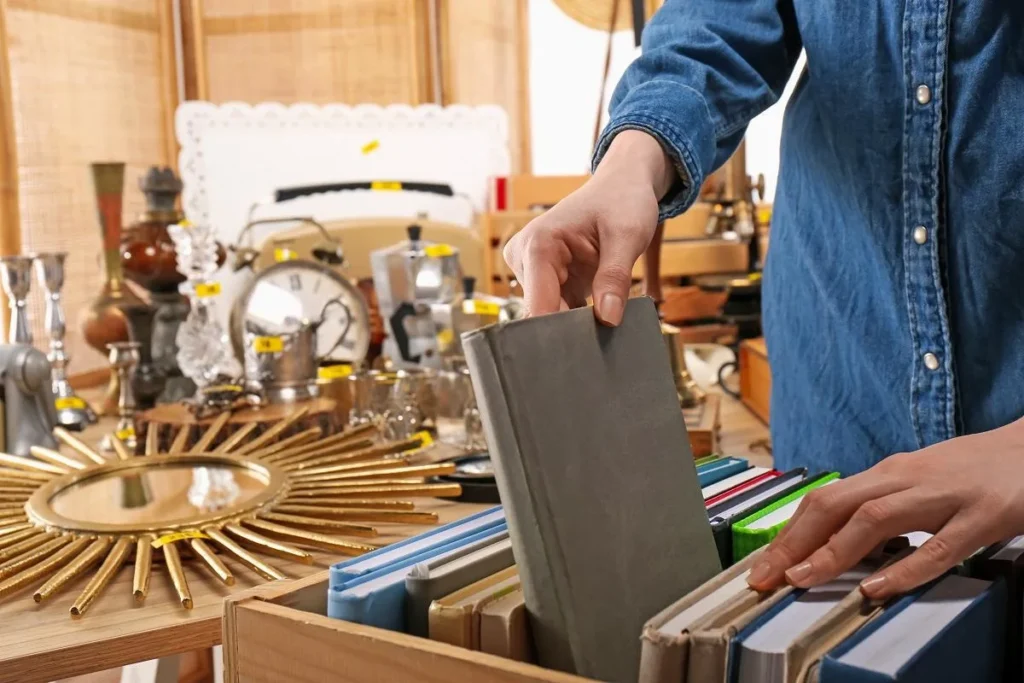
Estate sale preparation helps families make clear choices before buyers arrive. Packed rooms can create stress fast. Clean rooms help people see value in each item. Clear paths also make the home safer. A buyer may skip a crowded room. Yet a neat layout can improve buyer mood and trust during the sale.
Good planning also protects time and family peace. Simple estate sale planning steps help heirs sort keep sell, and donate items. This lowers sales stress before the first visitor walks in. When you prepare a home for an estate sale with care, each room feels easier to shop. Better flow can support stronger sales value.
Estate Sale Preparation Starts With A Room-by-Room Review
Estate sale preparation should start with a full home review. Walk through each room with a simple home checklist. Write room notes for furniture, tools, old items, and boxed goods. This helps families see what may sell. A dusty garage may hold useful hand tools that local buyers still want. If the property includes damaged metal fixtures, rusted gate removal can help improve the space before the sale.
A clear estate sale list also helps spot antiques and collectibles early. Some vintage pieces may need a closer look before pricing. A family may find jewelry in a dresser or art behind storage boxes. Careful notes help avoid rushed choices. They also make each room easier to sort later.
Estate Sale Preparation For Private Papers And Legal Items
Estate sale preparation should protect private records before anything gets priced. Executors should check desks, drawers, file boxes, and locked rooms first. Family documents may include will notes, bank details, medical bills, and legal papers. These items should never sit near the sales tables. A buyer opening a folder should not find private account details.
Sensitive papers need a safe plan before public access begins. Keep passports, deeds, tax files, and family photos in a secure box. Mark off limit areas with clear signs. This helps heirs avoid disputes and protects private items. A bedroom closet may hold jewelry, receipts, or old letters that need family review first.
Estate Sale Preparation With A Clear Home Inventory
Estate sale preparation becomes easier when every item has a place. A simple inventory list helps heirs track value and avoid family mix-ups. It also helps with pricing records and sale day checks. A dining cabinet may hold silverware, receipts, or old appraisals that matter before pricing.
- Furniture List
Note sofas, tables, chairs, beds, and cabinets by room. Add small notes about condition size and visible wear. - Collectibles And Antiques
Group vintage items, artwork, coins, and rare pieces with care. These may need review before public pricing. - Jewelry And Small Valuables
Keep rings, watches, and heir pieces in a safe spot. Take clear photos before any sales step. - Tools And Garage Items
List power tools, yard gear, and storage goods apart. Buyers often check these areas early. - Receipts And Appraisals
Save proof for high-value items. Old papers can support fair pricing and family trust. - Printable Checklist
Use one simple sheet for each room. This keeps sorting clean and helps prevent missed items.
Estate Sale Preparation For Keep, Sell, Donate, and Remove Groups
Estate sale preparation feels calmer when each item has a clear group. Start with keep, sell, donate, and discard piles. This helps family members avoid rushed choices. Heirs may want photos, letters, or heir pieces before pricing starts. A labeled table can prevent family claims from turning into stress on sale day. Improving rusted gate curb appeal can also help the property look more welcoming to estate sale visitors.
Emotional items need extra care before public buyers enter. Set aside keepsakes first. Then place useful goods into sale groups. Donation options can help with clothing, books, and kitchenware that are still usable. Damaged items may need removal. This simple system keeps rooms clear and helps families make fair choices.

Estate Sale Preparation For Fair Prices And Appraisal Support
Estate sale preparation needs fair pricing before buyers walk through. Families may guess prices based on memories. Yet sale value should match age, condition, demand, and local resale trends. A home appraiser can review artwork, jewelry, antiques, and rare items. This helps heirs avoid selling a valuable clock for the price of basic decor.
A professional estate liquidator can also guide price tags and buyer offers. Market-based pricing helps items move without feeling rushed. Some pieces may need appraisal papers before the sale starts. A signed print or vintage ring may require proof. Clear records support fair choices and reduce family doubts during pricing talks.
Estate Sale Preparation For Clean And Open Rooms
Estate sale preparation works better when each room feels clean and easy to walk through. Pre-sale home cleaning helps buyers see furniture, kitchenware, and storage items clearly. Dust-crowded shelves and clear tabletops before pricing starts. A buyer may ignore a nice dish set if it sits behind clutter and old boxes.
The estate clean-out process should also create open space and safe pathways. Remove leftover items that will not sell. Keep walking areas clear near stairs, halls, and doors. This helps older buyers move with less risk. A neat room can improve buyer comfort and make each item easier to view.
Estate Sale Preparation For Staging And Smooth Buyer Flow
Estate sale preparation should make each room easy to shop. Good staging helps buyers notice value faster. A clear home layout can guide people from room to room without crowding. This matters when artwork, vintage pieces, and jewelry need better display. A neat path can help buyers feel more sure.

Plan Each Room Before Sale Day
Place large furniture where buyers can walk around it with ease. Keep doorways open and tables spaced well. A crowded living room can hide good items. A simple layout can make each piece easier to view.
Display Small Valuable Items With Care
Jewelry, rare items, and small antiques need safe display spots. Use one watched table near the checkout area. This helps protect valuable pieces. It also helps buyers ask questions before making a fair offer. If the property needs updates before the sale, replace rusted steel can improve security and overall appearance.
Keep Artwork And Vintage Pieces Visible
Hang artwork where light can show details clearly. Place vintage pieces on clean tables or open shelves. Buyers often pause when items feel easy to inspect. A framed print can lose value when hidden behind boxes.
Guide Buyers Through Clear Paths
Buyer flow improves when each room has a simple route. Use signs for entry sale areas and off-limits spaces. Clear paths help older visitors move safely. They also keep the sale calm during busy hours.
Estate Sale Preparation For Local Rules And Sale Permits
Estate sale preparation should include local rules before signs go up. Some areas require sale permits before public buyers arrive. City laws may also control sale hours and outdoor displays. HOA rules can limit signs or visitor traffic. A family may face complaints if cars block driveways during a busy Saturday sale.
Parking rules and zoning limits should be checked before the sale day. Clear signage helps buyers find the home without causing stress nearby. Some streets may not allow long parking or large crowds. Ask the city office or HOA before posting ads. This small step can prevent delays and protect the sale from last-minute issues.
Estate Sale Preparation For Photos And Local Buyer Reach
Estate sale preparation should include clear photos before ads go live. Bright images help local buyers see value fast. Show furniture, artwork, tools, and rare pieces in clean light. A dark photo can make good items look dull. Strong marketing photos can help buyers and collectors decide if the sale is worth visiting.
Good ads should reach people where they already search. Use local listing sites and social groups with simple item notes. Mention dates, hours, payment choices, and parking needs. A collector may visit for vintage glass after seeing one clear image. Smart sales ads can bring better traffic and support stronger buyer interest.
Estate Sale Preparation For A Calm And Smooth Sale Day
Estate sale preparation should include a clear plan for the sale day. Set checkout near the exit with cash payment and phone pay options. QR pay can help buyers move faster. Mark off limit areas with simple signs. A locked bedroom or private office should never be open during buyer visits.
Good sales day planning also supports a safer buyer flow. Use signs for entry checkout and pickup areas. Keep paths clear near stairs, halls, and tables. Test payment systems before doors open. A buyer may leave if checkout feels slow. Clear steps help the sale feel calm, organized, and fair.
Estate Sale Preparation For Leftover Items After The Sale
Estate sale preparation should include a plan for unsold items. Many homes still have boxes of furniture and loose goods after buyers leave. This can feel hard for heirs who need the house cleared fast. A simple cleanup plan helps families decide what to donate, remove, or save. In some cases, property repairs may also be needed, and remove rusted frame can help improve safety and prepare the home for final clearance or sale.
Sort Unsold Items First
Group leftover items by use and condition. Keep useful goods apart from broken items. A clean lamp may go to a donation. A damaged chair may need removal.
Choose Donation Or Family Pickup
Some items may still help others. Clothing, books, dishes, and small furniture may fit donation options. Give family members a final pickup date before cleanup starts.

Use Cleanout Help For Large Loads
Estate cleanout services can help with heavy furniture and packed rooms. A junk removal team can remove items fast. This helps when a closing date is near.
Plan Final Home Cleanup
Post-sale cleanup should leave the rooms safe and clear. Home cleanout experts can handle storage areas, garages, and basements. Clear disbursal steps help reduce stress after the sale day.
Estate Sale Preparation Mistakes That Can Hurt The Sale
Estate sale preparation can fail when families rush key choices. Small errors may lower the value or cause stress. A missed drawer can hold private papers. A wrong price can send rare items out too fast. Careful planning helps protect family trust and buyer interest.
- Starting Too Late
Last-minute planning can cause poor sorting and weak pricing. Give each room enough time before the sale day. - Skipping Private Item Checks
Private papers, photos, and bank records should leave the home first. Buyers should never find them in drawers. - Guessing Item Prices
Mispricing can cost families real money. A vintage watch may need review before any tag goes on. - Ignoring Family Claims
Heirs should discuss keepsakes before public access starts. This helps avoid conflict during the sale. - Using Poor Sale Dates
Bad timing can reduce buyer traffic. Check local events, weather, and parking before choosing a date. - Forgetting Clear Paths
Crowded rooms can make buyers leave early. Keep hall doors and tables easy to reach. - Posting Weak Photos
Dark photos can hide value. Use clear images so collectors can spot key pieces. - Leaving Cleanup Until Later
Unsold goods can slow the final move. Plan donation removal and cleanup before the sale ends.
Conclusion About Estate Sale Preparation
Estate sale preparation helps families turn a hard task into clear steps. Preparing a house for estate liquidation takes time, care, and honest choices. Clean rooms and clear paths help buyers view items with less stress. Fair pricing can also protect the sale value. A marked dining set may sell faster when buyers can inspect it well.
Good estate sale tips for sellers also include a plan after the sale. Donation options can help useful items find a new home. Damaged goods may need removal. Post-sale cleanup should leave the home safe and open. When each step has a purpose, families can move forward with less pressure. For full-service cleanup and removal support, Junk People LLC offers general information about junk removal and property clearing services.
FAQS
Start with one room at a time. Remove private papers first. Then sort furniture, tools, and keepsakes. A simple list helps heirs track items and avoid rushed choices.
A good checklist should include room notes, item groups, pricing needs, photos, signs, and cleanup steps. It should also track family claims before buyers enter the home.
Executor tasks often include protecting legal papers, checking family claims, managing appraisals, and keeping records. They may also approve pricing donation choices and cleanout plans.
An estate sale company can help with pricing, staging ads, and buyer flow. This support helps when families have large homes, rare items, or short timelines.
Yes. Estate cleanout services can remove leftover furniture boxes and damaged goods. They can also help clear rooms before closing donation pickup or final cleanup.