

You toss a plastic bottle into the blue bin. Then you wonder if it actually gets recycled. That doubt is normal. Most people feel the same way. The problem is simple. We were never truly taught recycling basics. We just got a bin and a hopeful wish. This leads to good people making bad recycling choices every single day.
Here is the good news. You can fix this in one afternoon. This recycling guide will show you how recycling works from start to finish. You will get a real list of recyclable materials. You will learn what to keep and what to leave out. No more guessing. No more wish cycling. Let us turn you into a recycling expert today.
What Is Recycling Really Core Concept?
What Is Recycling Core Idea
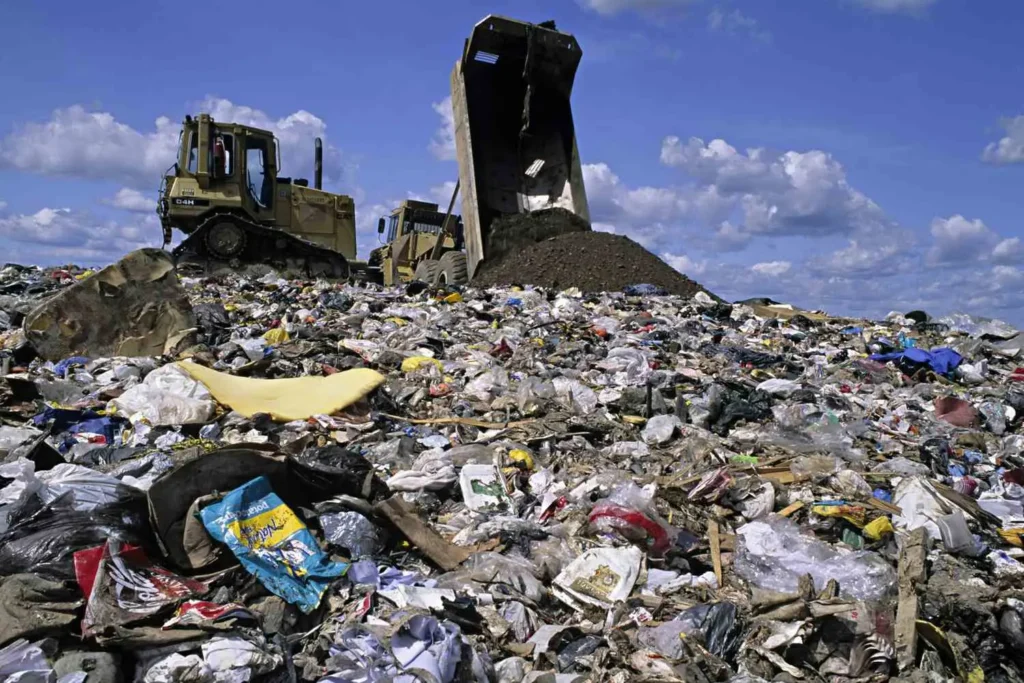
What is recycling is a simple idea in daily life. What does recycling mean? Turning used items into new goods, people sort waste at home for recycling. Guide steps this supports resource recovery and reuse in economy system, it helps reduce landfill waste in many local areas, and supports better environmental protection through simple daily actions.
Recycling Guide and Process
The recycling guide shows easy steps for sorting waste at home. How recycling works starts with the collection and safe separation of recyclable materials, list includes paper, glass, metal, and some plastic. This process helps the circular economy system and reduces landfill waste. Communities learn better habits for waste management, and reuse improves daily green care in simple, real ways, and helps people build cleaner living spaces.
What Can Be Recycled: The Real Deal Complete Breakdown
I have worked in waste yards for years. People ask what can be recycled. The answer follows curbside recycling rules in each area. A recyclable materials list helps reduce contamination in recycling.
Paper and Cardboard Recycling
I have sorted paper at busy sites. Clean paper moves well in the paper recycling process. Follow cardboard recycling rules at home. Keep newspaper recycling dry for strong fiber recovery in daily work, and when large volumes of mixed waste need clearing first, junk removal services can help ensure proper sorting and disposal before recycling begins.
Plastics Recycling Explained
Plastic sorting causes issues in real work. Learn plastic recycling numbers before you sort. PET plastic recycling works when bottles stay clean. Avoid mixing films during plastic waste segregation at home now.
Glass Recycling Process
Glass is simple when you follow the steps. I have seen glass recycling benefits in many plants. Rinse recyclable glass bottles before bin use. Cullet recycling supports the glass melting process well today.
Metals Recycling: Aluminum and Steel
Metal recycling gives value in many systems. I have seen scrap metal recycling help local jobs. The aluminum recycling process saves energy. Steel recycling benefits grow with proper metal recovery over time.
Recycling Symbols Explained: What Those Numbers Mean
I have checked bins where people guess the meaning of recycling symbols and fail. Plastic recycling codes use resin identification codes from 1 to 7. The plastic numbering system shows material type. Codes 1 and 2 are often accepted in curbside programs. Codes 3 to 7 are rarely accepted. Always check recyclability labeling and local rules.
How to Recycle Right at Home Step by Step System
I have worked with families who tried to recycle at home. Most issues came from poor sorting and dirty items. Follow proper recycling methods with simple daily habits. A clear waste sorting system helps prevent contamination and missed pickups.
Step 1: Sort Your Waste Properly
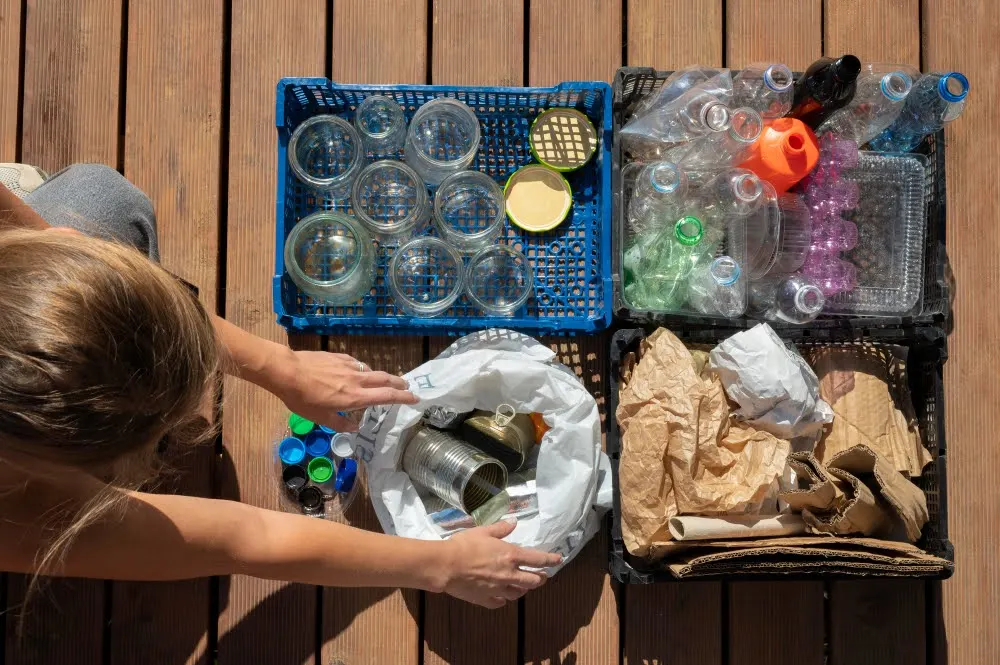
Start with basic waste segregation at home. Use clear bins for each material type. Follow the recycling sorting rules set by your area. Good source separation improves material classification and avoids rejected loads later.
Step 2: Clean Your Recyclables Before Disposal
I have seen loads rejected due to food residue. Rinse recyclables before placing them in bins. Follow clean recycling rules for better results. This step supports contamination control and proper residue removal during processing.
Step 3: Flatten Cardboard Boxes
Large boxes take up too much space in bins. Flatten cardboard recycling items before disposal. This improves packaging waste handling at collection points. Volume reduction helps trucks move more material with better logistics efficiency.
Step 4: Follow Local Recycling Guidelines
Every area has different local recycling rules. Always check your municipal recycling program details. Waste policy compliance ensures proper handling. Good recycling infrastructure works better when people follow simple rules, especially when large-scale sorting or clearing is needed through hoarder clean out to ensure materials are properly managed before recycling.
Do’s and Don’ts of Recycling (Avoid Costly Mistakes)
You need real recycling do’s and don’ts to save your bin. Wish cycling is a big problem. That is when you hope something gets recycled. Hope does not work here. I see the same errors every week at the sorting center.
Do’s of Recycling
Rinse your jars and bottles clean. Flatten every cardboard box you throw out. Keep paper dry until collection day. Check your local rules once per month. These small steps cut contamination recycling rates by a lot.
Don’ts of Recycling
Never put plastic bags in your curbside bin. They break the sorting machines. No food scraps or greasy boxes ever. Do not toss in old wires or hoses. Those tangle everything up. When you feel unsure leave the item out. One bad item can trash a whole truck load.
Items You Can Recycle and Items You Can’t (Complete List)
Knowing what can and cannot be recycled saves you from guilt. I watch people toss the wrong stuff every day. Here is the short list from my years on the sorting line.
Items You Can Recycle
Clean paper and office waste go in. Glass bottles and jars are fine. Aluminum cans work great every time. Plastics with numbers 1 or 2 are good. Flatten them first to save space.
Items You Can’t Recycle (Curbside Systems)
Greasy pizza boxes belong in the trash. Plastic bags never go in your curbside bin. Electronics need a special drop-off spot. Medical waste is a hard no. Also, no wires, hoses, or clothes. These items jam the machines and ruin good batches. That costs real money to fix.
Why Recycling Rules Matter (Environmental & Economic Impact)
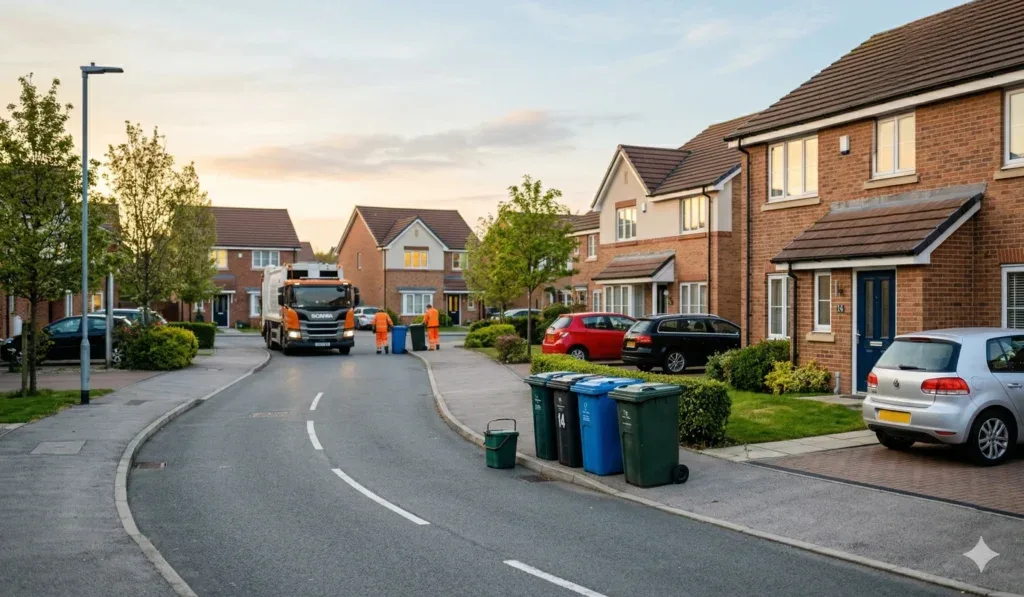
Following the importance of recycling rules cuts pollution fast. Dirty batches go straight to the landfill. Clean ones become new products. That saves 95 percent energy for aluminum. Less trash in the ground means less methane gas. The circular economy only works when we sort it right. Your small effort keeps materials in use, not in the dump.
Recycling Tips You Can Use Today: Practical Actions
I have used simple recycling tips at home and work. These eco-friendly habits make daily waste easier to handle. They support sustainable living tips and reduce mistakes in sorting. Small actions build a zero-waste lifestyle over time and help with real environmental conservation, and for larger unwanted items or bulk disposal needs, furniture removal services can support proper handling and responsible removal.
- Clean items before recycling
- Sort waste into simple bins
- Avoid mixing wet waste
- Flatten all cardboard boxes
- Check local recycling rules
- Use reusable bags daily
- Reduce single-use plastics
Recycling at Home: Small Changes That Create Big Impact
You want real home recycling tips that work. I have tested these in my own kitchen. They take almost no extra time. Here is what actually moves the needle.
Change Your Bin Setup
Put a small recycling bin right next to your trash can. That stops lazy tosses. Keep a bag for flattened cardboard near the back door. Empty and rinse jars while you cook. Do not let dirty items sit overnight. That smell tells you something went wrong.
Change Your Daily Habits
Check every lid before you throw it away. Remove plastic windows from paper envelopes. Tear off the greasy parts from the clean cardboard. Set a weekly reminder to review your town rules. These small tweaks cut your household waste reduction by half. I promise it gets easier after the first week.
The Future of Recycling: Basics, Innovation, and Technology
I have visited modern plants that show the future of recycling. New systems improve waste management innovation in real time. Recycling technology is growing fast with better sorting and recovery. The future of recycling focuses on cleaner systems and smarter tools. It supports a stronger circular economy innovation for all communities, and practical solutions like dumpster rental services also play a role in managing large-scale waste efficiently before it enters recycling systems.
Key Changes Shaping Recycling
- AI sorting plants improve accuracy
- Smart waste sorting reduces errors
- Biodegradable materials replace plastics
- Advanced recycling tech boosts recovery
- Robots handle mixed waste faster
- Energy-saving systems cut costs
- Better design reduces landfill waste
Recycling Basics Are Your Superpower Mindset Shift
I have seen how the importance of recycling awareness changes daily habits. People become more careful with waste and act with environmental responsibility. Small choices build sustainable behavior over time. A simple mindset shift leads to eco conscious lifestyle in homes and communities. Recycling basics give real control over waste and support a cleaner future for everyone.
Conclusion
You now have the real recycling basics summary from someone who has done this work. Clean items matter. Local rules matter. That greasy pizza box belongs in the trash, not the bin. These small actions keep whole truckloads out of the landfill. One person following the rules saves tons of material over a year. That is not a guess. That is what I have seen on the floor.
So start recycling today, the right way. Rinse your jars. Flatten your boxes. Check your town website once a month. Future recycling systems will get smarter, but they still need your help. Clean loads become new products. Dirty loads become problems. You can make the first choice happen. Grab that second bin and get going, and when extra waste builds up, Florida Junk People LLC can help support proper removal and keep your recycling process clean and efficient.
FAQS
You take a bottle and make it into another bottle. Not trash.
Paper from your office. Glass jars from pasta sauce. Metal cans from soda. Some plastics.
Plastic bags get stuck in machines. Dirty pizza boxes, too. Also, no broken toys or old shoes.
Just rinse stuff out. Nobody wants your peanut butter jar ruining the whole load.
Those little arrows with a number inside. 1 and 2 are good. The rest probably go to the trash.