
Many homes contain dangerous items that owners forget about for years. Old paint cans sit in garages. Weed killers stay on shed shelves. Strong cleaners remain under kitchen sinks. Used motor fluids often collect in storage areas. These products may seem harmless at first. The problem starts when containers leak, crack, or expire. At that point, they can create health risks, fire hazards, and damage to nearby soil or water. Proper toxic waste disposal helps reduce these risks before they become serious problems.
A family cleaning out a basement may discover several old chemical products with faded labels and unknown contents. Throwing them into a regular trash can creates safety concerns. Many of these items fall under household hazardous waste and require special handling. This guide explains how to identify risky materials, avoid common mistakes, and follow safe hazardous waste disposal practices. With the right steps, homeowners can protect their property and handle unwanted products with greater confidence.
The Hidden Hazard Map Inside Your Home
Many homeowners focus on getting rid of waste but overlook where risky items are stored. Harmful products often sit in everyday spaces for years without attention. During large property cleanups, including a hoarder clean out service, hidden chemicals and forgotten hazardous products are often discovered in storage areas. Understanding where these materials are found is the first step toward safer storage and handling of household chemicals and other forms of toxic household waste.

Kitchen
The kitchen often contains more risky products than people expect. Drain openers, spray cans, and strong cleaners are common examples. A homeowner clearing a cabinet may find an old aerosol can leaking near food containers. Even small spills can create indoor air concerns and increase the chance of accidental exposure.
Garage
Many garages store vehicle fluids that require careful handling. Motor oil, gasoline, and antifreeze can remain on shelves long after their intended use. Such leaks can create safety issues and attract curious pets. During a construction debris removal service, contractors also frequently uncover leftover chemicals and automotive fluids that require separate hazardous waste handling.
Backyard Shed
Garden products often stay in sheds through several seasons. Lawn treatments, insect sprays, and weed control products may lose labels over time. A property owner preparing for a move might discover half-used containers stored for years. Without clear identification, these materials become harder to manage safely and responsibly. While clearing outdoor clutter or yard debris removal, homeowners should also inspect stored chemicals that may require special disposal.
Laundry Room
Laundry spaces often contain strong products that need proper storage. Bleach stain removers and cleaning solvents can react with other substances if mixed. A family organizing shelves may place different cleaners together without realizing the risk. Improper storage increases the chance of fume spills and accidental contact.
Bathroom
Bathrooms can collect old products that people forget to check. Expired medications, chemical treatments, and personal care items may remain in cabinets for years. During a renovation project, many homeowners uncover outdated products hidden behind drawers. Some items require special handling to prevent health risks and protect local water systems.
Why Common Household Products Become Hazardous
Many products become more dangerous as they age. Containers can crack from heat or moisture. Labels may fade and make the contents hard to identify. Some substances break down over time and become unstable. This is why household hazardous waste often creates concerns long after a product is first purchased. A sealed container from years ago may no longer be safe today.
A homeowner cleaning a garage may find an old paint thinner can with rust around the lid. What once seemed safe now presents a greater chance of leaks and harmful exposure. Good chemical storage safety helps reduce these risks before problems develop. Expired products, damaged packaging, and unknown liquids should never be ignored because their condition can change without warning.
Red Flags That Signal Immediate Disposal Is Needed
Not all dangerous products announce a problem right away. A quick inspection of storage areas can help homeowners spot warning signs before a leak or accident occurs. The following issues often indicate that an item needs prompt attention and proper hazardous materials disposal to reduce safety risks and support responsible toxic waste management.
Strange Odors
A strong chemical smell often signals that a product is breaking down or leaking. Even if the container looks intact, the contents may no longer be stable. A homeowner searching through a garage cabinet may notice a sharp odor coming from an old solvent bottle. That smell can indicate a problem that should not be ignored.
Corroded Containers
Rust stains damaged lids, and metal corrosion can weaken a container over time. Once the surface begins to break down, leaks become more likely. During a spring cleanup, a homeowner may find a rusted paint thinner can with visible corrosion around the rim. Such containers require careful handling and prompt removal.
Leaking Products
Any sign of liquid outside a container deserves immediate attention. Small leaks can spread across shelves, floors, or nearby storage items. A common situation involves an old bottle of automotive fluid slowly dripping onto concrete. What starts as a small stain can become a larger safety concern if left untreated.
Unreadable Labels
Products without clear labels create uncertainty and risk. If the contents cannot be identified, safe handling becomes more difficult. A homeowner clearing a shed may discover several faded containers with missing labels. Without knowing what is inside, it is best to treat the material with caution and seek proper disposal guidance.
Swollen Containers
Bulging containers may indicate pressure buildup inside. This can happen when products age or react to heat. A plastic bottle stored in a hot garage may expand noticeably during the summer months. Changes in shape often signal that the contents are no longer in a stable condition.
Crystallized Chemicals
Some substances form crystals as they age. These deposits can appear around lid openings or container edges. A homeowner inspecting an old cleaner may notice white crystals near the cap. Visible buildup often suggests that the product has changed and should be evaluated before any handling.
Unknown Liquids
Unmarked liquids should always be treated with care. Their contents and potential risks are impossible to confirm without proper identification. During a home sale preparation project, a family may uncover several mystery containers left by a previous owner. When the source is unknown, professional guidance is often the safest option.
Dangerous Toxic Waste Disposal Mistakes Homeowners Make
Many homeowners think small disposal choices do not matter. The truth is different. Simple actions with chemicals can create serious risks in homes and neighborhoods. Mistakes in handling chemical products often lead to accidents that are hard to reverse. Understanding safe chemical disposal helps prevent harm and keeps living spaces more secure for everyone.
Pouring Chemicals Down Drains
Some people pour leftover cleaners or paint liquids into sinks. This can damage pipes and affect water systems. A homeowner once rinsed old paint thinner down a drain during cleanup. The smell spread through the house and caused irritation. Such actions may lead to environmental contamination through wastewater lines.
Mixing Different Chemicals
Combining leftover products is a common but risky habit. Even small amounts can react in unsafe ways. A garage cleanup once involved mixing two cleaning liquids in one container. The reaction created strong fumes that forced evacuation. Keeping products separate is a basic step in safe chemical handling.
Burning Waste
Burning household products may seem like a quick solution. In reality, it releases harmful fumes into the air. A backyard burn pile once included old paint cans. Thick smoke affected nearby homes and caused breathing discomfort. This method increases air pollution and should always be avoided.
Dumping Waste Outdoors
Throwing chemicals on soil or open ground creates long-term damage. Rain can carry these substances into nearby water sources. A homeowner once poured old pesticide behind a shed. Weeks later, plants in that area began to die. This shows how outdoor dumping can harm land and water systems.
Using Regular Trash Bins
Placing hazardous items in normal bins puts waste workers at risk. Containers can break during collection and leak harmful liquids. A cracked bottle of cleaning solvent was once spilled inside a garbage truck. This created safety issues for workers and required special cleanup procedures.
Storing Waste Indefinitely
Keeping old chemicals for years increases the risk over time. Containers weaken, and labels fade, making identification harder. A basement storage box once held forgotten products for over a decade. Some bottles began to leak without warning. Delayed disposal often turns simple storage into a safety concern.
The Toxic Waste Decision Tree: Keep, Recycle, or Dispose
When dealing with old chemicals, many homeowners feel unsure about the right step. Some items still look usable while others appear risky. The right choice depends on the condition, safety, and proper handling rules. This simple guide helps you sort items in a clear way so toxic waste disposal becomes less confusing and more practical for everyday home cleanup situations.
Making the wrong choice can lead to unsafe storage or poor toxic waste recycling decisions. A quick check of the condition and use can prevent accidents. Now answer each question below with care. Each step helps you decide if the item stays in use, goes for recycling, or needs safe disposal through proper systems designed for household safety.
Is it still usable?
Check if the product still works as intended. If it smells normal and looks stable, it may still be usable. If not, it should move toward disposal.
Is the container damaged?
Look for cracks, leaks, or rust. A damaged container often means the item is unsafe and should not be stored further.
Can it be recycled?
Some packaging, like clean metal or plastic containers, may be accepted in recycling programs. Always confirm local rules before placing items in recycling streams.
Does it require hazardous waste collection?
Items like pesticides, strong cleaners, or fuel products often need special collection points. These should not go into normal waste systems.
Does it need professional disposal?
Unknown chemicals or highly unstable products may require expert handling. When in doubt, trained services provide the safest route for removal.
Understanding the Four Categories of Household Toxic Waste
Many household items fall into groups based on risk type and handling needs. Knowing these groups helps homeowners manage disposal safely and avoid common mistakes during cleanup or storage.
Flammable Waste
Flammable items can catch fire easily. These include gasoline, paint thinner, and some aerosols. A homeowner once stored a leaking fuel can near a water heater. The smell of fumes later caused alarm and showed why careful storage matters.
Corrosive Waste
Corrosive products can damage surfaces and skin. Strong cleaners and drain liquids often fall in this group. A bathroom shelf once showed bottle damage that started eating through plastic. This shows how quickly materials can break down when not handled properly.
Reactive Waste
Reactive materials can change or explode when mixed or exposed to heat. Some pool chemicals and industrial cleaners behave this way. A garage incident once involved two stored powders that created heat when spilled together. Separation is important for safety.
Toxic Waste
Toxic items can harm health even in small amounts. Pesticides and certain cleaners are common examples. A basement cleanup revealed old pesticide bottles that had leaked slightly over time. This highlights the need for careful handling and proper disposal methods.
Household Toxic Waste Impacts Your Family and Property
Old chemicals and unused products do more than take up space. They slowly create risks inside and outside the home. Many homeowners do not notice the harm until damage appears. Careful toxic waste removal helps reduce long-term danger and keeps both people and property safe from hidden threats.
Health Risks
Exposure to old cleaners or pesticides can affect breathing and skin. A homeowner once cleaned a garage without gloves and felt irritation within minutes. Even small contact can cause discomfort when chemicals break down over time.
Fire Risks
Some household chemicals can catch fire if stored poorly. A can of paint thinner left near heat once caused a small flash fire in a storage room. Proper storage helps reduce sudden ignition risks.
Pet Safety Concerns
Pets may explore storage areas and accidentally contact harmful substances. A dog once chewed a leaking bottle cap and became sick shortly after. This shows how unsafe storage can quickly affect animals in the home.
Indoor Air Quality
Fumes from stored chemicals can slowly spread through rooms. A basement with leaking solvent containers once caused a strong smell in upper floors. Poor air conditions often come from unnoticed leaks or vapor release.
Soil Contamination
Dumped or leaking chemicals can enter soil over time. A backyard area once showed dead grass where old fluid was poured. This type of environmental contamination can damage plants and long-term soil health.
Water Pollution
Chemicals that reach drains or groundwater can affect nearby water sources. A homeowner once washed pesticide residue outdoors, which later affected a small garden well. Safe handling helps prevent water-related harm in the local surroundings.
What Local Disposal Facilities Wish Every Homeowner Knew
Many homeowners arrive at a hazardous waste facility without proper preparation. Staff often see items in mixed containers or with missing labels. These small mistakes slow down the process and increase safety risks. Proper handling before arrival makes hazardous waste collection faster and safer for everyone involved at the site.
Clear labeling and correct storage matter more than most people realize. A homeowner once brought several unmarked bottles in a box, which delayed acceptance until sorting was done. Keeping products in original containers helps staff identify risks quickly. Transportation also matters because leaking containers can spill during travel and create avoidable hazards.
Why materials should remain in original containers
Original containers help identify chemical type and safety level. Mixing products into new bottles can confuse staff and create handling risks during disposal.
Why labels matter
Labels give clear instructions about contents. A faded label once caused a delay at a facility because staff had to test the liquid before accepting it.
Transportation Mistakes
Transporting chemicals without care can create spills and leaks. Even small movements in a vehicle can cause containers to tip. These mistakes often turn a simple drop-off into a safety issue during travel. Homeowners arranging furniture removal nearby should also avoid placing hazardous chemicals alongside household furniture during transport, as leaks can contaminate other items.
- Loose containers may fall or break in transit
- Open lids can cause leaks inside vehicles
- Sharp turns can spill liquids in trunks
- Poor packing increases accident risk during transport
Collection day preparation
Sorting items before arrival helps speed up processing. Families who pre-check their waste often complete drop-off in less time.
Disposal Center Requirements
Every disposal center follows strict rules to manage safety and flow. Some materials need approval or special handling before they can be accepted.
- Certain items require pre-approval before drop-off
- Some chemicals need separate handling zones
- Restricted materials may not be accepted at all
- Following the rules ensures safe and smooth processing
Seasonal Toxic Waste Cleanouts: The Best Time to Act
Seasonal cleaning helps homeowners control old chemicals before they become risky. Many people forget stored products until problems appear. A simple routine for toxic waste management in each season reduces buildup and improves overall home safety. It also helps keep storage areas organized and easier to manage.
In spring, a homeowner often finds forgotten paint cans in the garage. Summer brings shed checks where pesticides and sprays may sit unused. Fall is a good time to review cleaning chemicals and discard old items. Winter storage safety becomes important when cold temperatures affect container stability. Regular checks improve chemical storage safety and prevent leaks or damage over time.
Spring Garage Cleanup
Garages often hide old fluids and paint products. Spring cleaning helps spot leaks, rusted cans, and expired items before they cause problems.
Summer Shed Inspection
Warm weather reveals damaged garden chemicals. A homeowner once found a cracked pesticide bottle after months of heat exposure in a shed.
Fall Chemical Review
Fall is ideal for sorting cleaning products. Many families discard half-used liquids before winter storage begins.
Winter Storage Safety
Cold temperatures can weaken containers. Frozen liquids may expand and cause cracks, leading to slow leaks in storage areas.
Safe Storage Habits That Prevent Future Disposal Problems
Good storage habits reduce risk and make future cleanup easier. Many homeowners end up with unused products that turn into household hazardous waste over time. Simple choices at the time of purchase and storage can prevent leaks, damage, and confusion later. These habits also support better chemical storage safety in daily home life.
- Buy Smaller Quantities
Smaller amounts reduce long-term waste. A homeowner once bought large cleaners and used only half. The rest expired and became unsafe to keep. - Label Everything
Clear labels help identify contents later. A faded bottle once caused confusion during a garage cleanup and delayed disposal decisions. - Store Chemicals Properly
Keep products in cool, dry spaces away from sunlight. Heat once caused a sealed container to swell and leak in storage. - Keep Products Sealed
Tight lids prevent evaporation and spills. A loosely closed paint can once dried out become unusable. - Rotate Older Products First
Use older items before new ones. This avoids the buildup of expired materials in storage areas. - Avoid Stockpiling
Buying more than needed increases clutter. Many unused products later require special handling during cleanup and disposal.
When Hazardous Waste Removal Is the Smarter Choice
Some situations are too risky for home handling. Large amounts of old chemicals or unknown substances can create danger during cleanup. In these cases, toxic waste removal is often the safest option. Many homeowners try to sort items themselves but end up facing leaks, fumes, or confusion that makes the process harder. If bulky household items also need to be cleared, combining the project with a furniture removal service can make the cleanup more organized while keeping hazardous materials separated for proper disposal.
A homeowner once tried to clean a garage full of mixed cleaning products. One container started leaking and caused strong fumes in the room. Professional help would have reduced the risk. Hazardous waste disposal services are designed for such cases. They handle contaminated areas, commercial-grade products, and emergency cleanouts with proper tools and safety steps.
When homeowners should stop handling materials themselves
Stop handling when containers leak or contents are unknown. Also, step back when chemical odors are strong or when storage areas are heavily contaminated. Professional support reduces exposure risks.
Large chemical quantities
Big volumes increase the danger during movement and sorting. Experts manage bulk materials safely without spreading spills or fumes.
Unknown substances
Unlabeled liquids or powders should never be mixed or tested at home. Identification requires controlled handling.
Contaminated areas
Spills that spread across floors or soil need trained cleanup to prevent further damage.
Commercial-grade chemicals
Stronger products used in workshops or industries often require special treatment and cannot be handled like household items.
Emergency situations
If fumes leak or reactions occur suddenly, immediate professional response is the safest choice to protect health and property.
Building a Safer Home Through Waste Management
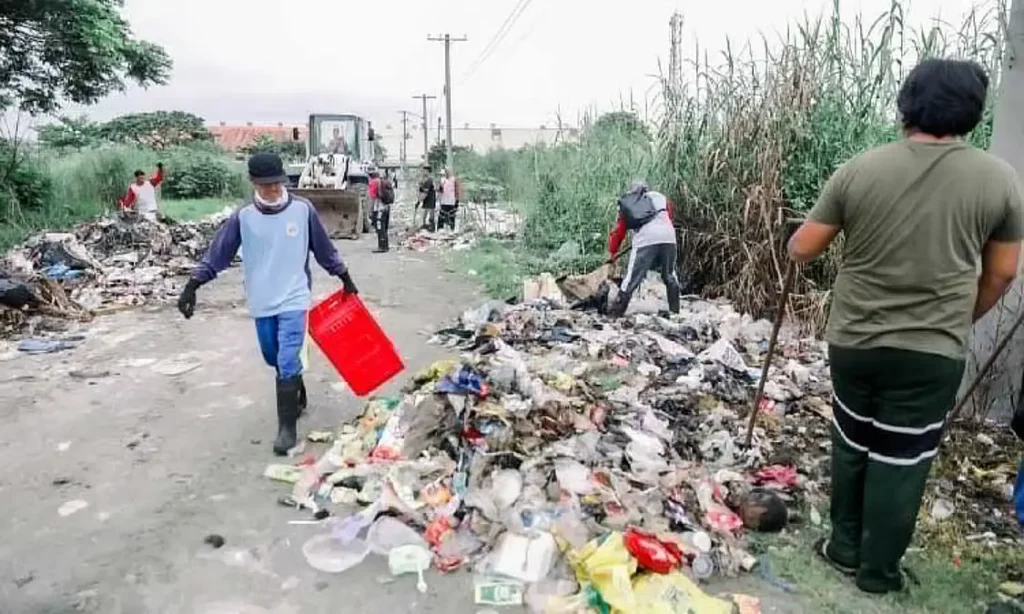
A safer home starts before waste appears. Many homeowners focus on toxic waste disposal only when storage becomes full or unsafe. A better approach is prevention through careful buying and safe storage habits. This reduces risks and helps keep living spaces clean and stable over time without constant cleanup pressure.
A family once reduced chemical clutter by buying only what they needed each season. Their storage space stayed organized and safe. Following waste disposal regulations also helps avoid legal and safety issues. Simple choices like reducing chemical use and storing items properly protect both the home and the environment in the long run.
Prevention Over Disposal
Prevention means reducing waste before it starts. Many homeowners buy extra cleaners and forget them in storage. Over time, these items expire and become risky. A better habit is using only what is needed. This reduces the buildup of unused chemicals and lowers future safety concerns in storage areas at home.
Creating Safer Storage Habits
Safe storage helps prevent leaks and confusion. Keeping chemicals in sealed containers and cool, dry places improves safety. Clear labels also help during checks. A homeowner once stored bleach near fuel and later noticed strong fumes. Simple storage changes can prevent such risky situations in everyday home use. Before organizing outdoor storage areas, repairing damaged entrances by following a rusted gate removal guide can also improve safe access to sheds where hazardous materials are stored.
Reducing Chemical Purchases
Buying fewer products lowers the chance of waste. Many people purchase multiple cleaners for similar tasks and forget them over time. A family once found three half-used bottles of the same product during cleanup. Buying only essential items helps avoid clutter and reduces future disposal problems.
Protecting the Environment
Proper handling of chemicals keeps soil and water safe. When products leak into ground areas, they can damage plants and nearby water sources. A homeowner once poured leftover cleaner outside and later saw dead grass patches. Small actions at home can prevent long-term environmental harm in surrounding areas.
Long-Term Homeowner Responsibility
Home safety requires regular attention and care. Checking storage areas every few months helps spot leaks or expired items early. One homeowner discovered a leaking container during a seasonal cleanup. Ongoing responsibility helps keep homes safe and reduces risks linked to improper storage and waste buildup over time.
Final Thoughts
Awareness is the first step toward a safer home. Many risks begin with simple items stored without attention. Old cleaners, paints, and fuels can turn into household hazardous waste over time. When homeowners understand what they have, it becomes easier to manage storage and reduce danger in daily life. Junk People LLC plays an important role in helping communities identify and safely handle household hazardous waste, making proper disposal easier and reducing potential risks.
Small mistakes in toxic waste disposal can lead to bigger problems later. Safe storage habits and timely action help reduce risk before it grows. Responsible hazardous waste disposal protects both homes and local communities. When each homeowner takes care of their own space, the result is a safer environment for everyone around them.
FAQs
Toxic waste includes old cleaners, paints, pesticides, and fuel products. These items become risky when they expire or leak. Many homeowners discover them during garage or basement cleanouts.
No. Regular trash systems are not built for chemical safety. Improper disposal can lead to spills and fire risks during transport and handling.
Look for warning labels, strong odors, or corroded containers. Products used for cleaning, gardening, or car care often fall into this group.
Do not mix or test them at home. Store them safely and contact a local disposal service for guidance on safe handling.
Many community programs offer free collection days. These events allow a safe drop-off of harmful products without the risks of regular trash disposal.