

A messy yard can hide costly trouble. Old grass clippings and wet leaves may look harmless after mowing or fall cleanup. Yet they can hold water close to soil walls and outdoor wood. Over time Yard waste can damage your property by causing soft ground pests and blocked drains. A small pile near a fence can turn into a repair issue fast.
Many owners ignore green waste until stains, odors, or bugs appear. That delay can hurt curb appeal and raise buyer doubts during a showing. For example, wet leaf piles beside a garage can trap damp air and mark the trim. Smart yard cleanup keeps water moving and helps protect soil, plants, paths, and home edges before small signs become bigger concerns.
How Poor Yard Waste Management Creates Hidden Problems
Poor yard waste management can turn a neat yard into a slow risk. Wet leaves and old cut grass may seem minor at first. Yet organic matter can break down in bad spots and trap damp air. This is how Yard waste can damage your property before clear signs show up.
Rotting Piles Can Hold Too Much Moisture
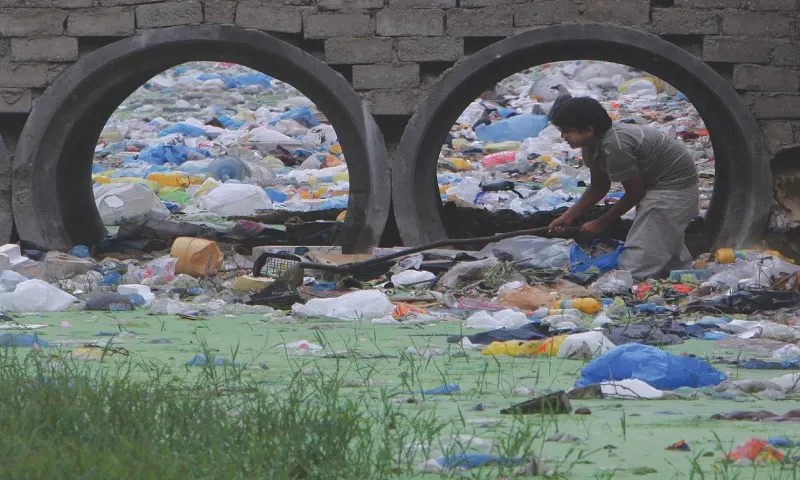
Rotting piles often sit in corners near fences or sheds. After rain, they stay wet for days. This damp layer can soften soil and stain outdoor wood. A seller may not notice it until buyers spot dark marks near a deck base.
Pests Can Move In Quietly
Pests like dark and damp yard spots. Old branches, leaves, and grass can give them shelter. Rats, ants, and termites may start outside, then move closer to the home. This can worry buyers because pest signs often mean more checks and possible repairs.
Organic Matter Can Block Yard Drainage
Loose organic matter can wash toward drains during storms. It may block water paths near patios or walkways. When water sits too long, soil can shift, and plants can weaken. A small blocked drain can later create a muddy low spot near the home.
How Yard Debris Piles Affect Soil And Drainage
Yard debris piles can block water flow after rain. Wet leaves and grass can press down the soil. That weakens drainage near walkways, patios, and home edges. Over time Yard waste can damage your property through soft soil and muddy low spots. Buyers may see these areas and worry about poor yard care.
Rotting debris can also change soil pH in one spot. Thick organic waste may lead to soil contamination when dirty water spreads. Runoff can carry this waste toward drain beds or paved areas. For example, a leaf pile beside a shed can leave sour soil and standing water after storms.
Moisture Buildup From Green Waste Near Your Home
Green waste can hold water close to walls, steps, and trim. Wet leaves and cut grass often stay damp after rain. This can lead to moisture buildup around wood and soil. Over time Yard waste can damage your property through mold stains and soft ground near the home. For larger cleanup needs, dumpster rental services can help manage and remove waste efficiently.
This risk grows when piles sit beside decks, sheds, or the base wall. For example, wet grass left near siding can cause wood rot. It may also keep soil damp near the base. That can raise concern about foundation damage during a home check or buyer walk-through.
How Decomposition Leads To Leachate And Soil Issues
Decomposition starts when leaves, grass, and plant waste break down in wet piles. This process can release dark liquid called leachate. Without proper organic waste management, this liquid may seep into the soil. Over time Yard waste can damage your property by changing soil quality and hurting nearby plants.
Leachate pollution can spread after heavy rain. It may move through low soil and reach groundwater in some cases. For example, a rotting pile behind a shed can leave sour, wet soil. Buyers may notice weak grass stains or odor and question how well the yard has been cared for.
Pests That Grow Around Rotting Yard Waste
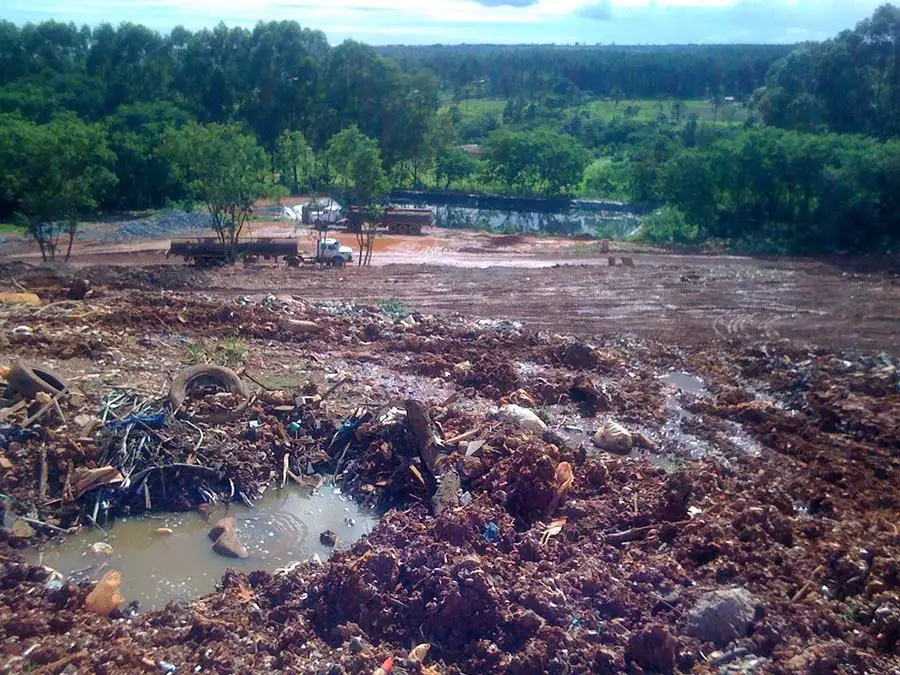
Rotting piles create dark, damp spots where pests can hide and breed. Old leaves, grass, and small branches can draw rats, ants, and other insects. Over time Yard waste can damage your property when these pests move closer to decks, sheds, walls, or stored outdoor items.
Regular yard waste cleanup helps stop this issue before it spreads. Termites may start in damp wood scraps or brush near a fence. For example, a pile behind a garage can hide rat activity for weeks. Buyers may see droppings or chew marks and worry about deeper problems.
How Yard Waste Damages Your Property Through Runoff
Runoff can turn loose yard debris into a bigger yard problem. After rain leaves, grass and soil can move across paths, drains, and low spots. Yard waste can damage your property when it traps water and leaves muddy marks. Buyers may see these signs and question past yard care. For heavy cleanup or disposal needs, furniture removal services can help manage unwanted items and keep the property clear.
Step 1: Clear Loose Debris Before Rain
Remove leaves, grass piles, and small sticks before storms arrive. Loose waste can move fast once water flows. For example, a pile near a low patio can spread green stains after rain. This small task helps reduce polluted runoff and keeps outdoor areas cleaner.
Step 2: Check Drains And Low Yard Spots
Look at the drains, beds, walkways, and patio edges after rain. These areas often collect wet debris first. When water sits too long, it can lead to odor and weak soil. Clear these spots early so water can move away from the home.
Step 3: Keep Grass Piles Away From Wet Areas
Fresh grass may seem harmless after mowing. Yet thick piles can feed algal growth when water collects nearby. This can leave green stains and bad smells. Move grass clippings to a proper compost spot or bag them when they are too heavy.
Step 4: Watch Nutrient Buildup Near Plants
Plant waste can help the soil in small amounts. Too much waste can upset nutrient cycling in one place. This may weaken grass or garden beds. A seller may notice patchy growth near a fence before buyers visit. Clean runoff paths help reduce that concern.
Foundation And Structural Risks From Yard Waste
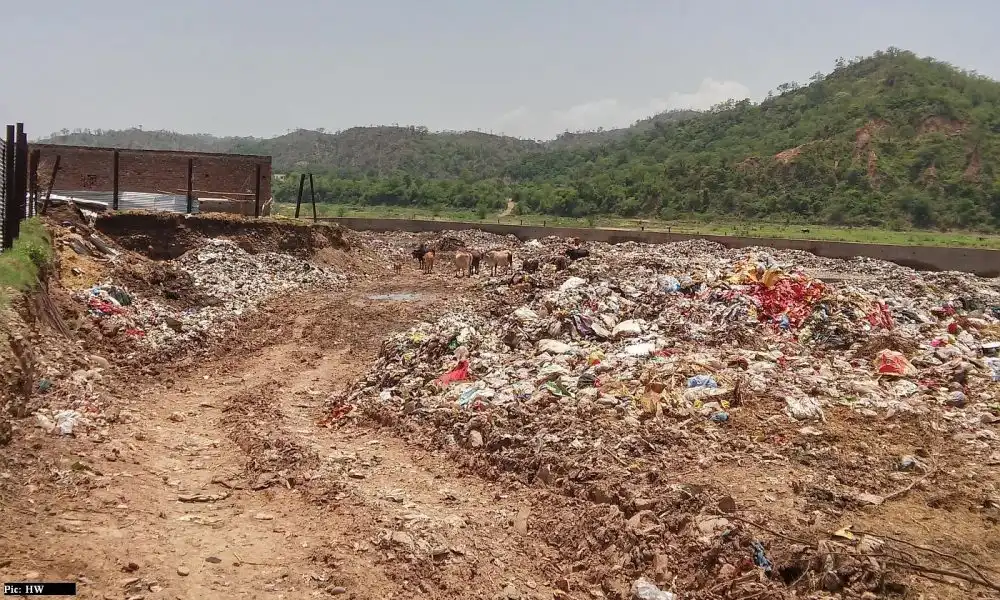
Yard waste near the home can trap damp soil against walls and wood. Over time Yard waste can damage your property through slow decay and hidden stress. This risk feels small at first. Yet a wet leaf pile near the base of the wall can raise buyer concerns during a walk-through. For proper disposal and cleanup support, yard waste removal services can help keep the area clean and well maintained.
Property damage from yard waste often starts where water cannot dry well. A seller may notice stains near the siding or soft soil by the steps. These signs can make buyers think about costly repairs. Now, let’s see the main risks that can grow from ignored outdoor waste.
- Foundation cracks can form when wet soil expands near the home base.
- Wood rot can start when damp leaves touch decks, steps, or trim.
- Structural damage can grow when water sits near support posts.
- Pest entry points can appear when rot weakens outdoor wood.
- Drainage stress can push water toward walls after heavy rain.
- Buyer doubt can rise when yard waste suggests poor home care.
Composting Yard Debris The Right Way
Composting yard debris can help your soil when done with care. Place compost piles away from walls, fences, and drains. Turn them often so air can move through the pile. When piles sit wet and packed Yard waste can damage your property through odor, pests, and soggy soil.
Grasscycling and mulching also work well when layers stay thin. Thick grass or leaf cover can block air and trap water. For example, a heavy mulch pile beside a deck can keep wood damp. Good compost habits turn green waste into soil, helping instead of a yard risk.
Yard Maintenance Tips To Prevent Waste Damage
Simple yard care can stop small outdoor issues from turning costly. Wet leaves, grass piles, and brush can hold water near key areas. Over time Yard waste can damage property through pests, soft soil, and poor drainage. A clean yard also helps buyers feel the home has been well cared for.
Good yard maintenance tips are easy to follow each week. Keep debris at least 10 feet from walls, decks, sheds, and drains. For example, a seller may clear the inside first. Yet a wet brush pile near the fence can still raise concern during a showing.
- Keep waste away from walls so damp soil can dry faster.
- Clear drains after storms to help water move the right way.
- Remove leaf piles weekly before they turn wet and heavy.
- Use brush removal early when limbs collect near fences or sheds.
- Leave space around decks to reduce wood rot risk.
- Check low yard spots where water and debris often collect.
- Bag heavy grass clippings when they begin to mat down.
- Plan yard cleanup before showings to protect curb appeal.
How To Remove Fall Leaves From Yard Debris
Fall leaves can mix with grass clippings and turn heavy after rain. Rake them before they pack down near drains, beds, or walls. This helps stop trapped water and sour soil. Yard waste can damage your property when wet leaf layers sit too long and hide early warning signs.
To remove fall leaves from the yard debris, sort loose leaves from sticks, weeds, and outdoor waste. Bag damp piles or move dry leaves to a managed compost area. For example, a seller may clear leaves from paths before photos. That small step can make the yard look cleaner and better cared for.
Responsible Yard Waste Disposal For A Cleaner Property
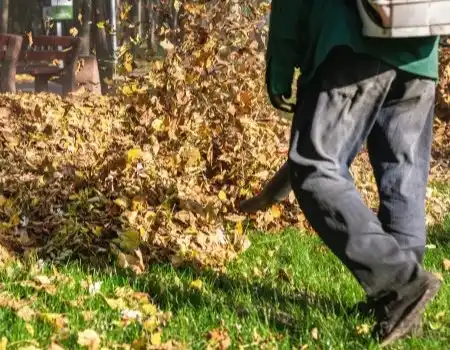
Responsible yard waste disposal keeps outdoor areas clean and easier to manage. Leaves, grass, and brush should not sit near walls, drains, or fences. Yard waste can damage your property when piles trap water and draw pests. Recycling yard waste helps reduce clutter while keeping useful organic matter out of problem spots.
Waste diversion strategies can also reduce what goes to landfills. Bag heavy debris, use local pickup or place clean material in compost areas. For example, a seller may clear brush before listing photos. That small step can make the yard look cared for and lower buyer concerns.
Yard Waste Removal When Cleanup Gets Too Large
Yard waste removal helps when outdoor debris becomes too heavy or spread out. Large tree limbs, brush, and packed leaves can block paths and drains. Yard waste can damage your property when these piles trap water or hide pests. A large cleanup may also feel hard to manage alone. For bigger outdoor projects, shed deck removal services can help clear unwanted structures efficiently.
Professional yard debris removal can save time before listing photos or buyer visits. Brush removal also helps open space around fences, sheds, and walkways. For example, a seller may clear rooms inside but leave storm limbs outside. That can make buyers worry about care and future yard repair costs.
Environmental Impact Of Yard Waste On Your Area
Yard waste can affect more than one home. Wet leaves, grass piles, and brush can move with rainwater. Over time Yard waste can damage your property and add stress to nearby soil drains and water paths. The environmental impact of yard waste often starts small but can spread fast. A real example is a leaf pile left near a street drain. After heavy rain, it can wash into the drain and cause polluted runoff. Buyers may notice clogged drains, odor, or standing water. These signs can make the whole area feel less cared for.
- Polluted runoff can carry grass leaves and soil into drains.
- Groundwater risk may rise when dirty liquid seeps into soil.
- Methane gas can form when yard waste breaks down in landfills.
- Drain blocks can cause water to pool on streets or yards.
- Soil stress can appear when rotting waste changes the soil balance.
- Bad odor can spread from wet piles near shared fences.
- Pest movement can affect nearby yards and outdoor storage areas.
- Lower curb appeal can make a street look poorly maintained.
Final Thoughts On How Yard Waste Can Damage Your Property
Yard waste may look harmless at first. Yet wet leaves, grass piles, and brush can create real yard issues. Yard waste can damage your property when it traps water, blocks drains, or draws pests. A simple pile near a deck can lead to stains, soft soil, or buyer doubt during a showing.
Good yard waste management starts with steady checks. Yard waste monitoring helps you spot damp piles, blocked drains, and weak grass early. Regular yard cleanup also keeps outdoor spaces neat and easier to sell. For example, clearing leaves before photos can make the whole property feel cleaner and better cared for. Junk People LLC.
FAQS
Yard waste can damage your property when wet piles trap water near walls. This can affect drainage and draw pests close to your home.
Yard waste cleanup keeps leaves, grass, and brush from sitting too long. It helps reduce moisture pests and blocked drainage around outdoor spaces.
Compost piles can help soil when managed well. Yet piles placed near walls or drains can hold water and create odor or pests.
Yes. Leaves, grass, and loose debris can block drainage paths after rain. This may create muddy spots and standing water near your home.
Rats, ants, termites, and bugs can hide in damp yard piles. Regular cleanup helps remove shelter before pests move closer to structures.