
An old refrigerator, washer, dryer, or oven is not something you can set beside the trash bin and forget. These units are heavy, awkward to move, and often contain materials that need careful handling. Understanding the available appliance disposal methods before you act saves time, effort, and a lot of frustration.
Choosing the wrong route can lead to safety risks, refused pickups, extra trips, environmental harm, or violations of local disposal rules. The main options include recycling, donation, retailer programs, local collection, and professional removal, and each fits a different situation. Before choosing one, it helps to look closely at the appliance itself.
Assess Your Old Appliance Before Choosing Disposal
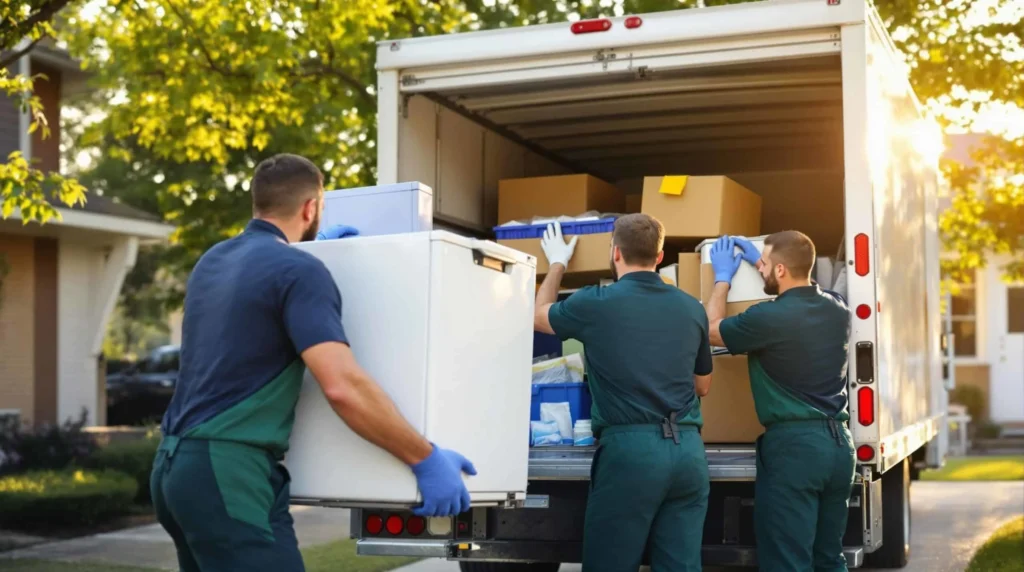
The best route for old appliance disposal depends on what you are dealing with. Start with working status. A unit that still runs well may be a good candidate for donation or resale, while one that is broken, leaking, or heavily rusted usually belongs with a recycler or a removal provider.
Size and weight matter just as much. A compact microwave can often ride in a car trunk, but a side-by-side refrigerator or a stacked washer and dryer set usually needs two people, a dolly, and a truck. Age and material also play a role. Older units may contain components that need specialized handling, and most appliances contain a large share of steel, copper, and aluminum that recyclers value.
Finally, think about where the appliance sits. A freestanding unit in a garage is a very different job from a built-in model in a finished kitchen. Weighing condition, size, materials, age, and location together makes appliance removal and household appliance disposal much easier to plan, because you can tell quickly whether the item is headed for reuse, recycling, or hauling.
Follow the Right Steps for Appliance Disposal Safely
Safe appliance disposal works best as a sequence rather than a single decision. Each step below builds on the one before it. Following them in order helps you avoid surprises on pickup day and supports responsible appliance disposal from start to finish.
Confirm Whether the Appliance Needs Special Handling
Refrigerators, freezers, and air conditioners contain refrigerants that must be recovered by qualified handlers, and some appliances include electrical components or fuel connections that call for extra care. Knowing this early keeps you from choosing a route that cannot legally or safely accept the unit.
Check Local Disposal and Collection Requirements
Municipal programs, landfill rules, and recycling facility policies differ from place to place. Some areas offer scheduled bulk collection, while others require an appointment, a fee, or proof of residency. A quick call or visit to your local solid waste office tells you what is actually available.
Prepare the Appliance Before It Leaves the Home
Empty the contents, remove shelves and loose parts if instructed, and wipe down accessible areas so nothing spills or spoils during the move. Secure or remove doors as advised by the manufacturer or service provider, and tape cords and hoses in place so they do not drag or snag.
Disconnect Utilities Before Moving the Appliance
Unplug electric units, turn off water supply lines to washers and dishwashers, and drain remaining water. Gas ovens and dryers should be disconnected by a qualified professional, since a poorly capped gas line is a real hazard. Disconnecting everything first protects both the movers and your home.
Choose Recycling, Donation, Pickup, or Removal
Match the appliance to the route. Working, clean units may suit donation, scrap-value units suit recycling, and large or difficult units often suit pickup or professional removal. If you are buying a replacement, ask the seller about haul-away options as well.
Arrange Safe Transportation or Appliance Pickup
Moving a small appliance yourself is reasonable if you have the right vehicle and help. Anything large, heavy, or located upstairs is better left to appliance pickup services that bring the equipment and trained crews to move it without injury or damage.
Confirm Final Disposal or Recycling
Ask the provider where the appliance goes and whether it will be reused, recycled, or disposed of. It also helps to understand junk after removal, since sorting and recycling practices vary between providers. A reliable company will answer these questions plainly.
Match Each Appliance With the Right Disposal Route
Not every appliance follows the same rules. A refrigerator and a microwave share almost nothing in terms of weight, hazards, or accepted drop-off locations. Treating them the same is a common reason pickups fail, or items get turned away.
The breakdown below covers the most common household units. Use it to find the preparation steps and disposal considerations that fit the specific appliance you need to remove.
Handle Refrigerators With Extra Disposal Care
Refrigerator disposal requires attention to refrigerant, so working and non-working units alike should go to a recycler or removal provider that can recover it properly. A working fridge in good condition may be accepted for donation, but a broken one should never be dumped or left outside. Many of the fridge removal challenges come from weight, door size, and tight kitchen layouts, so plan the path out before moving day.
Plan for Washing Machine and Dryer Removal
Washing machine disposal and dryer disposal are mostly about bulk. Both are heavy and awkward, and both need utilities disconnected first. Shut off and drain water lines for washers, unplug dryers, and have gas dryers disconnected by a professional. Use a dolly and extra hands, or book a crew, rather than risking a back injury on the stairs.
Prepare Dishwashers and Built-In Appliances
Dishwasher disposal is rarely as simple as pulling the unit out. Built-in models are tied into cabinetry, plumbing, and electrical connections, so the water and power should be shut off before anything is detached. Plan for the time it takes to free the unit without damaging the surrounding cabinets or flooring.
Dispose of Ovens and Ranges Responsibly
Oven disposal depends on the power source. Electric ranges need to be unplugged or have their circuit shut off, while gas ranges require the gas line to be closed and capped properly, ideally by a licensed professional. Once disconnected, these steel-heavy units are usually good candidates for scrap recycling.
Recycle or Remove Smaller Appliances Properly
Microwave disposal and other small appliance disposal should not be treated as ordinary curbside recycling. Many contain circuit boards or other electronic parts, so check whether a local recycling center, electronics drop-off, or retailer program accepts them. Do not assume the blue bin will take them.
Compare the Main Appliance Disposal Options Clearly
Once you know the appliance and its requirements, a side-by-side comparison makes the decision easier. The table below shows how donation, appliance recycling, retailer take-back, local collection, and professional removal differ in what they suit best and who handles the transportation.
| Disposal Option | Best For | Main Consideration | Transportation |
| Donation | Working appliances in usable condition | Acceptance requirements | Donation provider or homeowner |
| Appliance recycling | Appliances with recyclable materials | Facility requirements | Homeowner or recycling service |
| Retailer take-back | Replacement purchases | Program eligibility | Retailer may arrange it |
| Local collection | Eligible household appliances | Local scheduling rules | Collection provider |
| Professional removal | Large, heavy, or difficult appliances | Service availability | Removal provider |
Most households will find that one or two of these routes clearly fit. Appliance disposal services offer the most convenience, while donation and recycling often cost less but demand more effort from you. Pricing varies by appliance and location, so reviewing the appliance removal cost before you book helps you compare unwanted appliance removal against doing it yourself.
Prepare Appliances for Pickup Without Damage
A smooth pickup depends on preparation. Blocked hallways, unmeasured doorways, and missing details are the usual causes of delays and damaged floors. A little planning protects your home and the crew.
Walk through the entire route the appliance will take, from its current spot to the truck. Then share accurate details with the provider so the right people and equipment arrive. These two steps matter most for bulky appliance removal and appliance hauling.
Clear and Measure the Appliance Removal Path
Check doorways, hallways, stairs, elevators, and exterior access before moving a large appliance. Measure the appliance and each tight point along the route, and clear away rugs, furniture, and decor. Protect flooring and door frames where the unit will pass, and note any steps or ramps at the exit.
Confirm Pickup Requirements Before the Appointment
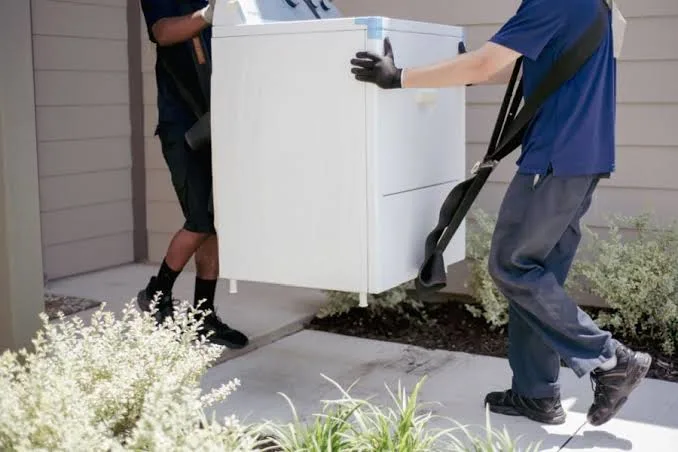
When you book appliance pickup services, tell the provider the appliance type, approximate dimensions, its location in the home, the number of stairs, and any access limits such as gated entries or building rules. Also confirm that the utilities are disconnected. Clear details prevent surprise fees and failed visits.
Know When Recycling Is Better Than Throwing Appliances Away
Recycling is often the most responsible choice because appliances are full of reusable material. Steel, copper, aluminum, and other metals can be recovered and put back into manufacturing, which keeps bulky items out of landfills. For a wider view of what can be recycled around the house, a recycling materials guide is a useful companion.
Appliance recycling is not the same as ordinary household recycling. Large units and electronics often need to go to appliance recycling centers or approved facilities, where refrigerants, electronic components, and other regulated parts are handled separately. This is also why electronic and appliance disposal should never be mixed in with your regular curbside bin.
Before you drop anything off, confirm what the facility accepts, whether it charges a fee, and whether it requires the appliance to be emptied and disconnected. Calling ahead takes a few minutes and can prevent a wasted trip with a heavy load.
Decide When Professional Appliance Removal Makes Sense
Doing it yourself is realistic for a small appliance and a short move. It becomes impractical when the item is heavy, access is difficult, or you have no way to transport it. In those cases, professional appliance disposal services simplify the job by handling the lifting, hauling, and final drop-off for you.
Professional appliance hauling also takes the disposal responsibility off your plate, since trained crews know how to move large appliance disposal jobs safely and where each type of unit should go. Consider calling a pro in these situations:
- The appliance is very heavy or oversized, such as a full-size refrigerator or double oven.
- You are removing several units at once during a remodel or cleanout.
- The appliance is on a second floor, in a basement, or reached by narrow stairs.
- You do not have a truck or enough help to move the item safely.
- The unit is a gas appliance that still needs to be disconnected.
- You want unwanted appliance removal handled in a single visit with no follow-up trips.
Avoid Common Mistakes During Appliance Disposal
Most disposal problems come from rushed decisions. Keeping this checklist in mind supports responsible appliance disposal and keeps old appliance disposal safer and more organized.
- Leaving an appliance at the curb without confirming that your local program allows it
- Lifting a heavy unit without help, a dolly, or proper technique
- Assuming every appliance can go in curbside recycling
- Abandoning an appliance in a yard, alley, or vacant lot, which can lead to fines and environmental harm
- Skipping utility disconnection before appliance removal
- Failing to measure doorways and stairs, then getting stuck mid-move
- Not telling the pickup provider about stairs, access limits, or appliance size.
Plan Responsible Disposal for Multiple Old Appliances
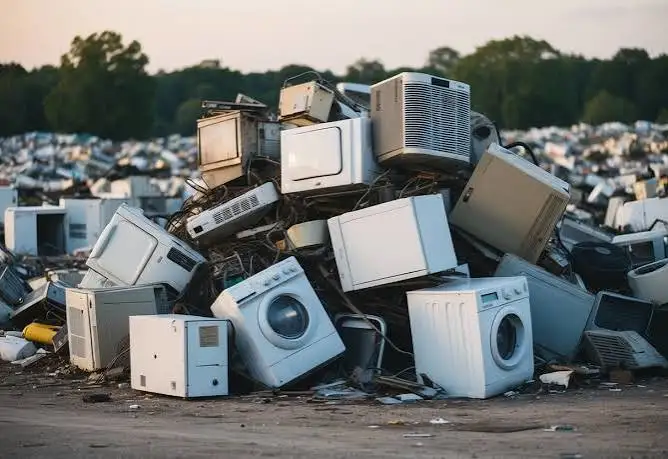
Remodels, moves, and full cleanouts often involve several appliances at once. In that case, start with an inventory. List each unit, its type, size, condition, and location, because that list tells you which items can be donated, which can be recycled, and which simply need hauling.
Then decide whether to use separate routes or one coordinated service. Sending a working washer to donation, a scrap range to a recycler, and a refrigerator to a specialized handler can work, but it means multiple schedules and trips. For large appliance disposal and bulky appliance removal, a single appliance hauling appointment is often more efficient. A short checklist helps: finish your inventory, confirm which utilities need disconnecting, clear every access path, measure the tightest points, and schedule everything within one window. Done this way, household appliance disposal stays organized and avoids unnecessary delays.
Final Thoughts on Choosing Appliance Disposal Methods
The right appliance disposal methods come down to the appliance’s condition, size, and handling needs. Working units may be reused through donation, material-rich units belong in recycling, eligible items may fit local collection, and heavy or complicated jobs are best left to professionals. Taking a few minutes to assess the appliance first makes every later decision easier and supports responsible appliance disposal.
When you are ready to move forward, arrange the recycling, pickup, hauling, or removal solution that matches your situation. If you would rather skip the heavy lifting, Junk People LLC can help you get that old appliance out of your home safely and responsibly.
Frequently Asked Questions About Appliance Disposal
Getting rid of an old appliance can involve more than simply placing it at the curb or taking it to a recycling facility. The right option depends on the appliance type, condition, size, local requirements, and available pickup services. These questions address common concerns about recycling, removal, transportation, and responsible disposal.
Reuse comes first, so donate or sell the appliance if it still works. If it does not, recycling through an approved facility or a removal provider that recycles is the next best choice, since it recovers metals and ensures refrigerants and other regulated parts are handled correctly.
Many can, but policies vary. Some facilities accept large units with a fee, while others limit the types they take or require them to be emptied and disconnected. Call ahead to confirm what is accepted and whether you need to bring the appliance yourself.
Unplug it, empty and clean the interior, and remove loose shelves or drawers as instructed. Secure the doors, clear the path to the exit, and measure the appliance and doorways. Mention the refrigerator when you book so the provider can plan for proper refrigerant handling.
Yes. Washers and dryers are bulky and need utility disconnection, including water lines and, for gas dryers, a safely capped gas connection. Smaller appliances are easier to carry, but they may contain electronics that require special recycling.
In most cases, yes. Providers commonly handle several units in one visit, and doing so can save time and trips. Share the number, types, and locations of the appliances when booking so the crew arrives with the right equipment.