

A garage packed to the ceiling, a basement full of old boxes, an attic nobody has opened in years, or a yard covered in debris can make any cleanout feel overwhelming. Many homeowners reach the point of calling a professional but still wonder what actually happens next. How does junk removal work once you pick up the phone, and what will the crew do when they arrive?
Understanding the process helps you prepare properly, know which items can be removed, and avoid surprises on the day of the cleanout. When you know how pickup and hauling are handled, it is easier to plan your schedule, set expectations for the crew, and decide how much you want to handle yourself. Here is a clear walkthrough of the full journey, from the first assessment to the final disposal of your items.
How Junk Removal Starts With a Simple Home Assessment
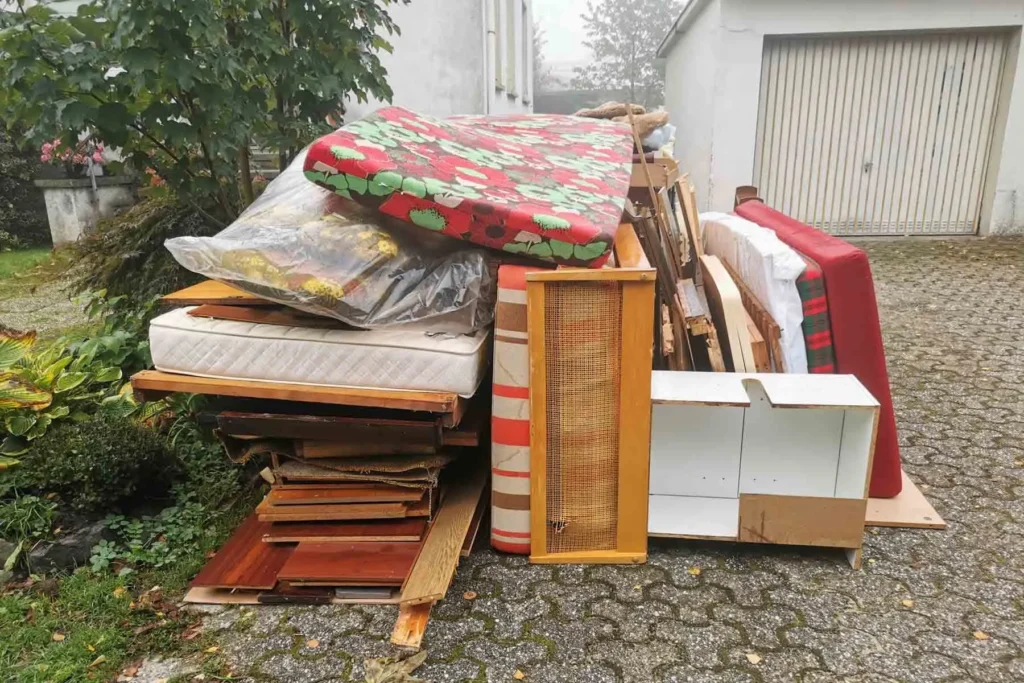
The junk removal service process begins with a conversation about what you need cleared. Most professional junk removal companies ask about the type of items, roughly how much there is, where it is located, and when you would like the work done. Some providers also ask for photos or schedule a short walkthrough so the quote reflects the real job.
This assessment matters because it shapes everything that follows. It helps the company identify item types, estimate volume, spot access issues such as stairs or narrow hallways, and flag anything that needs special handling. A single bulky couch in a ground-floor room is a very different task from whole-house junk spread across several floors, and the crew, truck space, and time required will differ accordingly.
For residential junk removal, a good assessment also sets the boundaries of the job. You point out what is going and what is staying, and the company confirms the scope before any work begins. That shared understanding is the foundation of the entire home cleanout process.
What Happens During a Typical Junk Removal Visit
A typical visit follows a predictable workflow from the moment the crew arrives to the moment the truck pulls away. Professional junk removal teams usually confirm the scope with you, check the property, sort and load the items, haul them away, and finish with a walk-through. The junk removal process breaks down into seven stages, and each one has a clear purpose.
Confirming What Needs to Be Removed
When the crew arrives, they review the items with you and confirm exactly what is leaving. This is the moment to point out anything that should stay and to mention items you may have forgotten, such as pieces in a shed or behind a garage shelf. The crew also identifies anything that needs special handling, such as items with liquids, batteries, or other materials that cannot be treated like ordinary household junk.
Checking Access and Removal Conditions
Access can change the pace of a job more than most people expect. Stairs, narrow doorways, elevators, tight corners, long walkways, and outdoor locations all influence how items are carried out and how many people are needed. A quick check of these conditions lets the crew plan a safe route and protect your floors, walls, and doorframes.
Sorting Items for Proper Handling
Before loading, the crew often separates items by material and condition. Furniture in good shape may be set aside for donation, metal and cardboard may be kept for recycling, and damaged or non-reusable goods are grouped for disposal. Anything that needs special handling is kept apart so it does not mix with general materials.
Loading Items Safely From the Property
Trained crews lift and carry furniture, appliances, boxes, yard debris, and other household items using safe techniques and proper equipment. They reduce damage risks by wrapping or protecting surfaces where needed, disassembling large pieces when it makes carrying safer, and coordinating movements in tight spaces. Careful loading protects both your property and the people doing the work.
Hauling Everything Away From the Property
Once the truck is loaded, the junk pickup and hauling stage begins. The materials are transported away from your home so you do not have to arrange a trailer, rent a vehicle, or make multiple trips to a facility. For larger cleanouts, a crew may fill more than one load, depending on volume and the size of the truck.
Directing Materials Toward the Right Destination
After the haul, the junk disposal process sends each type of material where it belongs. Reusable items can go to donation or resale channels, recyclables head to processing facilities, specialized materials go to facilities equipped to handle them, and the remainder goes to approved disposal sites. Where each item lands depends on its type, condition, and local requirements.
Completing the Removal and Final Walk-Through
The visit ends with a walk-through of the cleared area. The crew confirms that the agreed items are gone, sweeps up loose debris where appropriate, and gives you the chance to point out anything that was missed. This final check closes the job and confirms the work matches what was discussed at the start.
Which Items Can a Junk Removal Crew Take Away
Most homeowners are surprised by how much a crew can take. Unwanted item removal covers a broad range of belongings, from everyday clutter to large pieces that are difficult to move. Household junk removal and bulky item removal are two of the most common reasons people book a pickup.
Acceptance can vary by company and by local regulations, so it is always worth confirming before the appointment. Items commonly removed include:
- Sofas, chairs, tables, mattresses, and other furniture
- Refrigerators, washers, dryers, and other appliances
- Boxes, bags, and general household clutter
- Old electronics and exercise equipment
- Yard debris, branches, and outdoor items
- Renovation leftovers such as old fixtures and non-hazardous construction debris
Some materials, such as certain chemicals, fuels, or paint, often need special arrangements and may not be accepted in a standard pickup. A quick call before booking removes the guesswork.
How Junk Pickup and Hauling Fit Into Home Cleanouts
A single junk pickup usually involves a few specific items, such as an old couch or a broken appliance. A household cleanout is larger in scale. It may involve several rooms, multiple categories of items, and more coordination between the homeowner and the crew. Junk hauling services support both, but the planning, labor, and time involved grow with the size of the project.
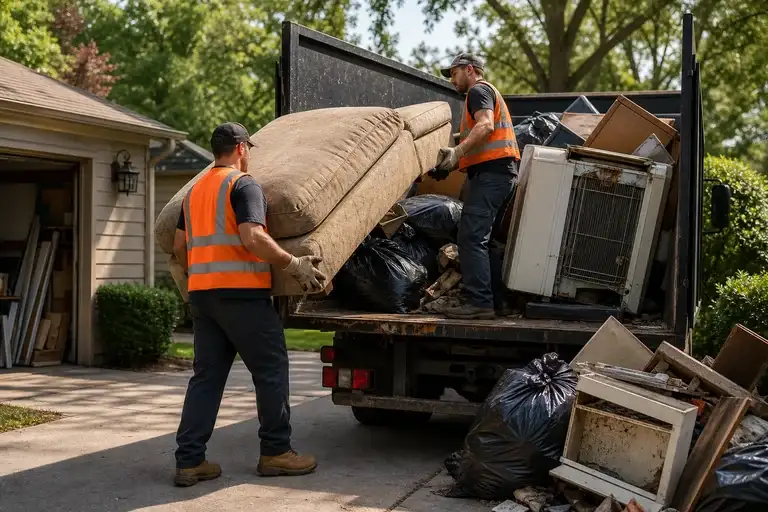
Cleanouts happen for many reasons. Families clear space before a move, downsize to a smaller home, prepare a property for sale, or work through renovation debris. Estate cleanouts often follow a longer estate clearance process because belongings need to be reviewed, divided, or donated before anything is hauled away. Garage clearing is another common case, since years of stored items can build up quickly.
Sorting items into reusable, recyclable, and disposable groups makes any of these projects more organized. It reduces the chance of throwing away something valuable, speeds up loading, and helps the crew direct materials to the right destination. Even a rough sort before the crew arrives can make the whole home cleanout process smoother.
How the Junk Removal Process Handles Your Items
Many people assume everything collected simply goes to a landfill. In practice, a responsible junk removal process separates materials and sends them along different pathways, including reuse, donation, recycling, recovery, and disposal. Responsible handling matters because it reduces waste, follows local rules, and gives homeowners confidence that their items are treated properly.
Reusing Items That Still Have Practical Value
Furniture, household goods, and other belongings in usable condition may be directed toward donation or reuse when appropriate. This gives items a second life and keeps them out of the disposal stream. Whether an item qualifies depends on its condition and the needs of the receiving organization.
Separating Materials That Can Be Recycled
Metal, cardboard, electronics, and other recyclable materials can be separated from general waste and sent for appropriate processing. Appliances, for example, often contain metal that can be recovered. Separating these materials early makes recycling more practical and reduces what ends up as waste.
Identifying Items Requiring Special Handling
Certain materials cannot go through ordinary channels. Items containing hazardous substances, refrigerants, or other regulated components may need specialized facilities, specific handling procedures, or separate disposal arrangements. Identifying these items early protects the crew, the property, and the environment.
Managing Household Waste Responsibly
Ordinary unwanted materials that cannot be reused or recycled are handled through appropriate disposal channels. Not every item follows the same route, and a reputable provider matches each material to the facility that suits it rather than treating everything alike.
Keeping Disposal Decisions Aligned With Local Rules
Disposal requirements differ by material and by jurisdiction. A rule that applies in one county may not apply in another, which is why reputable providers account for the regulations in the area where they work. Choosing a company that understands local requirements helps keep your cleanout compliant.
How Furniture and Bulky Items Are Removed Safely
Large, heavy, and awkward items are often the main reason people call a professional. Furniture removal and bulky item removal involve lifting, turning, and carrying objects through spaces that were not designed for easy exit. Professional handling reduces injury risks and protects the home, which is difficult to achieve with a borrowed truck and a couple of helpers.
Crews plan the route first, considering stairs, doorways, corners, and floor surfaces. They may disassemble beds, tables, or shelving when that makes carrying safer, use protective materials on floors and walls, and coordinate movements so everyone knows who lifts and who guides. Many companies offer dedicated furniture removal services for exactly these situations, and the same techniques apply to appliances and other heavy goods.
A few preparation steps help the crew work efficiently. Clear small obstacles from the path, measure doorways if an item is especially large, remove loose items from furniture such as drawers or shelves, and let the company know about stairs or tight spaces in advance. These small actions keep the job safe and prevent delays.
How Junk Removal Differs From Regular Trash Pickup
Regular trash pickup is a routine municipal service designed for standard household waste placed at the curb on a set schedule. Professional junk removal is on-demand and built for items that do not fit that system, such as old furniture, appliances, large volumes of clutter, and cleanout debris. The difference comes down to size, labor, scheduling, and disposal responsibility.
A homeowner may need a dedicated service when items are too large for curbside collection, when the volume exceeds what regular pickup accepts, or when carrying everything outside is not realistic. The table below compares the two options.
| Factor | Regular Trash Pickup | Professional Junk Removal |
| Type and volume of items | Standard household trash in limited amounts | Furniture, appliances, clutter, debris, and large volumes |
| Who moves the items | The homeowner brings items to the curb | The crew carries items from inside or outside the property |
| Large/bulky item handling | Often restricted or limited | Handled as a core part of the service |
| Scheduling | Fixed collection days | Scheduled on demand, with availability varying by provider |
| Hauling | Collected by municipal trucks on the route | Loaded and hauled away by the junk removal crew |
| Disposal options | Standard waste stream | Sorted for reuse, recycling, specialized handling, or disposal |
| Typical use case | Weekly household waste | Cleanouts, moves, renovations, and bulky item disposal |
What Happens to Junk After It Leaves Your Home
Once the truck leaves your property, the material begins its own journey. The destination depends on the type and condition of each item and on the provider’s available disposal network. To see what happens to junk after removal, it helps to follow the usual order: sorting first, then reuse, recycling, specialized processing, or disposal as appropriate.
Sorting Materials After the Pickup
After pickup, collected items are separated based on material, condition, and disposal requirements. This second sort catches anything that was mixed during loading and makes sure each material is directed correctly.
Redirecting Usable Items Toward Reuse
Suitable belongings can be donated, reused, or redirected rather than immediately discarded. Furniture, household goods, and similar items in good condition are often the best candidates.
Sending Recyclable Materials for Processing
Recyclable materials such as metal, cardboard, and certain electronics can enter appropriate recycling streams when they are accepted by the receiving facility. Acceptance depends on the material and the facility’s requirements.
Handling Restricted or Specialized Materials
Some materials require specialized facilities, and others may not be accepted through standard junk removal at all. This is why it is important to tell the provider about unusual items before the visit.
Completing Responsible Disposal for Remaining Items
Whatever cannot be reused or recycled is directed to suitable disposal facilities in line with applicable requirements. The goal is to match each remaining material to an approved destination.
How Much Junk Removal Costs and What Affects It
There is no single price that fits every job, and any company quoting one price for all situations is oversimplifying. Quotes vary because every cleanout is different. Heavy items such as refrigerators or stoves carry their own pricing factors, and an appliance removal cost guide can show how unit type and size affect a quote. Understanding the factors behind a price helps you compare providers fairly.
The main factors that influence the final cost include:
- The amount and volume of junk
- Item type and weight
- Labor requirements and the number of crew members needed
- Accessibility, such as stairs, distance from the truck, or tight spaces
- Special handling needs
- Disposal or recycling requirements
- Distance and service area
Ask for a clear quote and confirm what the service includes. Find out whether labor, hauling, and disposal fees are covered, and whether the price changes if the volume turns out to be larger than expected. A transparent quote prevents surprises later.
How to Prepare Your Home Before the Crew Arrives
Preparation does not mean moving everything outside. A few simple actions make junk removal pickup safer, faster, and easier for everyone, and they matter most in homes with stairs, garages, basements, apartments, or crowded rooms.
Separate Items You Plan to Keep
Clearly distinguish your unwanted belongings from items that should stay. Setting keepers aside, or marking them, helps the crew avoid removing something by mistake.
Group Removable Items When It Makes Sense
Grouping items in one area helps the crew identify the removal scope quickly. You do not need to carry heavy objects yourself. Simply gathering smaller items in one spot saves time.
Clear a Safe Path Through the Property
Remove small obstacles such as rugs, boxes, and toys from walkways. A clear path makes furniture and bulky item removal safer and lowers the risk of damage or injury.
Identify Items With Special Requirements
Tell the provider in advance about anything restricted, fragile, hazardous, or unusual. Advance notice lets the company plan the right handling and avoid delays on the day.
Secure Pets and Protect Important Areas
Keep pets in a quiet room or with a family member while the crew works, and cover or block off areas that should not be disturbed. This protects both the animals and your belongings.
Confirm Access Before the Appointment
Share access instructions ahead of time, including parking, gate codes, elevator reservations, stair details, and any building requirements. Apartments and managed properties often have rules that need to be arranged in advance.
How Long a Typical Junk Removal Job Usually Takes
A small pickup and a full home cleanout do not take the same amount of time. A few items near the driveway may be cleared quickly, while a multi-room cleanout can take several hours or longer. The duration depends mainly on volume, item size, access conditions, how much sorting is needed, and how loading is organized.
Several factors can increase the time, including stairs, long carrying distances, heavy items, disassembly, and unsorted piles. Factors that can shorten it include a clear path, grouped items, clear instructions, and easy parking. Some providers offer same-day junk removal, but availability and completion time vary by provider and workload, so it is best to ask when you book.
Common Junk Removal Mistakes That Cause Delays
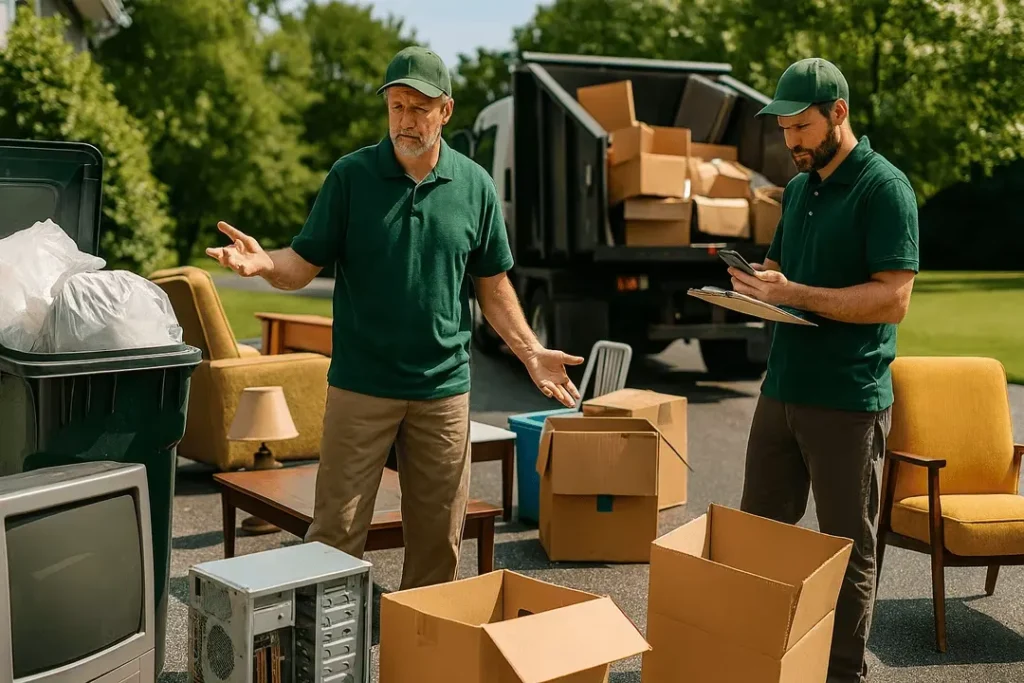
Homeowners often focus only on booking the pickup and overlook details that cause delays. The most common mistakes are failing to identify restricted materials, not separating keep items from removal items, underestimating the amount of junk, forgetting about difficult access, waiting until the last minute for a large cleanout, assuming every company accepts every type of material, and not confirming what the quoted service includes.
Restricted materials are a frequent source of trouble. If something cannot be accepted and the crew learns about it on arrival, the job slows down. Telling the company about unusual items in advance avoids this. Mixing keep items with removal items creates a similar problem, because the crew has to stop and ask about each piece.
Underestimating volume is another common issue. Items in garages, attics, and sheds often turn out to be more than expected, which can change the quote and the time needed. Difficult access has the same effect, so mention stairs, narrow paths, or distant parking when you book. Waiting until the last minute also limits scheduling options.
Finally, acceptance differs between companies, and quotes may include different services. Confirm what is accepted and what the price covers before the appointment so there are no surprises.
Final Thoughts on How Home Junk Removal Works
So, how does junk removal work from start to finish? It begins with an assessment of what needs to go, continues through confirmation, access checks, sorting, loading, and hauling, and ends with responsible handling of each material and a final walk-through. Along the way, items may be donated, recycled, handled through specialized channels, or disposed of according to local rules, rather than all following the same path with help from Junk People LLC.
Knowing this process helps you prepare, ask the right questions, and compare providers with confidence. A good provider explains its process clearly, tells you which materials it accepts, describes how items are handled, and gives you a transparent quote with clear service terms. Those details are worth confirming before you book.
When a home cleanout becomes too large, heavy, or time-consuming to handle alone, it makes sense to bring in professionals. Junk People LLC can help you arrange a professional junk removal service so you can clear your space without the lifting, hauling, and sorting.
Frequently Asked Questions About Home Junk Removal
Understanding the junk removal process can make a home cleanout much easier to plan. These common questions address practical concerns about pickup, preparation, timing, accepted items, and disposal. Use this section to get quick answers to additional questions you may have before scheduling service.
Yes, many companies can clear a full house in one project. The crew size, number of loads, and time needed depend on how much there is and how accessible it is. Sharing the scope upfront helps the provider plan properly.
Separate items you want to keep, group removable items where practical, clear walkways, and tell the company about any special or restricted materials. Confirm access details such as parking, gates, and elevators as well.
Yes. Crews typically carry items out from inside rooms, basements, attics, and garages, so you do not need to move everything to the curb. Mentioning stairs or tight spaces in advance helps them prepare.
Most professional services accept large furniture and common appliances. Some appliances contain components that require special handling, so confirm with the company when you book.
The crew will let you know, and you may need a separate arrangement for that material, such as a specialized facility. Telling the provider about unusual items beforehand avoids last-minute surprises.