
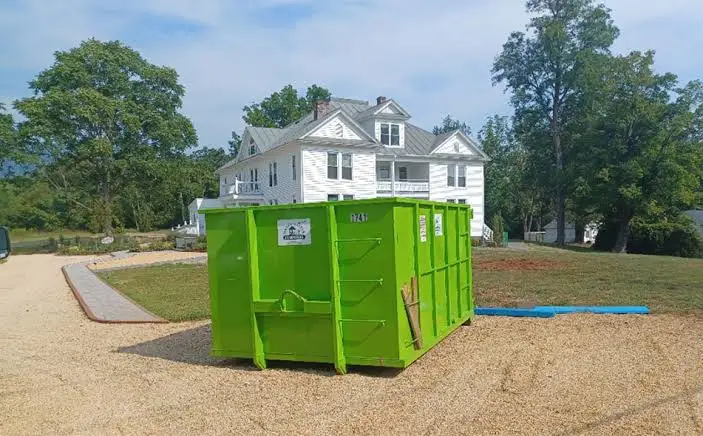
Furniture that no longer fits, renovation debris piling up in the garage, moving boxes nobody unpacked, and yard waste from a weekend of overdue landscaping can turn a home cleanup into a logistical mess fast. Renting a dumpster keeps all of that contained in one place instead of scattered across the yard or driveway, and it gives the project a clear endpoint: fill the container, schedule the pickup, and the cleanup is done.
Choosing the right dumpster involves more than just placing an order, though. Size, rental period, which materials are accepted, whether a permit is needed, how much space delivery requires, scheduling around the project timeline, and overall cost all shape how smoothly the rental actually goes. Working through each of these ahead of time turns what could be a confusing process into a fairly simple one.
Start by Defining the Cleanup You Need to Handle

Before comparing dumpster sizes or requesting quotes, it helps to get specific about what the cleanup actually involves. A household cleanout focused on old furniture and general clutter looks very different from a kitchen remodel generating drywall, cabinetry, and flooring debris. Moving preparation, where the goal is clearing a home before a sale or relocation, often produces a wider mix of household junk than a seasonal cleanup limited to yard waste and outdoor storage.
Getting this right matters because a home cleanup dumpster sized for a single-room decluttering won’t hold up against a whole-house purge, and ordering too much capacity for a small project wastes money. Matching the container to the actual scope from the start avoids both problems.
Common situations that call for residential dumpster rental include:
- Clearing out a garage, attic, or basement full of accumulated items
- Renovation or remodeling projects generating construction debris.
- Preparing a home for sale, move, or estate transition
- Seasonal yard cleanup involving branches, leaves, and outdoor debris
- Post-event cleanup after a large gathering or project
Estimate the Waste Before Choosing Your Dumpster
Once the type of cleanup is clear, the next step is estimating roughly how much debris it will generate. This is where a lot of first-time renters guess too low, order a container that fills up halfway through the project, and end up needing a second one.
Dumpster capacity is usually measured in cubic yards, and different types of household waste take up space differently. Bulky furniture and appliances eat up volume quickly even if they don’t weigh much, while construction debris like drywall or tile can be heavy without taking up as much visible space. Mixed household waste from a full-property cleanout tends to combine both, which makes it harder to estimate by eye alone.
A few practical ways to estimate more accurately:
- Walk through each room or area being cleared and note major items.
- Picture the debris stacked in a pile roughly the height of a pickup truck bed.
- Account for both bulky items and smaller loose debris separately
- When in doubt, round up slightly rather than risk running out of space
Match the Container Size to Your Project Scope
Dumpster sizes vary enough that picking the wrong one is one of the most common rental mistakes. Smaller containers work well for focused cleanups, while larger ones are built for renovation-scale debris or full-property clearouts.
| Size Range | Typical Use Case | Best For |
| Small (10–15 cubic yards) | Single-room cleanouts, small yard cleanup | Light decluttering, minor projects |
| Medium (20 cubic yards) | Garage cleanouts, moderate renovations | Multi-room projects, mixed debris |
| Large (30–40 cubic yards) | Full-home cleanouts, major renovations | Large-scale projects, heavy debris volume |
Dumpster size comparison charts like this are a useful starting point, but the estimate from the previous section should ultimately guide the final decision.
Know Which Materials Belong Inside the Container
Not everything can go straight into a rental dumpster, and knowing this ahead of time prevents delays or extra fees once the container is picked up. Most residential providers accept general household debris, but certain materials require separate handling due to safety or disposal regulations.
Commonly accepted:
- Furniture, mattresses, and household junk
- Construction debris such as drywall, wood, and flooring
- Non-hazardous renovation waste
- General yard waste in reasonable quantities
Commonly restricted:
- Paints, solvents, and other hazardous chemicals
- Tires, batteries, and certain electronics
- Large appliances containing refrigerants
- Excessive amounts of concrete, dirt, or roofing material
Homeowners generating a heavy mix of construction material during a remodel may find it worth reviewing construction debris removal, since renovation waste often comes with its own handling considerations beyond a standard household load.
Plan the Rental Period Around Your Cleanup Schedule
How long a dumpster stays on the property should match the realistic pace of the project rather than an arbitrary number of days. A short-term dumpster rental over a weekend works well for a focused task like clearing a garage, but a full-home cleanout or an ongoing renovation usually needs more breathing room.
Rushing to fill a container within too tight a rental period often leads to overloading or leaving debris scattered around the dumpster instead of inside it. On the other hand, renting for far longer than needed adds unnecessary cost. Thinking through how the project will actually unfold, including pauses, helps set a dumpster rental period that fits without forcing the schedule.

Build Your Rental Budget Before You Place the Order
Dumpster rental prices vary based on several factors working together, which is why two seemingly similar projects can end up with different quotes. Container size is the most obvious factor, but rental duration, the type of debris involved, delivery distance, and any pickup timing requests all play a role.
Homeowners weighing a dumpster rental against other disposal options sometimes compare it to dump costs, particularly for smaller projects where hauling debris directly might seem like a cheaper alternative on paper.
Factors that typically influence the final price:
- Container size and rental duration
- Type and weight of debris being disposed of
- Delivery and pickup distance
- Any additional pickup requests or schedule changes
- Local permit requirements, where applicable
Check Whether Your Property Needs Delivery Approval
Dumpster placement requirements can differ depending on where the container will actually sit. A dumpster placed entirely on private property, such as a driveway, usually has fewer requirements than one that needs to sit on a street or other public right-of-way, where local rules often come into play.
Checking these requirements before delivery day prevents last-minute complications, especially in neighborhoods with HOA rules or municipalities with specific placement regulations.
- Confirm whether the placement location is private property or public space.
- Check local permit requirements if street placement is necessary.
- Ask the rental provider whether they handle permit coordination.
- Review any HOA guidelines that might apply to visible dumpster placement.
Prepare the Property for Safe Dumpster Placement
Getting the delivery area ready ahead of time makes drop-off and pickup far smoother. Delivery trucks need adequate clearance, a stable surface, and a clear path, so a quick walkthrough of the intended placement spot is worth the time.
- Measure the space to confirm the dumpster will fit with room to spare
- Check for overhead obstacles like low branches or power lines.
- Choose a firm, level surface rather than soft grass or uneven ground.
- Clear vehicles, gates, or equipment from the delivery path in advance
Follow a Simple Loading Strategy During Cleanup
Once the dumpster arrives, how it’s loaded affects how much debris actually fits before it needs to be picked up. A little strategy goes a long way toward avoiding wasted space or an unsafe load.

Break Down Bulky Household Items Before Loading
Disassembling furniture, flattening cardboard boxes, and breaking down awkwardly shaped items frees up significantly more usable space than tossing them in whole.
Keep Heavy Debris Balanced and Below the Fill Line
Distributing weight evenly across the container, rather than piling it in one corner, keeps the load stable during transport. Staying below the marked fill line also keeps the load safe and avoids pickup complications.
Decide Whether a Weekend Rental Fits Your Project
A weekend dumpster rental can work well for smaller, well-defined projects, but it’s worth being honest about whether two days is actually enough time. Garage cleanouts or a single round of yard work often fit comfortably into that window, while larger renovations or full-property cleanouts usually need more room.
- Confirm the delivery can happen early enough to make full use of the weekend.
- Have helpers or equipment ready in advance rather than arranging them last minute
- Build in buffer time in case loading takes longer than expected.
- Consider a slightly longer rental period if the project scope is uncertain.
Schedule Delivery Early When Timing Matters
Booking a dumpster further in advance, rather than waiting until the week of the project, gives more flexibility around delivery dates. This matters especially during busier seasons, such as spring cleaning or moving season, when availability can tighten up.
- Reserve the rental as soon as the project timeline is set.
- Confirm the delivery window a few days before the scheduled date.
- Build in flexibility for weather delays or project changes.
- Communicate any schedule shifts to the provider as early as possible.
Make Sure Your Home Is Ready for Residential Delivery
Residential dumpster delivery comes with a few property-specific considerations that don’t always apply to commercial sites. Driveway dumpster rental is the most common setup, but not every driveway has the same amount of usable space or clearance.
Measure the Available Space Before Delivery
Checking width, length, and overhead clearance in advance confirms the dumpster will fit without crowding vehicles or structures nearby.
Clear Vehicles and Obstacles From the Access Route
Delivery trucks need an unobstructed approach, so cars, trailers, or equipment blocking the driveway should be moved before the scheduled drop-off.
Protect the Placement Area From Avoidable Problems
Choosing a surface that can handle the container’s weight and flagging any sensitive areas like septic lines or irrigation systems to the provider helps avoid property damage during placement.
Know When Your Cleanup Calls for Extra Planning
Some projects need more than a standard rental approach. Recognizing this early prevents last-minute scrambling to adjust size, materials, or scheduling mid-project.
Account for Heavy or Dense Materials
Concrete, dirt, roofing shingles, and similar materials are often restricted by weight rather than volume, since a full container of dense debris can exceed safe transport limits well before it looks full.
Plan Differently for Large-Scale Home Projects
Renovations, estate cleanouts, and major decluttering efforts often require more capacity or a longer rental period than a standard household cleanup. Homeowners managing a full-property transition, such as clearing out a relative’s home, may find it useful to review the estate clearance process for guidance on handling a larger-scale cleanout with less stress.
Avoid Common Problems That Raise Rental Hassles
A handful of recurring mistakes account for most of the frustration homeowners run into with dumpster rentals. Knowing them ahead of time makes the whole process easier.
- Ordering the wrong size. Estimate debris volume honestly before choosing, and round up slightly if unsure.
- Placing the container on unstable or restricted ground. Confirm surface type and permit requirements before delivery.
- Loading prohibited materials. Check accepted and restricted items before the cleanup begins.
- Overfilling past the marked line. Break down bulky items and distribute weight to stay within safe limits.
- Booking too late for a busy season. Reserve the rental as early as the project timeline allows.
Turn Dumpster Rental Into a More Organized Cleanup
Pulling everything together into one sequence makes the entire rental process far less overwhelming, whether it’s a small cleanout or a major renovation.
Define What You Need to Throw Away
Identify the type of project and get a rough sense of how much debris it will realistically generate.
Choose Capacity Based on the Actual Waste Load
Match the estimated volume to an appropriately sized container rather than guessing.
Confirm Rules, Placement, and Rental Terms
Review accepted materials, permit requirements, rental duration, and placement details before booking.
Prepare the Property Before the Container Arrives
Clear the delivery path and confirm the placement area can handle the dumpster safely.
Complete the Cleanup and Arrange Timely Pickup
Finish loading within the fill limits, do a final check, and coordinate pickup once the project wraps up. Homeowners tackling a particularly large volume of household items may want to review whole house junk for additional guidance on managing a bigger cleanout alongside the rental.
What to Confirm Before Ordering Your Dumpster
- Confirm the exact dumpster size and available capacity.
- Ask about total cost, including delivery and pickup fees.
- Verify the rental period and any extension policies.
- Review which materials are accepted and which are restricted.
- Confirm whether a permit is needed for the planned placement.
- Check delivery timing and how pickup will be scheduled.
- Ask what happens if the container fills before the rental ends.
Conclusion: Make Home Cleanup Easier With the Right Dumpster
A dumpster rental works best when the container actually matches the project, rather than defaulting to the largest option available just to be safe. Junk People LLC can help you estimate debris volume, choose an appropriate size, confirm accepted materials, prepare the placement area, and plan the rental period around a realistic timeline, turning what could be a stressful process into a manageable one.
Loading efficiently and scheduling pickup at the right moment closes out the project cleanly, without leftover debris or wasted rental days. Comparing options, confirming the details that matter, and scheduling a dumpster that fits the actual cleanup is the simplest way to keep a home project organized from start to finish.
FAQs About Renting a Dumpster for Home Cleanup
Start by estimating the debris volume, choosing an appropriate size, and confirming placement and scheduling details with a rental provider.
Compare the estimated volume of debris against standard size ranges, and round up slightly if the estimate is uncertain.
Container size, rental duration, debris type and weight, delivery distance, and any permit requirements can all affect the final cost.
Rental periods vary by provider, but many residential rentals range from a few days to about a week, with extensions often available.
Most general household junk, furniture, and construction debris are accepted, while hazardous materials and certain appliances typically are not.