
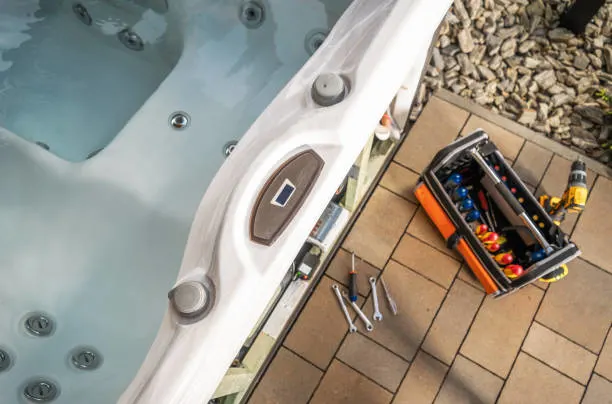
A hot tub should help you relax after a long day. That feeling fades when water pressure gets weak or jets stop moving. Clogged jets can also reduce water flow and comfort. Hot tub jet removal is often the first step when these problems appear. Many owners think the whole system has failed. In many cases, the issue is much smaller. Regular hot tub jet removals keep the spa working as expected and prevent many common problems.
Now let’s see what really causes these issues. A faulty jet does not always need full replacement. Dirt and mineral buildup can block water flow. Worn parts can also affect jet movement. Simple cleaning or spa jet replacement may restore normal performance. This guide explains safe removal methods, cleaning tips, repair options, and when it is time to call a professional for help.
Understanding Why Spa Jets Eventually Wear Out
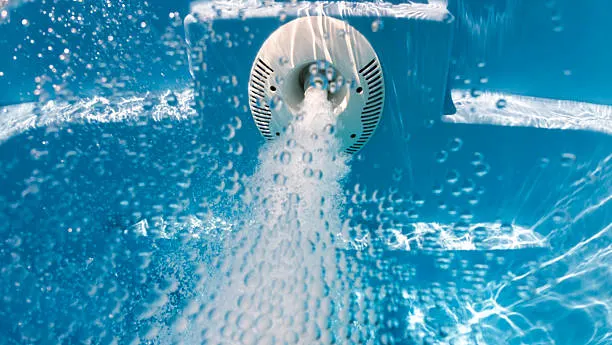
Hot tub jets move warm water through the spa to create steady pressure and massage action. They work every time the system runs. Over time, these parts face constant water flow and daily use. Heat minerals and pool chemicals slowly wear down the jet parts. Regular hot tub maintenance helps slow this process and keeps the system working longer.
You might notice small changes before a jet stops working. Water pressure may become weak. Some jets may stop turning or produce uneven water flow. These are common signs of damaged spa jets. Dirt and mineral buildup can also block the openings and reduce performance.
Signs Your Spa Jets Need Cleaning Or Replacement
Spa jets often give clear warning signs before they stop working. Some problems only need water jet cleaning. Others may need repair or replacement. Knowing the difference helps you fix the problem early and makes hot tub troubleshooting much easier.
- Weak Water Pressure
The water flow feels much weaker than before, even though the pump is running. This often happens because dirt or mineral deposits block the jet opening. If cleaning does not restore the pressure, the jet may have worn internal parts. - Jets Stop Rotating
Rotating jets create a steady massage effect. When they stop turning, the moving parts inside may be blocked by debris or damaged through normal wear. Cleaning may solve the problem, but older jets often need replacement. - Uneven Water Flow
Some jets produce strong pressure while others barely work. This usually means certain jets are clogged or beginning to fail. Checking each jet helps identify whether the issue is dirt buildup or a faulty component. - Visible Dirt Or Mineral Buildup
White scale or dirt around the jet opening is a common sign of buildup. These deposits restrict water flow and reduce jet performance. Regular water jet cleaning removes these blockages and helps the jets work properly again. - Grinding Or Clicking Sounds
Spa jets should run quietly during normal use. Grinding or clicking sounds often mean the internal parts are worn or damaged. In many cases, hot tub jet repair is needed before the damage becomes worse. - Loose Or Wobbly Jets
A jet should fit firmly in its housing. If it feels loose or moves too much, the locking tabs or internal parts may be broken. A damaged jet should be repaired or replaced to prevent further issues. - Poor Massage Performance
The massage pressure may feel uneven or much weaker than it once did. This can happen when the jet is clogged or the internal parts have worn out. Cleaning is a good first step before replacing the jet. - Water Leaks Around The Jet
Water should only flow through the jet opening. If water leaks around the outside of the jet, the seal or housing may be damaged. Fixing the problem early helps prevent larger repairs later.
What To Check Before Removing Any Spa Jet Assembly
Before you begin how to remove hot tub jets, take a few minutes to prepare the spa. This helps prevent damage and makes the job much easier. Check that the water level is low enough if your spa manual recommends it. Gather the right tools and inspect the jet before removing it. Good spa equipment maintenance starts with safe preparation and careful planning.
Turning Off Power Before Starting Any Work
Always switch off the power to the hot tub before touching any jet. This protects both you and the spa system. Never work while the pump is running. Wait until all moving parts have stopped before you begin removing or checking the jets.
Identifying Locking And Twist In Jet Designs
Not all spa jets are built the same way. Some use a locking design while others twist into place. Check your owner’s manual or look closely at the jet before applying force. Using the correct method protects nearby spa accessories and helps prevent broken clips or damaged fittings.
Removing Spa Jets Without Damaging The Housing
Hot Tub Jet Removal is easier when you use the correct method. Rushing the job or using too much force can crack the jet housing or break the locking tabs. Before you begin, make sure the power is off, and the jet style has been identified. Most jets can be removed by turning them to the left until they unlock. Then pull the jet out with steady pressure. Proper disposal of damaged jet components through toxic waste disposal practices may be necessary if they contain materials that should not be discarded with regular household waste.
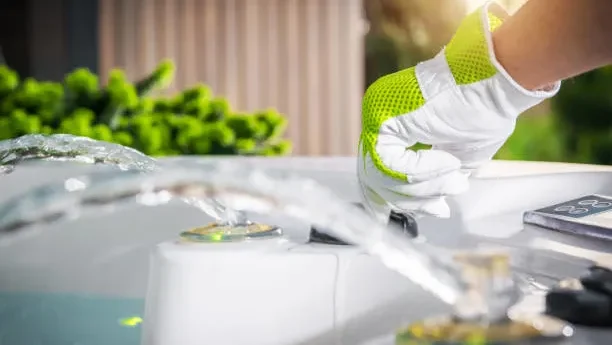
If you are removing jets from hot tub units that are older, they may feel stuck because of mineral buildup or worn parts. Do not force them out with sharp tools. Instead, clean around the jet and try turning it again with gentle pressure. When needed, use the proper method to remove spa jets without damaging the surrounding housing. Taking your time helps protect the spa and makes installing the new jet much easier.
Tools That Make Jet Removal Faster And Easier
Using the right tools makes the job safer and reduces the risk of damage. While many jets can be removed by hand, some may become stuck because of age or mineral buildup. The tools below help you complete the job with less effort and support a smooth jet replacement guide.
Hot Tub Jet Removal Tool
A hot tub jet removal tool is designed to match the shape of many spa jets. It provides a secure grip and allows you to turn the jet evenly. This reduces stress on the locking tabs and helps prevent cracks in the plastic housing.
Spa Jet Removal Tool
A spa jet removal tool is useful when a jet is difficult to remove by hand. It applies steady pressure around the jet instead of forcing one side. This lowers the chance of breaking worn or brittle parts during removal.
Rubber Grip Pad
A rubber grip pad helps you hold wet or smooth jets without slipping. It gives extra control while turning the jet and often removes the need for excessive force that could damage the surrounding area.
Soft Cleaning Brush
Dirt and mineral deposits can collect around the jet over time. A soft cleaning brush removes this buildup before removal. Cleaning the area first allows the jet to turn more freely and reduces resistance.
Plastic Trim Tool
A plastic trim tool helps loosen a tight jet without scratching the spa shell. Unlike metal tools it is less likely to leave marks or damage the finish around the jet opening.
Flashlight
A flashlight improves visibility inside the spa. It helps you locate locking tabs and inspect the jet for damage. Better visibility makes the removal process safer and more accurate.
Clean Microfiber Cloth
A microfiber cloth removes water, dirt, and loose debris from the work area. Keeping the surface clean improves your grip and helps protect the spa finish while working on the jets.
Cleaning Jets Properly Before Buying New Parts
Many homeowners replace spa jets before checking if they only need cleaning. Dirt and mineral buildup can block water flow and reduce jet pressure. Good water jet cleaning often restores normal performance without buying new parts. After hot tub jet removal, take time to clean each jet carefully. Regular hot tub maintenance also helps extend the life of the jets and reduces future repair costs. Cleaning the work area and completing yard debris removal around the spa also helps create a safer maintenance space.
Removing Mineral Deposits From Internal Parts
Mineral deposits can collect inside the jet and restrict water flow. Soak the jet in a cleaner made for spa equipment or a mild cleaning solution recommended by the manufacturer. Use a soft brush to remove any remaining buildup. Avoid hard tools that may scratch or damage the internal parts. These simple spa maintenance tips help keep the jets working smoothly.
Inspecting Components Before Reinstalling Jets
Once the jets are clean, inspect every part before putting them back. Look for cracked plastic, worn seals, or broken locking tabs. Check that the internal parts move freely and are not damaged. If everything is in good condition, reinstall the jet securely. Replace only the parts that show clear signs of wear or damage.
Repair or Replacement: Which Option Saves More
Not every faulty jet needs to be replaced. Some problems can be fixed with a simple repair or cleaning. In other cases, a new jet provides better value and longer service. The right choice depends on the condition of the jet and the cost of fixing it.
| Repair Existing Jets | Replace Spa Jets |
| Average CostUsually lower because only worn parts are repaired. | Average CostHigher than repair, but provides a completely new jet assembly. |
| Expected LifespanDepends on the condition of the existing jet. Older parts may wear out sooner. | Expected LifespanNew jets normally last longer when maintained properly. |
| Performance ImprovementCan restore normal water flow if the damage is minor. | Performance ImprovementProvides stronger and more consistent performance when the old jet is badly worn. |
| Best SituationChoose hot tub jet repair when the jet has light wear, minor damage, or mineral buildup. | Best SituationChoose to replace hot tub jets when they are cracked, broken, or no longer perform well after cleaning or repair. A complete spa jet replacement is often the better long-term solution. |
Installing New Jets For Smooth Water Performance
Installing new jets the right way helps your hot tub perform as expected. A proper hot tub jet replacement improves water pressure and reduces the risk of future problems. Before installing the new jet make sure the housing is clean and free from dirt or old debris. Align the jet correctly and lock it into place without using too much force. Careful hot tub parts replacement helps prevent leaks and keeps the spa running smoothly for years.
Matching Replacement Jets With Existing Models
Always choose replacement jets that match the original model and size. Even small design differences can affect the fit and water flow. Before you replace hot tub jets, check the part number or manufacturer details. Using the correct replacement makes installation easier and helps maintain proper spa performance.
Testing Water Flow After Installation
Once the new jet is installed, restore power and run the spa for a few minutes. Check that the jet locks firmly in place and rotates as expected if it has moving parts. Watch for water leaks around the housing and confirm that the water pressure is even. A quick test helps ensure the installation was completed correctly.
Common Installation Errors Homeowners Should Avoid
Installing new spa jets is not difficult, but small mistakes can affect their performance. Many problems happen because the jets are fitted too quickly or without proper checks. Knowing these common errors helps you avoid repeat repairs and makes hot tub troubleshooting much easier. If you are renovating the entire spa area, projects like old furniture removal should be completed before installation to keep the workspace clear and organized.
Forcing The Jet Into Place
A jet should lock into the housing with gentle pressure. Forcing it into position can crack the locking tabs or damage the housing. Always check the alignment before turning the jet into place.
Using The Wrong Replacement Jet
Not every jet fits every hot tub model. Installing the wrong size or style can lead to poor water flow and an unstable fit. Always match the replacement jet with the original part number.
Forgetting To Check The Seals
Seals keep water inside the jet assembly. If they are worn, cracked, or missing, water may leak around the housing. Inspect every seal before installing the new jet.
Tightening The Jet Too Much
Many homeowners think a tighter fit is better. Too much force can damage the locking mechanism and make future removal more difficult. Turn the jet only until it locks securely.
Skipping The Water Flow Test
After installation always run the spa for a few minutes. Check that every jet works properly and look for leaks around the housing. A simple test helps confirm the installation was successful.
Ignoring Regular Maintenance
New jets also need routine care to perform well. Clean the jets often and inspect them during spa equipment maintenance. Following simple hot tub care tips helps prevent early wear and keeps the spa running smoothly for years.
Simple Maintenance Habits That Extend Jet Lifespan
Good habits keep spa jets working longer and reduce the need for repairs. Most jet problems develop over time because routine care is missed. Simple hot tub maintenance protects the entire system and helps maintain strong water flow throughout the year.
- Keep The Water Chemistry Balanced
Test the water on a regular schedule and keep chemical levels within the recommended range. Balanced water helps prevent mineral buildup and protects the internal parts of the jets. - Clean The Jets Regularly
Wipe the jet openings and remove dirt before it builds up. Regular cleaning keeps water flowing freely and supports better jet performance. - Inspect The Jets For Early Wear
Look for cracks, loose fittings, or reduced water pressure during routine checks. Finding small problems early helps prevent costly repairs later. - Remove Mineral Deposits Promptly
Hard water can leave scale inside the jets over time. Clean away these deposits before they affect water flow or damage the moving parts. - Run The Spa On A Regular Schedule
Running the system helps prevent water from sitting still for long periods. This also keeps the jets moving and reduces the chance of buildup inside the system. - Replace Worn Parts When Needed
Do not wait until a damaged jet stops working completely. Replacing worn seals or jet parts early helps protect the rest of the spa system. - Follow the manufacturer’s care guide
Every spa model has its own care requirements. Following the recommended spa maintenance tips helps improve performance and extends the life of the jets. - Make Routine Checks Part Of Your Hot Tub Care Tips
Set aside time each month to inspect the jets and surrounding parts. Regular inspections help catch problems early and keep your hot tub in excellent condition.
Knowing When Professional Repairs Become Necessary
Many hot tub problems can be fixed with basic cleaning or simple part replacement. Some issues go beyond what a homeowner can safely repair. Knowing when to stop a DIY repair helps prevent more damage and unnecessary costs. If basic hot tub troubleshooting does not solve the problem, it may be time to call an expert. A hot tub repair service is the best choice when water continues to leak after new jets are installed. Professional technicians can also recommend proper hazardous waste removal methods when damaged spa components or maintenance materials require safe disposal.
Professional help is also needed if several jets stop working at the same time or if the pump runs but little water reaches the jets. These problems may point to hidden plumbing issues or a damaged manifold inside the spa. You should also seek professional hot tub maintenance if you hear unusual noises from the pump or notice poor water pressure after cleaning and replacing the jets. Experienced technicians have the tools to inspect internal parts without causing further damage. Early repairs can prevent larger problems and help keep your hot tub working safely for years.
Keeping Replacement Jets Working Like New Longer
New spa jets can last for many years with proper care. Good habits after installation help protect the new parts and reduce future repair costs. Simple spa equipment maintenance also keeps water flowing smoothly and helps the entire spa system perform at its best. Clean the jets on a regular schedule to prevent dirt and mineral buildup. Check the water chemistry often because balanced water reduces wear on the internal parts. If an old hot tub is beyond repair, professional appliance removal disposal services can help remove and dispose of the unit responsibly before installing a replacement.
During colder seasons, inspect the spa before long periods of non-use and follow the recommended winter care steps. If the hot tub will not be used for some time, protect it with the right cover and store removable spa accessories in a clean, dry place. Make it a habit to inspect the jets every few weeks. Look for loose fittings, reduced water pressure, or signs of early wear. Fixing small problems before they grow helps avoid expensive repairs later. Following these simple hot tub care tips keeps your replacement jets working like new and helps you enjoy reliable spa performance for years.
Final Thoughts On Maintaining Healthy Spa Jets
Taking care of your spa jets is one of the best ways to keep your hot tub working well. Regular cleaning helps maintain strong water flow while routine inspections catch small problems before they become costly repairs. Replacing worn jets at the right time also improves comfort and helps protect other parts of the spa system. A little care today can save both time and money in the future. Junk People LLC also recommends disposing of old or damaged hot tub components responsibly to help keep your property clean and safe.
Good maintenance is always easier than major repairs. Use quality replacement parts when new jets are needed and follow a regular care schedule throughout the year. If you notice ongoing leaks, weak water pressure, or problems that simple repairs cannot fix, do not wait for the damage to grow. Contact a trusted hot tub repair professional for expert advice and reliable service to keep your spa running at its best.
Frequently Asked Questions About Hot Tub Jets
Still have questions about maintaining or replacing your spa jets? Many homeowners have similar concerns after learning the basics. These FAQs provide simple answers to help you care for your hot tub with more confidence.
Yes. Worn or clogged jets can restrict water flow and reduce pressure across the system. Cleaning or replacing faulty jets often restores normal performance.
The replacement jet should match the original size, model, and fitting style. Using the correct part ensures proper water flow, secure installation, and reliable performance.
Mineral buildup, dirt-worn bearings, and normal wear can stop jets from rotating. Regular cleaning and routine inspections help prevent this common problem.
Yes. Hard water leaves mineral deposits that can block water flow and wear internal parts. Keeping water balanced helps protect the jets and extend their lifespan.
Not always. Replace only the jets that show wear or damage. If most jets are old or failing, replacing the full set may provide better long-term performance.