
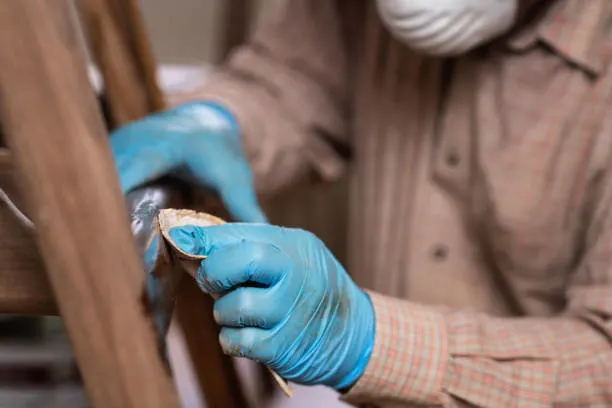
Finding mold on furniture can be frustrating. It often appears after high-humidity water leaks or long storage in damp areas. The stains and musty smell can make your furniture feel unsafe to use. Learning how to Remove Mold From Furniture helps you take the right steps before the damage becomes worse.
Mold is not only a surface problem. It can weaken wood, damage fabric, and create unpleasant odors. To remove mold from furniture, the mold may continue spreading and cause bigger repair needs. This guide explains safe cleaning methods, furniture care steps, prevention tips, and when professional help may be the better choice for serious mold problems.
Why Mold Develops On Indoor Furniture So Easily
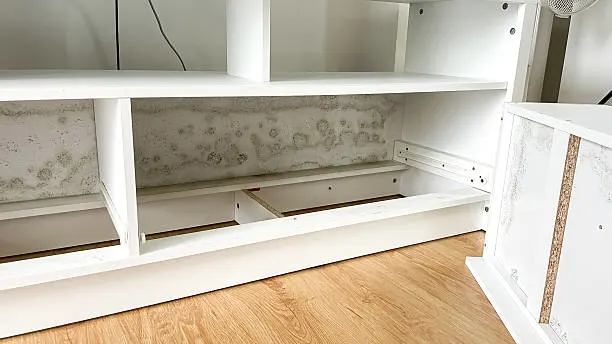
Mold often grows on furniture when moisture stays trapped for too long. A sofa placed near a damp wall or a wooden cabinet kept in a humid room can slowly collect mold. Poor airflow stops surfaces from drying properly. Understanding these causes helps with how to remove mold from furniture and prevents future problems.
You might notice mold after a small leak or a long storage period. For example, a chair kept in a closed basement may develop a musty smell and dark spots. Hidden moisture can weaken materials over time. Proper indoor mold treatment and quick moisture damage repair help protect furniture before the damage spreads.
Identifying Mold Before It Permanently Damages Furniture
Mold can appear in different ways depending on the furniture material. On wood, it may look like dark spots or a fuzzy layer on the surface. Fabric furniture may show discoloration or a musty smell. Knowing these signs helps you remove mold from furniture before it causes more serious damage.
You might notice a few small marks at first. For example, a wooden table stored in a damp room may develop black spots near the edges. Mold can look similar to dust or stains, but it often has a strong odor and spreads over time. Early mildew removal and proper care can prevent the need for major damaged furniture repair later.
Safety Precautions Before Cleaning Any Moldy Surface
Cleaning mold from furniture requires care before you begin. Mold spores can spread through the air and reach other areas of your home. Preparing the space and using safe methods helps reduce exposure and keeps the cleaning process controlled. Proper steps also support better indoor mold treatment results.
Wearing Proper Protective Equipment
Always wear basic protection before touching moldy furniture. Use gloves, a mask, and eye protection to reduce contact with mold spores. Avoid touching your face while cleaning. These simple steps make the process safer and are also followed during professional mold cleanup projects.
Isolating The Cleaning Area Before Starting
Keep the moldy furniture away from clean areas when possible. Open windows for fresh airflow and avoid spreading dust or spores around the room. Cover nearby items before cleaning and use a suitable mold cleaning solution. A controlled workspace helps prevent mold from reaching other surfaces.
Cleaning Methods For Different Furniture Materials
Mold does not affect every furniture type in the same way. Each material needs a different cleaning approach to avoid damage. Using the wrong method can make stains worse or weaken the surface. Choosing the right furniture cleaning methods helps remove mold safely while protecting the furniture.
Cleaning Mold From Wood Furniture
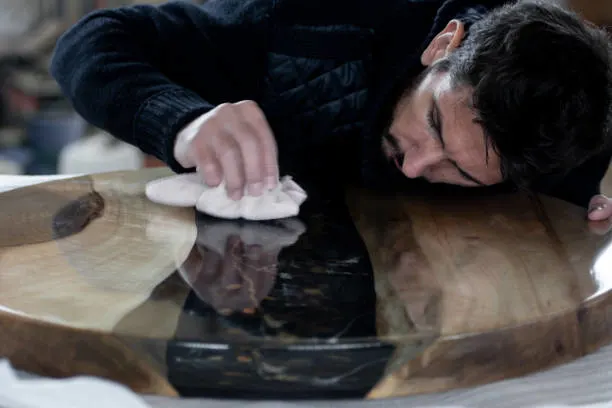
Wood furniture needs gentle care because moisture can damage the surface. Start by removing loose mold with a soft brush or cloth. Use a suitable cleaner and avoid soaking the wood. After cleaning, dry the surface completely to prevent new growth. Properly removing mold from furniture with wood methods helps protect the finish and supports long-term wood care solutions.
Cleaning Mold From Upholstered Furniture
Fabric furniture can hold mold spores deep inside the fibers. Vacuum the affected area carefully and use a cleaner made for upholstery. Avoid adding too much water because trapped moisture can make mold return. Dry the fabric fully with proper airflow and inspect the padding for more serious damage.
Choosing Products That Remove Mold Without Damage
The right cleaning product can show you how to remove mold from furniture while protecting your furniture’s surface. Different materials need different solutions because strong chemicals may cause stains or damage. Before cleaning, test any product on a small, hidden area. Choosing a safe mold cleaning solution helps protect furniture and supports better results.
Furniture Safe Mold Remover
A quality mold remover for furniture is designed to target mold without harming the surface. These products work well for many furniture types when used according to the instructions.
White Vinegar Solution For Light Mold
White vinegar can help with small mold spots on some surfaces. It is often used as a mild cleaning option, but it should be tested first to avoid unwanted surface changes.
Baking Soda For Odor Control
Baking soda can help reduce musty smells left by mold. It works well as a gentle option for surface cleaning but may not remove deep mold growth.
Wood Safe Cleaning Products
Wood furniture needs products made for wood surfaces. Harsh cleaners can remove finishes or cause discoloration. Using proper wood care solutions helps protect the natural look of the furniture.
Commercial Mold Treatment Products
Professional-grade cleaners are useful for stronger mold problems. Choose products that match the furniture material and follow safety instructions carefully.
Avoid Strong Household Chemicals
Some cleaners can damage fabric colors, wood finishes, or metal surfaces. Avoid using products that are not made for furniture unless they are confirmed safe for the material.
Cleaning or Replacing: Which Makes Better Sense
Mold does not always mean furniture needs to be thrown away. The right choice depends on the material condition, mold spread, and overall value of the item. Cleaning may restore some pieces, while severe damage may require replacement. Understanding both options helps you choose the safer and more practical solution. In cases where restoration is not possible, old furniture removal may be the better option before mold spreads further.
| Clean & Restore | Replace Furniture |
| CostIt usually costs less because only cleaning, repair, and surface treatment are needed. | CostCosts more because you need to purchase a new item and remove the damaged furniture. |
| Time RequiredCleaning and drying may take time depending on the mold level and material type. | Time RequiredReplacement is faster once a new item is available and removes the need for long cleaning work. |
| Best ForWorks well for solid wood pieces, light mold growth, and furniture with strong value. Proper wooden furniture restoration can bring back the original look. | Best ForBetter for heavily damaged items with deep mold growth, soft materials, or strong odors that do not go away. |
| Long-Term ValueRestoration can protect valuable furniture when done correctly. Professional cleaning and damaged furniture repair can extend its useful life. | Long-Term ValueReplacement may be safer when mold has damaged the structure and cleaning cannot provide reliable results. |
Before making a choice, always check the mold condition first. Early action can often help you remove mold from furniture and avoid unnecessary replacement costs.
Restoring Wooden Furniture After Mold Removal
Wood furniture can often be restored after mold cleaning if the damage is not severe. Proper care after removal helps protect the surface and improve its appearance. The restoration process may include drying, sanding, and adding a protective finish. Good wood care solutions help reduce future moisture problems and keep the furniture in better condition.
Drying Wood Completely Before Restoration
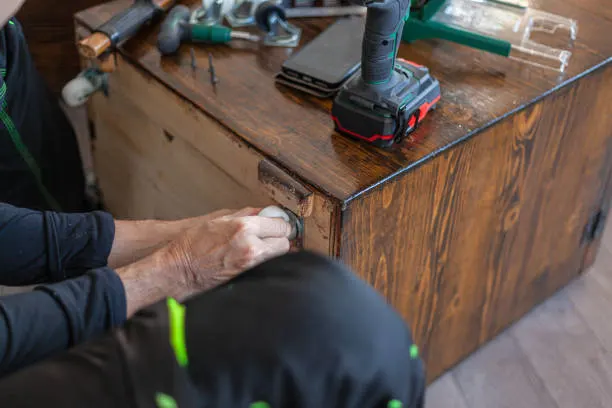
Wood must be fully dry before any repair work begins. Trapped moisture can allow mold to return and damage the inside of the material. Place the furniture in a dry area with good airflow and allow enough time for complete drying. After drying, inspect the surface before you remove mold from furniture and continue with restoration steps.
Applying Protective Finishes After Cleaning
After cleaning and drying the wood surface, apply a suitable finish to protect the furniture. Sanding may help remove marks and prepare the surface for refinishing. A protective coating creates a barrier against moisture and supports long-term wooden furniture restoration. Choose finishes made for your furniture type to maintain its natural look and strength.
Everyday Habits That Help Prevent Mold Returning
Mold prevention starts with simple daily habits. Cleaning the furniture is only one step. Keeping your home dry and improving airflow helps reduce the long-term mold coming back. These mold prevention tips support better indoor conditions and protect your furniture over time.
- Control Indoor Humidity Levels
High humidity creates the perfect environment for mold growth. Use fans, dehumidifiers, or air conditioning when needed. Keeping moisture levels balanced helps support better indoor mold treatment and prevents future problems. - Keep Furniture Away From Damp Areas
Avoid placing furniture directly against wet walls or areas with poor airflow. Leave some space between furniture and walls to allow air movement and reduce moisture buildup. - Clean Furniture Regularly
Dust and dirt can hold moisture and create a place for mold to grow. Use proper furniture cleaning methods to remove buildup and keep surfaces fresh. - Fix Water Leaks Quickly
Small leaks can create hidden moisture that leads to mold. Repair roof leaks, plumbing issues, or water damage as soon as possible to protect furniture. - Improve Air Circulation
Closed rooms with little airflow allow moisture to stay trapped. Open windows when possible and use fans to keep air moving around furniture. - Dry Wet Areas Immediately
Spills and damp spots should be cleaned quickly. Fast drying reduces the chance of mold growth and protects furniture materials. - Inspect Stored Furniture Often
Furniture kept in basements, garages, or storage rooms should be checked regularly. Early signs of mold are easier to manage before they spread.
Common Cleaning Mistakes That Make Mold Worse
Cleaning mold without the right steps can create more damage than expected. Many homeowners try quick fixes that spread spores or harm furniture surfaces. Understanding common mistakes helps you follow safer methods and improve the results of removing mold from furniture.
Scrubbing Mold Too Hard
Aggressive scrubbing can spread mold spores into the air and push growth deeper into soft materials. Use gentle cleaning methods and the right tools to remove mold without damaging the furniture surface.
Using The Wrong Cleaning Product
Some household cleaners can stain, damage fabric, damage wood finishes, or fail to remove mold completely. Always choose a suitable mold cleaning solution based on the furniture material. If heavily contaminated cleaning materials or chemicals must be discarded, follow safe toxic waste disposal practices to protect your home and the environment.
Adding Too Much Water
Excess moisture can make mold problems worse. Soaking furniture during cleaning allows water to enter deep areas and creates a better place for mold to grow again.
Ignoring Proper Drying
Cleaning is not complete until the furniture is fully dry. Leaving damp areas behind can cause mold to return and may lead to more serious damage.
Mixing Different Cleaning Products
Combining cleaners can create harmful reactions and may damage the furniture surface. Use one safe product at a time and follow the instructions carefully.
Treating Only The Visible Mold
Mold can grow below the surface or inside fabric layers. Cleaning only the visible spots may leave hidden growth behind and increase the need for future mildew removal.
Knowing When Professional Mold Removal Is Needed
Some mold problems can be handled with careful cleaning at home. However, deeper growth and serious damage may need expert help. Trying to clean severe mold without the right tools can spread spores or cause more harm. A trusted furniture mold removal service can inspect the condition and suggest the safest solution while ensuring proper hazardous waste removal when contaminated materials cannot be safely reused.
Mold Hidden Inside Furniture Structures
Mold can sometimes grow inside wood joints, fabric layers, or hidden areas that are hard to reach. Surface cleaning may remove visible spots but leave deeper growth behind. Professional cleaners use proper methods to find hidden mold and complete safe professional mold cleanup without causing extra damage.
Restoring Valuable Or Antique Furniture Safely
Valuable furniture needs special care because harsh cleaning methods can reduce its value. Antique wood pieces may need careful treatment, repair, and refinishing instead of simple cleaning. Experts can provide damaged furniture repair and restoration methods that protect the original structure while addressing mold problems safely. If restoration is no longer possible, proper appliance removal disposal and disposal planning for nearby household items may also be considered during a complete property cleanup.
Keeping Furniture Dry Throughout Every Season
Moisture levels inside homes can change with every season. Rainy weather, high humidity, and poor airflow can increase the risk of mold growth on furniture. Simple care habits help protect wood, fabric, and other materials. Good moisture control also supports mold prevention tips and keeps furniture in better condition.
Managing Humidity During Warm Months
Hot weather can increase indoor moisture and create conditions where mold grows faster. Use fans, air conditioning, or dehumidifiers to keep humidity under control. Avoid placing furniture in damp corners and allow air to move around large items. These steps reduce the need for future moisture damage repair.
Protecting Furniture During Cold And Wet Seasons
Cold months can bring condensation near windows, walls, and storage areas. Check furniture placed near these spots for dampness or early mold signs. Keep rooms dry and improve airflow when possible. Regular checks help protect furniture and prevent moisture problems from becoming serious.
Keeping Storage Areas Dry
Stored furniture needs extra attention because closed spaces often trap moisture. Use proper covers, avoid direct contact with damp floors, and check stored items regularly. A dry storage area helps protect furniture and supports long-term care. Cleaning surrounding areas with yard debris removal also helps reduce excess moisture and improves airflow around stored furniture.
Maintaining Balanced Indoor Conditions
Consistent indoor conditions help prevent sudden moisture changes. Monitor humidity levels and fix leaks quickly when they appear. Regular cleaning, drying, and inspections create a safer environment for furniture and reduce the chance of mold returning.
Final Thoughts On Removing Furniture Mold Safely
Removing mold early helps protect your furniture and prevents bigger problems later. Quick action, proper cleaning, and regular checks can reduce damage and keep your home healthier. Using safe methods to remove mold from furniture with guidance from Junk People LLC helps protect different materials while maintaining their appearance and value.
Moisture control is also important because mold often returns when damp conditions remain. Keep furniture dry, improve airflow, and follow simple care habits to reduce future growth. Many pieces can be saved with proper restoration when the damage is limited. If mold has spread deeply or affected the structure of your furniture, professional help can provide safer results. Contact a trusted mold cleanup expert for serious cases and protect your furniture with the right care.
Frequently Asked Questions About Furniture Mold Removal
Still have questions about cleaning mold from furniture? These FAQs cover common situations homeowners face after finding mold indoors. Review them before choosing the right cleaning or restoration method.
Yes. Mold can grow inside wood joints, fabric layers, and hidden areas where moisture stays trapped for long periods.
Sunlight can help dry surfaces, but it does not fully remove mold. Proper cleaning and moisture control are still needed.
Yes. Use gentle cleaners and test a small area first. Avoid harsh products that may remove paint or damage the finish.
Drying time depends on the material and moisture level. Furniture should be fully dry before use or restoration work begins.
Sealing wood helps reduce moisture absorption but does not stop mold alone. Proper humidity control and regular care are also important.